
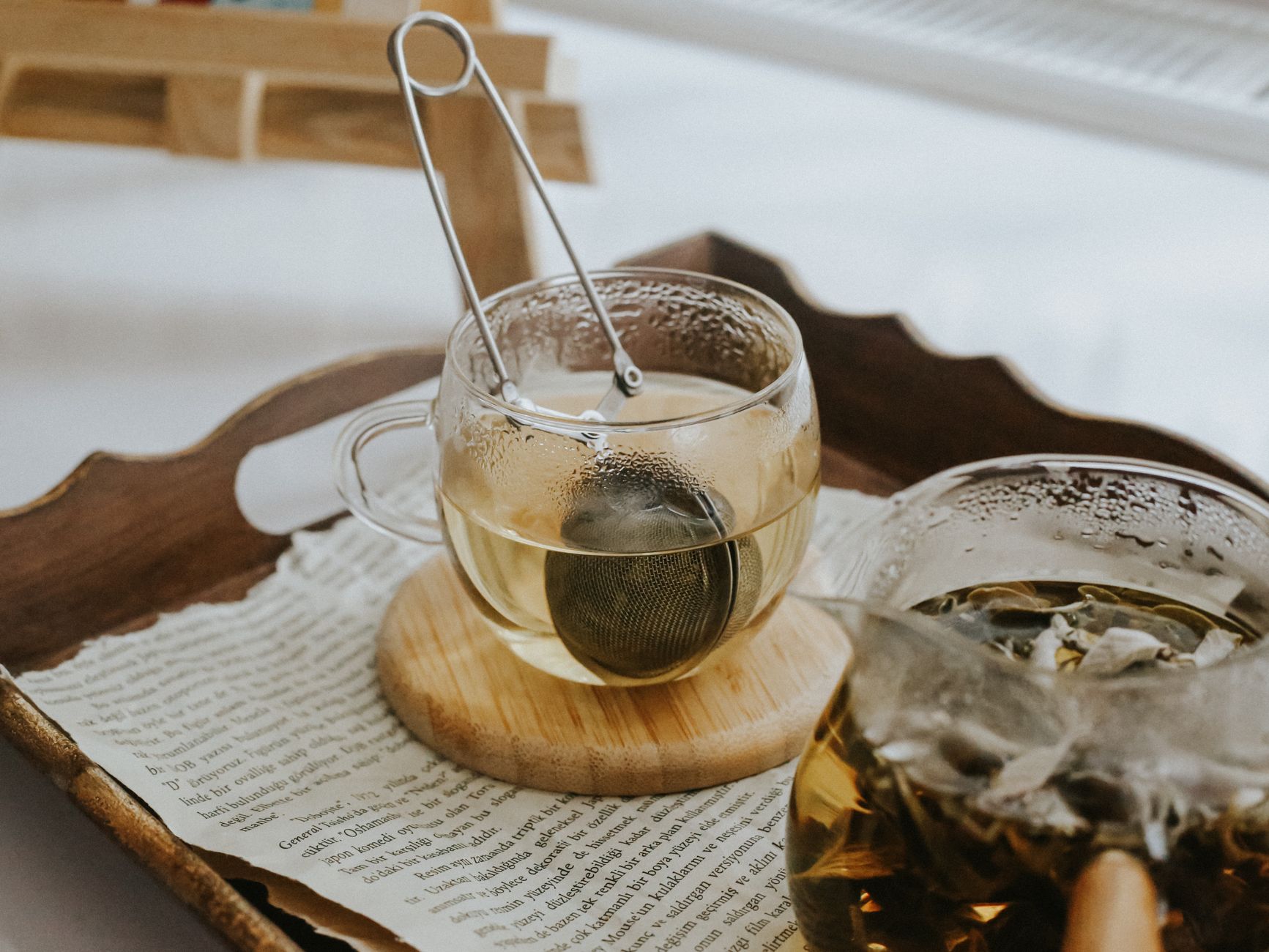
High blood pressure, or hypertension, affects millions of people worldwide and can lead to serious health issues if left untreated. Many individuals seek natural remedies, such as herbal teas, to help lower blood pressure. In this article, we’ll explore which teas can effectively aid in hypertension management, their benefits, and tips for integrating them into your daily routine.
This guide will cover various types of tea known to lower blood pressure, their specific properties, potential risks, and how to prepare them. By the end, you will have a thorough understanding of how to use tea as part of a healthy lifestyle.
What Tea Lowers Blood Pressure?
Several types of tea have been associated with lowering blood pressure, including hibiscus tea, green tea, and dandelion tea. These teas contain antioxidants and compounds that can promote vascular health and improve blood flow. Incorporating them into your diet may help manage hypertension effectively.
1. Hibiscus Tea
Hibiscus tea, made from the dried petals of the hibiscus flower, is well-known for its vibrant color and tart flavor. Studies have shown that drinking hibiscus tea can lead to reductions in both systolic and diastolic blood pressure.
Benefits of Hibiscus Tea
- Rich in antioxidants, particularly anthocyanins, which protect heart health.
- May help relax blood vessels and improve circulation.
- Lowering blood pressure may reduce the risk of heart disease and stroke.
How to Prepare Hibiscus Tea
- Boil 2 cups of water in a saucepan.
- Add 1/4 cup of dried hibiscus flowers and let them steep for about 15 minutes.
- Strain the tea into a cup or pitcher and sweeten with honey or lemon, if desired.
- Consume hot or chill for a refreshing iced tea option.
Potential Risks
Hibiscus tea may interact with certain medications, particularly those used for blood pressure and diabetes. It is advisable to consult with a healthcare professional before adding it to your routine, especially if you are on medication.
2. Green Tea
Green tea has long been celebrated for its health benefits, including weight management and improved brain function. Its ability to lower blood pressure is attributed to high levels of catechins, especially epigallocatechin gallate (EGCG).
Benefits of Green Tea
- Enhances endothelial function, reducing arterial stiffness.
- Packs powerful antioxidants that safeguard against oxidative stress.
- May promote weight loss, further assisting in blood pressure regulation.
How to Prepare Green Tea
- Heat water to about 175°F (80°C), just below boiling.
- Add 1 teaspoon of loose leaf green tea or one tea bag to a cup.
- Pour the hot water over the tea and let it steep for 2-3 minutes.
- Remove the tea and enjoy. Add lemon or mint for flavor if desired.
Potential Risks
Green tea is generally safe for most people but can lead to insomnia or anxiety if consumed in large quantities due to its caffeine content. Moderation is key.
3. Dandelion Tea
Dandelion tea, made from the leaves or roots of the dandelion plant, is often used in herbal medicine. It may aid in lowering blood pressure through its diuretic properties, helping the body eliminate excess sodium.
Benefits of Dandelion Tea
- Acts as a natural diuretic, promoting fluid balance and reducing blood volume.
- Contains vitamins A, C, and K, supporting overall health.
- May assist in digestion and liver health, indirectly benefiting cardiovascular function.
How to Prepare Dandelion Tea
- Use 1 tablespoon of dried dandelion root or leaves per cup of boiling water.
- Let steep for 10-15 minutes.
- Strain and add honey or lemon for taste, if desired.
Potential Risks
Dandelion tea can cause an allergic reaction in some individuals, particularly those allergic to related plants. It may also interact with certain medications, especially diuretics. Consult a healthcare provider if unsure.
4. Chamomile Tea
Chamomile tea is known for its calming effects, making it popular for promoting sleep and relaxation. Some studies suggest chamomile may help control blood pressure through its soothing properties, which reduce stress-related hypertension.
Benefits of Chamomile Tea
- Helps relax the mind and body, potentially reducing stress-related blood pressure spikes.
- Has anti-inflammatory properties that benefit cardiovascular health.
- May improve sleep quality, essential for overall health.
How to Prepare Chamomile Tea
- Boil water, then remove it from heat and let it cool slightly.
- Add 1-2 teaspoons of dried chamomile flowers per cup of water.
- Steep for 5 minutes before straining and drinking.
Potential Risks
Chamomile tea is generally safe but may cause allergic reactions in those allergic to ragweed. It’s best to test for sensitivity before making it a regular part of your diet.
5. Rooibos Tea
Originating from South Africa, rooibos tea is naturally caffeine-free and rich in antioxidants. Some studies suggest it may help lower blood pressure by having a positive effect on the body’s vascular health.
Benefits of Rooibos Tea
- Contains antioxidants such as aspalathin and nothofagin, promoting heart health.
- May improve insulin sensitivity, contributing to better cardiovascular health.
- Does not contain caffeine, making it suitable for anyone sensitive to caffeine.
How to Prepare Rooibos Tea
- Boil water, then remove from heat.
- Add 1 teaspoon of rooibos tea leaves per cup.
- Steep for 5-7 minutes before straining.
Potential Risks
Rooibos tea is considered safe for most people. However, those with certain hormone-sensitive conditions should consult a doctor before consuming it regularly.
Integrating Tea into Your Diet
Incorporating these teas into your daily routine is simple and can be enjoyable. Here are some tips on how to do so:
- Replace sugary drinks with herbal tea to cut down on sugar and calories.
- Prepare a large batch of iced tea for hot days—just brew and chill.
- Experiment with combining different teas for unique flavors and potential added health benefits.
- Consider tea as part of your daily meals; for instance, drink a cup with breakfast or after dinner.
Safety Considerations
While herbal teas offer many health benefits, safety should always come first. Always research any potential interactions with medications you might be taking, and consult with your healthcare provider, especially if pregnant or nursing. Additionally, keep track of how your body responds to different teas.
Common Mistakes to Avoid
When preparing herbal teas for blood pressure management, avoid these common mistakes:
- Not letting the tea steep long enough to extract the beneficial compounds.
- Oversteeping, which could make the tea taste bitter; find the right balance.
- Relying solely on herbal tea as a treatment without guided lifestyle or dietary changes.
Conclusion and Next Steps
Utilizing herbal teas as part of a balanced diet may support blood pressure management effectively. Incorporate teas like hibiscus, green tea, dandelion, chamomile, and rooibos for their unique flavors and benefits. Always remember to consult your healthcare provider regarding significant changes in your diet, especially if you have pre-existing conditions or take medications.
Ready to elevate your tea experience? Explore the world of herbal infusions with dandelion tea and learn about the delightful properties of calendula tea.