
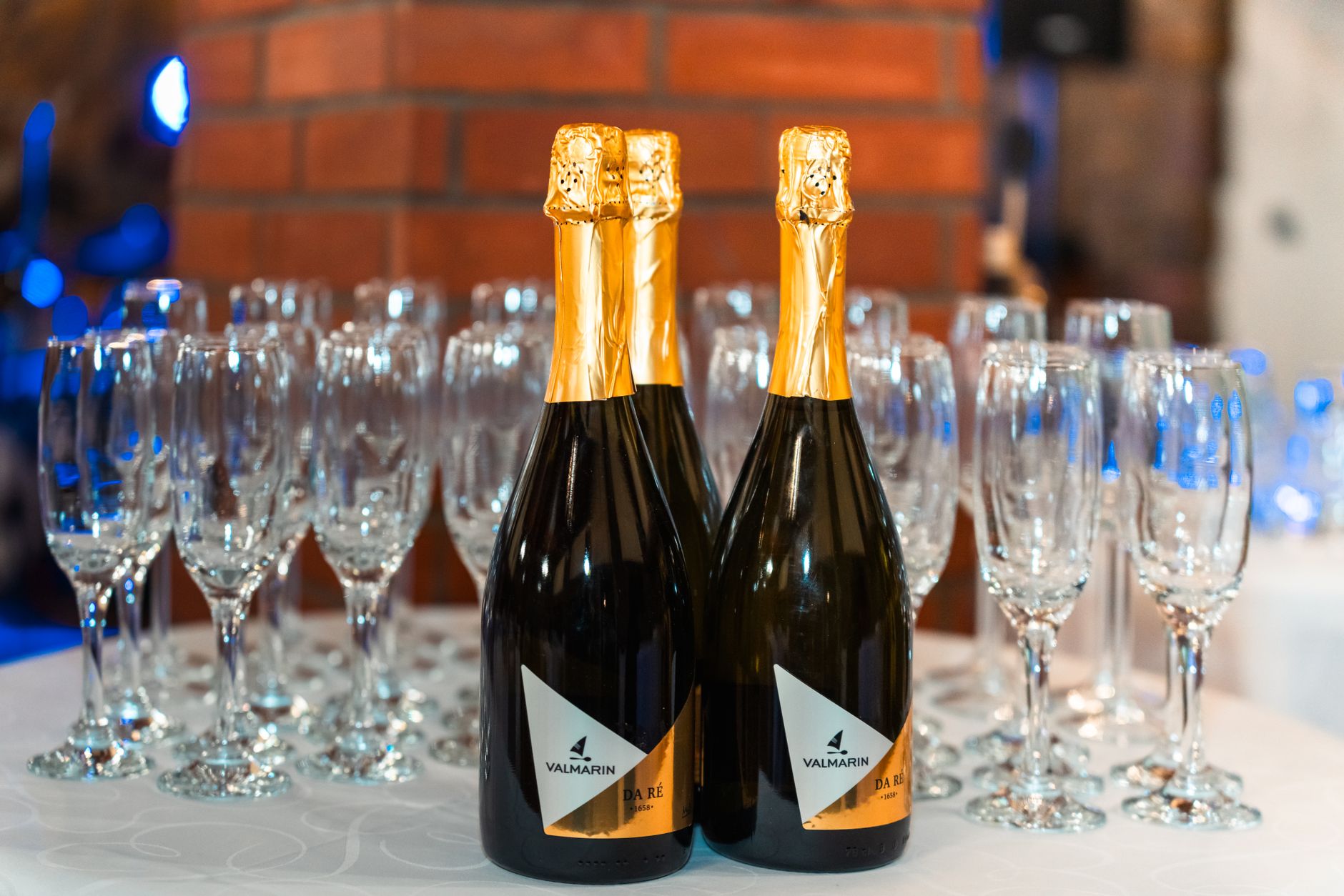
When celebrating a special occasion, champagne often shines as the drink of choice. It’s bubbly, festive, and enhances the mood in any gathering. High on the list of essential questions about champagne is how many glasses can be poured from a single bottle.
This article will explore the number of glasses you can expect from a standard bottle of champagne, along with some tips on serving, glassware, and types of champagne, ensuring you’re well-prepared for your next event.
How Many Glasses Are in a Bottle of Champagne?
A standard bottle of champagne holds 750 milliliters (ml) of liquid. This amount typically yields approximately six glasses of champagne when poured into standard champagne flutes, which hold about 125 ml each. However, the exact number of glasses can vary based on the glass size and how full you choose to pour them.
Understanding Champagne Sizes
To appreciate how many servings come from a bottle, it’s critical to understand the different sizes of champagne bottles. Here are some common types:
- Standard Bottle: 750 ml – approximately 6 glasses.
- Magnum: 1.5 liters – approximately 12 glasses.
- Jeroboam: 3 liters – approximately 24 glasses.
- Rehoboam: 4.5 liters – approximately 30 glasses.
- Methuselah: 6 liters – approximately 48 glasses.
- Balthazar: 12 liters – approximately 80 glasses.
- Nebuchadnezzar: 15 liters – approximately 100 glasses.
Serving Champagne: Tips for Pours
When serving champagne, how you pour can affect the number of glasses you’ll get from a bottle. Here are some helpful tips for ensuring you get the most out of your champagne:
1. Choose the Right Glassware
The type of glass affects both the appearance of the champagne and its flavor profile:
- Flute: Long and narrow, ideal for preserving bubbles. Best for traditional champagne service.
- Coupe: Shallow and wide, this glass allows a greater surface area but tends to release bubbles faster, which may result in less fizz.
- Tasting Glass: Relatively small, used for sampling rather than serving. Ensures a greater concentration of aroma.
2. Pouring Technique
To minimize foaming and maximize the pour:
- Hold the bottle at a slight angle and gently pour into the glass.
- Aim for the side of the glass to reduce the initial fizz.
- Fill the glass about halfway to allow for some foaming.
Types of Champagne and Their Serving Suggestions
Understanding the different types of champagne can enhance your experience and improve your event planning.
1. Traditional Champagne
Made in the Champagne region of France, traditional champagne can vary widely in flavor:
- Brut: Dry with minimal sugar; pairs excellently with oysters or savory appetizers.
- Demi-Sec: Slightly sweeter than brut, great for desserts or richer foods like duck.
2. Non-Vintage Vs. Vintage
Champagne can be categorized into non-vintage (NV) and vintage:
- Non-Vintage: A blend of several years, typically fresher and fruitier.
- Vintage: Made from grapes harvested in a single year and often more expensive; expect complex flavors.
When Is Champagne Typically Served?
Knowing the right occasion to serve champagne can enhance the experience. Here are common events:
- Weddings: Often served during the reception or at toasts.
- Anniversaries: A classic choice for celebrating milestones.
- Holidays: New Year’s Eve and other festive occasions.
- Casual Gatherings: Perfect for brunch or summer outdoor events.
Pairing Champagne with Food
While champagne is delightful on its own, pairing it with the right food can elevate the dining experience. Here are some ideal pairings:
- Brut Champagne: Pairs well with seafood, fried chicken, and light cheeses.
- Demi-Sec Champagne: Complements desserts like tarts, cakes, and creamy cheeses.
- Rosé Champagne: A versatile option that pairs with grilled meats and light salads.
Storing and Serving Champagne
To enjoy champagne at its best, proper storage and serving techniques are essential.
1. Storing Champagne
Follow these guidelines for ideal champagne storage:
- Store in a cool, dark place, ideally between 45°F and 65°F (7°C to 18°C).
- Keep bottles horizontal to ensure the cork remains moist.
- Avoid temperature fluctuations, which can damage the wine.
2. Chilling Champagne
Before serving, ensure your champagne is properly chilled:
- Place in a refrigerator for at least three to four hours.
- For a quick chill, submerge in ice water for 20 to 30 minutes.
Common Mistakes When Serving Champagne
A few common pitfalls can detract from the champagne experience:
- Serving Too Warm: Champagne served above ideal temperatures can lose flavor and bubbles.
- Poor Glassware Choices: Using improper glasses can diminish the experience; always opt for appropriate champagne flutes.
- Pouring Too Quickly: Pouring too fast leads to excessive foam and wasted champagne.
Frequently Asked Questions
To clarify some common queries:
1. What happens if you open a bottle and don’t finish it?
You can recork and refrigerate an opened bottle for a short time, ideally no longer than three days, to maintain its fizz and flavor.
2. Can you freeze champagne?
Freezing champagne is not recommended as it can compromise the texture and flavor. If a bottle accidentally freezes, do not shake it when thawing, as that can release excess bubbles.
3. How long can you store champagne after opening?
Champagne should ideally be consumed within three days after opening. Special wine stoppers made for sparkling wines can help preserve the fizz longer.
Conclusion
When hosting an event or celebration, understanding how many glasses you can serve from a bottle of champagne is essential for planning and enjoyment. With a standard bottle yielding approximately six glasses, having the right type of glassware, ideal pouring techniques, and pairing options can elevate the experience for your guests.
For those hosting special occasions, remember to choose the right type of champagne for your food pairings, so everyone enjoys this elegant beverage to its fullest. Consider exploring more about wine pairings or effective storage techniques to enhance your celebrations.
If you’re interested in diving deeper into the subject, consider checking out related resources on wine pairings, gathering meal planning tips, or refreshing cocktail recipes that could complement your champagne experience.