
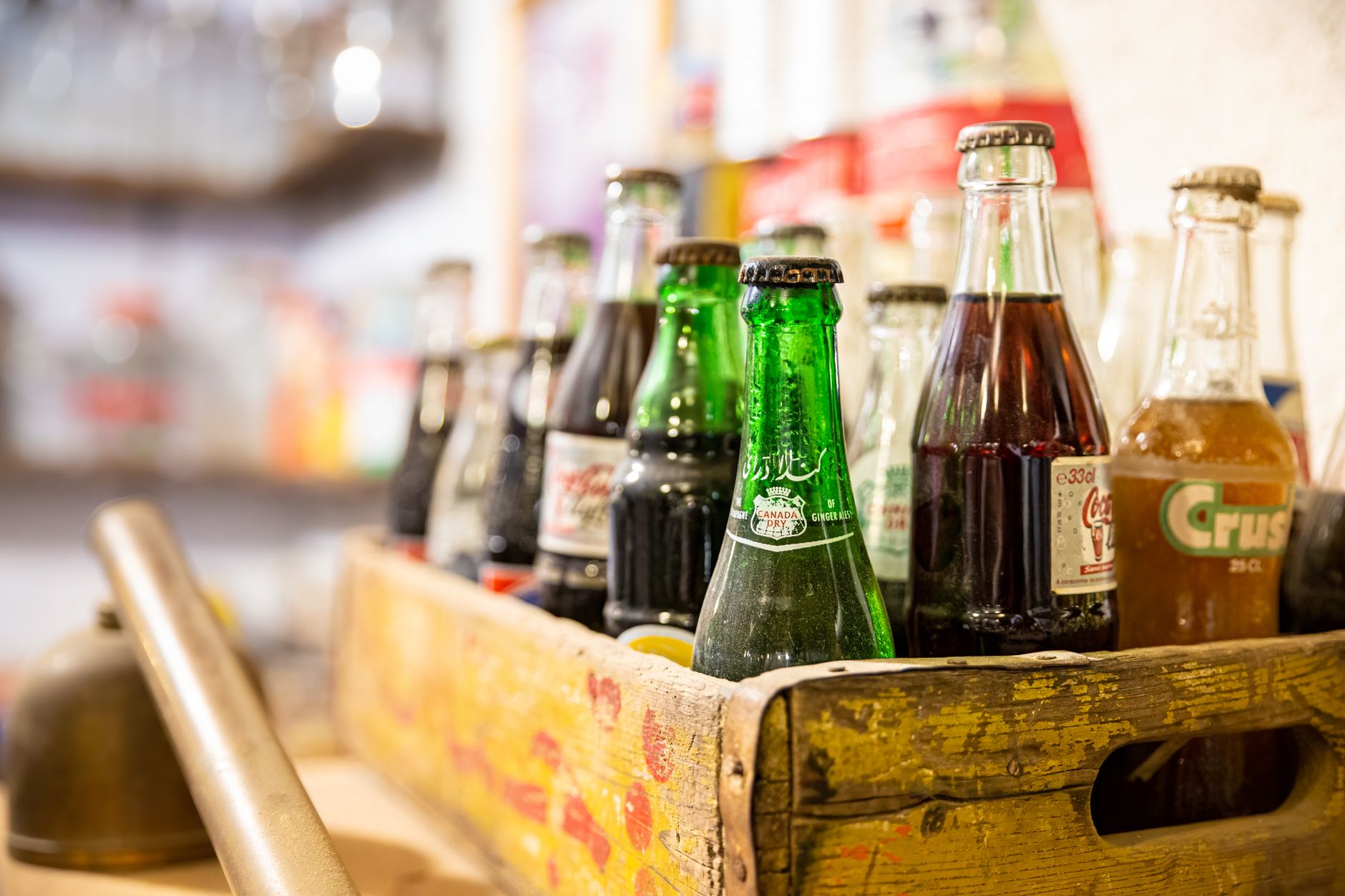
When it comes to beverages, soda holds a special place in many hearts around the globe. Its effervescence and sweetness make it an irresistible choice for countless consumers. But what exactly is the most popular soda in the world? This article will explore the factors that contribute to a soda’s popularity, the leading contenders, and why soda remains a staple in many cultures.
Soda, also known as soft drinks, has transformed from a simple syrup mixed with carbonated water into a multi-billion-dollar industry. Brands have developed a wide array of flavors and varieties, ranging from traditional colas to innovative fruit-infused options. Let’s dive deeper into the world of fizzy drinks to understand their popularity.
What Is The Most Popular Soda In The World?
The most popular soda in the world is Coca-Cola. Known for its unique flavor profile that combines sweetness with a hint of bitterness, Coca-Cola has become a cultural icon. Available in numerous variations, Coca-Cola holds a significant market share globally, appealing to a wide demographic of soda drinkers.
Factors Contributing to Popularity
Understanding why Coca-Cola dominates the soda market involves examining several key factors:
- Marketing and Branding: Coca-Cola’s iconic branding and extensive marketing campaigns, including holiday advertisements and sponsorships, have bolstered its image.
- Global Availability: Coca-Cola is available in virtually every country worldwide. Its accessibility makes it a convenient option for consumers.
- Product Diversification: The brand offers a variety of products, including Diet Coke, Coca-Cola Zero Sugar, and flavored versions, catering to different tastes and dietary preferences.
- Emotional Connection: Coca-Cola’s marketing strategies often focus on creating emotional connections, centering around happiness and sharing, which resonate with consumers.
Other Leading Soda Brands
While Coca-Cola reigns supreme, several other brands also compete for the top spot in various regions:
- Pepsi: Coca-Cola’s primary rival, Pepsi, offers a similar flavor profile but targets a slightly different demographic. It often features on-brand promotions and partnerships.
- Sprite: This lemon-lime soda is famous for its refreshing taste and is particularly popular in hot climates.
- Fanta: Known for its fruit flavors, Fanta appeals to younger consumers and those seeking a sweeter alternative.
- Dr Pepper: A regional favorite in the United States, Dr Pepper boasts a distinct blend of 23 flavors that appeals to many soda enthusiasts.
- Mountain Dew: A high-caffeine soda popular in North America, known for its citrus flavor, often marketed towards younger consumers and gamers.
The Cultural Impact of Soda
Soda is not just a beverage; it is a part of cultural identity in many regions. The shared experience of enjoying a fizzy drink can foster community, whether during family gatherings, celebrations, or simple social occasions. Soda brands create family-oriented marketing campaigns that emphasize the product’s role in memorable moments.
Regional Preferences
While Coca-Cola is globally dominant, regional preferences can influence the popularity of specific sodas:
North America
In North America, Coca-Cola and Pepsi compete fiercely. Other favorites include Dr Pepper and Mountain Dew, with numerous festivals and events centering on these brands. The unique blend of flavors and targeted marketing has contributed to their popularity.
Europe
In Europe, Fanta and Sprite have gained considerable traction in particular countries. In Spain, for instance, Fanta Orange is particularly beloved and often enjoyed in casual dining settings.
Asia
In Asia, preferences vary significantly from country to country. In Japan, unique flavors of Coca-Cola and Pepsi cater to local tastes, such as green tea and citrus variants. Additionally, brands like Ramune soda, famous for its unique bottle design, are popular particularly among younger consumers.
Latin America
Coca-Cola maintains its lead in Latin America, though regional brands, such as Guaraná Antarctica in Brazil, are also popular. Many countries in this region have a vibrant culture of soda consumption, often pairing it with traditional dishes.
Health Considerations
As soda consumption remains high globally, health advocacy groups have raised concerns over sugary drinks’ effects on diet and health. Campaigns promoting reduced sugar intake have emerged, calling for consumers to consider their beverage choices carefully. Here are some health considerations associated with soda consumption:
- High Sugar Content: Many sodas contain significant amounts of sugar, which can lead to obesity, diabetes, and other health issues.
- Artificial Sweeteners: Diet sodas often use artificial sweeteners, leading to debates about their long-term health impacts.
- Dental Health: High acidity and sugar levels can contribute to tooth decay and other dental issues.
Homemade Soda Recipes
If you’re looking for a healthier alternative to store-bought soda, consider making your own at home. The process can be fun and allows you to control the ingredients. Here are two simple recipes to try:
Homemade Root Beer
This recipe captures the classic flavor of root beer without the sugar and additives found in many commercial brands.
- Ingredients:
- 4 cups of water
- 1 cup of sugar (or a sugar substitute)
- 1 tablespoon of vanilla extract
- 2 teaspoons of sassafras extract
- 1 teaspoon of wintergreen extract
- 1/4 teaspoon of yeast
Instructions:
- In a large pot, bring water to a boil.
- Add sugar and stir until dissolved.
- Remove from heat and add the vanilla, sassafras, and wintergreen extracts.
- Allow the mixture to cool to room temperature.
- Add yeast and stir gently.
- Transfer to bottles, leaving some space at the top. Seal tightly.
- Let the bottles sit at room temperature for 2-3 days, then refrigerate.
- Enjoy chilled, and open carefully to avoid overfizzing!
Ginger Ale
This refreshing ginger ale is easy to make and adds a spicy twist to the traditional soda.
- Ingredients:
- 1 cup of fresh ginger, peeled and sliced
- 1 cup of sugar
- 1 tablespoon of lemon juice
- 4 cups of water
- 1/4 teaspoon of yeast
Instructions:
- In a saucepan, combine ginger, sugar, and water. Bring to a boil.
- Reduce heat to low and simmer for 30 minutes.
- Strain the mixture into a bowl and allow it to cool to room temperature.
- Add lemon juice and yeast, and stir gently.
- Transfer to bottles, seal, and let sit at room temperature for 2-3 days.
- Refrigerate, and enjoy this homemade ginger ale chilled.
Practical Tips for Soda Lovers
For those who enjoy soda, here are some practical tips to enhance your beverage experience:
- Chill Your Soda: Always serve your soda cold for optimal taste and refreshing quality.
- Use Quality Glassware: Serving soda in high-quality glassware can elevate your drinking experience.
- Pair with Food: Certain sodas complement different dishes. For instance, cola pairs well with barbecued meats, while ginger ale can enhance spicy Asian dishes.
Conclusion
Coca-Cola remains the most popular soda globally, shaping the beverage landscape through strong branding and varied offerings. Understanding the key factors behind soda consumption and experimenting with homemade versions can enhance your appreciation for this beloved drink. Whether sipped during special occasions or enjoyed daily, soda has earned its place in culinary culture worldwide. Try your hand at making homemade sodas or explore the wide field of available options at your local grocery store.
For those interested in exploring more soda-infused flavors, consider checking out this best homemade root beer recipe or learn how to craft your own ginger ale for a refreshing twist!