
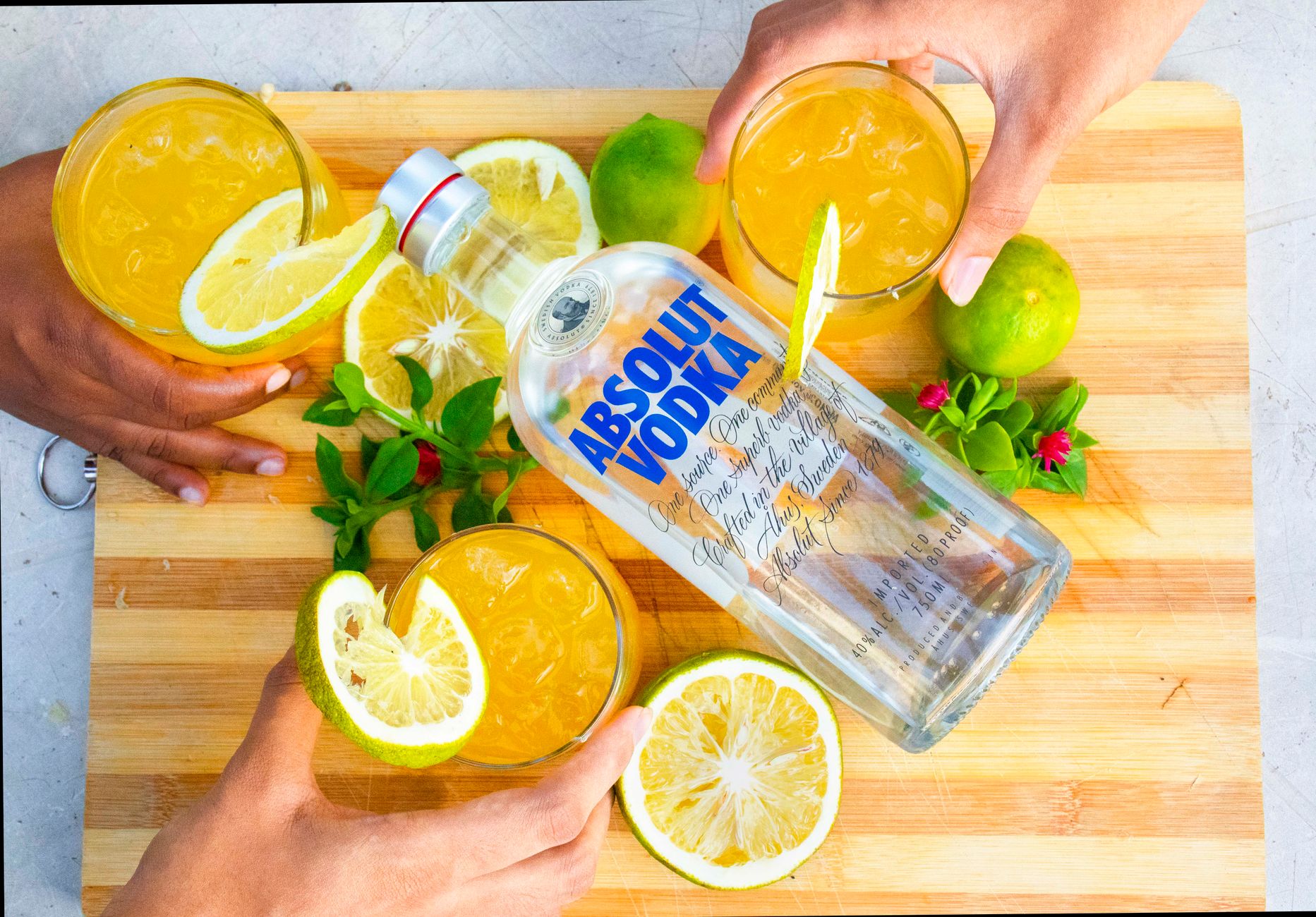
Vodka is a widely enjoyed spirit, renowned for its versatility and ability to mix well in various cocktails. As consumers become more health-conscious, understanding the caloric content of alcoholic drinks has gained importance. In this article, we will explore how many calories vodka contains and delve into its nutrition profile, making it easier for you to make informed choices.
This guide will help you navigate the calorie count of vodka, factors that may affect it, and how to enjoy your favorite cocktails without overindulging in calories. Let’s start by looking closely at the caloric content of vodka and the elements that define it.
How Many Calories Does Vodka Have?
Vodka typically contains about 97 calories per 1.5-ounce shot (44 ml) of 80-proof vodka. This calorie count can vary slightly based on the brand and distillation process, but generally, the variation isn’t significant. Since vodka is a distilled spirit, it lacks carbohydrates, sugars, and fats, making its caloric content primarily derived from alcohol itself.
The Nutrition Profile of Vodka
While vodka is low in calories compared to many other alcoholic beverages, it is essential to consider its nutritional profile.
- Calories: 97 calories per 1.5 oz (44 ml)
- Carbohydrates: 0 g
- Sugars: 0 g
- Fats: 0 g
- Proteins: 0 g
- Alcohol by Volume (ABV): Typically 40%
This profile indicates that vodka has no significant macronutrients—carbohydrates, sugars, fats, or proteins. It is a purely alcoholic beverage, meaning that its calories come directly from the ethanol content. While this makes vodka a low-calorie option compared to certain cocktails, it is still important to drink responsibly and be mindful of portion sizes.
Factors Affecting Caloric Content
Alcohol Proof
The proof of vodka is a measure of its alcohol content. Standard vodka is typically 80-proof, which means it contains 40% alcohol by volume (ABV). Higher-proof vodkas, which can range from 100 to 151 proof or more, will contain more calories due to the higher alcohol content. For example:
- A 100-proof vodka (50% ABV) can have approximately 123 calories per shot.
- A 151-proof vodka could have around 162 calories per shot.
If you’re looking to minimize caloric intake, opting for lower-proof vodkas will be a smarter choice.
Mixed Drinks and Cocktails
The caloric content can significantly increase when vodka is mixed with other ingredients. For instance:
- A vodka cranberry (Vodka and cranberry juice) can contain anywhere from 150 to 250 calories, depending on the amount of juice and any added sugars.
- A vodka tonic typically has around 200 calories, mainly due to the tonic water’s sugar content.
- Flavored vodkas may also contain sugars and additional calories, especially if they incorporate syrups or other mixers.
For a lower-calorie option, consider using soda water, which contains no calories, or choosing low-calorie mixers to keep your drinks light.
How to Enjoy Vodka in a Healthy Way
To savor vodka while still being mindful of calorie intake, consider the following tips:
- Choose neat or on the rocks: Enjoying vodka straight or with ice minimizes additional calorie intake from mixers.
- Limit sugary mixers: Instead of soda or juice, opt for low-calorie mixers like soda water or diet tonic.
- Portion control: Keep your servings to the standard one-and-a-half-ounce shot size to manage your calorie consumption effectively.
- Stay hydrated: Drink water between alcoholic beverages to help reduce calorie consumption and prevent dehydration.
Common Mistakes When Enjoying Vodka
Here are some frequent missteps people make regarding vodka consumption:
- Over-pouring: It can be easy to pour more than a standard shot, leading to unexpectedly high caloric intake.
- Ignoring mixers: Be cautious with high-calorie mixes or sugary flavored syrups, as they can contribute significantly to overall calories.
- Assuming all vodka is the same: Premium or flavored vodkas may have added sugars and ingredients, so check labels where possible.
Vodka and Dietary Concerns
If you are following a specific dietary plan, understanding vodka’s role in your regimen can be useful. Vodka is gluten-free, making it suitable for those with gluten sensitivities, although it is always recommended to check specific brands as some may use gluten-containing ingredients during the filtering process.
For individuals counting macros, vodka can fit into a low-carb or ketogenic diet since it contains no carbohydrates or sugars. However, moderation is still important, especially considering alcohol’s impact on metabolism.
Substitutions and Alternatives
If you are looking for alternatives to traditional vodka, you might consider:
- Flavored Vodkas: These can add a unique twist to cocktails but remember they may have added sugars and calories.
- Low-Calorie Liqueurs: Available in various flavors, ensure to check the labels for calorie content, as many are lower than typical spirits.
- Non-alcoholic Spirits: These are designed to mimic the flavor of vodka and other spirits without the calories associated with alcohol.
Conclusion
Understanding the calorie content of vodka is crucial for enjoying it responsibly while considering overall health. With approximately 97 calories per 1.5-ounce serving, vodka can fit into a variety of dietary plans if consumed in moderation. Keep in mind the impact of mixers, alcohol proof, and portion control to reduce calorie intake while savoring your drinks.
If you’re looking for delicious ways to enjoy vodka, consider making a simple vodka cocktail, such as a refreshing Vodka Cranberry or a vibrant Vodka Punch. These drinks can easily be modified to fit your calorie targets by adjusting mixers and portion sizes. Explore these recipes for unique flavor experiences: