
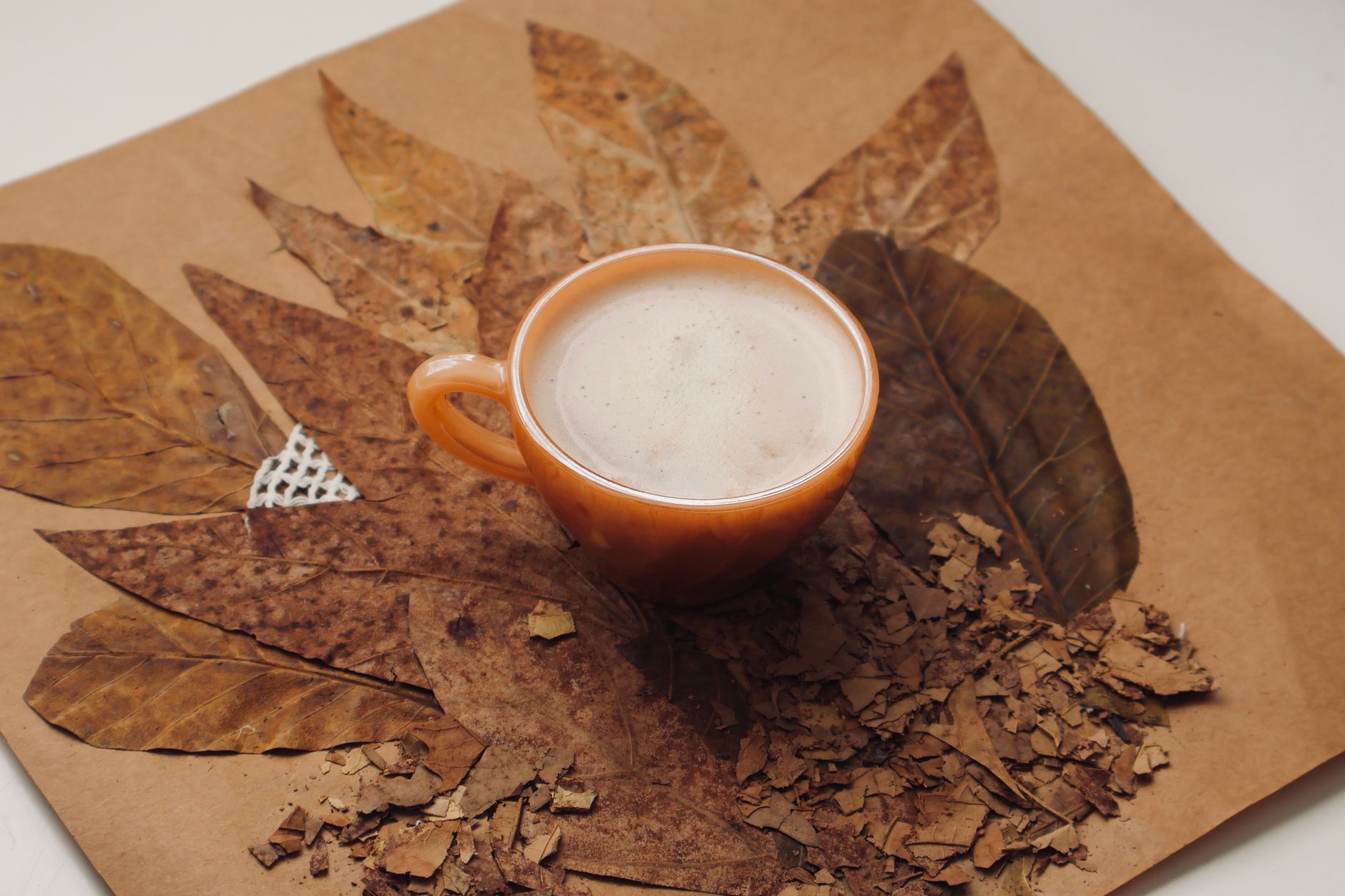
Decaffeinated coffee, often referred to as decaf, offers the rich flavor of traditional coffee without the stimulating effects of caffeine. For those who enjoy the habit of coffee drinking but wish to avoid the jitters, it serves as an excellent alternative. Understanding decaffeinated coffee involves examining its production, types, and brewing methods.
This guide will provide key facts about decaffeinated coffee, answers to common questions, effective brewing techniques, and tips for selecting the best decaf options.
What Is Decaffeinated Coffee?
Decaffeinated coffee is coffee from which most of the caffeine has been removed. Typically, at least 97% of the caffeine is eliminated during the decaffeination process, resulting in a beverage that offers a similar flavor to regular coffee but with far less caffeine, making it ideal for sensitive individuals or those looking to reduce caffeine intake.
How Is Decaffeinated Coffee Made?
The process of decaffeination involves several methods, all designed to extract caffeine while preserving the coffee’s flavor and aroma. Here are the primary methods:
- Solvent-Based Decaffeination: In this method, green coffee beans are steamed to open their pores and then soaked in a solvent—typically methylene chloride or ethyl acetate. The solvent binds to the caffeine, allowing it to be washed away.
- Water Processing: Known as the Swiss Water Process, this method involves soaking the beans in hot water to dissolve caffeine. The water is then passed through a charcoal filter that captures the caffeine molecules while allowing flavor compounds to remain. This method is chemical-free and is favored by health-conscious consumers.
- Carbon Dioxide Process: This method uses liquid carbon dioxide under high pressure to extract caffeine from the coffee beans. This process is efficient and helps retain the flavor and aroma compounds.
- Direct Method: Similar to the solvent-based method, the beans are directly treated with solvents while soaking, and the caffeine is subsequently removed from the beans.
Types of Decaffeinated Coffee
When it comes to decaffeinated coffee, not all options are created equal. There are various types of decaf available, each with unique characteristics:
- Whole Bean Decaf: This type allows you to grind the beans just before brewing, ensuring maximum freshness and flavor.
- Ground Decaf: Convenient and ready to use, ground decaf is ideal for those who prioritize ease over freshness.
- Instant Decaf: This option comes in granulated form, dissolving quickly in hot water. It’s perfect for quick fixes.
- Flavored Decaf: Infused with various flavors, this type combines the rich taste of decaf coffee with fruity, nutty, or chocolaty notes, enhancing the overall drinking experience.
Flavor Profile of Decaffeinated Coffee
Decaffeinated coffee can have a variety of flavor profiles, often depending on the origin of the beans and the decaffeination method used. Here are some aspects to consider:
- Aroma: Decaf coffee can maintain the aroma of regular coffee, though some individuals may find it slightly less intense.
- Acidity: The acidity level in decaf varies among different types and brands, with some holding onto their brightness better than others.
- Flavor Complexity: While decaf may lack some of the complexity of regular coffee, many high-quality decaf options can deliver a rounded, satisfying cup.
Brewing Decaffeinated Coffee
Brewing decaffeinated coffee can mirror techniques used for regular coffee. However, there are some nuances to keep in mind for optimal results:
Brewing Methods
Several brewing methods can be effectively utilized with decaffeinated coffee:
- Drip Coffee Makers: Use standard settings, ensuring to use a finer grind for a more robust flavor.
- French Press: This method allows for maximum extraction. Use coarsely ground decaf and steep for four minutes for a full-bodied cup.
- Pour-Over: Offering more control over extraction, pour-over methods can highlight the flavors of decaf. Use a medium grind and pour hot water over the coffee slowly.
- Cold Brew: When making cold brew with decaf coffee, use a coarser grind and steep in cold water for 12 to 24 hours to create a smooth, less acidic drink.
Brewing Equipment
To brew decaffeinated coffee effectively, the following equipment is recommended:
- Coffee grinder (burr grinder preferred for uniformity)
- Coffee maker (drip or pour-over)
- French press
- Cold brew maker or jar
- Measuring scoop for coffee
- Scale for precise measurement (optional)
Tips for Brewing the Best Decaf
- Try Different Brands: Some brands offer richer flavors while others might taste flat. Experiment with various options to identify your preference.
- Adjust Ratios: The standard brewing ratio is typically 1 to 2 tablespoons of coffee per 6 ounces of water. Adjust according to taste.
- Use Fresh Beans: The freshness of the decaffeinated coffee beans dramatically impacts the flavor. Store them in an airtight container in a cool, dark place.
- Mind the Temperature: Brew decaf coffee with water at the right temperature (195°F to 205°F) for optimal extraction and flavor.
- Experiment with Brew Times: Different brewing methods require different steeping or brewing times. Monitor these to find your preferred strength.
Common Questions About Decaffeinated Coffee
Is decaffeinated coffee completely caffeine-free?
No, decaffeinated coffee is not completely devoid of caffeine. Most decaf options contain about 3% to 7% of the original caffeine content, meaning a cup of decaf still contains about 2 to 5 mg of caffeine compared to 95 mg in a regular cup of coffee.
Does decaffeinated coffee taste the same as regular coffee?
While many decaffeinated coffees can taste remarkably similar, some people may notice a difference. Factors such as the bean type, roasting process, and brewing method can all affect the flavor profile.
What health benefits are associated with decaffeinated coffee?
Decaf coffee still contains many of the antioxidants found in regular coffee, promoting heart health and potentially lowering the risk of certain diseases. However, more research is needed to fully understand its benefits compared to regular coffee.
Can I drink decaf coffee if I am sensitive to caffeine?
Generally, decaffeinated coffee is suitable for those sensitive to caffeine, but everyone’s reactions vary. It is advisable to monitor how your body responds and consult a healthcare provider if unsure.
Storage Tips for Decaffeinated Coffee
Storing decaffeinated coffee properly is crucial for maintaining flavor and freshness. Here are storage tips you should follow:
- Keep it Airtight: Use an airtight container to prevent exposure to air, which can lead to staleness.
- Store in a Cool, Dark Place: Light and heat can degrade coffee quality. A dark cabinet or pantry is ideal.
- Avoid Freezing: While some people freeze coffee to extend its freshness, it can alter the flavor and lead to moisture issues when thawed.
- Use Within Two Weeks: For optimal flavor, try to consume decaf coffee within two weeks of opening. The fresher, the better!
Common Mistakes to Avoid
As with any coffee brewing, certain pitfalls can diminish your decaffeinated coffee experience:
- Not Measuring: Using too little or too much coffee can result in a weak or overly strong cup. Measuring coffee is key for consistency.
- Using Old Beans: Old or stale beans can lead to a lackluster flavor. Always check the roast date and freshness.
- Incorrect Grind Size: The grind size must match the brewing method. Using the wrong size can affect extraction, resulting in bitter or sour flavors.
- Over-Brewing: Allowing coffee to brew too long can lead to bitterness, while under-brewing may leave it too weak.
When to Enjoy Decaffeinated Coffee
Decaffeinated coffee provides versatility, making it enjoyable at different times of the day:
- Morning Routine: A great option for those who want the taste of coffee without the jitters.
- Afternoon Pick-Me-Up: Enjoy a cup after lunch without worrying about staying awake at night.
- After Dinner: Perfect as a dessert beverage when digestion sensitivity is a concern.
Finding the Right Decaffeinated Coffee
With so many decaffeinated coffee options available, selecting the right one can feel overwhelming. Consider the following recommendations:
- Check the Roast Date: Freshness is critical. Always look for the roast date and avoid older packages.
- Read Reviews: Other consumers’ experiences can provide valuable insights into flavor and quality.
- Experiment with Varieties: Try different origins and brands to discover your preferred taste profile.
- Look for Specialty Brands: Many small-batch roasters focus on high-quality decaf, offering distinct and flavorful blends.
Summary
Decaffeinated coffee provides a satisfying alternative for those looking to reduce their caffeine intake while still relishing the aroma and taste of coffee. With various decaffeination methods, brewing techniques, and types available, everyone can find a decaf that meets their liking. Understanding how to brew, store, and enjoy decaf responsibly can enhance your coffee-drinking experience.
For further exploration, consider trying your hand at homemade cold brew with decaf using this cold brew coffee concentrate recipe. If you’re interested in more creative coffee drinks, such as a coffee Negroni, check out this coffee Negroni recipe for a refreshing twist.