
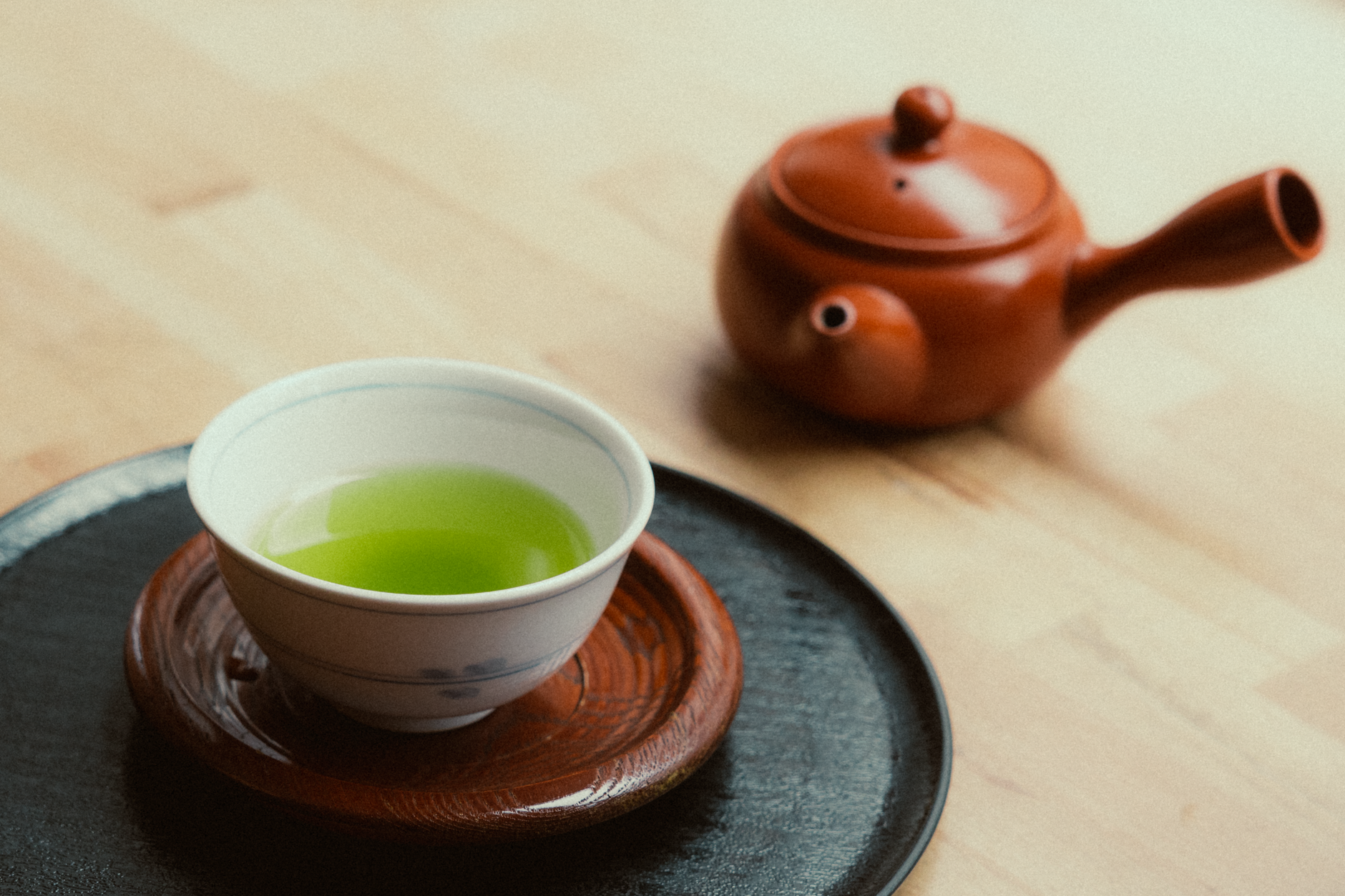
Green tea, revered for its myriad health benefits, has gained popularity not just as a refreshing beverage, but also as a natural remedy for various ailments — including nausea. This article delves into the effectiveness of green tea for alleviating nausea, explores its active compounds, and offers tips on usage. Understanding the relationship between green tea and nausea can help you navigate your options when you feel unwell.
Nausea can arise from different causes such as motion sickness, food poisoning, or stress, and finding a natural remedy can be a welcome relief. But what is it about green tea that might make it beneficial for this uncomfortable symptom? Let’s investigate the science and culinary insights surrounding this ancient beverage.
Is Green Tea Good For Nausea?
Yes, green tea can be good for nausea due to its antioxidant properties and unique compounds such as catechins and L-theanine. These components may help soothe the stomach and reduce the feelings of queasiness. However, individual experiences may vary, and it’s essential to consider personal tolerance levels.
Understanding the Benefits of Green Tea
Green tea offers more than just a comforting flavor. It is packed with antioxidants, primarily polyphenols, which are known to support overall health. Here are some specific benefits that relate to easing nausea:
- Catechins: The catechins in green tea, particularly epigallocatechin gallate (EGCG), are known for their anti-inflammatory and antioxidant effects. These compounds can help regulate digestion and ease gastrointestinal discomfort.
- L-theanine: L-theanine is an amino acid that promotes relaxation without sedation. It might reduce anxiety-related nausea by calming the nervous system.
- Hydration: Staying hydrated is crucial when feeling nauseous. Green tea, being primarily water, contributes to hydration while providing additional health benefits.
Possible Mechanisms Behind Green Tea’s Effect on Nausea
Understanding how green tea might combat nausea can provide insight into its use as a remedy. Here are a few mechanisms theorized to play a role:
- Digestive Aid: The compounds in green tea can enhance digestion and may stimulate gastric movement, which can help alleviate feelings of nausea.
- Reduction of Inflammation: Anti-inflammatory properties may help soothe the digestive tract and reduce discomfort associated with nausea.
- Hormonal Balance: Green tea might help regulate hormones that influence nausea and digestion, thus providing relief.
How to Incorporate Green Tea for Nausea Relief
Incorporating green tea into your routine, especially when dealing with nausea, can be both beneficial and enjoyable. Here are some methods to consider:
1. Drinking Green Tea
Simple and effective, brewing a cup of green tea is one of the easiest ways to potentially alleviate nausea. Use quality loose-leaf tea or tea bags, and follow these steps:
- Boil water to about 175°F (80°C). Avoid boiling water as it can burn the leaves.
- Add about one teaspoon of loose leaf green tea or one tea bag to a cup.
- Pour the hot water over the tea and steep for 2-3 minutes.
- Remove the tea leaves or bag, and sip slowly. Add honey or lemon if desired, but start with plain tea to assess tolerance.
2. Cold Green Tea
If hot beverages are unappealing, cold green tea can be refreshing and is equally beneficial. Follow similar brewing instructions, allowing the tea to cool before refrigerating:
- Brew as directed above, then let the tea come to room temperature.
- Transfer to the refrigerator and chill for at least 30 minutes.
- Serve over ice and add fresh mint or fruit for added flavor.
3. Green Tea Smoothie
Combining green tea with other soothing ingredients can make a nutritious smoothie ideal for nausea. Here’s a simple recipe:
- Ingredients:
- 1 cup brewed green tea, cooled
- 1 banana
- ½ cup spinach
- 1 tablespoon honey (optional)
- Ice cubes (to taste)
- Blend all ingredients until smooth. Adjust sweetness if necessary.
- Serve immediately for a refreshing and soothing drink.
4. Herbal Blends with Green Tea
Mixing green tea with other herbal teas known for their anti-nausea properties can enhance its effectiveness. Consider adding:
- Peppermint tea: Known for its soothing properties.
- Ginger tea: Widely recognized for alleviating nausea and digestive issues.
- Chamomile tea: Helps with relaxation and soothing an upset stomach.
Potential Side Effects and Considerations
While green tea is generally safe for most individuals, there are a few considerations to keep in mind:
- Caffeine Sensitivity: Green tea contains caffeine, which might exacerbate nausea or lead to jitters in sensitive individuals. Opt for decaffeinated green tea if necessary.
- Gastric Issues: In some cases, too much green tea can irritate the stomach lining, especially on an empty stomach. If you experience increased nausea, reduce your intake.
- Interaction with Medications: If you are taking medication, consult with a healthcare professional to ensure green tea does not interfere with your treatment.
Alternative Remedies for Nausea
While green tea can be an ally in battling nausea, other remedies may also provide relief. Here are some alternatives:
- Peppermint: Consuming peppermint tea or sucking on peppermint candies can help soothe the stomach and reduce nausea.
- Ginger: Ginger is another popular remedy; ginger tea or ginger candies can be effective.
- Apple Cider Vinegar: Mixing a tablespoon with water might help some individuals alleviate nausea.
When to Seek Medical Attention
If nausea persists despite home remedies or if it accompanies severe symptoms, it’s imperative to seek medical attention. Potential signs warranting a visit to a healthcare provider include:
- Severe abdominal pain.
- Repeated vomiting or inability to keep liquids down.
- Signs of dehydration (dry mouth, dizziness).
- Persistent nausea lasting more than a few days.
Tips for Preventing Nausea
While green tea can provide relief when nausea occurs, prevention is also key. Here are some practical tips:
- Eat Small Meals: Consuming smaller, more frequent meals can help reduce the likelihood of nausea.
- Stay Hydrated: Drinking enough water throughout the day is essential.
- Avoid Trigger Foods: Identify and avoid foods that traditionally trigger your nausea.
- Limit Alcohol and Caffeine: Both substances can exacerbate nausea, so moderation is vital.
- Practice Stress Management: Stress can induce nausea; activities like yoga or meditation may help.
Conclusion
Green tea can be a soothing beverage to consider for alleviating nausea, thanks to its beneficial compounds and hydration properties. While responses can vary, sipping green tea might help settle the stomach, especially when combined with other soothing ingredients like ginger or peppermint. Pay attention to how your body reacts, and consult with a healthcare professional if you have ongoing concerns. Incorporating green tea into your routine as a preventive measure may also contribute positively to your overall health.
For more insights on calming teas, explore our guide on peppermint tea recipes and discover a delightful lymphatic drainage tea recipe. Enjoy your journey towards a more balanced tummy!