
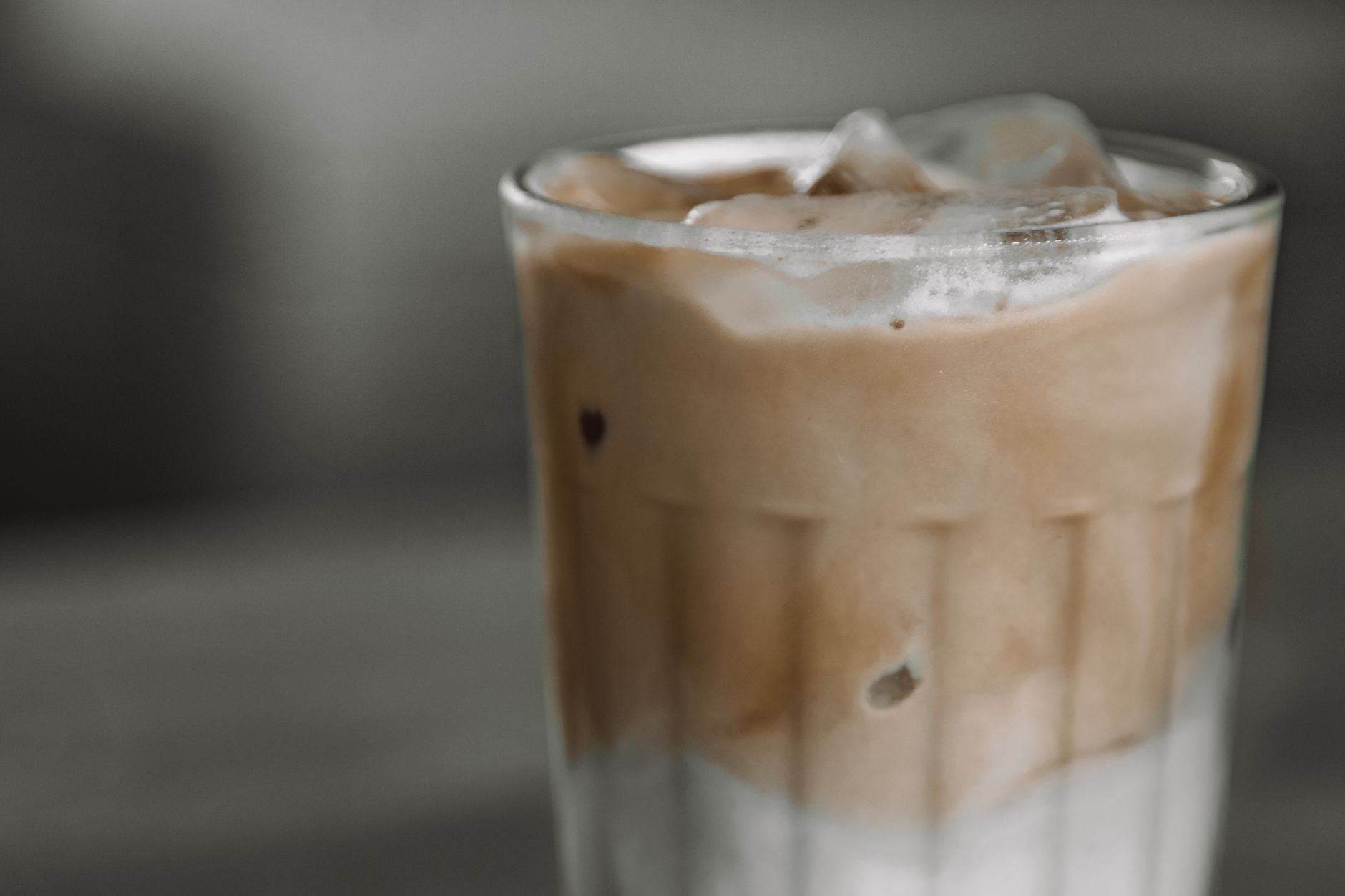
Caffeine enthusiasts often debate which coffee style delivers the most punch: cold brew or espresso. Both are popular choices, yet they boast significantly different brewing methods, flavors, and caffeine content. Understanding how each one is made and how they stack up against each other in terms of caffeine can help you make an informed choice for your next coffee fix.
This article will delve into the intricacies of cold brew and espresso, comparing their caffeine levels and other characteristics. By the end, you will have a clearer view of which beverage potentially provides more caffeine to fuel your day.
What Has More Caffeine Cold Brew Or Espresso?
Generally speaking, cold brew coffee tends to have a higher caffeine concentration compared to espresso when comparing an equal volume. However, espresso packs more caffeine into a smaller serving size. A typical ounce of espresso contains more caffeine than an ounce of cold brew, but usually, you consume a larger overall amount of cold brew. This leaves some coffee drinkers puzzled about which option is superior for a caffeine kick.
Understanding Cold Brew Coffee
Cold brew coffee is a trendy method that involves steeping coarsely ground coffee beans in cold or room temperature water for an extended period, typically 12 to 24 hours. This process results in a smooth and less acidic beverage that attracts many coffee lovers. Let’s explore the specifics of cold brew coffee:
Brewing Method
- Start by selecting high-quality coarsely ground coffee beans.
- Combine coffee and water at a ratio of about 1:4 for a strong concentrate (adjust according to taste).
- Let the mixture steep in a sealed container for 12 to 24 hours.
- Strain the coffee mixture through a fine-mesh sieve or coffee filter to remove solid particles.
- Serve alone or mixed with milk, cream, or sweeteners as desired.
Caffeine Content
A typical cold brew made from 1 ounce (30 ml) of concentrate can contain between 100-200 mg of caffeine, depending on the coffee bean and steeping time. However, when diluted with water or milk for drinking, the caffeine concentration will decrease.
Flavors and Aromas
Cold brew coffee tends to be less acidic with a smooth, sweet flavor profile. Its low acidity is easier on the stomach, making it a popular choice for those sensitive to traditional hot brews.
Understanding Espresso
Espresso is a concentrated form of coffee brewed by forcing hot water through finely-ground coffee. This method produces a thick, rich coffee with a bold flavor, topped with a layer of crema, a frothy layer made up of emulsified oils and gases. Here’s a closer look at espresso:
Brewing Method
- Begin with finely-ground coffee beans, measuring about 18-20 grams for a double shot.
- Pack the coffee grounds tightly into a portafilter and lock it into the espresso machine.
- Start the brewing process and aim for about 25-30 seconds for extraction.
- Serve immediately in a small cup, topping with milk for lattes or cappuccinos as desired.
Caffeine Content
A typical single shot of espresso (about 1 ounce or 30 ml) contains approximately 63 mg of caffeine, while a double shot contains around 125 mg. When comparing these amounts to a typical serving of cold brew, a single shot might seem tame, but remember that espresso is often served in smaller portions.
Flavors and Aromas
Espresso exhibits a strong, bold flavor and a creamy texture, making it a favorite for many coffee drinkers. The process of brewing at high pressure results in a rich and full-bodied experience that is robust and intense.
Comparative Caffeine Content
Measuring Caffeine by Volume
When looking purely at caffeine per ounce, espresso is undeniably stronger. A shot of espresso has approximately 63 mg of caffeine per ounce while cold brew can vary widely, but let’s assume an average of 150 mg per 8 ounces for cold brew coffee. This means:
| Beverage | Caffeine per Ounce |
|---|---|
| Espresso | 63 mg/oz |
| Cold Brew | 19 mg/oz (average 150 mg for 8 oz) |
Caffeine Intake and Consumption
Most coffee drinkers consume multiple ounces of cold brew because of its appealing flavor and less harshness compared to espresso. It’s common to have a 12-16 ounce serving of cold brew, often resulting in a higher overall caffeine intake than a single shot of espresso, which is typically served at just 1-2 ounces. Each coffee style fits different drinking occasions and preferences.
Factors That Influence Caffeine Content
Several elements can affect caffeine levels in both cold brew and espresso:
- Coffee Bean Type: Arabica beans contain less caffeine than Robusta beans, impacting the overall caffeine content.
- Roast Level: Light roasts tend to contain slightly more caffeine than dark roasts.
- Brewing Time: Longer steeping times for cold brew can result in higher caffeine extraction.
- Grind Size: Finer coffee grounds used in espresso extraction yield higher caffeine levels.
Choosing Between Cold Brew and Espresso
When to Choose Cold Brew
If you prefer a smooth, slightly sweet taste and seek a more refreshing beverage, cold brew is an excellent choice. Additionally, being less acidic makes it gentler on the stomach, perfect for hot summer days or when you want a larger serving.
When to Choose Espresso
Espresso is ideal for those who enjoy a robust, full-bodied flavor and a quick caffeine boost. It works exceptionally well as the base for various coffee drinks like lattes, cappuccinos, and macchiatos. If you’re looking for a concentrated experience, espresso is the way to go.
Practical Tips for Enjoying Cold Brew and Espresso
- Cold Brew Tips: Experiment with steeping times and coffee bean varieties to dial in your preferred flavor profile. Consider making your cold brew in batches to have it ready whenever you need a caffeine boost.
- Espresso Tips: Invest in a good-quality espresso machine or stovetop Moka pot for consistent results. Also, a burr grinder is advisable for the precise grind needed for espresso.
Storage and Preparation Recommendations
Storing Cold Brew
Store your cold brew coffee concentrate in the refrigerator for up to two weeks. Always dilute it before consuming to achieve your desired strength.
Storing Espresso
Espresso is best enjoyed immediately after brewing. However, any leftover espresso can be refrigerated and reheated, although flavor quality may diminish.
Conclusion
In summary, both cold brew and espresso have their unique appeal and characteristics when it comes to caffeine content. Cold brew typically allows for larger volume consumption, thus leading to higher overall caffeine intake. In contrast, espresso provides a significant caffeine punch in a concentrated serving. Ultimately, the choice between the two may come down to individual preferences in flavor and consumption style. Try both to determine which energizes you best!
Explore related recipes and techniques, like our cold brew coffee concentrate recipe or discover how to make an espresso frappuccino for an exciting twist on these classic beverages.