
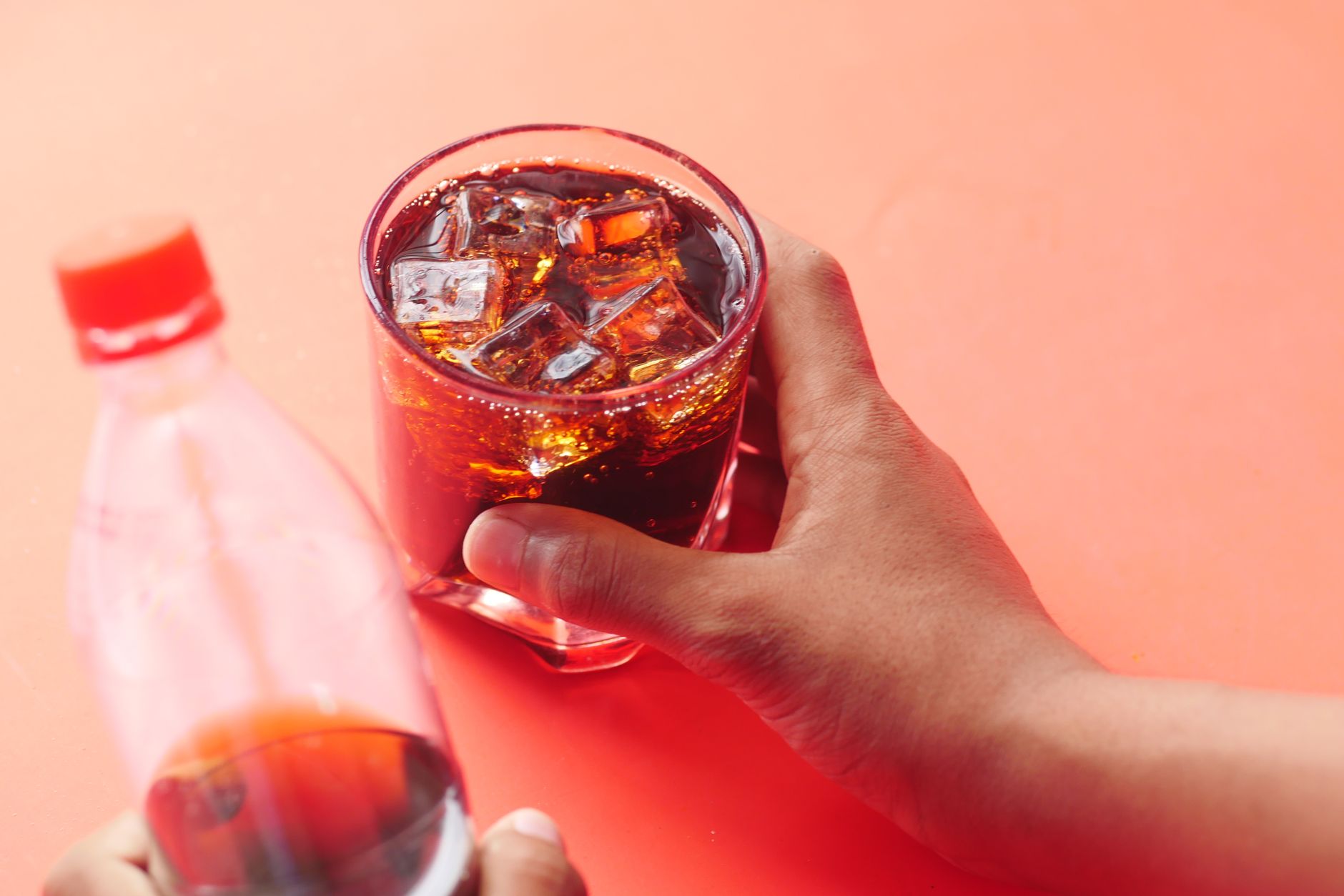
Prebiotic soda has emerged as a trendy beverage, touted for its potential health benefits, including improved digestion and gut health. However, many consumers are left wondering, can prebiotic soda cause diarrhea? Understanding how the ingredients in these drinks affect our digestive systems is crucial to making informed choices about their consumption.
This article will explore the relationship between prebiotic soda and gastrointestinal symptoms like diarrhea. We will dissect what prebiotic soda is, the ingredients that may be responsible for digestive issues, and who may be at risk for adverse effects. By the end, you’ll have a clearer idea of whether prebiotic soda is a good addition to your diet or if you should proceed with caution.
What is Prebiotic Soda?
Prebiotic soda is a carbonated drink designed to promote gut health. Unlike typical sodas, it contains prebiotics, which are non-digestible fibers that serve as food for beneficial gut bacteria. These drinks often include ingredients such as chicory root inulin, agave fiber, and other plant-based fibers that can help enhance the diversity and abundance of the gut microbiome.
Many brands of prebiotic soda aim to replace traditional sugary sodas by offering flavors without the added sugars and empty calories. They may claim to improve digestion, support immune function, and foster a healthier gut biome.
Can Prebiotic Soda Cause Diarrhea?
Yes, prebiotic soda can cause diarrhea in some individuals, especially when consumed in excessive amounts. The primary culprits for such effects are the prebiotic fibers present in these drinks. For many people, moderate intake is well-tolerated, but sensitivity levels can vary widely.
Understanding Prebiotic Ingredients
The key components of prebiotic soda are the fibers and additives used to promote gut health. Let’s explore some of the most common ingredients that can potentially lead to digestive upset.
1. Inulin
Inulin is one of the most commonly used prebiotic fibers. Sourced from plants like chicory root, it can be beneficial for gut health but may also cause bloating, gas, and diarrhea in susceptible individuals. For those not used to high fiber intake, introducing inulin abruptly can lead to gastrointestinal issues.
2. Agave Fiber
Agave fiber is another prebiotic widely used in sodas. It can have a mild laxative effect, particularly in larger amounts. Some individuals may find that they experience diarrhea or other digestive disturbances when consuming beverages with significant agave fiber content.
3. Oligofructose
Similar to inulin, oligofructose is a type of carbohydrate that can serve as a prebiotic. Like many fibers, it may be poorly absorbed in the gut, leading to increased water retention in the intestines, resulting in diarrhea or loose stools.
4. Other Ingredients
Some prebiotic sodas include additional ingredients like artificial sweeteners (e.g., erythritol, sorbitol) that, while low-calorie, can also lead to digestive issues. These ingredients can draw water into the intestines and cause diarrhea in sensitive individuals.
Who is at Risk for Diarrhea After Consuming Prebiotic Soda?
While prebiotic soda can be a great option for those seeking to improve gut health, it may not be suitable for everyone. Here are some groups who may be at an increased risk for digestive discomfort:
- Individuals with IBS: Those with irritable bowel syndrome (IBS) particularly need to tread carefully. Many prebiotics can exacerbate symptoms like diarrhea, cramping, and bloating.
- People with Low Fiber Tolerance: If your diet lacks fiber, introducing high-fiber drinks like prebiotic soda too quickly can overwhelm the digestive system.
- Consumers of Artificial Sweeteners: If you have a sensitivity to sugar alcohols present in some soda formulations, you might experience digestive issues like diarrhea.
Moderation is Key
Generally, moderation is critical when it comes to consuming prebiotic soda. If you’re new to prebiotics or have a sensitive digestive system, following these guidelines may help minimize gastrointestinal issues:
- Start Slow: If you’re trying prebiotic soda for the first time, start with a small serving and see how your body reacts.
- Hydration: Since additional fiber can lead to more significant gastrointestinal activity, staying hydrated is essential to help your body process the added fiber.
- Mix It Up: Consider alternating prebiotic soda with other beverages to allow your gut some respite from high-fiber intake.
Listening to Your Body
As with any food or beverage, personal tolerance will vary. It’s essential to listen to your body and pay attention to how prebiotic soda makes you feel. Here are some signs you might want to cut back:
- Frequent bloating or gas.
- Experiencing diarrhea after consumption.
- Persistent stomach cramps or discomfort.
Consult a Professional
If prebiotic sodas consistently cause gastrointestinal symptoms, it might be a good idea to consult a healthcare professional. They can help assess your diet, evaluate your digestive health, and determine if prebiotic sodas are appropriate for you.
Alternatives to Prebiotic Soda
If you find that prebiotic sodas are causing digestive discomfort, there are alternatives you might consider:
1. Plain Water
Staying hydrated is key to digestive health. Opting for plain water helps maintain normal digestive function without added stresses from sugars or fibers.
2. Herbal Teas
Caffeine-free herbal teas can be soothing to the digestive system and provide hydration without the risk of gastrointestinal upset.
3. Home-Made Probiotic Beverages
Consider making your own probiotic drinks at home. Options like kefir or fermented ginger beer can offer gut health benefits without the likelihood of upsetting your stomach.
How to Make Homemade Fermented Ginger Beer
If you’re interested in a fizzy yet healthful beverage, you might want to try making your own fermented ginger beer. It’s a simple process that allows you to control the ingredients, helping to minimize digestive discomfort.
Ingredients
- 2 cups fresh ginger, grated
- 1 cup sugar
- 1/4 cup lemon juice
- 1/4 tsp active dry yeast
- 1/4 tsp cream of tartar
- Water
Essential Equipment
- A large mixing bowl
- A glass jar with a lid
- A stirring utensil
- A funnel
Instructions
- In a large bowl, combine the grated ginger, sugar, and lemon juice.
- Add approximately 4 cups of warm water, stirring until the sugar dissolves.
- Add the active dry yeast and cream of tartar, then mix well.
- Cover the mixture with a towel and let it sit at room temperature for 1-2 days, stirring occasionally. The mixture should become fizzy.
- Once fermentation has begun, strain the mixture into a clean glass jar using a funnel, discarding the ginger pulp.
- Seal the jar and refrigerate. Enjoy chilled!
This homemade version may offer the gut health benefits of a prebiotic soda, minus the risk of dietary discomfort from unexplored ingredients.
Conclusion
Prebiotic soda has its perks, especially in promoting gut health with its fiber content. However, it’s essential to be mindful of how these drinks affect your digestive system. Knowing the potential for diarrhea and understanding personal tolerance can help you enjoy such beverages safely.
If prebiotic sodas cause discomfort, consider exploring alternatives like herbal teas or homemade beverages such as fermented ginger beer. Always listen to your body and consult a healthcare professional for personalized guidance.
For more ways to enjoy probiotic beverages, check out our recipes for kefir or fermented ginger beer. Dive deeper into promoting gut health with further exploration of these beneficial drinks!