
Imagine waking up to a tangy, probiotic-rich drink that you made yourself from just a few simple ingredients and some magical grains sitting on your kitchen counter. Kefir is one of those rare recipes that feels like a small miracle each time you make it, transforming milk into a creamy, slightly fizzy beverage packed with beneficial bacteria.
This recipe is special because it requires minimal hands-on work but teaches you fermentation from the ground up. Once you master kefir, you’ll have a daily probiotic source that costs pennies per serving and tastes infinitely better than store-bought versions.
Why You’ll Love This Recipe
Kefir stands out because it’s genuinely simple, remarkably affordable, and delivers real health benefits you can actually taste and feel. This recipe works for beginners and experienced fermenters alike.
- Packed with probiotics and beneficial bacteria that support gut health
- Costs a fraction of what you’d pay for commercial kefir once you have grains
- Requires just two ingredients and minimal daily effort
- Naturally carbonated and tangy with a creamy, drinkable consistency
- Endlessly customizable with flavors, fruits, and add-ins
My Experience Making This Recipe
I started my kefir journey skeptical that fermented milk could taste good, let alone become a daily habit. Within three days of my first batch, I was hooked on the slight tang and the smooth mouthfeel that’s nothing like yogurt.
The best part came when I served it to friends who expected it to taste medicinal and were shocked at how refreshing and creamy it actually is. My kefir grains have been thriving on my counter for over two years now, quietly turning milk into liquid gold while I sleep.
What surprised me most was how forgiving the process is—even when I’ve neglected my grains for a week or left them in warm conditions, they bounce back. That resilience makes kefir the perfect starter ferment for anyone curious about fermentation.
Recipe Overview
- Recipe Name: Homemade Kefir
- Servings: About 2-3 cups per batch
- Prep Time: 5 minutes
- Fermentation Time: 12-24 hours
- Total Time: 12-24 hours (mostly hands-off)
- Course: Beverage
- Cuisine: Eastern European, Traditional
- Calories per Serving: 100-120
Equipment You Will Need
- Glass jar (1 quart or larger)
- Plastic or wooden spoon (never use metal with active cultures)
- Fine mesh strainer or specialized kefir strainer
- Cheesecloth or coffee filter
- Paper towel or cloth to cover the jar
- Small bowl for catching strained liquid
- Thermometer (optional but helpful)
Ingredients for Homemade Kefir
- Milk (whole, 2%, or non-dairy alternative): 2-3 cups per batch
- Kefir grains: 1-2 tablespoons (live starter culture)
Ingredient Notes and Substitutions
- Milk: Whole milk ferments fastest and creates the creamiest kefir because of its fat content. If you prefer lower fat, 2% milk works fine but takes slightly longer to ferment.
- Kefir grains: These are living cultures that look like small cauliflower florets and contain dozens of beneficial bacteria and yeasts. You cannot replicate this with powder or liquid starter; you need actual grains from a trusted source or someone who cultivates them.
- Non-dairy milk: Coconut milk, oat milk, or goat milk can be fermented with kefir grains, though results vary slightly. Non-dairy options ferment slower and may need a bit of sugar added to keep grains healthy long-term.
How to Make Homemade Kefir
Step 1: Prepare Your Kefir Grains
If your grains have been stored or are new to you, rinse them gently under cool water using a fine mesh strainer. This removes any debris and revives them if they’ve been dormant, helping them ferment milk more effectively right from the start.
Step 2: Pour Milk Into Your Jar
Pour 2 to 3 cups of milk into your clean glass jar, leaving about an inch of space at the top for expansion. Room-temperature milk works, but milk around 68-78 degrees Fahrenheit ferments most reliably.
Step 3: Add Your Kefir Grains
Drop your kefir grains directly into the milk using a plastic or wooden spoon to stir them in gently. The grains will float or sink; either behavior is normal and doesn’t affect fermentation.
Step 4: Cover the Jar Loosely
Place a cloth, coffee filter, or paper towel over the jar opening and secure it loosely with a rubber band or jar ring. A loose cover allows gases from fermentation to escape while keeping dust and insects out, which is crucial for safe fermentation.
Step 5: Place in a Warm Location
Set your jar on a kitchen counter, shelf, or cupboard away from direct sunlight where the temperature stays between 65-78 degrees Fahrenheit. Warmer rooms ferment faster (sometimes in 12 hours), while cooler kitchens may take 18-24 hours; consistency matters more than speed.
Step 6: Monitor Fermentation for Signs of Readiness
After about 12 hours, check your kefir by tilting the jar slightly; it should smell tangy and feel thicker than plain milk. The milk may look slightly separated or have a grainy texture, which is exactly what you want and signals active fermentation.
Step 7: Strain Your Finished Kefir
Place your fine mesh strainer over a clean bowl and slowly pour the kefir through it, letting the liquid drip through while capturing the grains. The finished kefir should have a creamy, slightly lumpy texture and a pleasant sour smell; if it’s still thin or smells like plain milk, give it another 6-12 hours.
Step 8: Start Your Next Batch Immediately
Rinse your grains gently under cool water and add them to fresh milk right away in a clean jar. Starting a new batch immediately keeps your grains active and prevents them from becoming sluggish or developing mold.
Pro Tip: Room temperature matters more than you think; if your kitchen is cold, fermentation slows dramatically, so placing your jar in a slightly warm spot or using a heating pad on low helps maintain consistent 24-hour batches.
Tips for the Best Homemade Kefir
- Use whole or 2% milk rather than skim for the smoothest texture and fastest fermentation. Fat keeps your grains healthier long-term and creates that creamy mouthfeel everyone loves.
- Never use metal spoons or strainers with your kefir grains, as metal can react with the active cultures and slow fermentation. Plastic, wood, or specialized kefir strainers are your best friends.
- If your kefir tastes too mild or thin, extend fermentation by another 6 hours for a tangier, thicker product. Every kitchen ferments at a slightly different speed, so taste and adjust based on your preference.
- Keep extra grains as backup by storing them in fresh milk in the refrigerator; they’ll stay dormant for weeks and revive quickly when you’re ready to use them. This protects you if something goes wrong with your active batch.
- A second fermentation with fruit, honey, or juice creates additional fizziness and flavor if you want a more polished final product. Pour finished kefir into a clean jar with your chosen flavor, seal it loosely, and let it sit at room temperature for another 12-24 hours.
Common Mistakes to Avoid
- Using boiling water to clean equipment kills beneficial bacteria and can damage your grains; wash everything in hot water without scalding it.
- Fermenting in direct sunlight breaks down some nutrients and can overheat your grains, slowing fermentation or creating off-flavors.
- Neglecting your grains for more than a week or two without feeding them fresh milk causes them to weaken and may lead to mold or contamination.
- Straining too aggressively damages delicate grains and breaks them into smaller pieces, which reduces fermentation efficiency over time.
- Using ultra-pasteurized milk sometimes ferments more slowly because the heat treatment damages some of the proteins that grains interact with.
Serving Suggestions
Plain kefir is wonderful on its own, but a few simple additions transform it into a custom beverage or breakfast component. Drink it chilled straight from the jar, blend it into smoothies, or drizzle it over granola and fruit.
- Blend with frozen berries, honey, and a touch of vanilla for a probiotic smoothie
- Stir in a pinch of cinnamon and a drizzle of maple syrup for a cozy morning drink
- Layer with granola and fresh fruit for a yogurt-like breakfast bowl
- Mix with cucumber, lime, and mint for a refreshing probiotic water alternative
- Pour over baked goods or use as a buttermilk substitute in pancakes and biscuits
Variations to Try
- Flavored second fermentation: After straining, pour kefir into a jar with fresh or frozen fruit, seal loosely, and ferment 12-24 hours more for a fizzy, fruity drink with deeper tang.
- Coconut kefir: Replace dairy milk with coconut milk for a non-dairy version; fermentation takes longer (24-36 hours) but produces a creamy, tropical drink.
- Goat milk kefir: Goat milk creates a thinner, tangier kefir with a distinctive flavor that some find easier to digest than cow milk.
- Water kefir: If you want a dairy-free option, water kefir uses different grains and ferments in sugar water, creating a slightly sweet, fizzy beverage.
- Spiced kefir: Add cinnamon, nutmeg, or ginger during second fermentation for a warming, aromatic kefir perfect for fall and winter mornings.
Dietary Adaptations
- Gluten-free: Plain kefir is naturally gluten-free, but watch added ingredients if you sweeten or flavor it after fermentation.
- Dairy-free: Use coconut milk, oat milk, or goat milk instead of cow milk; fermentation may take longer, and grains need occasional feeding with dairy to stay fully healthy.
- Vegan: Coconut or oat milk kefir is fully vegan, though your grains may need periodic dairy milk to maintain strength if used long-term.
- Low-carb/Keto: Plain kefir is low in carbs (about 3-5g per cup), making it keto-friendly; avoid adding honey, juice, or sugary flavorings.
Storage and Reheating
Refrigerator
Pour finished kefir into glass bottles or jars and store in the coldest part of your refrigerator for up to two weeks. Cold storage slows fermentation, keeping your kefir consistent and safe.
- Store in airtight bottles if you want to preserve carbonation from second fermentation
- Glass bottles work better than plastic, which can absorb flavors and harbor bacteria over time
Freezer
Kefir freezes well for up to three months, though the texture becomes slightly grainy when thawed. Freeze in ice cube trays for single-serving portions perfect for smoothies.
- Thaw in the refrigerator overnight rather than at room temperature
- Frozen kefir works best blended into smoothies rather than drunk straight
Reheating
Heating kefir destroys beneficial bacteria, so avoid warming it intentionally. If you accidentally warm kefir, drink it cold or use it in baking where heat exposure is already planned.
- Use room-temperature kefir in cold smoothies and beverages
- Add to warm foods just before serving to minimize heat exposure
Nutrition Information
| Nutrient | Amount |
|---|---|
| Calories | 110 |
| Total Fat | 6g |
| Saturated Fat | 4g |
| Carbohydrates | 4g |
| Fiber | 0g |
| Sugar | 3g |
| Protein | 12g |
| Sodium | 150mg |
| Cholesterol | 25mg |
Nutrition values are approximate and based on 2% milk fermented for 24 hours; actual amounts vary slightly based on fermentation time, milk type, and grain activity. Fermentation reduces lactose content, making kefir easier to digest than plain milk.
Frequently Asked Questions
Can I use powder or liquid kefir starter instead of grains?
Powder and liquid starters can create a kefir-like drink but won’t develop the same probiotic complexity or self-sustaining culture as real grains. For true kefir with maximum health benefits, you need actual grain cultures.
How long does it take for kefir grains to become active if they’ve been dormant?
Dormant grains usually activate within two to four batches as they adjust to fresh milk and your room temperature. If grains don’t show fermentation signs after four batches, they may be dead; replace them with fresh culture.
What if my kefir separates or looks lumpy?
Separation is completely normal and shows fermentation is working; simply stir it back together before straining or drinking. Lumps are thickened milk proteins and are safe and delicious; strain them out if you prefer smooth kefir.
Can I ferment kefir in a warm place like above the oven or on a heating pad?
Heat speeds fermentation, but temperatures above 85 degrees Fahrenheit can stress grains or create off-flavors; aim for 68-78 degrees for best results. If using a heating pad, keep it on low and check that the jar stays at a reasonable temperature.
How do I know if my kefir has gone bad or if it’s just very sour?
Safe kefir smells pleasantly tangy and sour; bad kefir smells rotten, foul, or alcoholic in a concerning way. If you see pink or orange mold, discard everything and start fresh; if it just smells intensely sour, it’s safe but very fermented.
Final Thoughts
Making kefir at home connects you to an ancient fermentation tradition while delivering measurable health benefits every single day. Once your grains are thriving, this recipe becomes less of a project and more of a quiet daily ritual that fits seamlessly into any routine.
Start your first batch this week and join the growing community of people rediscovering this simple, powerful drink. Your gut will thank you, your wallet will thank you, and you’ll be amazed at how something so minimal can become so rewarding.
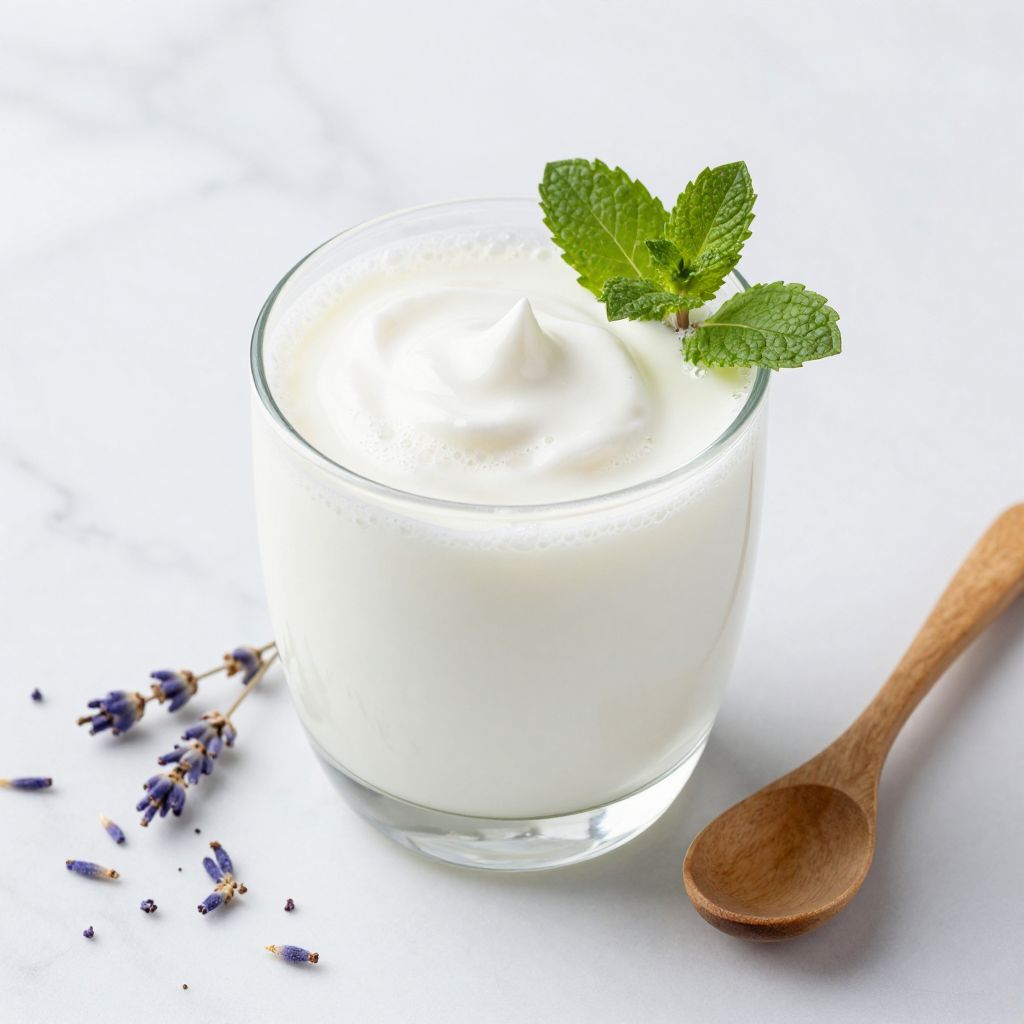
Homemade Kefir
Ingredients
Equipment
Method
- If your grains have been stored or are new to you, rinse them gently under cool water using a fine mesh strainer to remove any debris and revive them if they've been dormant.
- Pour 2 to 3 cups of milk into your clean glass jar, leaving about an inch of space at the top for expansion. Use milk around 68-78 degrees Fahrenheit for most reliable fermentation.
- Drop your kefir grains directly into the milk using a plastic or wooden spoon to stir them in gently. The grains will float or sink, both behaviors are normal.
- Place a cloth, coffee filter, or paper towel over the jar opening and secure it loosely with a rubber band or jar ring to allow gases to escape while keeping dust and insects out.
- Set your jar on a kitchen counter or shelf away from direct sunlight where the temperature stays between 65-78 degrees Fahrenheit. Let ferment for 12-24 hours depending on room temperature.
- After about 12 hours, check your kefir by tilting the jar slightly. It should smell tangy and feel thicker than plain milk with possible separation or grainy texture.
- Place your fine mesh strainer over a clean bowl and slowly pour the kefir through it, letting the liquid drip through while capturing the grains. The finished kefir should have a creamy, slightly lumpy texture and pleasant sour smell.
- Rinse your grains gently under cool water and add them to fresh milk right away in a clean jar to start your next batch immediately.