
Picture this: a cozy evening, a hint of sweetness in the air, and the delightful aroma of fermentation wafting from your kitchen. Making your own wine with Welch’s Grape Juice is not only a fun project, but it’s also surprisingly rewarding, yielding a rich and flavorful drink that can impress at any gathering. This recipe is special because it captures the essence of homemade goodness while being incredibly simple and accessible. With just a few ingredients and some patience, you can create a delicious wine that rivals the finest bottles.
Why You’ll Love This Recipe
This recipe is a delightful blend of nostalgia and creativity.
- Easy to follow with common ingredients.
- Perfect for beginners and seasoned winemakers alike.
- Rich, fruity flavor that will impress your guests.
- Cost-effective compared to store-bought wines.
- Fun to make and share with friends and family.
My Experience Making This Recipe
The first time I made wine with Welch’s Grape Juice, I was amazed at how straightforward the process was. The bubbling fermentation sounds and the sweet scent filled my kitchen, creating an atmosphere of excitement.
When I finally tasted the finished product, I felt a sense of accomplishment. It was a hit at my dinner party, and I loved sharing the story of how it all came together.
Recipe Overview
- Recipe Name: Welch’s Grape Juice Wine
- Servings: 8
- Prep Time: 15 minutes
- Cook Time: 2 weeks (fermentation)
- Total Time: 2 weeks 15 minutes
- Course: Beverage
- Cuisine: American
- Calories per Serving: 120
Equipment You Will Need
- 1-gallon glass jug (or fermentation vessel)
- Airlock and stopper
- Funnel
- Measuring cup
- Spoon for stirring
- Clean cloth or cheesecloth
Ingredients for Welch’s Grape Juice Wine
- 1 gallon of Welch’s Grape Juice (not from concentrate)
- 2 cups of granulated sugar
- 1 packet of wine yeast (such as Montrachet or Lalvin 1118)
- 1/4 teaspoon of potassium metabisulfite (optional, for sanitation)
- Water (if needed to adjust the volume)
Ingredient Notes and Substitutions
- Welch’s Grape Juice: This juice provides a rich flavor; other juices may alter the taste.
- Granulated Sugar: Sugar is essential for fermentation; brown sugar can be used for a deeper flavor.
- Wine Yeast: This specific yeast is best for wine; bread yeast is not recommended for quality.
- Potassium Metabisulfite: This helps kill wild yeast; if omitted, ensure everything is very clean.
How to Make Welch’s Grape Juice Wine
Step 1: Prepare the Equipment
Start by sanitizing all your equipment. Cleanliness is crucial to prevent unwanted bacteria from ruining your wine.
Step 2: Mix the Juice and Sugar
Pour the Welch’s Grape Juice into your sanitized jug. Add the granulated sugar and stir until it’s fully dissolved to create a sweet base for fermentation.
Step 3: Add Water (if necessary)
If your juice falls short of a gallon, top it off with water. This helps maintain the right balance and flavor.
Step 4: Introduce the Yeast
Sprinkle the wine yeast on top of the juice mixture. Do not stir; the yeast will activate and sink to the bottom as it ferments.
Step 5: Seal the Jug
Fit the airlock into the stopper and secure it onto the jug. This allows gases to escape while keeping contaminants out.
Step 6: Ferment
Store the jug in a dark, room-temperature place for about two weeks. You’ll notice bubbles in the airlock, indicating fermentation is taking place.
Step 7: Check the Fermentation
After two weeks, check if fermentation has slowed down significantly. This means the yeast has consumed most of the sugar, making it ready for the next step.
Step 8: Bottle the Wine
Carefully siphon the wine into clean bottles, leaving sediment behind in the jug. Seal the bottles with caps or corks for storage.
Pro Tip: Ensure everything is sanitized to avoid spoilage; cleanliness is your best friend here.
Tips for the Best Welch’s Grape Juice Wine
- Use fresh, high-quality Welch’s Grape Juice for the best flavor.
- Keep the fermentation area dark and at a stable temperature.
- Be patient; good wine takes time to develop its full flavor.
- Experiment with adding spices like cinnamon or cloves for unique flavors.
- Label your bottles with the date and type for easy reference.
Common Mistakes to Avoid
- Not sanitizing equipment: This can lead to off-flavors and spoilage.
- Using the wrong yeast: Bread yeast will not produce quality wine.
- Failing to monitor fermentation: Too long or too short can affect flavor.
- Not sealing the jug properly: This can allow oxygen in, spoiling your wine.
Serving Suggestions
Enjoy your homemade wine chilled or at room temperature. Pair it with a light cheese platter or a simple charcuterie board.
- Cheddar and crackers
- Fresh fruit like grapes and apples
- Roasted nuts
- Grilled chicken or pork
Variations to Try
- Add spices like cinnamon for a warm, spiced wine.
- Mix in other fruit juices for a unique blend.
- Try using different types of grape juice for varying flavors.
- Experiment with aging in barrels for a more complex taste.
Dietary Adaptations
- Gluten-free: This recipe is naturally gluten-free.
- Dairy-free: No dairy products involved.
- Vegan: All ingredients are plant-based.
- Low-carb/keto: Not suitable due to sugar content.
Storage and Reheating
Refrigerator
Store the wine in a cool, dark place or the refrigerator after bottling.
- Keep bottles upright to prevent cork damage.
- Consume within a year for best flavor.
Freezer
Avoid freezing wine as it can alter the texture and flavor.
- Store only in the refrigerator for best results.
Reheating
Wine is typically enjoyed cold or at room temperature; reheating is not recommended.
- Serve chilled or let it warm naturally.
Nutrition Information
| Nutrient | Amount |
|---|---|
| Calories | 120 |
| Total Fat | 0g |
| Saturated Fat | 0g |
| Carbohydrates | 30g |
| Fiber | 0g |
| Sugar | 28g |
| Protein | 0g |
| Sodium | 0mg |
| Cholesterol | 0mg |
This information is approximate and can vary based on specific ingredients used.
Frequently Asked Questions
Can I use other types of juice?
Yes, but the flavor will differ; stick with grape for traditional wine taste.
How long can I store the wine?
Homemade wine can be stored for up to a year for optimal flavor.
Can I make this ahead of time?
Absolutely! Just keep fermentation in mind; it takes about two weeks.
What if my wine doesn’t taste right?
Check for sanitation issues or improper fermentation; these are common culprits.
Is this recipe suitable for beginners?
Yes! It’s simple and forgiving, perfect for anyone looking to try winemaking.
Final Thoughts
Making Welch’s Grape Juice Wine is a fun, rewarding experience that brings a little bit of magic into your kitchen. I encourage you to give it a go and enjoy the fruits of your labor.
For more great ideas, check out other homemade options like this homemade wine recipe or explore a unique flavor with muscadine wine recipe.
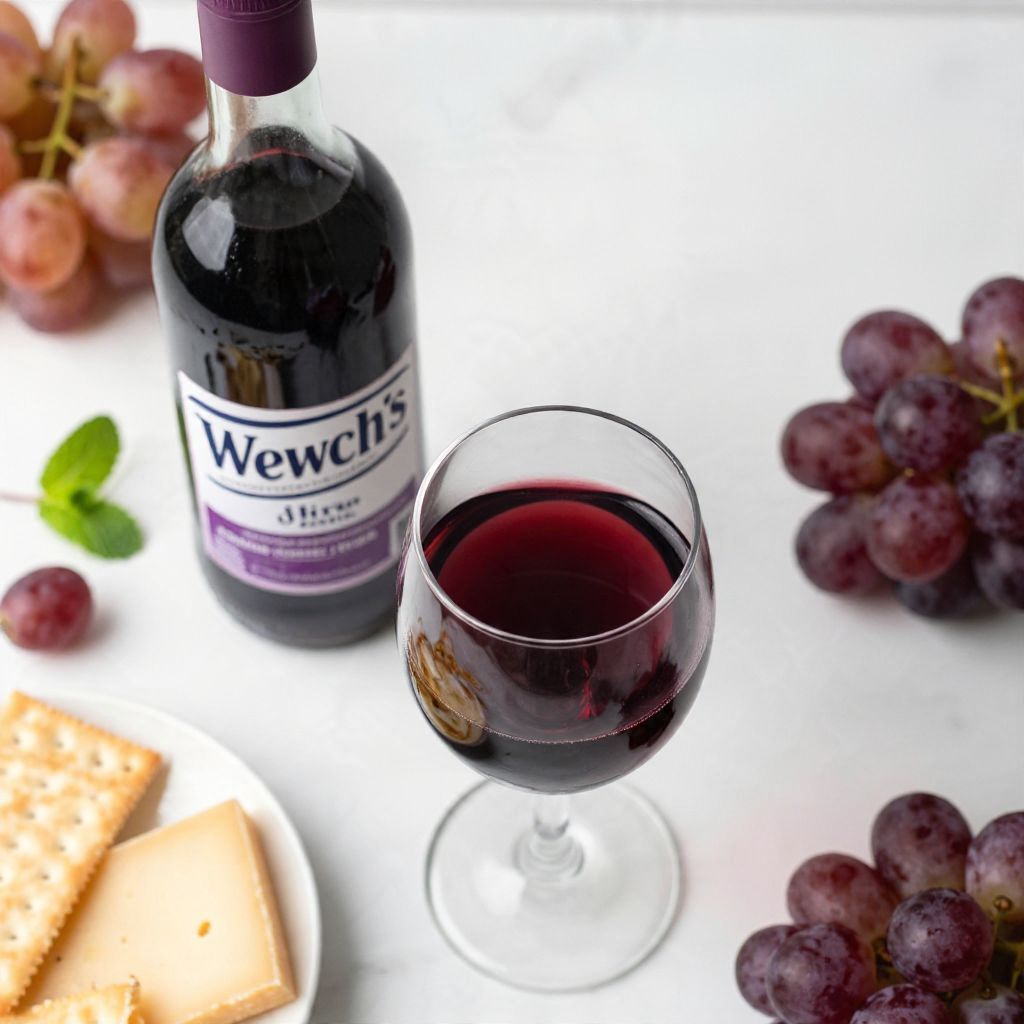
Welch's Grape Juice Wine
Ingredients
Equipment
Method
- Start by sanitizing all your equipment.
- Pour the Welch's Grape Juice into your sanitized jug.
- Add the granulated sugar and stir until it's fully dissolved.
- If your juice falls short of a gallon, top it off with water.
- Sprinkle the wine yeast on top of the juice mixture without stirring.
- Fit the airlock into the stopper and secure it onto the jug.
- Store the jug in a dark, room-temperature place for about two weeks.
- After two weeks, check if fermentation has slowed down significantly.
- Carefully siphon the wine into clean bottles, leaving sediment behind.
- Seal the bottles with caps or corks for storage.