
Picture a chaotic kitchen filled with laughter and the delightful aroma of a bubbling pot. The trash can recipe is a fun, all-in-one meal that transforms leftovers into a mouthwatering dish, perfect for busy weeknights or casual gatherings.
This recipe is special because it embraces creativity and reduces food waste, making it both economical and delicious. With its savory flavors and comforting texture, it’s a hit for everyone around the table, allowing you to customize it based on what you have on hand.
Why You’ll Love This Recipe
This dish is a crowd-pleaser packed with flavor and convenience.
- Versatile: Use whatever leftovers you have.
- Quick to prepare: Dinner is ready in no time.
- Fun presentation: Serve it straight from the pot.
- Budget-friendly: Great way to use up pantry staples.
- Kid-approved: A tasty way to sneak in veggies.
My Experience Making This Recipe
When I first tried the trash can recipe, it felt like a culinary adventure. I opened my fridge, mixed various leftovers, and was amazed at how delicious it turned out.
My family couldn’t get enough of it, and I loved how simple it was to make. It became a regular fixture in our home, turning mealtime into a creative process.
Recipe Overview
- Recipe Name: Trash Can Recipe
- Servings: 4
- Prep Time: 15 minutes
- Cook Time: 30 minutes
- Total Time: 45 minutes
- Course: Main Course
- Cuisine: Fusion
- Calories per Serving: 350
Equipment You Will Need
- Large pot or Dutch oven
- Cutting board
- Chef’s knife
- Wooden spoon or spatula
- Measuring cups and spoons
Ingredients for Trash Can Recipe
- 2 cups of mixed vegetables (carrots, bell peppers, broccoli)
- 1 cup of cooked protein (chicken, beef, or tofu)
- 1 cup of cooked rice or pasta
- 1 cup of broth (chicken or vegetable)
- 2 tablespoons of soy sauce or teriyaki sauce
- 1 teaspoon of garlic powder
- 1 teaspoon of onion powder
- Salt and pepper to taste
- 1 tablespoon of olive oil
Ingredient Notes and Substitutions
- Mixed vegetables: Adds color and nutrition; you can use frozen veggies if fresh are unavailable.
- Cooked protein: Provides heartiness; swap it for chickpeas or lentils for a vegetarian version.
- Cooked rice or pasta: Acts as a base; quinoa or couscous can be great alternatives.
- Broth: Adds depth of flavor; water can work in a pinch.
- Soy sauce: Brings umami; try coconut aminos for a gluten-free option.
How to Make Trash Can Recipe
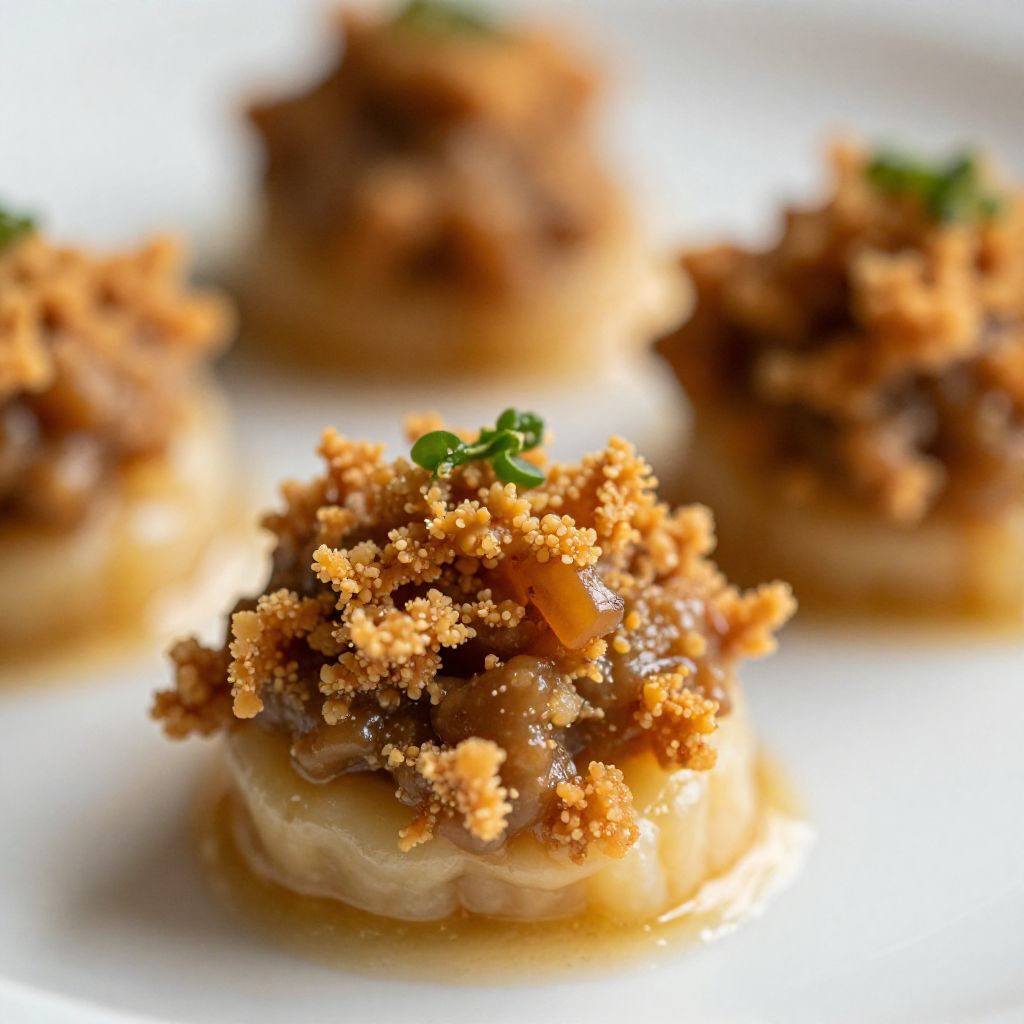
Step 1: Gather Your Ingredients
Start by collecting all your leftover ingredients. This is the fun part where you can get creative and mix different flavors.
Step 2: Chop the Vegetables
Dice your mixed vegetables into bite-sized pieces. This ensures even cooking and makes them easy to eat.
Step 3: Heat the Pot
Place your large pot or Dutch oven over medium heat. Adding heat first helps sauté the veggies and enhances their flavor.
Step 4: Add Olive Oil
Add the olive oil to the hot pot and let it warm up. This prevents sticking and adds a lovely richness to the dish.
Step 5: Sauté the Vegetables
Throw in the chopped vegetables and sauté for about 5 minutes. You want them to soften but still retain some crunch.
Step 6: Incorporate the Protein
Add your cooked protein to the pot and stir well. This allows the flavors to meld together as everything heats up.
Step 7: Mix in Rice or Pasta
Stir in the cooked rice or pasta until everything is evenly combined. This step binds the dish, creating a hearty meal.
Step 8: Add Broth and Seasonings
Pour in the broth and add the soy sauce, garlic powder, onion powder, salt, and pepper. Allow it to simmer for about 10 minutes, letting the flavors develop.
Pro Tip: Taste as you go — adjusting seasoning is key to making this dish a true delight.
Tips for the Best Trash Can Recipe
- Use a variety of colors in your vegetables for a visually appealing dish.
- Don’t overcrowd the pot; cook in batches if needed for even sautéing.
- Adjust the sauce to your taste; you can add more for extra flavor.
- Consider adding spices like chili flakes for a kick.
- Let leftovers cool completely before storing to maintain freshness.
Common Mistakes to Avoid
- Not pre-cooking proteins: Raw proteins can lead to uneven cooking.
- Overcooking vegetables: They should be tender-crisp, not mushy.
- Skipping the seasoning: This dish relies on flavor, so don’t hold back.
- Using too much liquid: It can make the dish soupy instead of hearty.
Serving Suggestions
This dish is perfect on its own or can be served with sides for a more complete meal.
- Pair with a fresh salad for a refreshing crunch.
- Serve with crusty bread to soak up any remaining sauce.
- Add a dollop of sour cream or yogurt for creaminess.
- Top with green onions or sesame seeds for extra flavor.
Variations to Try
- Swap in different proteins like shrimp or sausage for a unique twist.
- Experiment with sauces like buffalo or BBQ for a flavor change.
- Add cheese during the last few minutes for a gooey topping.
- Incorporate beans for added protein and fiber.
Dietary Adaptations
- Gluten-free: Use gluten-free soy sauce and ensure that broth is gluten-free.
- Dairy-free: Omit cheese or use dairy-free alternatives.
- Vegan/Vegetarian: Use tofu as protein and vegetable broth.
- Low-carb/Keto: Substitute rice with cauliflower rice.
Storage and Reheating
Refrigerator
Store leftovers in an airtight container for up to 3 days.
- Let it cool completely before sealing.
- Refrigerate promptly after cooking to maintain freshness.
Freezer
This dish can be frozen for up to 2 months for longer storage.
- Use freezer-safe containers to prevent freezer burn.
- Label with the date for easy tracking.
Reheating
Reheat in a pot over low heat, adding a splash of liquid to prevent drying out.
- Microwave in short intervals, stirring in between.
- Ensure it’s heated through before serving.
Nutrition Information
| Nutrient | Amount |
|---|---|
| Calories | 350 |
| Total Fat | 10g |
| Saturated Fat | 1g |
| Carbohydrates | 45g |
| Fiber | 5g |
| Sugar | 4g |
| Protein | 20g |
| Sodium | 600mg |
| Cholesterol | 30mg |
The nutritional values are estimates and can vary based on specific ingredients used.
Frequently Asked Questions
Can I use uncooked vegetables?
It’s best to use cooked vegetables for this recipe to ensure they are tender and flavorful.
Can I make this dish ahead of time?
Yes, you can prepare it in advance and reheat it when ready to serve.
How should I store leftovers?
Store in an airtight container in the refrigerator for up to three days or freeze for longer storage.
What if the mixture is too dry?
Add a little more broth or water while reheating to bring moisture back.
Can I add more spices?
Absolutely! Feel free to customize the spices to suit your taste preferences.
Final Thoughts
The trash can recipe is a delightful way to turn leftovers into a comforting meal. With endless variations, you can make it your own each time.
I encourage you to give it a try and enjoy the creativity that comes with it. Your kitchen will thank you!
For more delicious recipes, check out my guide on Italian breadcrumbs or try making bourbon balls for a sweet treat!
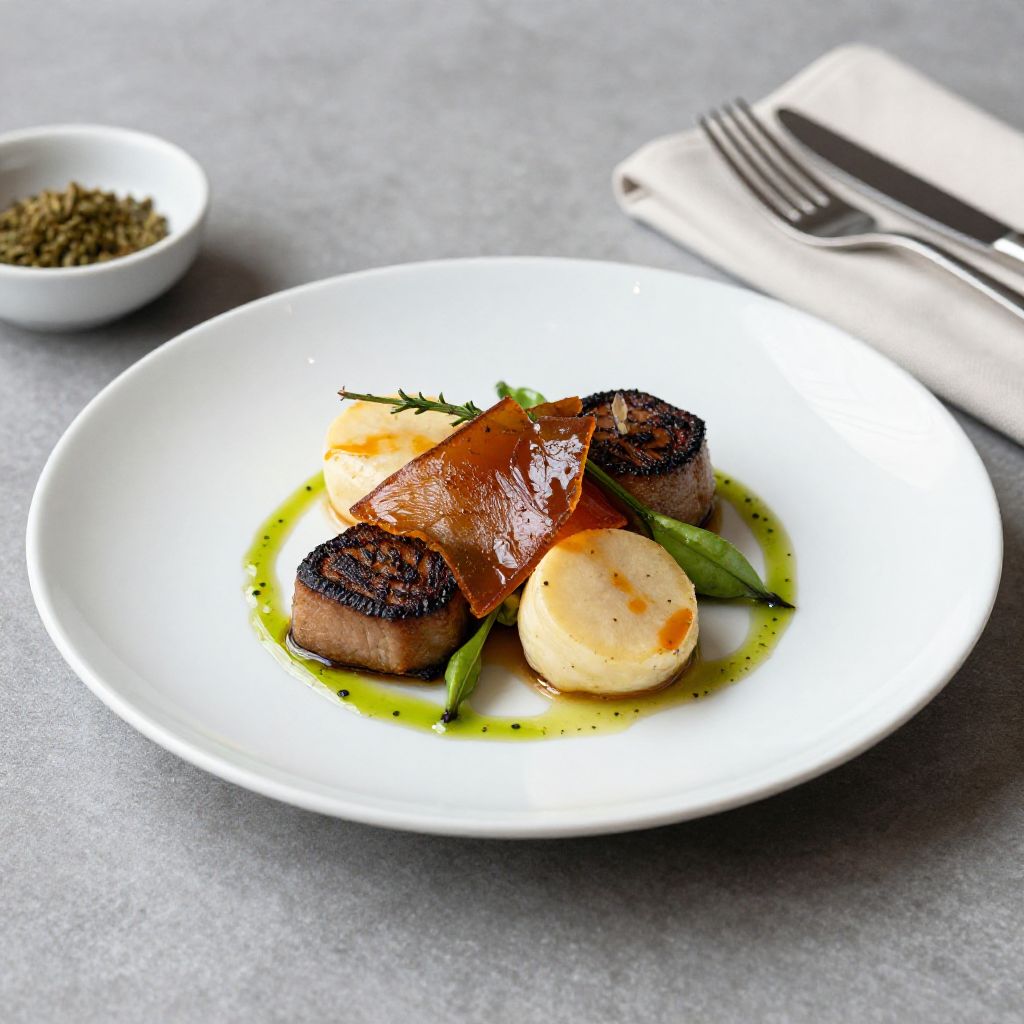
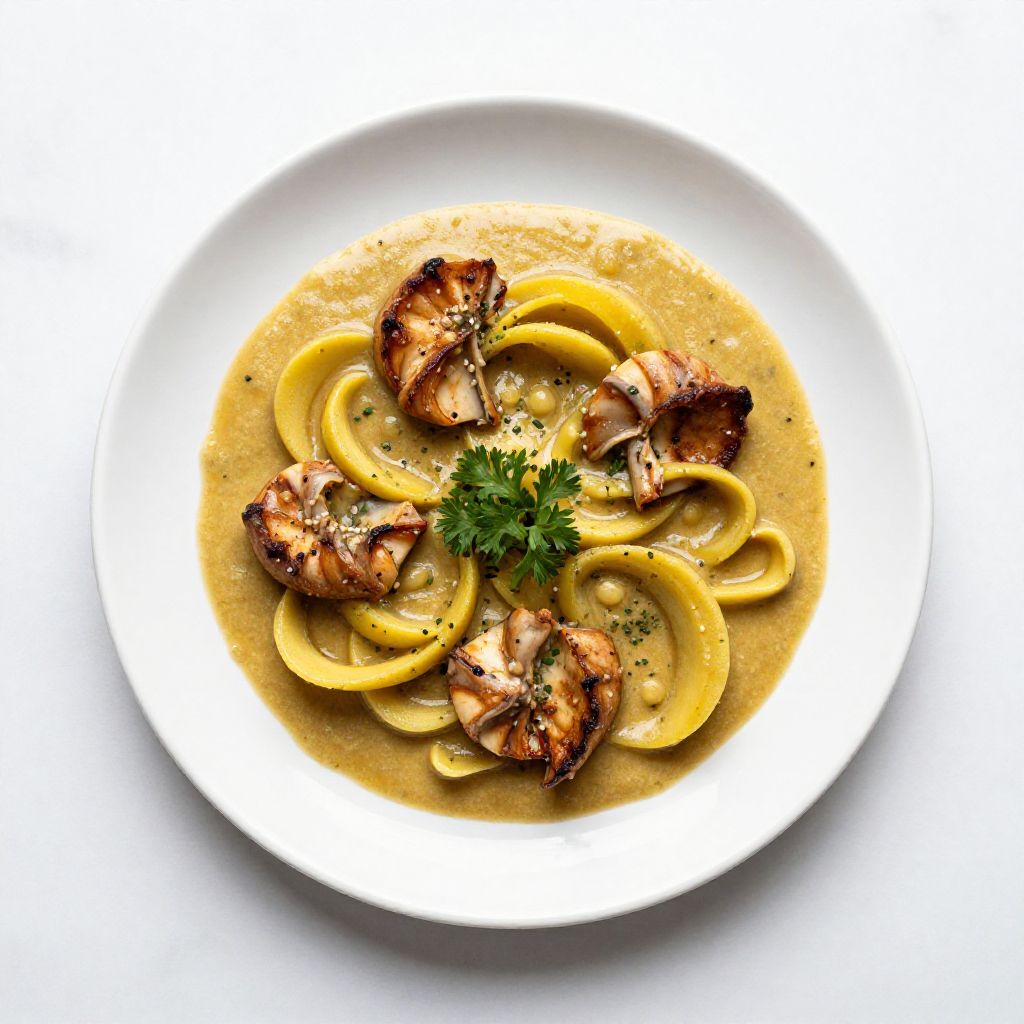
Trash Can Recipe
Ingredients
Equipment
Method
- Gather all leftover ingredients and prepare your workspace.
- Dice mixed vegetables into bite-sized pieces.
- Heat a large pot or Dutch oven over medium heat until hot.
- Add 1 tablespoon of olive oil to the pot and warm for 1 minute.
- Add chopped vegetables and sauté for 5 minutes until tender-crisp.
- Add 1 cup cooked protein and stir for 2 minutes until heated through.
- Stir in 1 cup cooked rice or pasta until evenly combined.
- Pour in 1 cup broth, 2 tablespoons soy sauce, 1 teaspoon garlic powder, 1 teaspoon onion powder, and salt and pepper to taste; bring to a simmer.
- Simmer the mixture for 10 minutes, stirring occasionally to develop flavors.
- Taste and adjust seasoning as needed before serving.