
Picture yourself wrapped in a cozy blanket, sipping a warm cup of tea that soothes your senses. This Ma Huang Tea is not just a drink; it’s an experience that combines a rich history with comforting flavors, perfect for chilly evenings or a refreshing afternoon pick-me-up.
What makes this tea special? Its unique blend of ephedra gives it a delightful warmth, while its earthy undertones make each sip feel nourishing. This recipe is easy to prepare and offers a refreshing twist to your usual tea routine, inviting you to savor every moment.
Why You’ll Love This Recipe
This tea is a go-to for many reasons.
- It provides a gentle boost of energy without the jitters.
- Perfect for cozy evenings or invigorating mornings.
- Can be easily customized with your favorite herbs.
- Rich in flavor, making it a delightful drink.
- Simple to prepare with minimal ingredients.
My Experience Making This Recipe
When I first made Ma Huang Tea, I was surprised by its earthy aroma that filled my kitchen. Each sip transported me to a serene place, and I found myself craving more.
Friends who tried it raved about its unique flavor, and I loved how easy it was to adapt with different herbs. Sharing this tea became a delightful ritual that warmed hearts and opened conversations.
Recipe Overview
- Recipe Name: Ma Huang Tea
- Servings: 2
- Prep Time: 5 minutes
- Cook Time: 10 minutes
- Total Time: 15 minutes
- Course: Beverage
- Cuisine: Chinese
- Calories per Serving: 30
Equipment You Will Need
- Small saucepan
- Measuring spoons
- Strainer or tea infuser
- Cup or mug
Ingredients for Ma Huang Tea
- 2 cups water
- 1 tablespoon dried Ma Huang (ephedra)
- 1 tablespoon honey (optional)
- 2 slices fresh ginger (optional)
- 1 lemon slice (optional)
Ingredient Notes and Substitutions
- Dried Ma Huang: This is the star ingredient, providing warmth and flavor. If unavailable, look for other herbal teas that provide similar effects.
- Honey: Adds sweetness and balances the flavor. You can substitute with agave syrup or sugar if preferred.
- Fresh Ginger: Offers a spicy kick and aids digestion. Feel free to omit it for a milder taste.
- Lemon: Brightens the flavor profile. Use lime if that’s what you have on hand.
How to Make Ma Huang Tea
Step 1: Boil the Water
Start by bringing 2 cups of water to a rolling boil. This step is crucial as boiling water helps extract the flavors from the Ma Huang.
Step 2: Prepare the Ingredients
Measure out the dried Ma Huang and any optional ingredients like ginger and lemon. Having everything ready makes the process smoother.
Step 3: Add Ma Huang
Add the dried Ma Huang to the boiling water. This will infuse the water with its unique flavor and properties.
Step 4: Add Optional Ingredients
If using, add the ginger slices to the pot. Ginger complements the tea with a lovely warmth and depth.
Step 5: Simmer
Reduce the heat and let the mixture simmer for about 10 minutes. This allows the flavors to meld beautifully, creating a richer tea.
Step 6: Strain the Tea
After simmering, strain the tea into your cup using a fine mesh strainer. This step removes the solid ingredients, leaving you with a smooth drink.
Step 7: Sweeten to Taste
If desired, stir in honey for sweetness. Adjust the amount based on your taste preferences.
Step 8: Serve and Enjoy
Garnish with a slice of lemon if you like. Sip slowly and enjoy the warmth of your homemade Ma Huang Tea.
Pro Tip: For added flavor, let the tea steep longer if you enjoy a stronger taste.
Tips for the Best Ma Huang Tea
- Use fresh ingredients whenever possible for a more vibrant flavor.
- Try experimenting with different sweeteners to find your favorite balance.
- Adjust steeping time based on your personal preference for strength.
- Keep a close eye on the simmering process to avoid overcooking.
- Consider adding a pinch of cinnamon for an extra layer of warmth.
Common Mistakes to Avoid
- Using stale Ma Huang can lead to a flat flavor. Always check for freshness.
- Boiling the tea too long can cause bitterness. Stick to the recommended simmer time.
- Skipping the straining step may result in a gritty texture. Take your time to strain properly.
- Adding too much sweetener can overpower the natural flavors. Start small and adjust as needed.
Serving Suggestions
This tea pairs wonderfully with light snacks or a cozy breakfast.
- Serve with honey-infused toast for a delightful morning.
- Pair with a simple salad for a refreshing lunch.
- Enjoy alongside a slice of lemon cake for a sweet treat.
- Complement with savory pastries for afternoon tea.
Variations to Try
- For a minty twist, add fresh mint leaves during steeping.
- Incorporate other herbs like chamomile for calming effects.
- Add a splash of coconut milk for a creamy texture.
- Use chai spices for a spiced version that warms the soul.
Dietary Adaptations
- Gluten-free: This recipe is naturally gluten-free; enjoy without worry.
- Dairy-free: The tea is dairy-free; no substitutions needed.
- Vegan: Replace honey with agave syrup to keep it vegan.
- Low-carb/keto: It’s low in carbs, perfect for a keto-friendly option.
Storage and Reheating
Refrigerator
Store any leftover tea in an airtight container in the fridge.
- Consume within 2 days for the best flavor.
- Reheat gently on the stove or in the microwave.
Freezer
Freezing is possible but may alter the texture slightly.
- Pour into ice cube trays for easy portioning.
- Use within one month for optimal taste.
Reheating
Reheat on low heat to avoid boiling away flavors.
- Heat until warm, not boiling.
- Add fresh honey after reheating for best results.
Nutrition Information
| Nutrient | Amount |
|---|---|
| Calories | 30 |
| Total Fat | 0g |
| Saturated Fat | 0g |
| Carbohydrates | 8g |
| Fiber | 0g |
| Sugar | 7g |
| Protein | 0g |
| Sodium | 5mg |
| Cholesterol | 0mg |
Note that nutrition values may vary based on ingredient brands and quantities used.
Frequently Asked Questions
Can I substitute Ma Huang with another herb?
Yes, other herbs like ginseng may provide similar energy-boosting benefits.
Can I make this tea ahead of time?
Absolutely! Just store it in the fridge and reheat when ready to enjoy.
How should I store leftovers?
Keep any leftover tea in an airtight container in the fridge for up to two days.
Why is my tea bitter?
This may happen if you over-simmer the tea. Stick to the recommended time for best results.
Can I add more herbs to the tea?
Yes, feel free to experiment with herbs like mint or chamomile for a different flavor profile.
Final Thoughts
Making Ma Huang Tea is a delightful way to indulge in a warm and invigorating drink. Whether you’re enjoying it solo or with friends, it brings comfort and joy with every sip.
So grab your ingredients and let the aroma fill your home. For more herbal delights, check out my Chaga Tea Recipe or try a refreshing Ginger Lemon Honey Tea Recipe for variety.
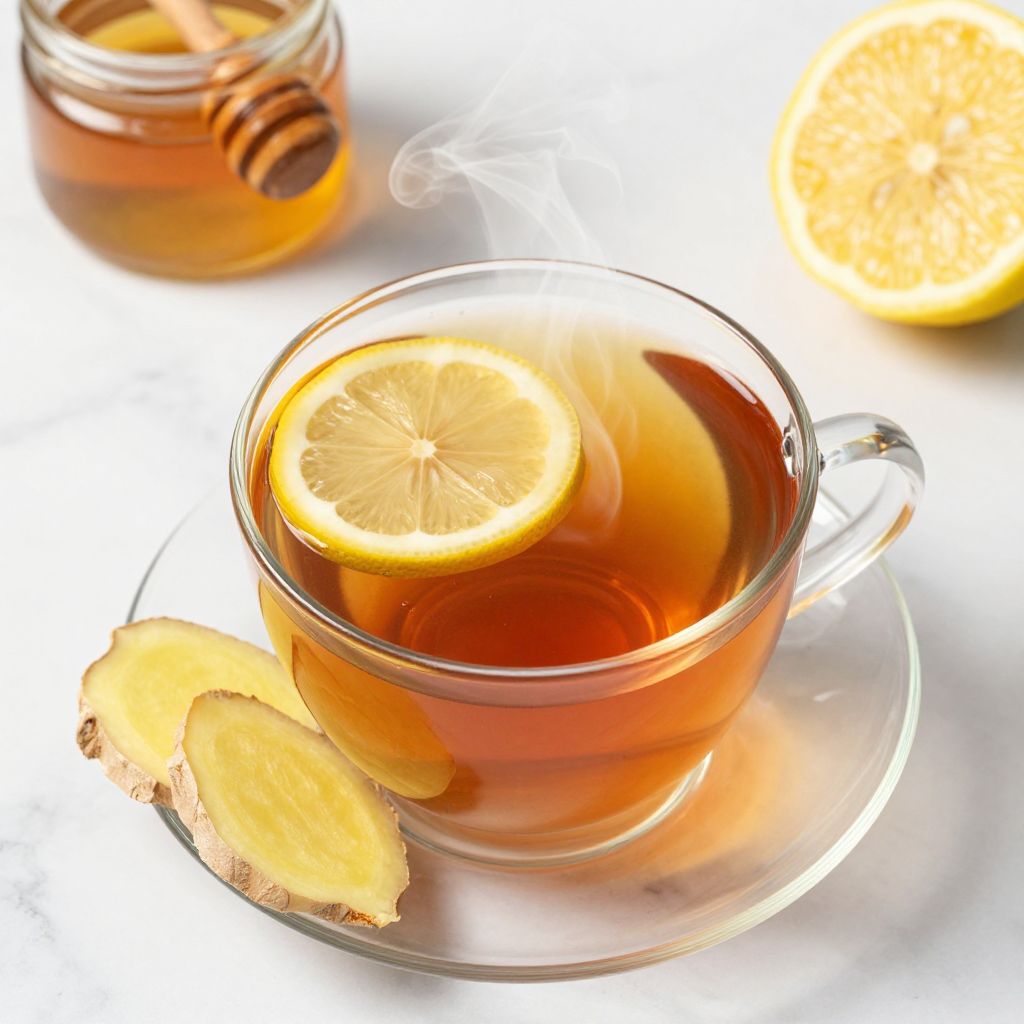
Ma Huang Tea
Ingredients
Equipment
Method
- Boil 2 cups of water in a small saucepan.
- Measure out the dried Ma Huang and any optional ingredients like ginger and lemon.
- Add the dried Ma Huang to the boiling water.
- If using, add the ginger slices to the pot.
- Reduce heat and let the mixture simmer for 10 minutes.
- Strain the tea into your cup using a fine mesh strainer.
- Stir in honey for sweetness if desired.
- Garnish with a lemon slice if you like and enjoy the tea.