
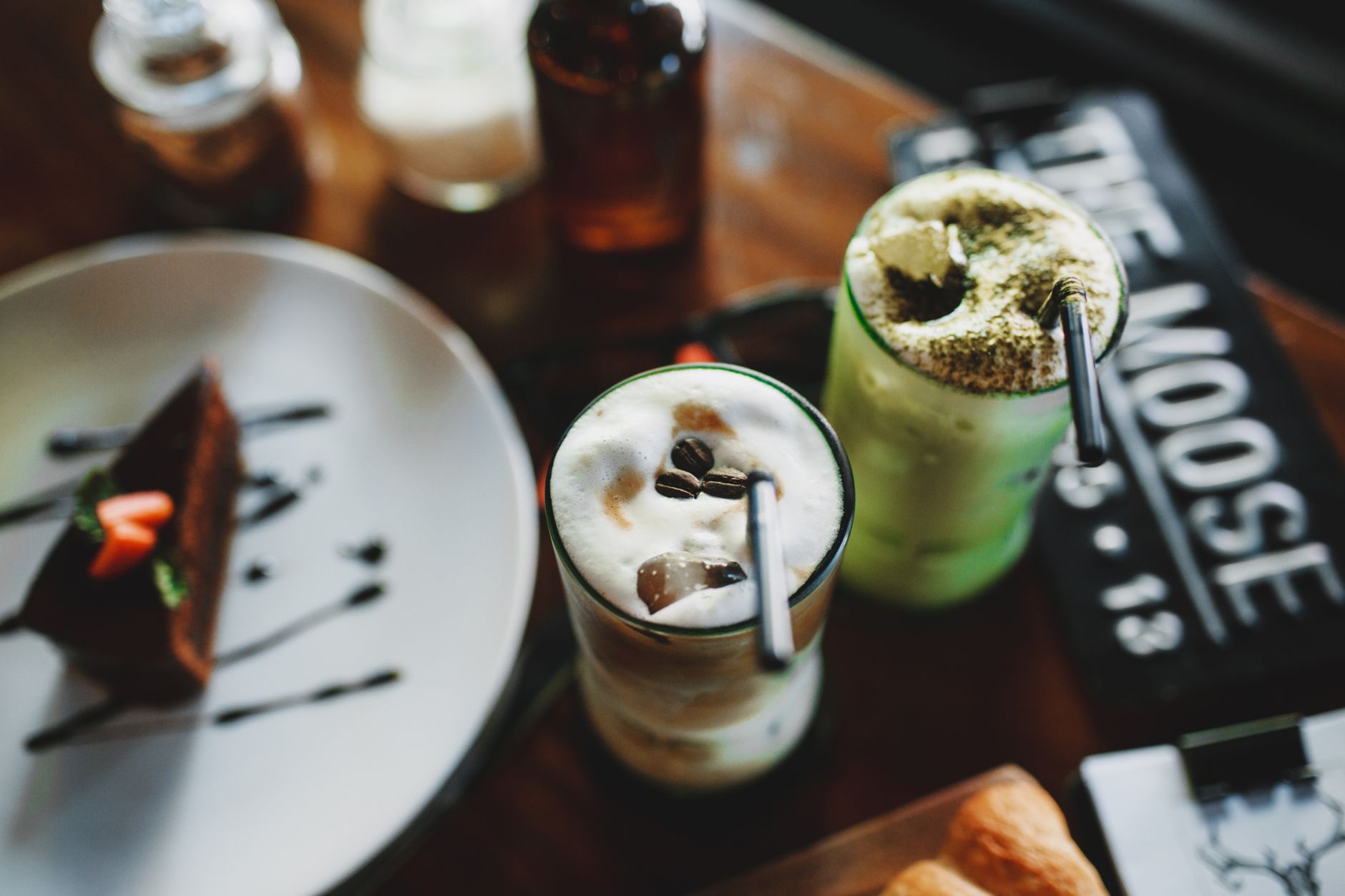
Matcha and coffee are two popular beverages that energize and delight millions worldwide. While both offer unique flavors and distinct benefits, it’s essential to understand how they differ and whether matcha can be classified as coffee. This article delves into the characteristics of matcha and coffee, their preparation methods, comparing health benefits, and how they can fit into your daily routine.
By the end of this guide, you will have a clear understanding of what matcha is, how it differs from coffee, and the potential role it can play as a coffee substitute or complementary drink.
Is Matcha Coffee?
No, matcha is not coffee. Matcha is a finely ground powder made from specially grown green tea leaves, while coffee is brewed from roasted and ground coffee beans. Although both beverages are enjoyed for their stimulating properties, they are entirely different in flavor, preparation, and health benefits.
Understanding Matcha
Matcha is a form of powdered green tea renowned for its vibrant green color and unique flavor. Grown primarily in Japan, high-quality matcha is produced through a process that involves shading the tea plants for several weeks before harvest. This shading increases chlorophyll levels, resulting in a more intense flavor and a higher concentration of nutrients.
Flavor Profile and Aroma
Matcha has a distinct umami flavor that can be described as slightly grassy, sweet, and creamy. The flavor can vary by quality, with ceremonial-grade matcha being the most nuanced and rich. When prepared properly, matcha can have a silky texture and a pleasant aroma that creates a soothing experience.
Preparation Methods
To prepare matcha, you’ll need a few essential tools:
- Matcha powder
- Chawan (matcha bowl) or a deep mug
- Chasen (bamboo whisk)
- Chashaku (bamboo scoop) or a teaspoon
- Measure about 1 to 2 teaspoons (2 to 4 grams) of matcha powder into the bowl.
- Heat filtered water to approximately 175°F (80°C). Avoid boiling water, as it can scorch the matcha.
- Pour about 2 ounces (60 ml) of hot water over the matcha powder.
- Use the chasen to whisk the matcha vigorously in a zig-zag motion until it becomes frothy and well combined.
- Once frothed, you can dilute it with more hot water or milk to suit your taste.
Health Benefits of Matcha
Matcha boasts numerous health benefits, including:
- Rich in antioxidants, particularly catechins, which combat oxidative stress.
- Enhances metabolic rate and aids in weight management.
- Promotes relaxation and mental clarity due to the presence of L-theanine, which helps reduce stress levels.
- Provides sustained energy without the jitters commonly associated with coffee.
Understanding Coffee
Coffee is derived from roasted seeds known as coffee beans, which are harvested from coffee cherries. The coffee-making process involves roasting, grinding, and brewing, resulting in a wide range of flavor profiles depending on the bean’s origin and the brewing method.
Flavor Profile and Aroma
Coffee has a rich, robust flavor that can range from fruity and acidic to chocolatey and nutty, depending on the variety and roast level. When brewed, coffee produces a pleasing aroma that often plays a significant role in the overall coffee experience.
Preparation Methods
There are several common methods for brewing coffee:
- Drip Coffee Maker
- French Press
- Pour-Over
- Espresso Machine
- AeroPress
Regardless of the method, the process generally involves:
- Measuring fresh coffee grounds (usually about 1 to 2 tablespoons per cup).
- Mixing hot water, typically at around 200°F (93°C).
- Allowing the coffee to brew, with specific times varying based on the chosen method.
- Filtering the mixture to strain out the grounds and enjoy the brewed coffee.
Health Benefits of Coffee
Coffee is also rich in antioxidants and has several associated health benefits, including:
- Increased energy and improved cognitive function due to caffeine content.
- Enhanced exercise performance by enabling the body to burn fat more efficiently.
- Potentially lowering the risk of certain diseases, such as type 2 diabetes and liver disease.
Comparing Matcha and Coffee
While matcha and coffee are both stimulating beverages, they have several key differences that may impact your choice of drink.
Caffeine Content
Matcha contains caffeine, but generally less than coffee. An average serving of matcha (1 to 2 grams) contains about 30 to 70 mg of caffeine, while an 8-ounce cup of coffee can contain between 80 to 200 mg, depending on brewing strength and variety. The presence of L-theanine in matcha helps promote a calm, focused energy without the crash often felt after drinking coffee.
Serving Versatility
Both matcha and coffee can be enjoyed in various forms. Matcha can be whisked into water, lattes, smoothies, or even used in baking. Coffee offers an extensive range of options—from espresso to dessert lattes and iced brews.
Flavor Preferences
Your choice may boil down to personal taste. If you prefer earthy, grassy, and slightly sweet flavors, matcha may be more appealing. On the other hand, if you savor bold, complex flavors, coffee may be your drink of choice.
Impact on Energy Levels
Many people experience a more gradual energy lift from matcha compared to coffee, which can lead to a sudden spike and subsequent crash when the caffeine effects diminish. Matcha’s L-theanine helps temper the stimulating effects, promoting a smoother energy elevation.
Preparation Time
Brewing coffee can be quicker in many cases, especially with machines like single-serve pod systems. Matcha requires a bit more attention to detail in whisking and preparing, which can provide a more meditative experience for some.
Incorporating Matcha into Your Routine
While matcha is not coffee, it can serve as a wonderful alternative or complement to your coffee enjoyment. Here are some practical ways to incorporate matcha into your daily routine:
Matcha Lattes
Matcha lattes are an excellent way to enjoy the creaminess of milk with the earthy flavor of matcha. Simply whisk matcha powder into heated milk (dairy or non-dairy) and sweeten to taste.
Matcha Smoothies
Add a teaspoon of matcha to your morning smoothie for an added boost of energy and nutrients. Matcha pairs well with ingredients like bananas, spinach, and almond milk.
Matcha Baking
Matcha can also be used in baking, adding a unique flavor and green hue to desserts such as cookies, cakes, and muffins. Substitute a small portion of flour in your recipes with matcha powder for added depth.
Proffee: A Combination of Protein and Coffee
For those seeking to blend benefits, proffee—coffee with added protein (powder or milk)—is a popular option. Why not try a matcha proffee, combining matcha with your usual coffee blend? This can provide you with both caffeine sources and a unique flavor experience.
If you’re interested in a proffee recipe, check out our proffee recipe for details.
Common Mistakes When Brewing Matcha and Coffee
Getting the best flavor from matcha and coffee requires attention to detail. Here are some common mistakes to avoid:
Matcha Mistakes
- Using boiling water: Boiling water can scorch the matcha, resulting in a bitter taste. Always use water that’s around 175°F (80°C).
- Not whisking enough: Proper whisking is crucial to achieve the right frothy texture and mix the powder adequately.
Coffee Mistakes
- Using stale coffee: Always use freshly roasted coffee beans or ground coffee for the best flavor.
- Using the wrong water-to-coffee ratio: Experiment with the coffee-to-water ratio to find the strength you prefer.
Storage and Shelf Life
How you store matcha and coffee significantly affects their freshness and flavor. Here are some guidelines:
Storage for Matcha
Matcha should be stored in an airtight container in a cool, dark place, away from moisture and light. It is best consumed within a few weeks of opening for peak freshness.
Storage for Coffee
Coffee should also be kept in an airtight container and stored in a cool, dark place. Whole bean coffee retains freshness longer than ground coffee. Use it within two weeks of grinding for optimal flavor.
Conclusion
In summary, while matcha and coffee share similarities as energizing drinks, they are fundamentally different beverages. Matcha, which is a powdered form of green tea, offers distinct flavors, health benefits, and preparation methods that set it apart from coffee. Depending on your personal preferences and energy needs, both drinks can coexist in your daily routine.
To enhance your beverage repertoire, consider trying out a vanilla matcha latte for a delightful twist on matcha, pairing its unique flavor with the warmth of vanilla.