
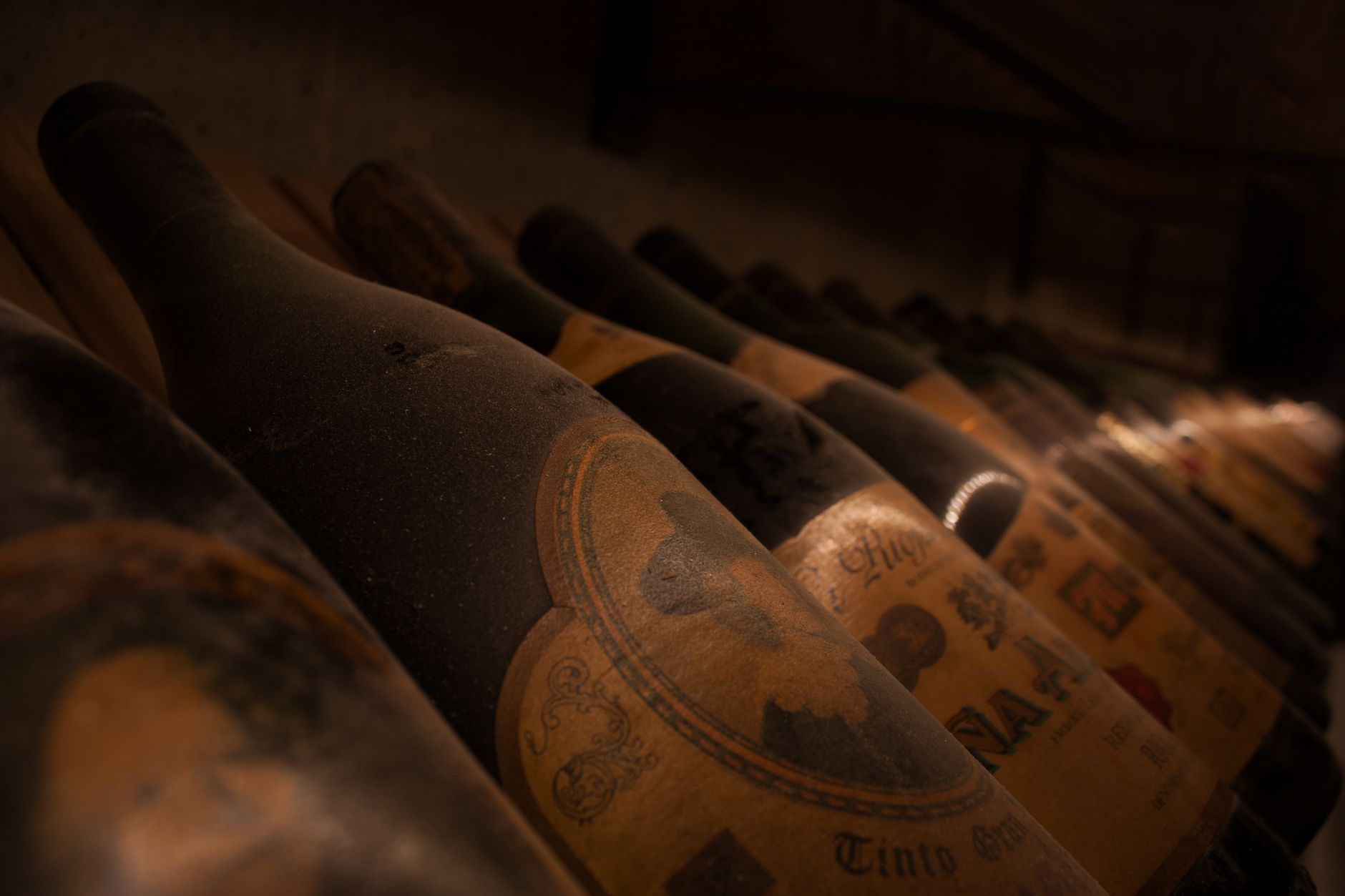
Wine enthusiasts often wonder about the longevity of their favorite bottles. Proper storage and understanding the characteristics of different wines play a crucial role in determining how long you can keep wine without compromising its quality. This guide will explore the factors affecting wine longevity and offer practical advice for extending the life of your favorite vintages.
From red to white and even sparkling wines, each type has specific storage needs and varying ranges for optimal aging. Whether you own a treasured vintage or a casual bottle for dinner, learning about wine longevity is essential for every wine lover.
How Long Can You Keep Wine?
The length of time you can keep wine varies dramatically based on type, storage conditions, and sealing method. Generally, unopened wines can last several years, while opened wines have a shorter shelf life. Proper storage significantly influences how long wine remains drinkable and enjoyable.
Factors That Affect Wine Longevity
Several key factors influence how long a wine can be kept:
- Type of Wine
- Storage Conditions
- Closure Type (Cork vs. Screw Cap)
- Wine Quality and Composition
Type of Wine
Different wines possess varying aging potentials due to their composition:
- Red Wines: Typically have better aging potential due to higher tannin levels. Full-bodied reds can generally be kept for 5 to 20 years or more.
- White Wines: Generally, whites are best enjoyed younger, often within 1 to 3 years of bottling. However, some high-quality whites like Chardonnay can age well for 5 to 10 years.
- Rosé Wines: Usually best enjoyed within 1 to 2 years of bottling.
- Sparkling Wines: Most non-vintage sparkling wines are best within 3 to 5 years, while vintage varieties can last 5 to 10 years or more.
- Dessert Wines: These often have a longer shelf life due to their sugar content, lasting 5 to 15 years or longer.
Storage Conditions
How and where you store wine can significantly impact its longevity. Key elements to consider include:
- Temperature: The ideal temperature for most wines is between 45°F and 65°F (7°C and 18°C). Fluctuations can spoil wine quickly.
- Humidity: Aim for a humidity level of about 50-70%. Too dry of an environment can cause corks to dry out, while too much humidity can encourage mold.
- Light: Store wine in a dark place to prevent light damage, especially from UV rays. Prolonged exposure can degrade wine quality.
- Vibration: Minimizing vibration is critical, as movement can disrupt sediments in the wine and affect its aging process.
Closure Type (Cork vs. Screw Cap)
The type of closure in a wine bottle can also influence its longevity:
- Cork: A traditional cork allows for some oxygen exchange, which can benefit aging but also increases the risk of spoilage if the cork fails.
- Screw Cap: This provides a hermetic seal that minimizes oxygen exposure, making it ideal for wines meant for shorter-term consumption.
Wine Quality and Composition
The overall quality and composition of the wine itself matter. Higher-quality wines from reputable producers generally age better than mass-produced options. Factors include:
- Tannin Levels: Wines with higher tannins often age well.
- Acidity: Wines with higher acidity can maintain their freshness longer.
- Sugar: Sweet wines or dessert varieties tend to have better aging potential.
How to Properly Store Wine
To extend the life of your wine, consider the following storage tips:
- Keep Bottles Horizontal: Store wine bottles on their side to keep the cork moist. This is especially crucial for bottles sealed with cork.
- Avoid Temperature Fluctuations: Find a stable location with minimal temperature changes, like a wine cellar or dedicated wine fridge.
- Avoid Strong Odors: Store wine away from strong-smelling items, as the cork may absorb unwanted odors.
- Wine Fridges: If you choose to invest, a wine fridge provides controlled temperature and humidity, ideal for optimal wine storage.
How Long Can Opened Wine Last?
Opened wine does not last as long as unopened wine, but proper storage can extend its shelf life significantly. Here’s a breakdown of how long different types of opened wine typically last:
- Red Wine: Generally lasts about 3 to 5 days if re-corked and stored in a cool, dark place. Utilizing a vacuum seal can extend this to about a week.
- White Wine: May be consumed safely for around 3 to 5 days after opening, depending on the wine’s acidity and sweetness.
- Rosé Wine: Lasts about 3 to 5 days, similar to white wine.
- Sparkling Wine: Must be consumed within 1 to 3 days after opening. Use a sparkling wine stopper for optimal preservation.
Tips for Extending Wine Life After Opening
Maximizing the longevity of opened wine requires a bit of care:
- Re-cork Properly: When re-corking, make sure the cork fits snugly or use a wine stopper to minimize air exposure.
- Keep it Cool: Refrigerate opened wine, whether red or white, to slow the oxidation process.
- Consider Vacuum Sealers: Investing in a vacuum sealing system can help remove air from the bottle, keeping wine fresh longer.
- Use a Wine Preserver: Wine preservatives available on the market can also help maintain wine quality.
Common Mistakes to Avoid When Storing Wine
Many wine lovers may inadvertently make mistakes that affect the quality of their wine. Here are some common pitfalls:
- Storing in the Kitchen: The kitchen is often subject to heat and vibration, making it a poor storage choice.
- Overstocking Shelves: Don’t crowd bottles too tightly, as this can cause damage upon jostling.
- Ignoring Vintage Dates: Always check the recommended drinking window on labels, especially for premium wines.
- Exposing to Direct Sunlight: This can degrade wine quality quickly. Always choose a dark storage area.
Recognizing Bad Wine
Knowing when wine has gone bad is crucial for your enjoyment. Signs of spoiled wine include:
- Off Smells: If the wine smells like vinegar, wet cardboard, or has a sour aroma, it is likely spoiled.
- Changes in Color: An unusual hue or browning in white wines can indicate oxidation.
- Fizzy Texture in Flat Wines: If a still wine has fizz, it may have started to ferment again due to spoilage.
- Sour Flavor: A sharp, unpleasant taste indicates that the wine has gone bad.
When to Enjoy Wine
Recognizing the right time to enjoy your wine is just as important as knowing how to store it. It is usually best to consume wines shortly after they reach their optimal drinking age. The best way to determine if a wine is ready is to consult trusted sources such as wine guides, critics, or the wine producer.
How to Dispose of Spoiled Wine
If you find that your wine has spoiled, it’s essential to dispose of it properly:
- Composting: If it’s still drinkable but not pleasant, you can compost the wine.
- Cooking: Spoiled wine can be used for cooking, especially in recipes that call for wine as an ingredient.
- Regular Waste: If the wine is completely undrinkable, pour it down the sink and recycle the bottle.
Understanding how long you can keep wine is vital for enhancing your wine experience. Proper storage, recognizing the signs of spoilage, and knowing when to consume or dispose of wine can help ensure every bottle contributes positively to your enjoyment. Whether you are a novice or a seasoned connoisseur, having a greater understanding of wine longevity can transform how you select and savor wine in everyday life.
Explore more about wine pairings, different wine types, or kitchen storage tips to elevate your culinary adventures further!