
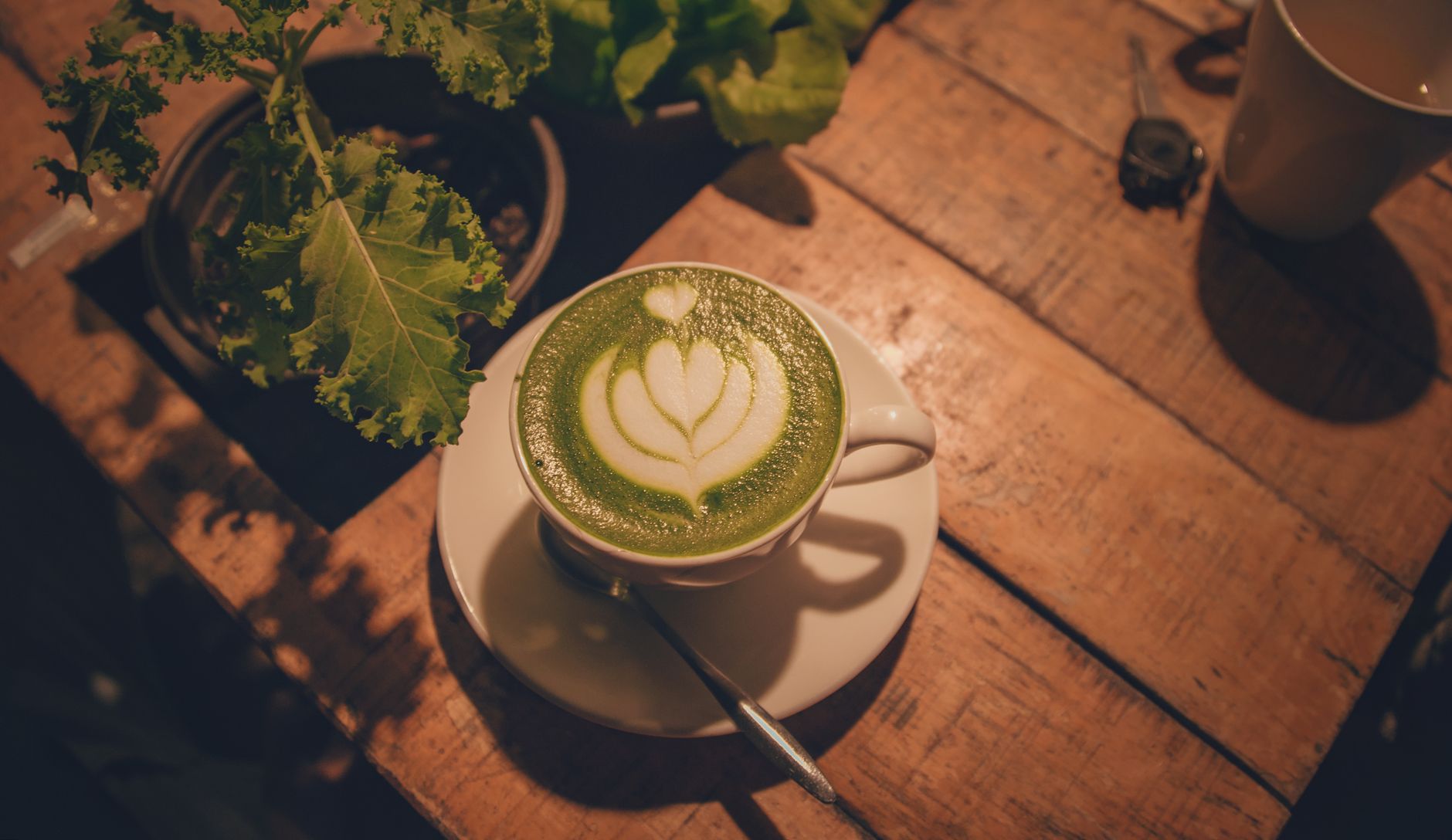
Matcha, a finely ground powder made from specially grown green tea leaves, is beloved for its rich flavor and vibrant color. Often enjoyed in beverages, desserts, and cooking, it has gained immense popularity due to its unique taste and potential health benefits.
However, as with any ingredient, some individuals may experience unexpected side effects. This article explores whether matcha can cause diarrhea, helping you understand its effects on the digestive system, how to consume it wisely, and what to watch out for.
Can Matcha Cause Diarrhea?
Yes, matcha can cause diarrhea in some individuals, particularly when consumed in excessive amounts. Due to its caffeine content and dietary fiber, matcha may stimulate bowel movements, leading to digestive issues in sensitive individuals or those unaccustomed to high doses of caffeine or fiber.
Understanding the factors that contribute to this phenomenon helps individuals make informed choices regarding their matcha intake.
Understanding Matcha and Its Components
Before examining why matcha might lead to digestive discomfort, it’s essential to grasp what matcha is and the components within it.
What is Matcha?
Matcha is made from shade-grown tea leaves that are harvested, steamed, dried, and ground into a fine powder. This process preserves the leaves’ nutrients, giving matcha a higher concentration of antioxidants, vitamins, and minerals compared to regular green tea.
When you consume matcha, you ingest the entire leaf rather than just brewing the leaves in water, resulting in a more potent beverage rich in flavor and nutrients.
Components of Matcha
Matcha is packed with several key components that can influence digestive health:
- Caffeine: Matcha contains about 70 mg of caffeine per 1 gram of matcha powder, which can stimulate bowel activity.
- Dietary Fiber: Matcha provides a notable amount of soluble fiber which aids in digestion but can also cause discomfort in some cases.
- Antioxidants: High in catechins, particularly epigallocatechin gallate (EGCG), matcha has anti-inflammatory properties, but excessive consumption of catechins may lead to upset stomachs.
- L-theanine: This amino acid helps promote relaxation and calmness, balancing the stimulant effect of caffeine.
Why Matcha Might Cause Diarrhea
Several reasons explain why matcha might lead to diarrhea, especially when consumed in large quantities or by individuals sensitive to its components. Here are the key factors:
Caffeine Sensitivity
For those sensitive to caffeine, the caffeine content in matcha can lead to digestive disturbances, including diarrhea. Caffeine stimulates the gastrointestinal tract, increasing bowel motility. Individuals who consume caffeine infrequently may experience stronger reactions, such as bloating or diarrhea, even with moderate amounts of matcha.
High Fiber Content
Matcha’s dietary fiber content, particularly when consumed in larger servings, can lead to gastrointestinal discomfort. While fiber is essential for digestive health, sudden increases in fiber intake may cause bloating, cramping, and diarrhea in some individuals.
Individual Tolerance and Digestive Health
Individual tolerance levels play a significant role in whether matcha causes digestive upset. People with pre-existing digestive conditions (like irritable bowel syndrome) may find matcha exacerbates their symptoms. Additionally, introducing any food or drink too suddenly into one’s diet can overwhelm the digestive system.
Contaminants and Quality of Matcha
The quality of matcha also matters. Lower-quality matcha may contain impurities or contaminants that could irritate the digestive system. Selecting high-grade, organic matcha from reputable sources can help alleviate potential side effects.
How to Enjoy Matcha Without Upsetting Your Stomach
To reduce the chances of experiencing diarrhea while enjoying matcha, consider the following tips:
Start Slowly
If you are new to matcha or are sensitive to caffeine, start with small amounts. A half teaspoon in a drink or recipe can help you gauge your body’s response before increasing your intake.
Choose Quality Matcha
Opt for high-quality ceremonial or culinary matcha sourced from reputable producers. This ensures you get a pure product without additives or contaminants that might upset your stomach.
Stay Hydrated
Matcha can be dehydrating due to its caffeine content. Ensure adequate water intake throughout the day, especially if consuming matcha. This can help maintain digestive health and reduce the risk of constipation or diarrhea.
Balance Caffeine Intake
Be mindful of your overall caffeine consumption from all sources, such as coffee, tea, or chocolate. Staying within recommended limits (around 400 mg of caffeine for most adults) can help prevent digestive disturbances.
Incorporate Matcha Into Foods
Using matcha in recipes, such as smoothies, baked goods, or lattes, can allow for an easier introduction to this ingredient while balancing its effects with other nourishing foods. Pairing matcha with fiber-rich fruits or whole grains may help mitigate its digestive impact.
Recipes to Enjoy Matcha
Incorporating matcha into recipes can be a delicious and gentle way to enjoy it without risking digestive issues. Here are a couple of ideas for utilizing matcha in your meals:
Matcha Smoothie
A creamy and refreshing way to start the day or as a midday snack, this matcha smoothie is easy to make and full of nutrients.
Ingredients
- 1 teaspoon matcha powder
- 1 banana
- 1 cup spinach leaves
- 1 cup almond milk or dairy milk
- 1 tablespoon honey or maple syrup (optional)
Instructions
- In a blender, combine the matcha powder, banana, spinach, and almond milk.
- Blend until smooth and creamy.
- Adjust sweetness with honey or maple syrup if desired.
- Serve chilled and enjoy!
Vanilla Matcha Latte
This luscious latte blends the flavors of matcha with creamy vanilla, making it a perfect afternoon pick-me-up.
Ingredients
- 1 teaspoon matcha powder
- 1 cup milk of your choice (dairy or non-dairy)
- 1 teaspoon vanilla extract
- 1 tablespoon sweetener (optional)
- Hot water
Instructions
- In a bowl, whisk the matcha powder with a small amount of hot water until smooth and free of clumps.
- Heat the milk in a saucepan or microwave until steaming.
- Combine the matcha, vanilla extract, and sweetener in a mug, then pour in the warm milk.
- Stir well to combine and serve hot or iced.
Common Mistakes When Drinking Matcha
Learning how to incorporate matcha into your diet without negative experiences can require some trial and error. Here are common mistakes to avoid when enjoying matcha:
- Too Much at Once: Consuming large quantities of matcha at once can overwhelm your digestive system. Start with smaller servings.
- Ignoring Quality: Low-quality matcha can contain harmful additives or impurities. Always choose high-quality varieties.
- Mixing with High-Fat Foods: Pairing matcha with heavy or greasy foods can increase the chances of stomach upset. Balance your meal or beverage with lighter options.
- Lack of Hydration: Forgetting to drink water can lead to dehydration and worsen side effects. Ensure adequate hydration when consuming matcha.
When to Seek Medical Advice
While many enjoy matcha without any issues, it’s important to know when to seek medical advice. Consider consulting a healthcare professional if you experience:
- Persistent diarrhea or digestive discomfort after consuming matcha.
- Severe abdominal pain.
- Other symptoms such as nausea, vomiting, dizziness, or dehydration.
Understanding your body’s response to matcha helps you enjoy this delightful ingredient without complications.
Final Thoughts
Matcha can cause diarrhea in some individuals, particularly if they consume it in large quantities or have sensitivities to its components. Understanding the role of caffeine, dietary fiber, and individual tolerances can help mitigate these effects. By incorporating matcha mindfully and choosing high-quality products, you can enjoy its rich flavor and potential benefits without digestive discomfort.
Ready to explore delicious matcha recipes or other food guides? Discover our Vanilla Matcha Latte Recipe and the Rose Latte Recipe for delightful ways to incorporate this vibrant green tea into your daily routine.