
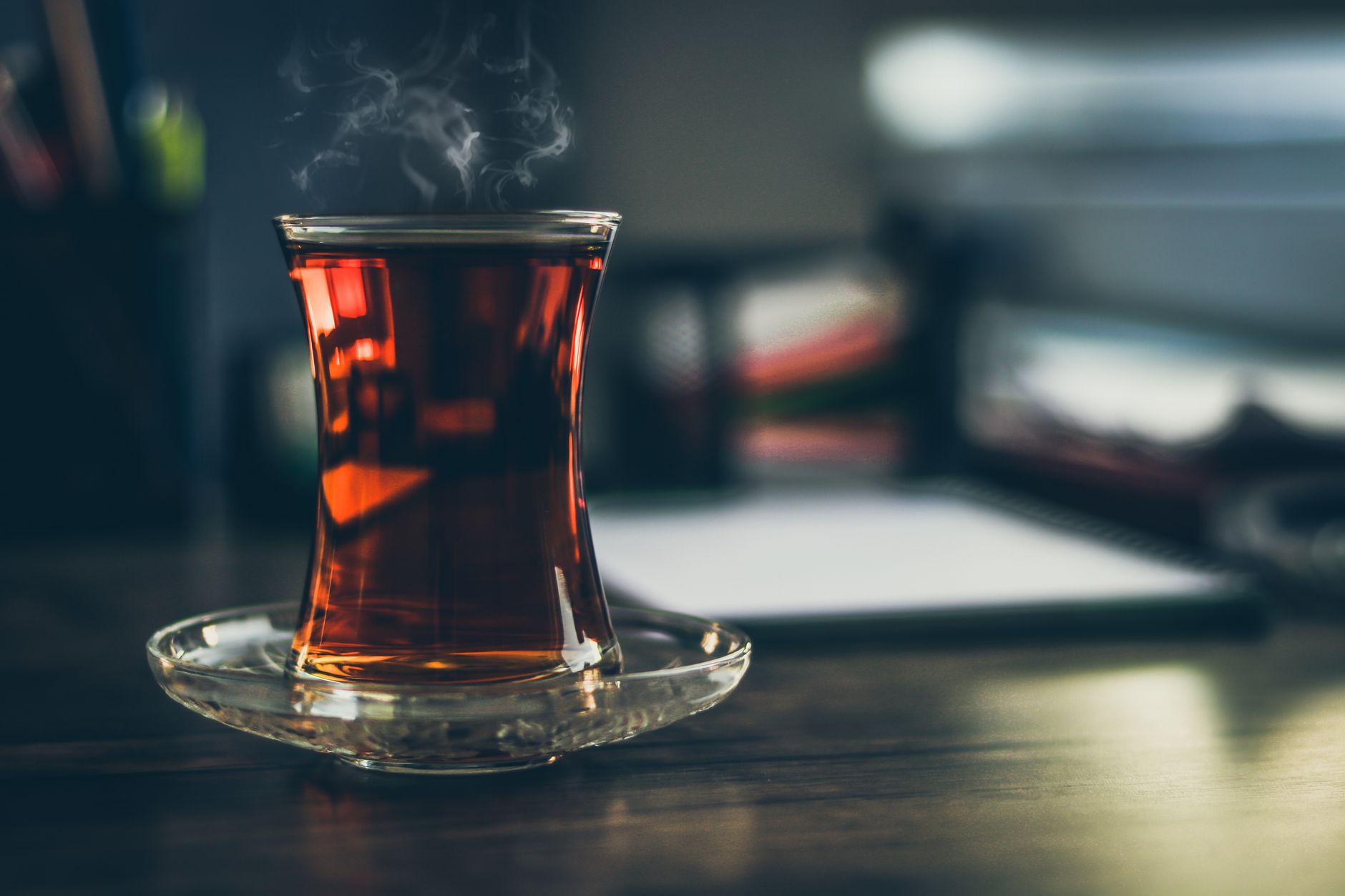
Tea is one of the world’s most beloved beverages, celebrated for its rich flavors, aromas, and cultural significance. Whether you prefer a robust black tea, a fragrant green tea, or a calming herbal infusion, learning how to make tea can elevate your experience. With this complete guide, you will discover everything you need to know about making tea, from selecting the right ingredients to brewing techniques and helpful tips.
Our aim is to simplify the process, regardless of your experience level. By the end of this article, you will be well-equipped to brew the perfect cup of tea that suits your preferences and palate.
How To Make Tea?
Making tea involves selecting the right tea leaves, preparing them properly, and managing brewing time and temperature. This guide will walk you through the essential steps to ensure a great cup every time.
Types of Tea
Before diving into the brewing process, it’s useful to understand the different types of tea available, as each offers a unique flavor profile and health benefits.
- Black Tea: Fully oxidized, strong flavor, rich in caffeine. Popular for breakfast blends.
- Green Tea: Lightly oxidized, delicate flavor, high in antioxidants.
- Oolong Tea: Semi-oxidized, complex flavors that lie between black and green tea.
- White Tea: Minimal processing, subtle flavor, low in caffeine.
- Herbal Tea: Not technically tea, made from herbs and spices, caffeine-free.
Essential Ingredients
To make tea, you need a few essential ingredients and tools. Understanding these elements will help you craft a delightful beverage.
- Tea Leaves or Tea Bags: Choose high-quality tea for the best flavor. Consider loose leaves for a more authentic experience.
- Water: Fresh, cold water is crucial. Avoid tap water with strong chlorine tastes.
- Optional Additions: Milk, sugar, honey, or lemon can enhance flavor according to personal preference.
Essential Equipment
The following equipment will make the tea-making process easier and more enjoyable:
- Teapot or Mug: A vessel to hold the tea as it brews.
- Teaspoon: For measuring loose tea leaves.
- Strainer or Infuser: To separate tea leaves from the brewed liquid.
- Kettle: For heating water; a temperature-controlled kettle can help reach the ideal brewing temperature.
Steps to Make Tea
The method for making tea can vary slightly based on the type of tea being used, but the general steps remain similar. Here’s a step-by-step guide to brewing the perfect cup of tea:
- Boil Fresh Water: Start by boiling fresh water in a kettle. The water temperature should match the type of tea you are preparing; different teas require different temperatures for optimal flavor extraction.
- Measure Tea Leaves: Use about one teaspoon of loose tea leaves or one tea bag per cup of water (approximately 8 ounces). Adjust the quantity based on your strength preference.
- Add Tea to Teapot or Mug: Place the tea leaves or tea bag in your teapot or mug.
- Pour Water: Once the water has reached the appropriate temperature, pour it over the tea leaves or bag. Be careful not to pour boiling water directly onto delicate teas like green or white tea.
- Steep: Allow the tea to steep for the recommended time. Black tea typically needs 3-5 minutes, green tea usually requires 2-3 minutes, and herbal tea can steep for 5-7 minutes.
- Remove Tea Leaves: Once steeped, remove the tea leaves or tea bags. If using loose leaves, strain the tea into another vessel or mug.
- Customize Your Brew: Add any optional additions such as milk, sweeteners, or lemon according to your taste.
- Enjoy Your Tea: Sip your freshly brewed tea and savor its unique flavors!
Tea Brewing Temperatures
The temperature of the water used in brewing tea plays a critical role in controlling the flavor profile. Here’s a quick overview of recommended brewing temperatures for various types of tea:
| Type of Tea | Brewing Temperature | Steeping Time |
|---|---|---|
| Black Tea | 190-212°F (88-100°C) | 3-5 minutes |
| Green Tea | 160-180°F (71-82°C) | 2-3 minutes |
| Oolong Tea | 190-200°F (88-93°C) | 3-5 minutes |
| White Tea | 160-185°F (71-85°C) | 4-5 minutes |
| Herbal Tea | 200-212°F (93-100°C) | 5-7 minutes |
Common Mistakes to Avoid
Making tea can be simple, yet a few common mistakes can affect the final product. Here are pitfalls to watch out for:
- Using Water That’s Not Fresh: Avoid reusing previously boiled water, as it can lead to a flat taste. Fresh water is essential for optimal flavor.
- Incorrect Water Temperature: Using water that’s too hot for delicate teas can result in bitterness, while too cool water may not extract enough flavor.
- Oversteeping: Leaving tea to steep too long can lead to a bitter taste, particularly with black and green teas.
- Ignoring Quality of Tea: Choosing low-quality tea can result in less flavorful and aromatic brews. Invest in good quality, ideally loose leaf tea.
Making Iced Tea
Iced tea is a refreshing alternative for warmer days. Here’s a simple method for making iced tea:
- Prepare Hot Brewed Tea: Follow the standard method for making tea using hot water. Brew the tea at double strength, which means using twice the amount of tea leaves.
- Cool the Tea: After steeping, let the hot tea cool. You can expedite the cooling by placing it in the refrigerator.
- Serve Over Ice: Fill a glass with ice and pour the cooled tea over it. Add sweeteners or flavorings if desired, and garnish with lemon or mint.
Herbal and Specialty Teas
Herbal teas provide a caffeine-free alternative and can be made from a variety of herbs, flowers, and spices. Here’s how to make a simple herbal tea:
- Select Your Herbs: Choose dried herbs such as chamomile, dandelion, or peppermint, or blend your favorites.
- Measure and Brew: Use about one tablespoon of dried herbs per cup of water. Follow the same steps as before, using boiling water.
- Steep and Enjoy: Steep for the recommended time, usually between 5-7 minutes, then strain and enjoy your herbal infusion.
Practical Substitutions and Variations
Making tea is creative and allows for various substitutions and variations. Here are some suggestions:
- Loose Leaf vs. Tea Bags: If you only have tea bags, they can be used in place of loose leaf tea, but the flavor might differ slightly.
- Sweeteners: If you typically use sugar, consider experimenting with honey, agave syrup, or stevia for a different flavor.
- Milk Alternatives: Try almond milk, oat milk, or coconut milk instead of dairy if you prefer a non-dairy option.
- Flavor Additions: Use spices, fresh ginger, or fresh herbs like mint for added flavor.
Health Benefits of Tea
While this guide focuses primarily on the preparation of tea, it is worth mentioning the numerous health benefits tied to its consumption. Different types of tea have been associated with various health effects, such as:
- Antioxidants: Teas, particularly green and white, are rich in antioxidants, which help combat oxidative stress.
- Hydration: Tea contributes to your daily fluid intake, keeping you hydrated.
- Calming Effects: Herbal teas, such as chamomile, are known for their relaxing properties.
Storage of Tea
Proper storage of tea is crucial to maintain its freshness and flavor. Here are some storage tips:
- Keep It Dry: Store tea in a cool, dry place away from heat and moisture to preserve its quality.
- Airtight Containers: Use airtight containers, such as tins or dark glass jars, to protect tea from air and light.
- Check Expiration Dates: While tea may not spoil like food, it can lose flavor over time; check labels and consume within the recommended timeframe.
Serving Suggestions
Serving tea can be as personal as the brewing process. Depending on your preferences, consider offering a selection of complementary items:
- Tea Cookies or Biscuits: Light, crunchy snacks pair beautifully with tea, especially during afternoon tea.
- Savory Finger Foods: Sandwiches, scones, or small pastries can turn tea time into an elegant experience.
- Fruit and Herbs: Providing lemon slices, fresh mint, or berries allows guests to customize their drinks.
With these guidelines and techniques, you will be well-prepared to make a variety of teas at home, perfect for any occasion. Whether you’re hosting a tea party or simply relaxing with a cup, these tips will help you brew a delightful cup every time.
For a new twist on your tea repertoire, consider trying out a cardamom tea recipe or explore the subtle delights of dandelion tea for additional flavors and health benefits.