
There’s something undeniably soothing about sipping a warm cup of dandelion tea as the gentle aroma fills the air. This drink isn’t just a cozy delight; it boasts numerous health benefits, from aiding digestion to acting as a natural detox. Plus, it’s incredibly easy to make and uses ingredients you might already have in your garden. So let’s jump right into making this refreshing herbal infusion.
Why You’ll Love This Recipe
This dandelion tea is not only beneficial but also has a unique flavor that’s worth exploring.
- Rich in vitamins and minerals, promoting health.
- Simple preparation with fresh or dried dandelion leaves.
- Deliciously earthy taste that’s both comforting and invigorating.
- Versatile; enjoy it hot or iced.
- Great for detoxifying and supporting liver health.
My Experience Making This Recipe
When I first brewed dandelion tea, I was intrigued by the bright yellow hue that reminded me of sunshine. The aroma was surprisingly floral, with earthy undertones that made me feel connected to nature.
As I sipped the warm tea, I was pleasantly surprised by its flavor—subtle yet robust, it was unlike any other herbal tea I had tried. My friends and family were equally curious, and I loved sharing this delightful drink with them.
Recipe Overview
- Recipe Name: Dandelion Tea
- Servings: 2
- Prep Time: 5 minutes
- Cook Time: 10 minutes
- Total Time: 15 minutes
- Course: Beverage
- Cuisine: Herbal
- Calories per Serving: 2
Equipment You Will Need
- Teapot or saucepan
- Strainer or tea infuser
- Cup or mug
- Measuring spoon
Ingredients for Dandelion Tea
- 2 cups of water
- 1 tablespoon of dried dandelion leaves (or 2 tablespoons of fresh leaves)
- Honey or sweetener to taste (optional)
- Lemon juice (optional, for a zestier flavor)
Ingredient Notes and Substitutions
- Dandelion leaves: Used for their health benefits and unique flavor. You can substitute with other herbal tea leaves if desired.
- Honey: Adds sweetness to balance the tea’s earthy tones. Maple syrup or agave can be used as alternatives.
- Lemon juice: Enhances flavor and adds vitamin C. You can skip this if you prefer a more straightforward taste.
How to Make Dandelion Tea
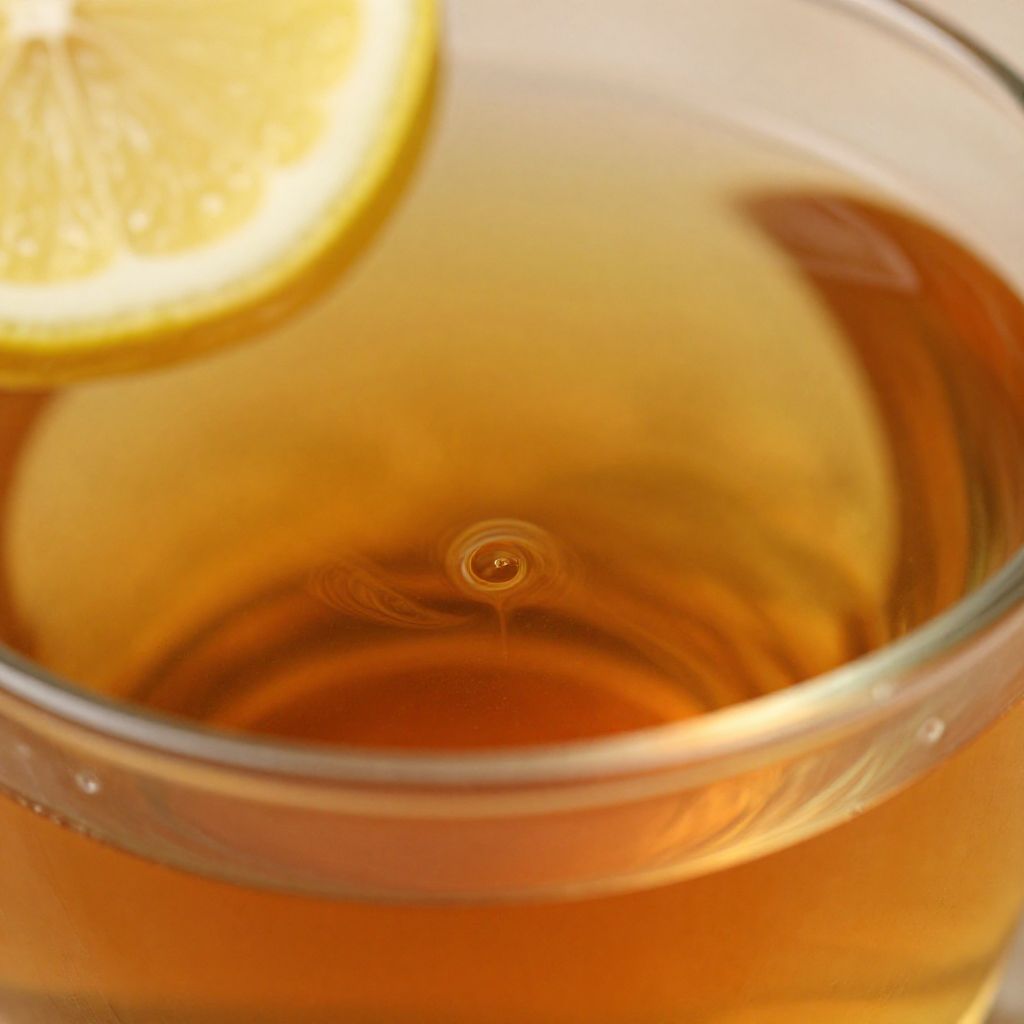
Step 1: Gather Your Ingredients
Start by collecting all your ingredients and equipment. This ensures a smooth process without searching for items midway.
Step 2: Boil the Water
Heat 2 cups of water in your teapot or saucepan until it reaches a rolling boil. Boiling water helps to extract the flavors and nutrients effectively.
Step 3: Add Dandelion Leaves
Add 1 tablespoon of dried dandelion leaves (or 2 tablespoons of fresh) to the boiling water. This is where the magic begins as the leaves release their essence into the water.
Step 4: Steep the Tea
Remove the pot from heat and cover it. Let the tea steep for about 10 minutes for the best flavor. Steeping time allows the leaves to fully infuse the water.
Step 5: Strain the Tea
Use a strainer or tea infuser to separate the liquid from the leaves. This step keeps your tea smooth and enjoyable without any leafy bits.
Step 6: Sweeten to Taste
If you like, add honey or your preferred sweetener to the tea. This balances the earthy flavor and adds a personal touch.
Step 7: Add Lemon Juice
For a refreshing twist, squeeze in a bit of lemon juice. The acidity brightens the flavor profile, making it even more delightful.
Step 8: Serve and Enjoy
Pour the tea into your favorite cup and enjoy it hot, or let it cool and serve over ice. Each sip is a little moment of joy.
Pro Tip: Experiment with different steeping times to find your perfect flavor balance.
Tips for the Best Dandelion Tea
- Use fresh dandelion leaves for a brighter flavor if available.
- Adjust the steeping time based on how strong you like your tea.
- Try adding spices like ginger or cinnamon for added warmth.
- Store any leftover tea in the fridge for an iced version later.
- Make sure to harvest dandelions from areas free of pesticides.
Common Mistakes to Avoid
- Not boiling the water enough can lead to weak tea.
- Oversteeping can make the tea bitter, so keep an eye on the clock.
- Using dandelions from treated areas can introduce harmful chemicals.
- Forgetting to strain the tea can leave undesirable bits in your cup.
Serving Suggestions
Dandelion tea can be enjoyed on its own, but it pairs beautifully with various snacks.
- Light sandwiches or wraps
- Fresh fruit or fruit salad
- Cookies or light pastries
- Nuts and cheese for a savory contrast
Variations to Try
- Add fresh mint leaves for a refreshing twist.
- Incorporate a few slices of fresh ginger for a spicy kick.
- Mix in herbal tea blends like chamomile for additional flavors.
- Try making iced dandelion tea by cooling it with ice after brewing.
Dietary Adaptations
- Gluten-free: This recipe is naturally gluten-free.
- Dairy-free: No dairy ingredients are included.
- Vegan: Sweeteners can be adjusted to fit a vegan diet.
- Low-carb/keto: Use a low-calorie sweetener if desired.
Storage and Reheating
Refrigerator
Store leftover dandelion tea in an airtight container in the refrigerator.
- It stays fresh for up to 3 days.
- Reheat gently on the stove or in the microwave.
Freezer
For longer storage, pour cooled tea into ice cube trays.
- Freeze and use cubes in smoothies or other drinks.
Reheating
To reheat, warm the tea gently over low heat.
- Avoid boiling it again to maintain flavor.
Nutrition Information
| Nutrient | Amount |
|---|---|
| Calories | 2 |
| Total Fat | 0g |
| Saturated Fat | 0g |
| Carbohydrates | 0g |
| Fiber | 0g |
| Sugar | 0g |
| Protein | 0g |
| Sodium | 0mg |
| Cholesterol | 0mg |
This estimate can vary based on specific ingredients and portion sizes.
Frequently Asked Questions
Can I use fresh dandelion leaves instead of dried?
Yes, fresh leaves work beautifully and can enhance the flavor.
How far in advance can I make this tea?
You can make it a few days ahead and store it in the refrigerator.
What if my tea tastes bitter?
This might be due to oversteeping; try reducing the steep time next time.
Can I mix this tea with other herbal teas?
Absolutely! Dandelion tea blends well with many herbal flavors.
How can I sweeten my dandelion tea?
Honey, agave, or maple syrup are great options to enhance sweetness.
Final Thoughts
Making dandelion tea is a delightful way to connect with nature while nourishing your body. Whether enjoyed hot or iced, it’s a refreshing drink that surprises with its unique flavors.
I encourage you to give this tea a try and see how it fits into your beverage routine. For more herbal inspiration, check out this dandelion root tea recipe or explore an anti-inflammatory tea recipe.
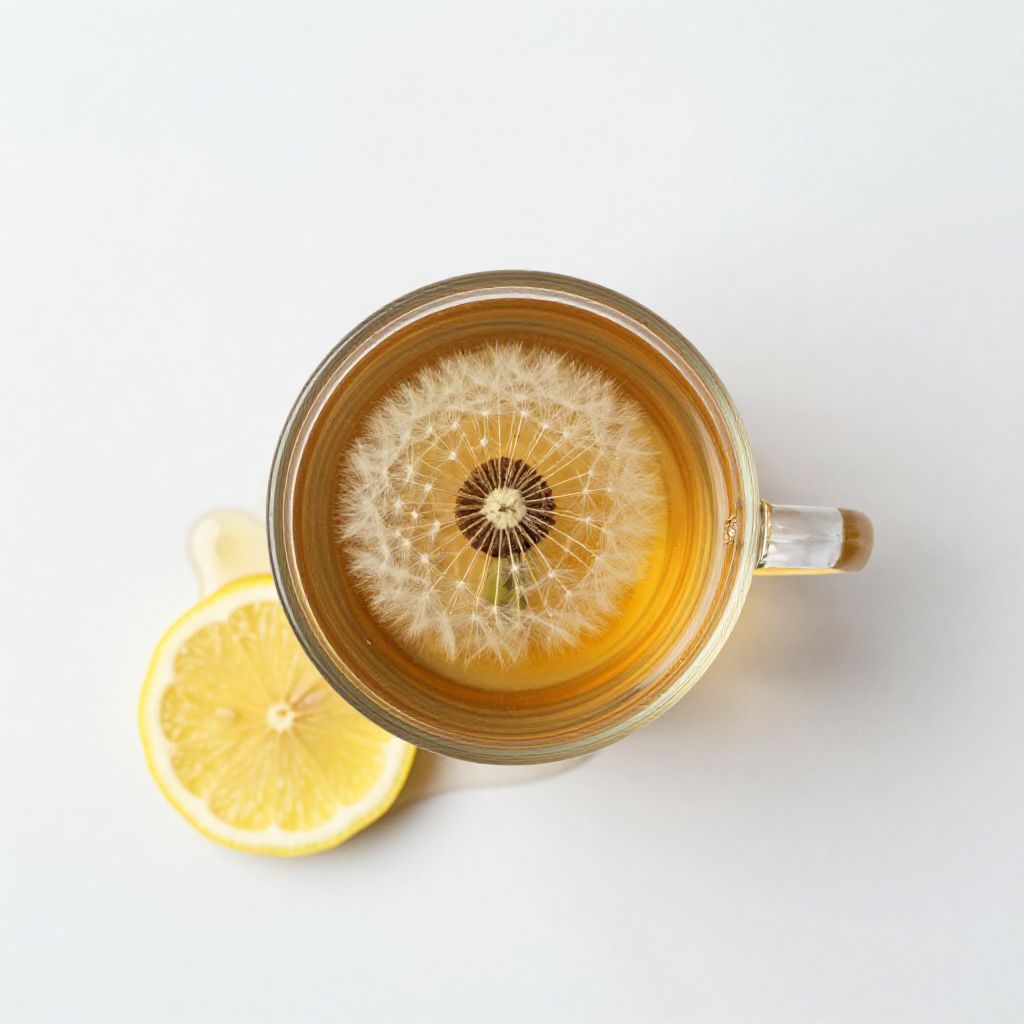
Dandelion Tea
Ingredients
Equipment
Method
- Gather all ingredients and equipment.
- Heat 2 cups of water in a teapot or saucepan over high heat until it reaches a rolling boil.
- Add 1 tablespoon dried dandelion leaves (or 2 tablespoons fresh leaves) to the boiling water.
- Remove the pot from heat, cover, and steep the tea for 10 minutes.
- Strain the tea using a strainer or tea infuser to remove the leaves.
- Add honey or sweetener to taste, stirring until dissolved.
- Squeeze in lemon juice to taste for a zestier flavor.
- Pour the tea into cups and serve hot, or let it cool and serve over ice.