
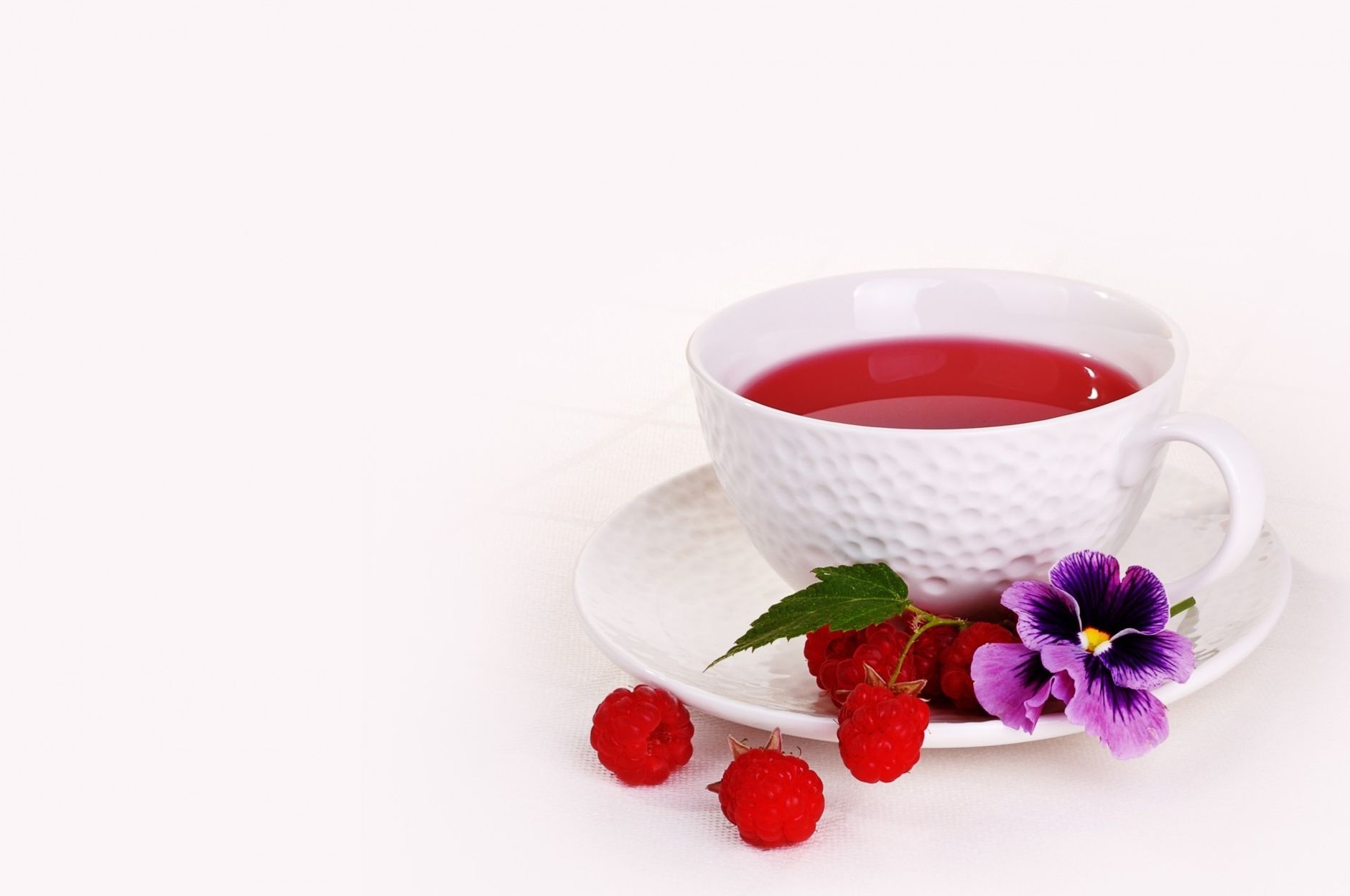
Raspberry leaf tea is not only a delightful herbal infusion but also a beverage steeped in tradition and practicality. Many people enjoy its mild, earthy flavor, along with the potential health benefits that have been appreciated across cultures for generations.
This guide will showcase how to make raspberry leaf tea, discussing the preparation methods, safety considerations, benefits, and practical tips to enhance your tea experience.
How To Make Raspberry Leaf Tea?
To make raspberry leaf tea, simply steep dried raspberry leaves in boiling water for about 10 to 15 minutes. The resulting tea has a rich, earthy flavor and is often enjoyed for its potential health benefits. This process is straightforward and requires minimal ingredients and equipment.
What Are Raspberry Leaves?
Raspberry leaves come from the raspberry plant (Rubus idaeus), a woody shrub that produces edible berries. The leaves are often harvested in late spring and summer, dried, and used to create a soothing herbal tea. They’re rich in vitamins and minerals, including Vitamin C, calcium, and magnesium, while exhibiting potential health benefits that many enthusiasts appreciate.
Ingredients for Raspberry Leaf Tea
To create your own raspberry leaf tea, you’ll only need a few ingredients, which makes it an accessible option for tea lovers. Below is a detailed list of what you need:
- 1 tablespoon of dried raspberry leaves (about 2 grams) per cup of tea
- 1 cup (240 ml) of boiling water
- Optional: Sweeteners (honey, sugar) or flavorings (lemon, ginger) for additional taste
Essential Equipment for Brewing Raspberry Leaf Tea
Here are the tools to have on hand while making raspberry leaf tea:
- Teapot or French press
- Tea strainer or infuser
- Cup or mug
- Measuring spoon
- Kettle for boiling water
Step-by-Step Brewing Instructions
Follow these straightforward steps to brew your raspberry leaf tea:
- Boil 1 cup (240 ml) of water in your kettle. Once the water reaches a rolling boil, remove it from the heat.
- Place 1 tablespoon of dried raspberry leaves into your teapot, French press, or infuser.
- Pour the boiling water over the raspberry leaves.
- Cover the teapot or French press and let the tea steep for 10 to 15 minutes, depending on the strength you prefer.
- If desired, strain the leaves from the tea using a tea strainer or simply remove the infuser.
- Enjoy your tea as is, or enhance it with sweeteners, lemon, or ginger according to your taste preferences.
Flavor Profile and Texture of Raspberry Leaf Tea
The flavor of raspberry leaf tea is mild and earthy, with subtle notes akin to green tea. It has a light, smooth texture, making it easy to drink—a characteristic that makes it a favorite among herbal tea enthusiasts.
Benefits of Raspberry Leaf Tea
Many people brew raspberry leaf tea for its potential health benefits, although scientific research is ongoing. Some noted benefits include:
- Women’s Health: Often consumed during pregnancy, raspberry leaf tea is believed to support reproductive health and may assist in easing labor, although pregnant individuals should consult a healthcare provider before use.
- Nutritional Content: Raspberry leaves are rich in vitamins and minerals, contributing to overall health.
- Digestive Health: It may alleviate digestive discomfort, thanks to its anti-inflammatory properties.
- Antioxidant Properties: Raspberry leaves contain antioxidants that may help reduce oxidative stress in the body.
Safety Considerations When Consuming Raspberry Leaf Tea
While raspberry leaf tea is generally considered safe for most individuals, there are some safety considerations to keep in mind:
- If you are pregnant, consult with a healthcare professional before drinking raspberry leaf tea, particularly in the first trimester.
- Those with underlying health conditions or those on medication should also speak with a healthcare provider to ensure there are no potential interactions.
- Excessive consumption may lead to gastrointestinal distress; moderation is key.
Substitutions and Variations
If you would like to vary your raspberry leaf tea or adapt the flavor profile, consider the following options:
- Raspberry Leaf and Hibiscus: Mix dried raspberry leaves with dried hibiscus flowers for a tangy twist.
- Raspberry Leaf and Mint: Add fresh or dried mint leaves to enhance freshness and aroma.
- Spiced Raspberry Leaf: Incorporate spices such as cinnamon or cloves for a warming beverage during colder months.
- Fruity Raspberry Leaf: Add slices of fresh fruit, such as lemon, to complement and enhance the flavor.
Common Mistakes to Avoid When Making Raspberry Leaf Tea
To ensure you enjoy the best flavor and benefits from your raspberry leaf tea, avoid these common mistakes:
- Using Too Much or Too Little Tea: Precision in measurement affects strength. Stick to the recommended tablespoon per cup.
- Insufficient Steeping Time: Allowing the tea to steep for the appropriate time is crucial for flavor extraction.
- Not Straining: Failing to strain the leaves may result in a gritty texture that detracts from the drinking experience.
Tips for the Perfect Cup of Raspberry Leaf Tea
To elevate your raspberry leaf tea-making experience, consider these additional tips:
- Experiment with different steeping times to discover your preferred flavor strength.
- Store dried raspberry leaves in an airtight container away from light and moisture to prolong freshness.
- Try blending raspberry leaf tea with other herbal teas for customizable flavors and benefits.
- Drink raspberry leaf tea regularly to enjoy the cumulative effects that may support overall well-being.
Serving Suggestions
Raspberry leaf tea can be enjoyed on its own, but here are several serving suggestions to enhance the experience:
- Serve warm with a slice of lemon or a drizzle of honey for sweetness.
- Pair with light snacks such as crackers, fruit, or pastries for an afternoon tea experience.
- Chill raspberry leaf tea and serve over ice for a refreshing summer beverage.
- Use it as a base for smoothies or smoothies to add a herbal flavor.
Make-Ahead Guidance
If you’re interested in brewing raspberry leaf tea in larger quantities, here’s how to make it ahead:
- Prepare a larger batch (4 cups) following the same method and allow it to cool.
- Store the brewed tea in an airtight container in the refrigerator. Consume within 3 to 5 days.
- To serve, gently reheat or enjoy chilled as part of a refreshing drink.
Storage and Reheating Instructions
For homemade raspberry leaf tea:
- Any leftover cooled tea can be stored in the refrigerator in a sealed container for up to 5 days.
- When reheating, warm on the stove over low heat or use the microwave in short increments, stirring in between to ensure even warming.
Raspberry leaf tea is a versatile herbal infusion that offers a mild taste and potential health benefits. With simple steps and a few key ingredients, you can create this refreshing beverage at home.
Explore further related recipes and cooking guides as you delve deeper into herbal beverages. Check out our raspberry leaf tea recipe and red raspberry leaf tea recipe for additional insights and variations!