
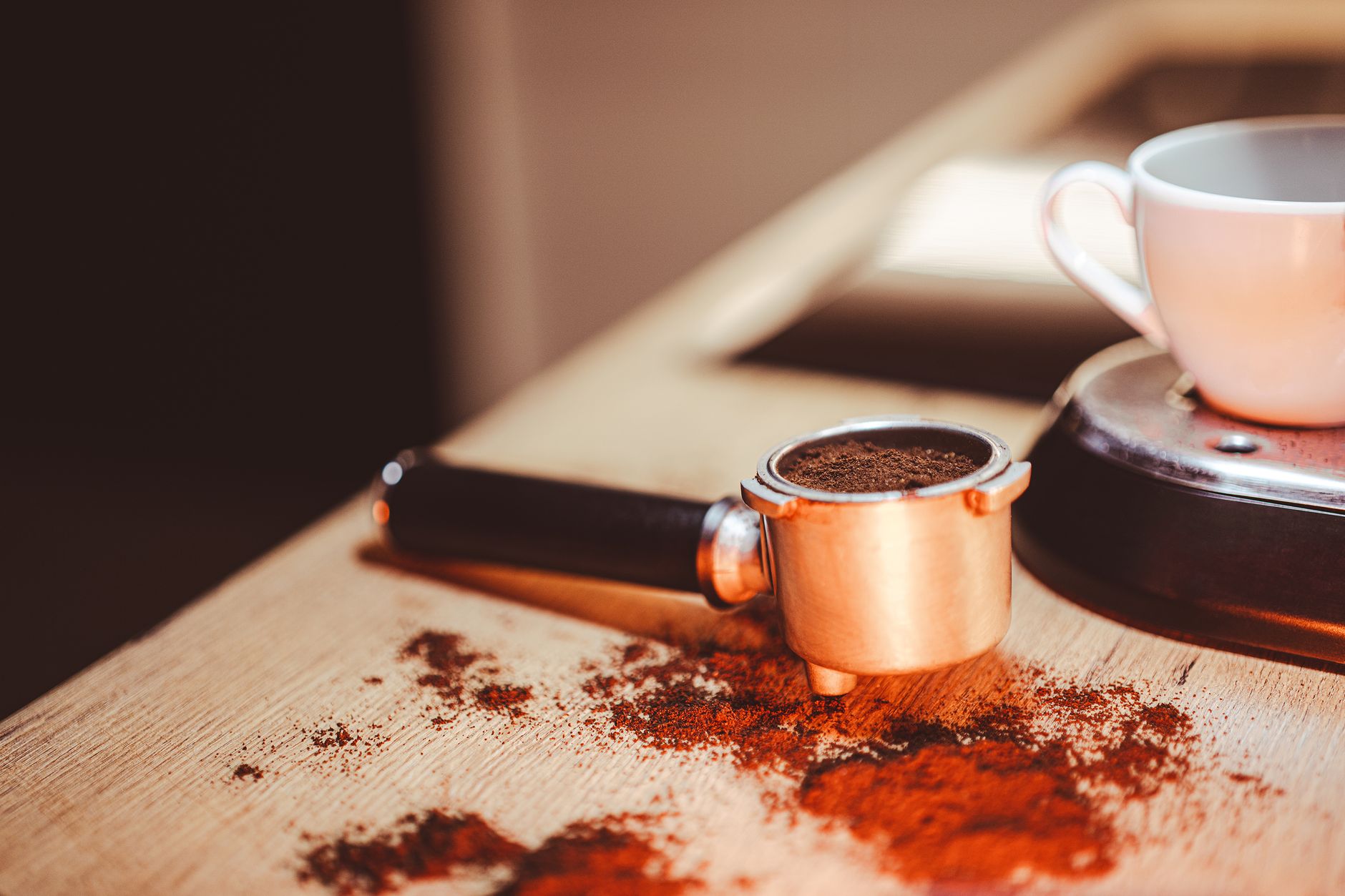
Coffee is one of the most beloved beverages worldwide, cherished for its rich flavor and stimulating properties. However, the quest for the ideal cup can leave many wondering: How much coffee grounds for 1 cup? Understanding the right amount of coffee grounds is essential for achieving the perfect brew, ensuring a balanced flavor and optimal caffeine release.
This article will delve into the specifics of coffee measurements, ideal brewing methods, flavors, and appropriate equipment to achieve the best results. Whether you are a casual coffee drinker or a brewing enthusiast, precise measurements and techniques are paramount to enjoying your daily cup of joe.
How Much Coffee Grounds For 1 Cup?
For one 8-ounce cup of coffee, it is recommended to use approximately 1 to 2 tablespoons of coffee grounds. The exact amount may vary based on personal preference, the coffee variety, and the brewing method.
Understanding Coffee Measurements
Coffee measurements can often be confusing, as they vary depending on the method of brewing, personal taste, and the type of beans used. Here, we break down the essential measurements and conversions to help you master your coffee-making skills.
Standard Measurements
- One tablespoon of coffee grounds: Approximately 5 grams of coffee.
- One cup of brewed coffee: Typically defined as 8 fluid ounces.
Recommended Ratios
The general guideline is to use a 1:15 ratio of coffee to water for a balanced cup. This means that for every gram of coffee, you will use about 15 grams of water. Using this guideline, here are some quick calculations:
- For an 8-ounce cup (about 240 grams of water): Use around 16 grams (or roughly 2 tablespoons) of coffee grounds.
- If you prefer a stronger coffee, you might increase the grounds to 3 tablespoons (approximately 24 grams).
Types of Coffee Grounds
The grind size of coffee grounds plays a crucial role in the final flavor and strength of your brew. Here are the common grind sizes and their recommended brewing methods:
| Grind Size | Recommended Brewing Methods | Flavor Profile |
|---|---|---|
| Coarse | French press, cold brew | Rich and bold |
| Medium | Drip coffee, pour-over | Balanced and smooth |
| Fine | Espresso, Aeropress | Strong and concentrated |
| Extra Fine | Turkish coffee | Dense and intense |
Popular Brewing Methods
Choosing the right brewing method can significantly influence your coffee’s taste and strength. Below, we cover several popular methods and their specific measurements for optimal flavor.
French Press
- Measure 1 to 2 tablespoons of coarse coffee grounds per 8 ounces of water.
- Boil water and let it cool for about 30 seconds for optimal brewing temperature.
- Pour the water over the coffee grounds in the press, stir, and let it steep for 4 minutes.
- Press the plunger and pour into your cup.
Drip Coffee Maker
- Use 1 to 2 tablespoons of medium grind coffee for every 6 ounces of water.
- Fill the reservoir with the appropriate amount of water.
- Place coffee grounds in the filter, start the machine, and let it brew.
Pour-Over
- Measure 1 to 2 tablespoons of medium grind coffee per 6 ounces of water.
- Boil water and let it cool for about 30 seconds.
- Pour just enough water over the grounds to wet them, letting them bloom. Allow to rest for about 30 seconds.
- Gradually pour the remaining water in a circular motion over the grounds.
Espresso
- Use approximately 2 tablespoons of fine grind coffee for a double shot (about 2 ounces).
- Tamp the coffee grounds in the portafilter firmly.
- Lock the portafilter in the machine and brew for around 25-30 seconds.
Common Mistakes When Measuring Coffee Grounds
Getting the right amount of coffee grounds isn’t just about measurements; it’s about understanding how to apply them correctly. Here are some common mistakes:
- Overpacking the coffee grounds: Using too much coffee can lead to bitterness and over-extraction.
- Inconsistent grind size: Various grind sizes can cause uneven extraction, leading to a disbalanced flavor.
- Poor water temperature: Water that is too hot can scorch the coffee, while too cold water can result in a weak brew.
Adjusting for Personal Preference
Every coffee drinker has a unique palate. Adjusting the amount of coffee grounds used can help customize the brew to individual tastes. Here are some tips:
- If you enjoy a stronger coffee, gradually increase the amount of coffee grounds until you find your sweet spot.
- Experiment with different coffee varieties. Dark roasts tend to have bolder flavors, while light roasts offer brighter notes.
- Consider the brewing method. Some methods may require more or fewer grounds than others.
Important Tools for Coffee Brewing
Having the right tools can improve the overall brewing experience. Below are essential coffee tools:
- Coffee Grinder: A burr grinder is recommended for even grind size.
- Coffee Scale: For precise measurements of coffee and water.
- French Press, Drip Maker, or Espresso Machine: Depending on your preferred brewing method.
Flavor Profiles and Bean Selection
The flavor of your coffee can change greatly based on the beans you choose. When selecting coffee beans, consider the following:
- Origin: Beans from different countries have distinct flavors. For example, Ethiopian beans are often floral and fruity, while Colombian beans are smoother and nuttier.
- Roast Level: Light roasts tend to be more acidic, while darker roasts are richer and bolder.
- Processing Method: This affects the flavor as well. Washed coffees usually have a cleaner taste, while natural processed coffees can be fruitier.
Experimenting with Coffee Styles
Here are a few popular styles of coffee you might want to explore:
- Cold Brew: Typically requires a coarser grind and a longer steep time, making it different from regular brewing.
- Iced Coffee: Brew hot coffee and pour it over ice, adjusting the coffee grounds for strength to account for dilution.
- Flavored Coffees: Adding flavors through flavored syrups or spices like cinnamon can create unique, personalized brews.
Storage and Freshness
To maintain the freshness and flavor of coffee beans, consider the following storage tips:
- Store coffee beans in an airtight container away from light and moisture.
- For maximum freshness, buy whole beans and grind them just before brewing.
- Avoid storing coffee in the refrigerator, as moisture can affect its quality.
Final Thoughts on Brewing the Perfect Cup
Finding the perfect amount of coffee grounds for one cup can be an enjoyable journey filled with experimentation. By following the above guidelines and adapting your brewing techniques to match your preferences, you’ll enhance your coffee experience.
To sum it up, using 1 to 2 tablespoons of coffee grounds per 8-ounce cup is a solid starting point, but feel free to adjust based on your taste. Remember that coffee brewing is an art as much as a science, so enjoy the process of refining your technique.
Next time you prepare a cup, consider trying a new method or adjusting your ratios. If you’re interested in exploring coffee variations further, check out our guides on iced coffee concentrate and brown sugar coffee recipes.