
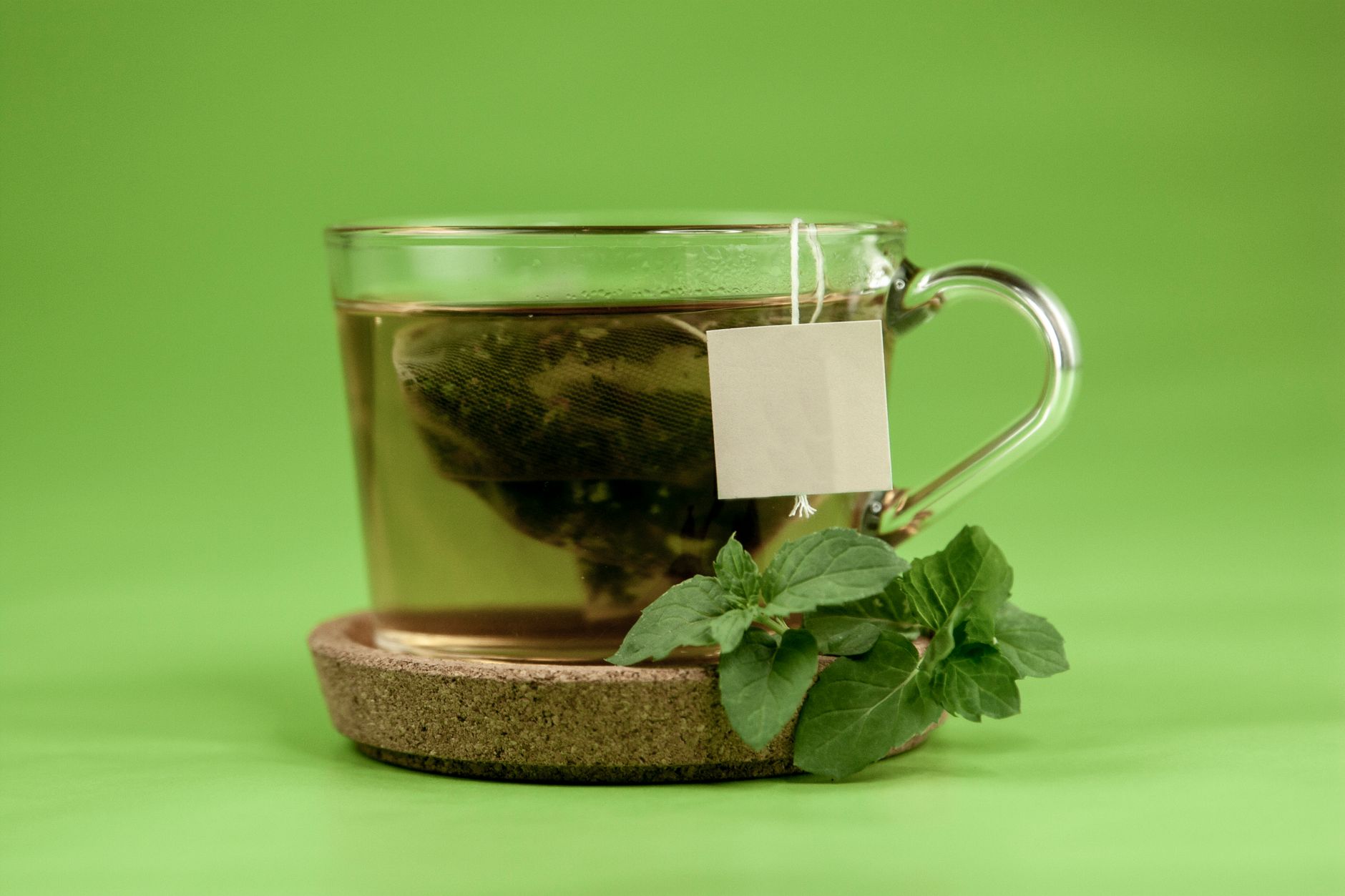
Caffeine is a natural stimulant found in many beverages, including tea. Understanding how much caffeine is in a tea bag can help you manage your intake and make informed choices about your beverage consumption. In this article, we will explore the caffeine content of various types of tea, factors that influence this content, and tips for maximizing flavor while managing caffeine levels.
Tea has a rich history and offers various flavors, aromas, and potential health benefits. Knowing the caffeine content in each tea bag allows you to enjoy your beverage while maintaining your desired caffeine level. Let’s dive into the details.
How Much Caffeine Is In A Tea Bag?
The caffeine content in a tea bag varies widely depending on the type of tea and several other factors. On average, a standard 8-ounce cup of brewed black tea contains about 40 to 70 milligrams of caffeine. Green tea generally has 20 to 45 milligrams, while herbal teas are often caffeine-free. Ultimately, the exact amount can depend on the specific tea brand, preparation method, and steeping time.
Types of Tea and Their Caffeine Content
Understanding the different types of tea and their expected caffeine levels can help you choose the right beverage for your needs. Below is an overview of common tea types and their approximate caffeine content per 8-ounce serving.
| Type of Tea | Caffeine Content (mg) |
|---|---|
| Black Tea | 40 – 70 |
| Green Tea | 20 – 45 |
| Oolong Tea | 30 – 50 |
| White Tea | 30 – 55 |
| Herbal Tea | 0 – 10 |
Black Tea
Black tea has the highest caffeine content among traditional teas. The caffeine level can vary depending on the tea variety and processing method. Strong black teas, like Assam and English Breakfast, are at the higher end of the caffeine spectrum.
Green Tea
Green tea is celebrated for its health benefits and generally has a lower caffeine content than black tea. It contains L-theanine, an amino acid that can promote relaxation and calmness, potentially balancing the stimulating effects of caffeine.
Oolong Tea
Oolong tea falls between black and green tea in terms of caffeine content. With its unique oxidation process, oolong tea is known for its rich flavor and aromatic profile, offering a moderate caffeine option.
White Tea
White tea is the most delicate form of tea, made from young leaves and buds. It has a mild flavor and is usually lower in caffeine than green tea, though the actual caffeine content can vary greatly depending on the specific tea variety.
Herbal Tea
Herbal teas typically do not contain tea leaves but rather a mixture of herbs, fruits, or flowers. Most herbal teas are caffeine-free, making them a suitable option for those looking to avoid caffeine entirely. However, some blends may contain ingredients with trace amounts of caffeine.
Factors Affecting Caffeine Content in Tea Bags
Several factors influence the caffeine content in a tea bag beyond the type of tea itself. Understanding these factors can help you make more informed decisions regarding your tea consumption.
1. Tea Variety
The specific variety of tea plays a crucial role in determining caffeine levels. For example, Assam black tea often has more caffeine than Darjeeling black tea. When selecting a tea, consider the variety and its known caffeine content.
2. Processing Methods
The way tea is processed and harvested can significantly influence its caffeine content. For instance, tea leaves from the tips of the plant (the youngest leaves) tend to have higher caffeine than older leaves, as they have not fully matured.
3. Brewing Time
The length of time you steep your tea can also impact its caffeine levels. Longer steeping times generally result in higher caffeine extraction. For example, brewing a black tea for five minutes will yield more caffeine than brewing it for just two minutes.
4. Water Temperature
The temperature of the water used to brew tea is another influencing factor. Hotter water can extract more caffeine compared to cooler water. Match your water temperature with the type of tea to get the best flavor and optimal caffeine levels.
5. Brand Differences
Caffeine content can vary significantly among brands, as different tea producers may have different processing methods and blends. Always check the packaging for specific caffeine information if you’re concerned about your intake.
Maximizing Flavor While Managing Caffeine Levels
If you enjoy tea but want to manage your caffeine intake, there are several strategies you can employ to maximize flavor while keeping caffeine levels in check. Here are some practical tips to help you enjoy your favorite teas responsibly.
1. Choose Decaffeinated Options
Decaffeinated teas offer the taste of traditional varieties with much lower caffeine content. This can be an excellent choice for those who love the flavor of tea but want to minimize their caffeine intake.
2. Experiment with Brewing Time
Adjusting the brewing time can help you fine-tune the caffeine content in your cup. If you prefer a middle ground with lower caffeine levels but still want flavors to shine, try steeping your tea for a shorter duration.
3. Opt for Herbal Alternatives
If you’re looking for a warm beverage without caffeine, switch to herbal teas. They are naturally caffeine-free and come in a wide array of flavors, ensuring you have many delightful options to choose from.
4. Combine Tea Blends
You can blend lower-caffeine teas with your favorite traditional varieties to create a custom blend that fits your flavor profile and caffeine preferences. For example, mixing green tea with a mild herbal tea can offer additional flavor without significantly increasing caffeine levels.
5. Stay Mindful of Your Frequency
Keep in mind how often you reach for a cup of tea. Moderation is key to managing overall caffeine intake. If you enjoy multiple cups throughout the day, consider alternating between higher and lower caffeine options.
Common Mistakes to Avoid When Brewing Tea
Brewing tea can be straightforward, but certain mistakes can affect flavor and caffeine extraction. Here are some common pitfalls and how to avoid them.
1. Using Water That’s Too Hot
Not all teas require boiling water. Green and white teas are best brewed with water that has cooled slightly, while black teas perform well in hotter water. Use a thermometer to check temperatures if you’re unsure.
2. Not Measuring Tea Leaves
Using too many tea leaves can lead to a bitter brew and increased caffeine content. As a rule of thumb, use one teaspoon of loose tea or one tea bag per 8-ounce cup and adjust according to taste.
3. Ignoring Steeping Time
Allowing your tea to steep for too long can introduce bitterness and result in an overly strong flavor profile. Set a timer for the recommended brewing time and avoid the temptation to exceed it.
4. Forgetting to Clean Your Equipment
Old residue from previous brews can affect the taste of your tea. Ensure that your tea preparation tools, such as teapots or infusers, are cleaned regularly to prevent off-flavors during brewing.
Storage Tips for Tea Bags
Properly storing tea bags can help maintain their freshness and flavor, which includes their respective caffeine levels. Here are some effective storage tips.
- Keep tea bags in a cool, dark place away from moisture, heat, and strong odors.
- Seal opened packages in airtight containers to protect against oxidation.
- Avoid exposing tea bags to sunlight or humid environments, which can degrade flavor and aroma.
- Consider using a dedicated tea canister for better preservation.
Exploring Different Tea Recipes
While black and green teas are widely popular, exploring various tea recipes can add enjoyment to your experience. You might find that many blends offer new and exciting flavor profiles without heavily impacting caffeine levels.
Vanilla Chai Tea
Chai tea blends the robust flavors of black tea with aromatic spices and creamy elements. Here is a simple vanilla chai tea recipe for you to try:
- 1 tea bag of your choice (preferably black tea)
- 1 cup of water
- 1/2 cup milk (dairy or non-dairy)
- 1 tablespoon vanilla extract
- 1 teaspoon sugar or sweetener (to taste)
- Boil water and steep the tea bag for 3-5 minutes.
- Remove the tea bag and add milk, vanilla extract, and sweetener.
- Stir well, and enjoy your homemade vanilla chai tea!
Raspberry Leaf Tea
Another flavorful option is raspberry leaf tea, which is caffeine-free. This herbal tea has a tart yet fragrant flavor. To brew it:
- 1 tablespoon raspberry leaf (loose or bagged)
- 1 cup of water
- Honey or sweetener (optional)
- Bring water to a boil.
- Steep raspberry leaves in boiling water for about 5-10 minutes.
- Strain the leaves, sweeten if desired, and enjoy!
Conclusion
Understanding how much caffeine is in a tea bag helps you navigate your beverage choices while enjoying the unique flavors of different teas. By considering various factors affecting caffeine content and employing strategies to manage your intake, you can savor your favorite brews without concern. Whether you decide on a robust black tea or a delicate herbal infusion, tea remains a delightful option for every occasion.
For more recipes or tips, feel free to explore our delicious vanilla chai tea and refreshing raspberry leaf tea recipes!