
There’s nothing quite like the scent of fresh hops filling the air as you brew your own Citra Pale Ale. This all-grain recipe is special because it captures the bright, citrusy flavors of Citra hops, making each sip a delightful experience. With a crisp finish and a smooth mouthfeel, it’s perfect for warm evenings or sharing with friends at gatherings. Let’s get brewing and transform your kitchen into a mini brewery!
Why You’ll Love This Recipe
This Citra Pale Ale recipe is a favorite among homebrewers for many reasons.
- Bright, citrusy aroma and flavor.
- Customizable to suit your taste.
- Great for sharing with friends.
- Simple all-grain process that’s rewarding.
- Perfect for any occasion, from casual to festive.
My Experience Making This Recipe
When I first brewed this Citra Pale Ale, the kitchen was filled with an enticing hop aroma that made my mouth water. Friends who tasted it were amazed, asking for the recipe right away.
Each time I make it, I’m reminded of how rewarding homebrewing can be, especially when you realize it’s your creation in that glass. The bright notes of citrus really stand out, making it a hit at every gathering.
Recipe Overview
- Recipe Name: Citra Pale Ale
- Servings: 5 gallons
- Prep Time: 30 minutes
- Cook Time: 60 minutes
- Total Time: 2 weeks (including fermentation)
- Course: Beverage
- Cuisine: American
- Calories per Serving: Approximately 180
Equipment You Will Need
- Brew kettle (at least 5 gallons)
- Mash tun
- Fermentation vessel (with airlock)
- Hydrometer
- Thermometer
- Bottling bucket
- Sanitizer
- Bottles and caps
Ingredients for Citra Pale Ale
- 8 lbs Pale Malt (2-row)
- 1 lb Crystal Malt (40L)
- 1 lb Carapils Malt
- 1 oz Citra hops (bittering)
- 2 oz Citra hops (flavor)
- 2 oz Citra hops (aroma)
- 1 packet American Ale Yeast
- 5 oz Corn sugar (for priming)
Ingredient Notes and Substitutions
- Pale Malt (2-row): This is the base malt that gives the beer its body and fermentable sugars. You can substitute with other pale malts but expect flavor changes.
- Crystal Malt (40L): Adds sweetness and color. You can use a different crystal malt for varied sweetness and color.
- Carapils Malt: Provides body and head retention. Omit for a lighter body, but you may lose some foam stability.
- Citra hops: Known for their citrusy flavor. You can swap for another hop variety, but the flavor profile will change significantly.
- American Ale Yeast: This yeast creates a clean flavor profile. Any neutral ale yeast can be used as a substitute.
How to Make Citra Pale Ale
Step 1: Heat the Water
Start by heating about 3.5 gallons of water to approximately 165°F (74°C). This temperature is necessary for mashing the grains effectively.
Step 2: Mash the Grains
Add your crushed grains to the heated water, maintaining a mash temperature of around 152°F (67°C) for 60 minutes. This allows enzymes to convert starches into fermentable sugars.
Step 3: Sparge the Grains
After mashing, sparge with enough hot water to collect around 6.5 gallons of wort in your brew kettle. Sparging helps extract the maximum sugars from the grains.
Step 4: Boil the Wort
Bring the wort to a rolling boil and add the bittering hops. Boil for 60 minutes, which helps develop the flavors and bitterness of the beer.
Step 5: Add Flavor and Aroma Hops
At 15 minutes remaining in the boil, add the flavor hops. This timing helps preserve their aromatic qualities.
Step 6: Chill the Wort
Once the boil is complete, chill the wort quickly using a wort chiller or ice bath to around 70°F (21°C). Rapid chilling minimizes the risk of contamination.
Step 7: Ferment
Transfer the cooled wort into the fermentation vessel and pitch the yeast. Seal it with an airlock and let it ferment in a dark, cool place for about two weeks.
Step 8: Bottle the Beer
Once fermentation is complete, mix the priming sugar with a small amount of water, then add it to the bottling bucket. Fill and cap your bottles, then let them carbonate for another 1-2 weeks.
Pro Tip: Always sanitize your equipment to prevent unwanted bacteria from ruining your brew!
Tips for the Best Citra Pale Ale
- Use fresh hops for the best flavor and aroma.
- Keep your fermentation temperature consistent for a clean taste.
- Be patient; good things take time, especially with fermentation.
- Experiment with hop timing for different flavor profiles.
- Always taste your brew before bottling to adjust any flavors.
Common Mistakes to Avoid
- Not sanitizing equipment: This can lead to off-flavors and contamination.
- Skipping the temperature checks: Maintaining temperatures is crucial during mashing and fermentation.
- Adding hops too late: This can lead to a lack of aroma and flavor in the final product.
- Rushing the fermentation: Bottling too early can result in over-carbonation or exploding bottles.
- Ignoring gravity readings: Not measuring can lead to unexpected alcohol levels and flavors.
Serving Suggestions
This Citra Pale Ale pairs wonderfully with a variety of dishes and snacks.
- Spicy chicken wings
- Fish tacos
- Grilled burgers
- Salty pretzels
- Cheese platters with sharp cheddar
Variations to Try
- Add a blend of different hops for a unique twist.
- Experiment with different malt profiles for a richer taste.
- Try dry hopping during fermentation for an extra aromatic punch.
- Incorporate fruit additions like orange peel for a citrus boost.
- Adjust the bitterness level by varying the hop additions.
Dietary Adaptations
- Gluten-free: Substitute with gluten-free grains like sorghum or rice.
- Dairy-free: This recipe is naturally dairy-free.
- Vegan/Vegetarian: All ingredients are plant-based, making it suitable for all diets.
- Low-carb/Keto: Reduce malt quantity for lower carbs, but flavor may be affected.
Storage and Reheating
Refrigerator
Store your bottled Citra Pale Ale in a cool, dark place or the refrigerator.
- Best consumed within 3 months.
- Keep upright to avoid sediment disturbance.
Freezer
It is not recommended to freeze beer, as this can alter the flavor and carbonation.
- Frozen beer can expand and break bottles.
Reheating
Reheating is not applicable for beer, but it should be served chilled.
- Gently chill before serving.
Nutrition Information
| Nutrient | Amount |
|---|---|
| Calories | 180 |
| Total Fat | 0 g |
| Saturated Fat | 0 g |
| Carbohydrates | 15 g |
| Fiber | 0 g |
| Sugar | 0 g |
| Protein | 2 g |
| Sodium | 10 mg |
| Cholesterol | 0 mg |
This information is approximate and can vary based on ingredients and brewing methods.
Frequently Asked Questions
Can I use extract instead of all-grain?
Yes, you can use malt extract; just adjust the water and sugar content accordingly.
How long can I store my Citra Pale Ale?
It is best enjoyed fresh but can be stored for up to 3 months if kept in a cool, dark place.
Why is my beer cloudy?
Cloudiness can result from residual proteins or yeast; this is normal and does not affect taste.
Can I dry hop this beer?
Absolutely, adding hops during fermentation enhances aroma significantly.
What if my fermentation is slow?
Check the temperature and yeast viability; sometimes a gentle swirl can help kickstart fermentation.
Final Thoughts
Brewing your own Citra Pale Ale is a rewarding experience that brings friends and family together. I encourage you to give this recipe a try and savor the fruits of your labor.
If you enjoyed this recipe, explore more brewing adventures like the Hazy IPA Recipe or a refreshing Saison Recipe. Happy brewing!
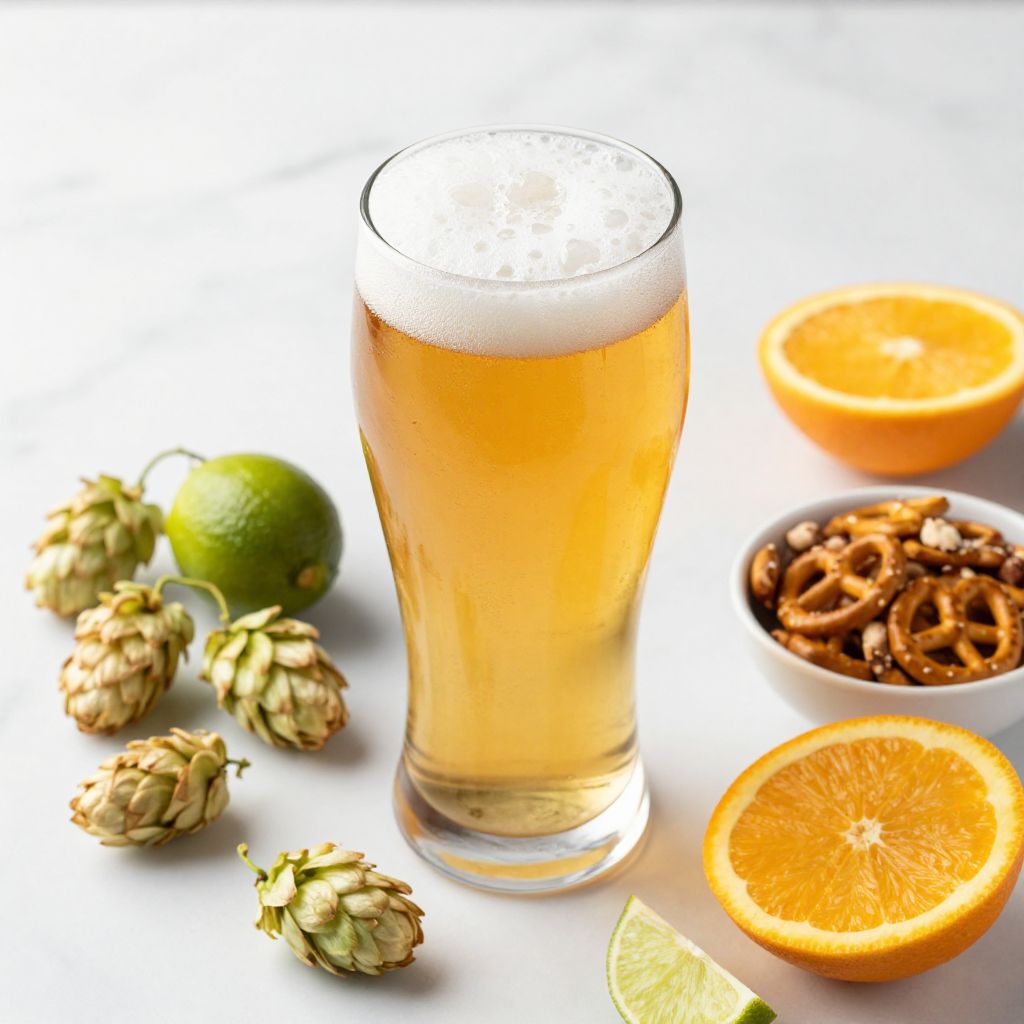
Citra Pale Ale
Ingredients
Equipment
Method
- Heat about 3.5 gallons of water to approximately 165°F (74°C).
- Add crushed grains to the heated water, maintaining a mash temperature of around 152°F (67°C) for 60 minutes.
- Sparge with enough hot water to collect around 6.5 gallons of wort in your brew kettle.
- Bring the wort to a rolling boil and add the bittering hops. Boil for 60 minutes.
- At 15 minutes remaining in the boil, add the flavor hops.
- Once the boil is complete, chill the wort quickly to around 70°F (21°C).
- Transfer the cooled wort into the fermentation vessel and pitch the yeast. Seal with an airlock and let ferment for about two weeks.
- Once fermentation is complete, mix the priming sugar with a small amount of water, then add to the bottling bucket.
- Fill and cap your bottles, then let them carbonate for another 1-2 weeks.