
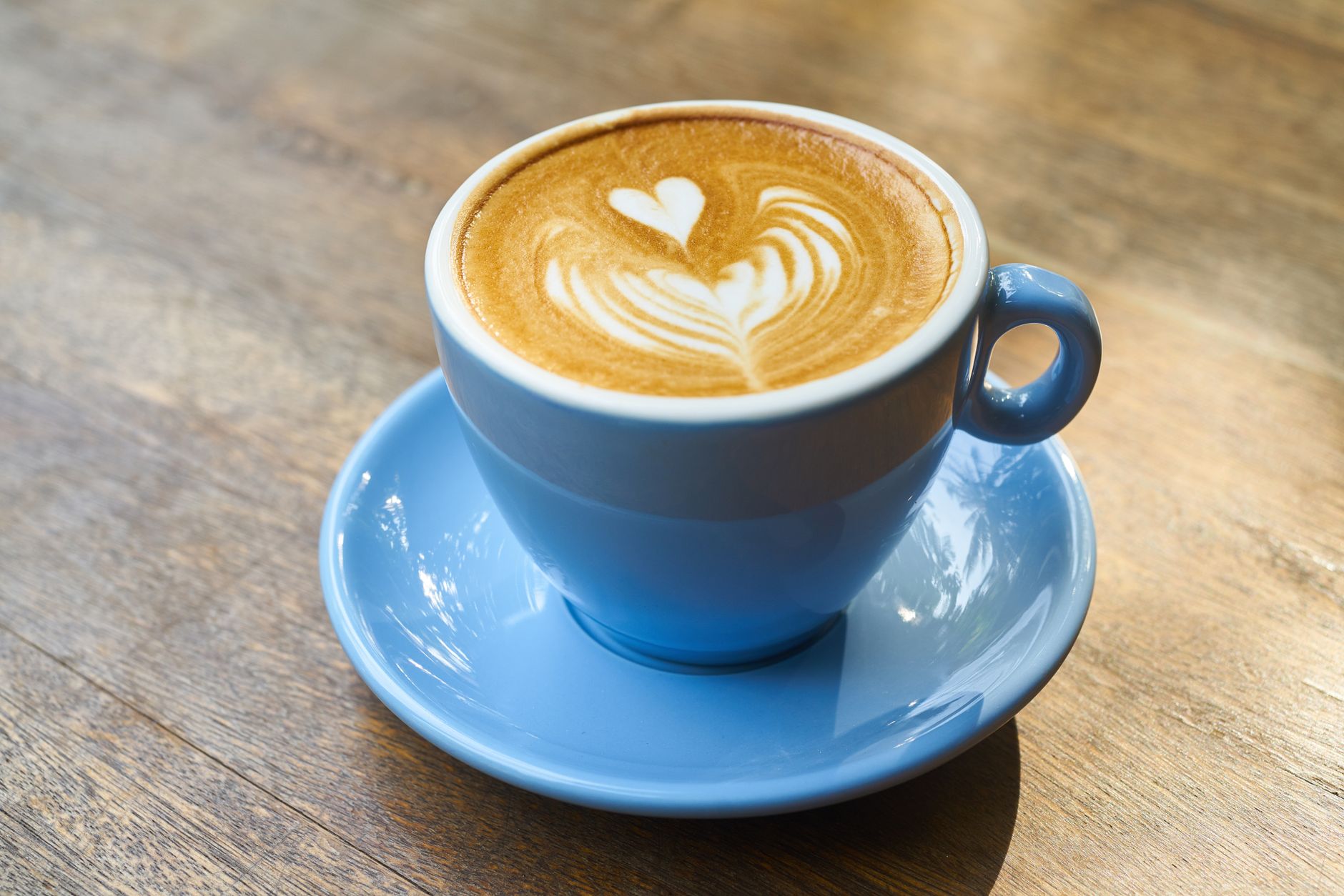
Cappuccino is not just a delightful beverage; it’s a daily ritual for many coffee enthusiasts. This creamy and frothy drink, made with espresso, steamed milk, and milk foam, has become a staple in cafes worldwide. Understanding how much caffeine is in cappuccino can help you make informed choices about your coffee consumption throughout the day.
This article will delve into the caffeine content of cappuccino, comparing it to other coffee drinks, discussing factors that can influence the caffeine levels, and providing tips for enjoying cappuccinos in moderation.
How Much Caffeine Is In Cappuccino?
A typical cappuccino contains about 63 milligrams of caffeine per serving, which is made with one shot of espresso. However, this amount can vary depending on the size of the drink and the type of coffee bean used. A standard serving size of cappuccino is usually 6 to 8 ounces, consisting of one part espresso, one part steamed milk, and one part milk foam.
Understanding Espresso and Caffeine Content
To fully grasp the caffeine levels in cappuccino, it is essential to understand espresso. Espresso is a concentrated coffee beverage brewed by forcing hot water through finely-ground coffee under pressure. The caffeine content found in espresso is significantly higher than in regular brewed coffee, primarily due to the brewing method.
Amount of Caffeine in Espresso
A single shot of espresso, which is about 1 ounce, contains approximately 63 milligrams of caffeine. When making cappuccino, one or more shots can be used, which will increase the overall caffeine content of the final drink.
Factors That Influence Caffeine Content in Cappuccino
Several factors can modify the caffeine content in cappuccino:
- Type of Coffee Bean: Different coffee beans have varying caffeine levels. Robusta beans, for example, contain about twice as much caffeine as Arabica beans. The choice of bean used for espresso will affect the final caffeine content.
- Number of Espresso Shots: Many coffee shops offer the option to add extra shots of espresso, which will obviously increase the caffeine content. A double shot of espresso will essentially double the caffeine to around 126 milligrams.
- Serving Size: Cappuccinos come in various sizes, from small to large. Larger servings will contain more espresso, thereby increasing caffeine levels.
- Preparation Method: Specialty or flavored cappuccinos may have additional ingredients, such as chocolate or flavored syrups, which could alter the perception of caffeine effects, though they typically do not add significant amounts of caffeine themselves.
A Comparative Look: Cappuccino and Other Coffee Drinks
To further understand your caffeinated choices, let’s see how cappuccino stacks up against other popular coffee beverages.
Regular Brewed Coffee
A standard 8-ounce cup of brewed coffee contains approximately 95 milligrams of caffeine. This is slightly higher than a cappuccino with one shot of espresso but can vary based on brewing strength and type of coffee.
Latte
A latte, which consists of one shot of espresso and more steamed milk, usually contains about 63 milligrams of caffeine, similar to a cappuccino. However, since lattes often use more milk, they may provide a different texture and flavor experience.
Americano
Americano is made by diluting a shot of espresso with hot water and retains the same caffeine content as a single shot of espresso—around 63 milligrams. The drink offers a different taste profile and is less creamy compared to cappuccino.
Mocha
A mocha, which combines espresso with steamed milk and chocolate syrup, often contains around 95 to 150 milligrams of caffeine depending on the number of espresso shots added, making it potentially more caffeinated than a standard cappuccino.
How to Caffeinate Wisely with Cappuccinos
While caffeine can offer a welcome energy boost, moderation is key to enjoying cappuccino without adverse effects like jitteriness or insomnia. Here are some practical tips for managing your caffeine intake:
1. Limit Your Caffeine Intake
Health organizations often recommend keeping caffeine consumption below 400 milligrams per day for most adults. This translates to about 6 espresso shots or 6 cappuccinos, assuming each contains a single shot.
2. Time Your Cappuccino
Consider the time of day when you consume cappuccino. Enjoying a cappuccino in the morning can help kickstart your day, but consuming it too late may affect your sleep. Aim to limit caffeine intake after the early afternoon.
3. Be Mindful of Add-ins
When ordering cappuccinos, be aware of the additional flavorings, syrups, or toppings that may increase sugar content as opposed to caffeine. This won’t affect caffeine levels but could influence how you feel post-consumption.
4. Experiment with Decaf
Many cafes now offer decaffeinated espresso options. If you enjoy the taste of cappuccino but want less caffeine, consider ordering a decaf cappuccino to reduce your caffeine intake while still savoring your favorite drink.
Making Cappuccino at Home
If you want to control the caffeine content and overall experience of your cappuccino, making it at home can be a rewarding option. Below are the steps and equipment needed to create a classic cappuccino.
Essential Equipment
- Espresso machine or stovetop espresso maker
- Milk frother or steam wand
- Coffee grinder (if using whole beans)
- Milk pitcher for steaming
- Cups for serving
Ingredients
- 1 shot of espresso (about 1 ounce)
- 4 ounces of milk (approximately 1/2 cup)
- Optional: Sweetener, cocoa powder, or cinnamon for garnish
Step-by-Step Method
- Prepare the Espresso: Use your espresso machine or stovetop maker to brew a single shot of espresso. Pour it into your cup.
- Froth the Milk: In a milk pitcher, steam the milk using your steam wand or frother, creating a velvety froth. Aim for tiny bubbles and a creamy texture.
- Combine the Ingredients: Pour the steamed milk over the espresso slowly, allowing the froth to rise to the top, creating a layered effect.
- Garnish: If desired, sprinkle cocoa powder, cinnamon, or even a drizzle of syrup on top for added flavor.
- Serve: Enjoy your homemade cappuccino immediately while it’s fresh and warm.
Common Mistakes When Making Cappuccino
Making cappuccino at home can be simple; however, certain mistakes can affect the final product:
- Poor Quality Beans: The quality of the coffee beans matters. Always opt for fresh, high-quality coffee beans for the best flavor.
- Incorrect Milk Temperature: Overheating milk can lead to scalding, affecting taste and texture. The ideal temperature for steamed milk is around 150°F to 155°F.
- Not Frothing Enough: Insufficient frothing will result in a lack of texture and flavor contrast in your cappuccino.
Storing and Refrigerating Cappuccino
Cappuccino is best enjoyed fresh, but if you have leftover cappuccino, you should store it properly. Follow these guidelines:
- Refrigeration: You can refrigerate leftover cappuccino, but note that the texture won’t be the same when reheated.
- Reheating: If you must reheat your cappuccino, do so gently on the stovetop or in a microwave, taking care not to bring it to a boil, which can alter the taste.
- Best Enjoyed Fresh: Consider making a smaller batch if you anticipate leftovers to enjoy the best flavor and texture.
Embrace the Pleasure of Cappuccino
Cappuccino is more than just a caffeine fix; it’s a delightful coffee experience. With an understanding of its caffeine content and considerations for preparation, you can enjoy this classic beverage thoughtfully. Whether you choose a café or your kitchen, crafting the right cappuccino can be a fulfilling endeavor.
Now that you know the caffeine content of cappuccino and how to make one, why not experiment with related drinks? Check out our French Vanilla Cappuccino Recipe or try a Dirty Chai Latte Recipe to broaden your coffee horizons!