
That first sip of a smooth, velvety cappuccino with hints of vanilla hitting your palate on a chilly morning is pure magic. The French vanilla cappuccino transforms an everyday coffee break into a luxurious café experience you can recreate at home in minutes.
This recipe combines the classic espresso-and-milk balance of a traditional cappuccino with the warm, creamy sweetness of French vanilla, creating a drink that feels indulgent yet utterly approachable. Whether you’re a coffee lover seeking a flavor upgrade or someone who enjoys their caffeine with a touch of elegance, this recipe delivers café-quality results without the price tag.
Why You’ll Love This Recipe
This cappuccino hits that sweet spot between simplicity and sophistication, requiring just a few quality ingredients and basic technique. You’ll feel like a barista in your own kitchen while sipping something genuinely delicious.
- Creamy, luxurious texture with a rich crema layer on top
- Balanced vanilla sweetness that complements rather than overwhelms the espresso
- Ready in under 5 minutes, perfect for busy mornings
- Works with standard kitchen equipment or espresso machines
- Easily customizable for different milk preferences and flavor intensities
My Experience Making This Recipe
I first made this cappuccino on a rainy Sunday morning when I wanted something special but didn’t feel like leaving the house. The moment I poured that silky microfoam over the espresso, I knew I’d stumbled onto something worth repeating.
What struck me most was how the vanilla doesn’t overshadow the coffee’s natural depth. Instead, it acts like a warm blanket wrapping around the espresso notes, making each sip feel cozy without tasting artificial or overly sweet.
My partner now requests this by name, and I’ve made it for friends who swear it tastes better than what they buy at chain coffee shops. The secret isn’t fancy equipment or rare ingredients, just proper technique and respecting each component’s role in the final cup.
Recipe Overview
- Recipe Name: French Vanilla Cappuccino
- Servings: 1
- Prep Time: 2 minutes
- Cook Time: 3 minutes
- Total Time: 5 minutes
- Course: Beverage
- Cuisine: Italian-inspired with French vanilla twist
- Calories per Serving: 180
Equipment You Will Need
- Espresso machine with steam wand, or Moka pot for stovetop espresso
- Milk pitcher (stainless steel works best for steaming)
- Thermometer (optional but helpful for learning)
- 8 to 10-ounce coffee cup or mug
- Spoon for stirring
- Measuring spoons for vanilla syrup or extract
Ingredients for French Vanilla Cappuccino
- Espresso: 1 to 2 shots (1 to 2 ounces), freshly pulled
- Whole milk: 4 ounces cold, for steaming
- French vanilla syrup: 1/2 to 1 teaspoon, or vanilla extract for a lighter touch
- Honey or sugar: 1/2 teaspoon (optional, for added sweetness)
- Pinch of ground nutmeg or cinnamon (optional garnish)
Ingredient Notes and Substitutions
- Espresso: Freshly pulled shots create the best crema and body. If you don’t have an espresso machine, use a Moka pot or even strong brewed coffee in a pinch, though the texture won’t be quite the same. Instant espresso powder mixed with hot water works as a last resort.
- Whole milk: The higher fat content creates silkier microfoam and richer flavor. Substitute 2% milk for a lighter version, though the texture becomes less velvety. Oat or almond milk steams differently and won’t produce the same creamy result.
- French vanilla syrup: Store-bought syrups offer convenience and consistent flavor. Make your own by dissolving sugar in hot water with vanilla extract and a hint of almond extract for authenticity. Vanilla extract alone works but tastes sharper and requires careful measurement.
- Honey or sugar: Honey adds depth and rounds out vanilla notes smoothly. Agave nectar dissolves quickly in espresso but imparts a different flavor profile. Sweetened condensed milk can replace both syrup and sugar for ultra-creaminess.
How to Make French Vanilla Cappuccino
Step 1: Pull Your Espresso Shots
Start by pulling one or two fresh espresso shots directly into your cup, depending on how strong you like your coffee. The espresso’s heat will warm your cup and create the foundation for a balanced cappuccino, so don’t skip this step even if it feels quick.
Step 2: Add Your Vanilla Flavoring
While the espresso is still hot, stir in your French vanilla syrup or vanilla extract thoroughly until it dissolves completely. Adding the vanilla now allows it to blend seamlessly with the hot espresso rather than sitting on top as a sweet layer later.
Step 3: Fill Your Milk Pitcher
Pour cold whole milk into your stainless steel pitcher, filling it about one-third of the way up the sides. Cold milk froths better than room temperature milk, and the pitcher size matters because you need space for the milk to expand as air enters during steaming.
Step 4: Position the Steam Wand
Insert the steam wand just below the surface of the milk at a slight angle, positioning it off-center so the milk creates a whirlpool motion. This spinning motion incorporates air evenly throughout the milk rather than creating one big bubble, which would result in poor texture.
Step 5: Begin Steaming at the Right Depth
Turn on the steam wand and hold the pitcher so the wand tip stays barely submerged, producing a gentle hissing sound that tells you you’re aerating correctly. Listen for a soft, consistent whisper rather than a loud screech, which indicates too much air too fast and will result in big foam bubbles instead of silky microfoam.
Step 6: Deepen and Heat the Milk
After about two seconds of that surface aeration sound, push the pitcher down slightly so the steam wand goes deeper into the milk, focusing on heating it to around 150 to 155 degrees Fahrenheit. At this point, you’re building heat and texture simultaneously, so the whirlpool motion becomes even more important for keeping everything smooth and creamy.
Step 7: Check the Temperature
Stop steaming when the pitcher becomes too hot to hold comfortably or when your thermometer reads 150 to 155 degrees. Overheating milk above 160 degrees breaks down its proteins and creates a scalded, bitter taste that ruins an otherwise perfect cappuccino.
Step 8: Tap and Swirl the Pitcher
Remove the steam wand and gently tap the pitcher on the counter a few times to pop any large bubbles that may have formed on the surface. Swirl the milk slowly in the pitcher for a few seconds so the microfoam integrates fully and the texture becomes uniformly velvety.
Step 9: Pour the Milk into Your Espresso
Pour the steamed milk into your espresso cup slowly, starting from high and gradually lowering the pitcher as the cup fills so you create proper layering. A proper cappuccino has roughly equal parts espresso, steamed milk, and microfoam, so aim for a ratio that feels balanced on your palate.
Step 10: Top with Foam and Garnish
Finish by pouring a layer of velvety microfoam on top of the milk so it sits as a beautiful crown on your cappuccino. Add a light dusting of ground nutmeg or cinnamon if you’d like an extra visual touch and a subtle spice note that complements the vanilla beautifully.
Pro Tip: The difference between a mediocre and exceptional cappuccino comes down to milk texture, so invest time in learning to steam milk correctly rather than worrying about fancy beans or expensive equipment.
Tips for the Best French Vanilla Cappuccino
- Use freshly pulled espresso every time, as old shots taste stale and bitter no matter how good your milk technique is. Espresso degrades quickly once pulled, so start steaming your milk as soon as you pull the shots.
- Keep your milk pitcher scrupulously clean and completely dry before steaming, as any residual water or old milk fat affects foam quality. Wash and dry it right after use to prevent buildup.
- Practice your steam wand technique with patience, knowing that texture improves dramatically once you nail the angle and depth. Most people get better results after making five to ten cappuccinos, so don’t expect perfection immediately.
- Taste your vanilla syrup before adding it to your espresso, as some brands are sweeter than others and you may need to adjust the amount. Start with half a teaspoon and add more if needed rather than oversweetening from the start.
- Serve your cappuccino immediately after pouring, as the temperature and foam quality degrade within a few minutes if left sitting. Have your cup ready and your drinker standing by so nothing cools down or separates.
- Experiment with different vanilla sources, including real vanilla paste, homemade vanilla syrup, or even a small pinch of vanilla bean powder scraped fresh. Each variation creates slightly different flavor notes and intensity levels.
Common Mistakes to Avoid
- Overheating the milk above 160 degrees kills the natural sweetness and creates a burnt, scalded flavor that dominates the entire drink. Always pull the pitcher away from heat as soon as it feels uncomfortably hot to hold.
- Pouring cold milk directly over hot espresso without steaming it defeats the whole purpose and creates a weak, unsatisfying drink. Steaming emulsifies the milk and creates the texture that makes cappuccinos special.
- Using too much vanilla syrup drowns out the espresso’s flavor and turns your cappuccino into a dessert drink that tastes artificial. Remember that vanilla should complement and enhance, not overpower.
- Neglecting to purge your steam wand before and after steaming allows old milk to dry and crust up inside, affecting future drinks. Always open the steam for a quick second before and immediately after steaming to clear any buildup.
- Waiting too long between steaming and pouring causes the milk to separate, with the foam floating away from the liquid milk underneath. Pour as soon as the milk reaches temperature for the best integration and presentation.
Serving Suggestions
A French vanilla cappuccino stands beautifully on its own as a morning coffee ritual or afternoon pick-me-up. Pair it thoughtfully with foods that complement its creamy sweetness without competing for attention.
- Buttery croissants or almond biscotti that provide a textural contrast to the silky cappuccino
- Vanilla bean scones with clotted cream and jam for a full French-inspired experience
- Cinnamon or cardamom cookies that echo the cappuccino’s warm spice notes
- Plain toast with honey or jam to keep breakfast simple while letting the cappuccino shine
- Dark chocolate truffles or a small brownie for those who enjoy the vanilla and chocolate pairing
Variations to Try
- Iced French Vanilla Cappuccino: Chill your espresso first, then pour it over ice with cold milk, vanilla syrup, and a layer of cold foam for a summer version. The vanilla sweetness actually becomes more pronounced when cold, so reduce the syrup amount slightly.
- French Vanilla Cappuccino with Caramel Drizzle: Add a light drizzle of caramel sauce over the finished foam for extra depth and visual appeal. The caramel and vanilla pairing is classic for good reason.
- Double Shot French Vanilla Cappuccino: Use two full espresso shots instead of one for those who prefer a stronger coffee flavor that stands up to the vanilla. This ratio works beautifully for coffee lovers who find standard cappuccinos too milk-heavy.
- French Vanilla Cappuccino with Almond Milk: Substitute almond milk for whole milk if you prefer a nuttier backdrop for the vanilla. Almond milk steams less smoothly, so expect a slightly looser foam, but the flavor pairing works wonderfully.
- Spiced French Vanilla Cappuccino: Add a tiny pinch of cardamom or nutmeg directly to your espresso before adding the vanilla for a more complex spice profile. This variation tastes like a sophisticated fall drink year-round.
Dietary Adaptations
- Gluten-free: This recipe is naturally gluten-free, as espresso, milk, and vanilla contain no gluten. Verify that any store-bought vanilla syrup you use hasn’t been processed in a facility with gluten contamination.
- Dairy-free: Substitute oat milk or barista-blend almond milk for whole milk, as these steam more effectively than regular plant-based options. The texture won’t match whole milk’s silkiness, but the flavor remains excellent.
- Vegan: Use any dairy-free milk and ensure your vanilla syrup contains no animal products, as some brands use shellac or other non-vegan ingredients. Cashew cream creates the richest dairy-free version if you’re willing to blend and strain it fresh.
- Low-carb or keto: Replace regular vanilla syrup with a sugar-free alternative like monk fruit or erythritol-sweetened syrup. Be cautious with some sugar-free syrups, as they can taste artificial or leave a bitter aftertaste.
Storage and Reheating
Refrigerator
Leftover espresso can be stored in an airtight container for up to 48 hours, though flavor degrades quickly. Prepared cappuccinos don’t store well as the foam separates and the milk becomes unappetizing, so make fresh drinks rather than storing them.
- Store vanilla syrup in a sealed bottle in the refrigerator for up to two weeks
- Keep cold milk in its original carton at 40 degrees or below
Freezer
Freezing prepared cappuccinos creates an unpleasant icy texture when thawed and is not recommended. However, you can freeze strong espresso in ice cube trays for later use in iced cappuccinos if you’d like to batch-prepare coffee.
- Freeze espresso in standard ice cube trays for convenient portions
- Store frozen espresso cubes in a freezer bag for up to one month
Reheating
Never reheat a prepared cappuccino, as the milk will separate, the foam will disappear, and the texture becomes grainy and unpleasant. Always make fresh cappuccinos to order for the best results.
- If you have leftover espresso, warm it gently in a small saucepan over low heat and re-steam fresh milk for a new drink
- Never microwave espresso or milk, as this creates uneven heating and ruins texture
Nutrition Information
| Nutrient | Amount |
|---|---|
| Calories | 180 |
| Total Fat | 7 grams |
| Saturated Fat | 4.5 grams |
| Carbohydrates | 14 grams |
| Fiber | 0 grams |
| Sugar | 13 grams |
| Protein | 8 grams |
| Sodium | 105 milligrams |
| Cholesterol | 20 milligrams |
Nutritional values are estimates based on standard ingredients and one serving per recipe. Individual values may vary depending on specific brands and quantities used, so use this information as a general guideline rather than absolute truth.
Frequently Asked Questions
Can I make this recipe without an espresso machine?
Yes, you can use a Moka pot for stovetop espresso or even very strong brewed coffee from a pour-over or French press. The texture and crema won’t be quite the same as true espresso, but the drink remains delicious and the vanilla flavor shines through nicely.
What’s the difference between a cappuccino and a latte?
A cappuccino has equal parts espresso, steamed milk, and microfoam, creating a stronger coffee taste with a thick foam layer. A latte uses more steamed milk and less foam, resulting in a creamier, milder coffee flavor.
How much vanilla should I actually use?
Start with half a teaspoon of syrup and taste before adding more, as vanilla intensity varies widely between brands. You want to taste the espresso as the primary flavor with vanilla as a supporting note, not the other way around.
Why does my milk foam look bubbly instead of silky?
Large bubbles form when you introduce too much air too quickly at the surface of the milk. Keep the steam wand just barely submerged and listen for a soft hissing sound rather than a loud screech, and you’ll develop finer microfoam.
Can I add sweetener after steaming the milk?
You can, but adding sweetener to the espresso before steaming the milk ensures better blending and more uniform sweetness throughout. If you add syrup after the fact, you risk creating pockets of sweetness rather than a balanced drink.
What kind of milk froths best?
Whole milk froths most easily and creates the silkiest texture due to its higher fat content and protein structure. Two percent milk works acceptably, but anything below that or non-dairy options struggle to develop the same creamy microfoam.
Final Thoughts
The French vanilla cappuccino proves that you don’t need a fancy café or expensive equipment to create something truly special every morning. Once you master the basic technique, you’ll find yourself skipping the coffee shop lines and making better drinks at home.
Give this recipe a try this week and notice how the vanilla transforms your cappuccino experience from routine to something you actually look forward to. Your taste buds and your wallet will thank you, and honestly, those are two very good reasons to pull an espresso shot right now.
Explore More Cappuccino Recipes
Now that you’ve mastered the French vanilla version, discover other delicious cappuccino variations and homemade coffee recipes that will elevate your morning routine.
Try making a cappuccino mix recipe for quick weekday mornings, or cool off with a refreshing freddo cappuccino recipe on warmer days. Both recipes bring their own unique appeal to your coffee repertoire and deserve a spot in your regular rotation.
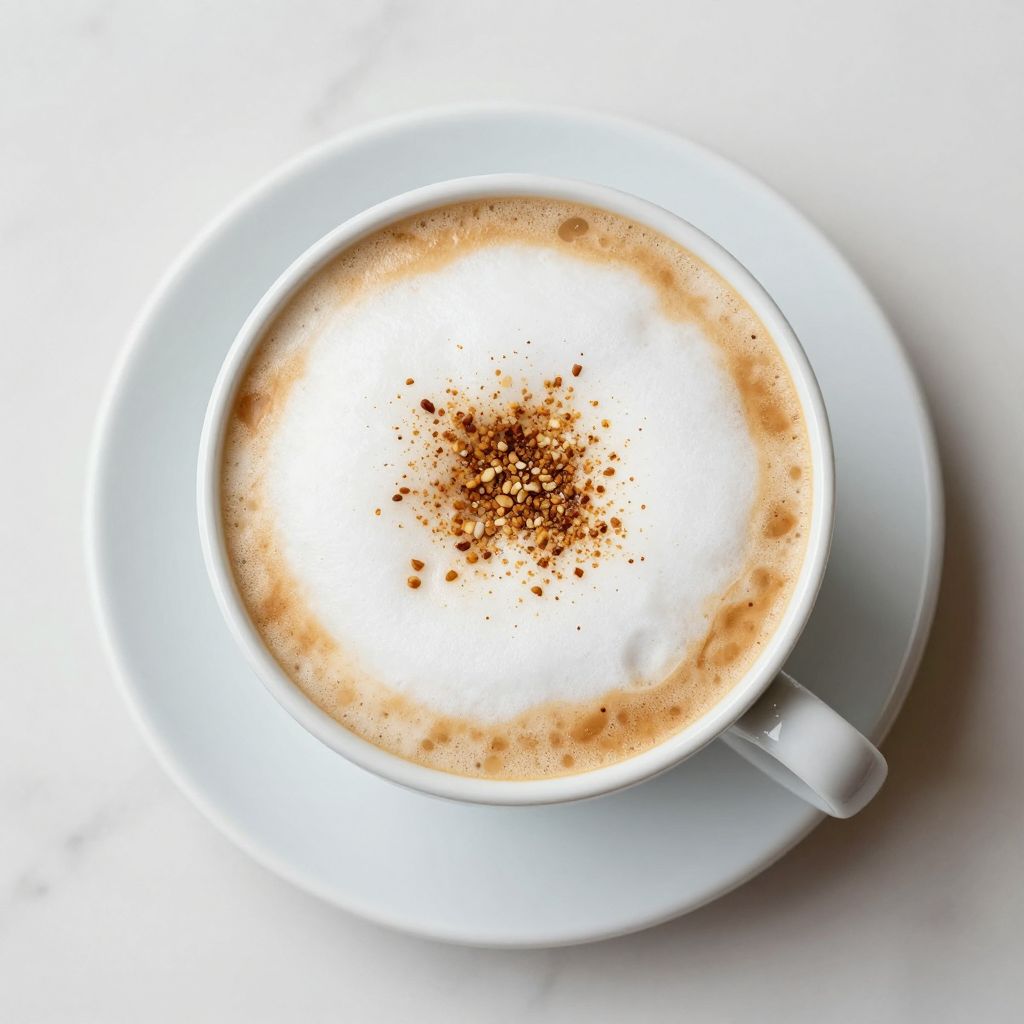
French Vanilla Cappuccino
Ingredients
Equipment
Method
- Pull 1 to 2 shots (1 to 2 ounces) of fresh espresso directly into a warmed 8 to 10-ounce coffee cup to preheat the cup.
- Stir 1/2 to 1 teaspoon French vanilla syrup or vanilla extract into the hot espresso until fully dissolved, blending the flavor evenly.
- Pour 4 ounces of cold whole milk into a milk pitcher, filling it about one-third full to allow room for frothing.
- Position the steam wand just below the milk surface at a slight angle and start steaming to create a whirlpool; aerate for about 2 seconds until you hear a gentle hissing sound.
- Submerge the steam wand deeper into the milk and continue steaming until the milk temperature reaches 150 to 155°F, about 30 to 45 seconds, creating silky microfoam.
- Turn off the steam wand and remove it; tap the pitcher on the counter and swirl the milk gently to pop any large bubbles and integrate the foam.
- Slowly pour the steamed milk into the espresso, starting from a higher pour and lowering as the cup fills to achieve equal parts espresso, steamed milk, and microfoam.
- Finish by spooning or pouring the remaining microfoam on top to form a thick, velvety layer.
- Garnish with a pinch of ground nutmeg or cinnamon if desired to add a subtle spice note.
- Serve the French vanilla cappuccino immediately to enjoy the optimal texture and temperature.