
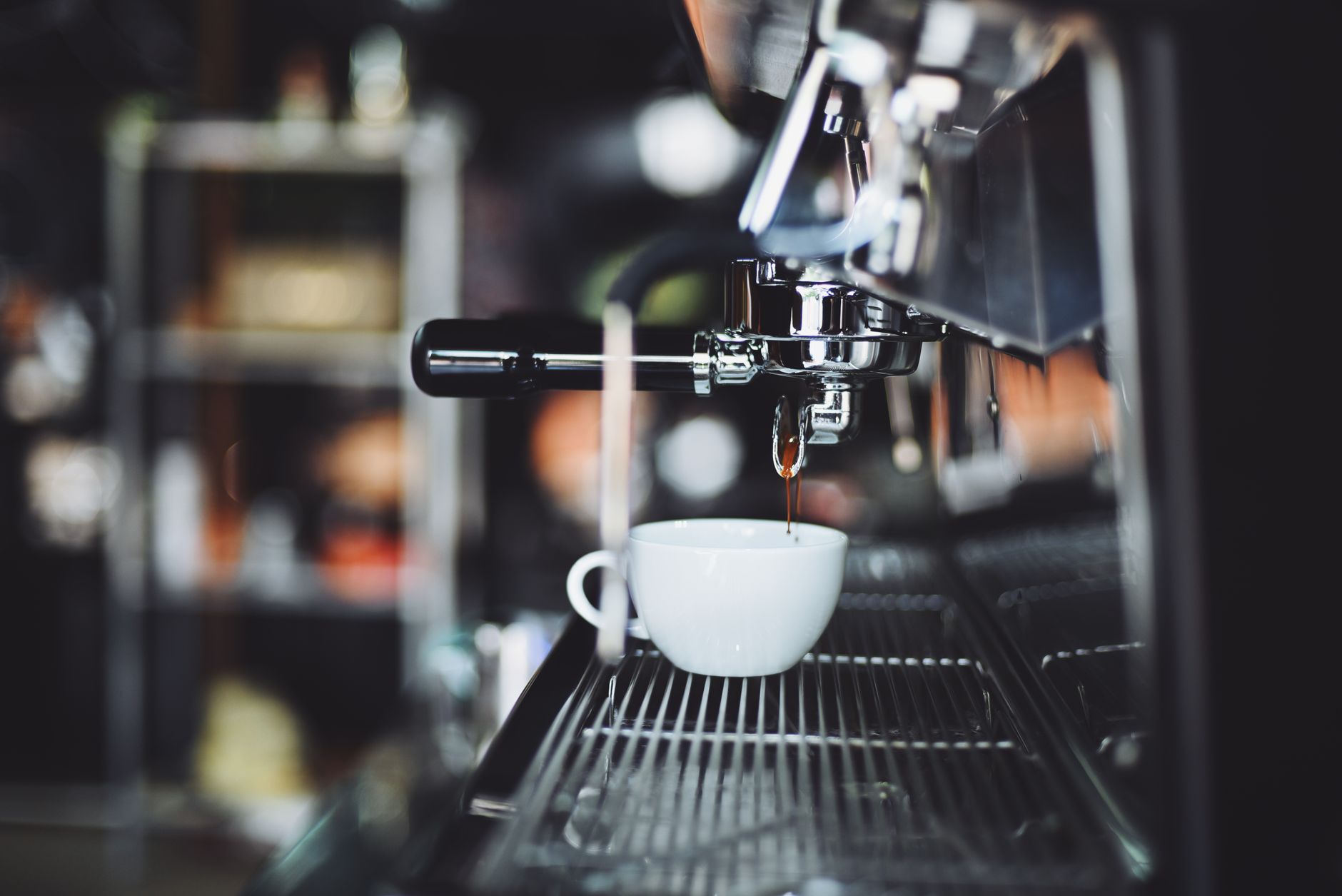
Coffee is one of the most beloved beverages worldwide, deeply embedded in cultures across continents. The rich aroma and stimulating kick that come with a cup of coffee make it a daily ritual for millions. But exactly how many people partake in this popular drink? Understanding the global coffee-drinking populace provides insights into trends, culture, and the sheer love for coffee.
As of recent estimates, approximately 2 billion cups of coffee are consumed each day around the globe, suggesting that a staggering number of people are enjoying this beverage regularly. Let’s dive deeper into the demographics, types of coffee enjoyed worldwide, and practical tips for those looking to enhance their coffee experiences.
How Many People Drink Coffee In The World?
Currently, around 2.25 billion cups of coffee are consumed each day across the globe, with approximately 50% to 60% of adults in various regions drinking coffee regularly. This converts to approximately 1.5 billion coffee drinkers worldwide, demonstrating its popularity as an everyday beverage.
The Global Reach of Coffee Consumption
Coffee consumption varies significantly among different countries and cultures. Let’s take a closer look at how it differs globally.
North America
In the United States, about 65% of adults drink coffee daily. The average person consumes around 3.1 cups per day. This trend is reflected in the rise of coffee shops and chains, making coffee a staple part of American life.
Europe
Europe is a coffee haven, with countries like Finland leading the world in coffee consumption per capita. Finns consume around 12 kg of coffee per person each year, translating to nearly four cups daily. Many European countries prefer lighter roasted coffee and espresso beverages.
Asia
The landscape in Asia is evolving, with countries like Japan and South Korea embracing coffee culture. While traditionally tea was the drink of choice, the introduction of cafes and specialty coffee has led to increased consumption. Café culture is growing in urban areas, appealing to younger generations.
Australia and New Zealand
Australians are known for their sophisticated coffee culture, particularly with styles like flat whites and long blacks becoming popular. About 75% of adults drink coffee regularly, emphasizing high-quality, locally sourced beans.
South America
In South America, coffee is not just a beverage; it’s a significant part of culture and economy. Brazil, the largest coffee producer, has a vibrant coffee-drinking population, with many people consuming coffee several times a day, often served in small, strong servings.
Types of Coffee Consumed Globally
With such a vast number of coffee drinkers, the variety of coffee types consumed is equally diverse. Here’s a breakdown of popular coffee styles enjoyed around the world:
Espresso
Espresso is the foundation for many coffee drinks and is especially popular in European countries. It is made by forcing hot water through finely-ground coffee, resulting in a concentrated drink.
Drip Coffee
In many parts of the world, especially the US, drip coffee reigns supreme. This method involves pouring water over ground coffee in a filter, producing a smooth cup that can be enjoyed black or with additives like cream and sugar.
French Press
The French press method is favored for its ability to provide a robust flavor. Coarsely ground coffee is steeped in hot water before being pushed down through a mesh filter, making for a thick and flavorful coffee.
Cold Brew
Cold brew coffee is gaining popularity, particularly during warmer months. It’s made by steeping coarsely ground coffee in cold water for an extended period. The result is a smoother, less acidic coffee that can be enjoyed over ice.
Espresso-Based Drinks
Drinks like lattes, cappuccinos, and macchiatos all stem from espresso and typically include steamed milk. These drinks are incredibly popular due to their versatility and the rich flavors they provide.
Specialty Coffee
As coffee culture continues to grow, specialty coffee shops focus on unique flavors, origins, and brewing techniques. This niche has led to an increase in artisanal approaches and interest in single-origin beans.
Health Benefits of Coffee
While coffee is primarily enjoyed for its flavor and caffeine boost, studies suggest several potential health benefits linked to moderate coffee consumption. Although not a substitute for medical advice, these insights may encourage coffee lovers to continue their habits:
- Antioxidants: Coffee is rich in antioxidants, which combat oxidative stress in the body.
- Mental Alertness: Caffeine in coffee can improve focus and concentration, aiding in productivity.
- Reduced Risk of Certain Diseases: Some studies suggest coffee drinkers may have a lower risk of diseases like Parkinson’s and Alzheimer’s.
- Liver Health: Moderate consumption may contribute to better liver health.
Tips for Enhancing Your Coffee Experience
For those who want to elevate their coffee experience or explore new tastes, here are some practical tips:
Choosing the Right Beans
Selecting high-quality, fresh coffee beans is crucial. Opt for beans from reputable roasters and consider single-origin options for unique flavor profiles.
Grinding Coffee
The grind size can significantly impact the flavor of your coffee. Coarser grinds are best for methods like French press, while finer grinds are ideal for espresso. Invest in a good burr grinder for consistent results.
Brewing Techniques
Experiment with different brewing methods to find what suits your palate. From pour-over to Aeropress, each method offers unique flavor extraction.
Water Quality
Water quality can affect the taste of your coffee. Use filtered or bottled water to avoid chlorine or heavy minerals that could alter the flavor.
Experimenting with Additives
While many enjoy their coffee black, adding spices like cinnamon or nutmeg can enhance the flavor profile. Milk or non-dairy alternatives can also create a different texture and taste.
Temperature Matters
The ideal brewing temperature for coffee is between 195°F to 205°F. Too hot or too cold water can affect extraction, resulting in bitter or underwhelming flavors.
Coffee and Cultural Trends
As coffee continues to evolve, so do the trends surrounding its consumption. Here are some notable movements in the coffee world:
Sustainability and Ethical Sourcing
As consumer awareness grows, the demand for ethically sourced and sustainable coffee is increasing. Seek out brands that prioritize fair trade practices and sustainable farming methods.
Specialty and Third Wave Coffee
The third wave coffee movement focuses on treating coffee as an artisanal beverage rather than a commodity. This trend emphasizes quality, sustainability, and unique flavor experiences.
Health-Conscious Options
With a growing awareness of health, many consumers explore alternative coffee options, such as mushroom coffee or low-acid varieties, which cater to health-conscious drinkers.
Café Culture Influence on Social Interactions
Cafés are not just places to grab a drink; they are social hubs where people engage and connect. The design of cafes often promotes relaxation, conversation, and a sense of community.
Common Coffee Mistakes and Troubleshooting
To achieve the perfect cup of coffee, be mindful of these common mistakes and tips to troubleshoot:
- Using Old Coffee: Freshness is key. Always use freshly roasted coffee beans within two weeks of roasting for optimal flavor.
- Wrong Coffee-to-Water Ratio: The standard ratio is about 1 to 2 tablespoons of coffee for every six ounces of water. Adjust to your taste preferences.
- Inconsistent Grind Size: Ensure your grinder is set correctly for your preferred brewing method to avoid over-extraction or under-extraction.
- Brewing Time: Over-brewing can lead to bitter flavors, while under-brewing results in a weak cup. Follow specific guidelines for the method you use.
Make-Ahead Coffee Drinks
Preparation can enhance your coffee experience while saving time during a busy week. Here are some ideas for make-ahead coffee drinks:
Cold Brew Coffee Concentrate
Coffee concentrate is perfect for quick, refreshing drinks. Combine coarsely ground coffee with water in a jar and let steep for 12 to 24 hours. Strain before storing in the fridge to enjoy over ice.
Overnight Oats with Coffee
For a caffeinated breakfast, combine oats, milk, and brewed coffee in a jar. Let it sit overnight for a quick, energizing meal in the morning.
Homemade Coffee Creamer
Create flavored creamers at home by mixing half-and-half with sweeteners and flavor extracts like vanilla, hazelnut, or caramel. Store in the refrigerator for easy access.
Storing Coffee Beans
Storage plays a significant role in preserving the freshness of your coffee. Follow these guidelines to ensure your beans remain flavorful:
- Air-Tight Container: Store beans in an air-tight container to limit exposure to oxygen, which can rapidly diminish flavor.
- Cool, Dark Place: Keep your coffee in a cool, dark cupboard. Avoid placing it in the fridge or freezer, as temperature fluctuations can lead to moisture buildup.
- Buy in Small Quantities: Purchase smaller amounts of coffee to ensure freshness. Experiment with local roasters to find flavors you enjoy!
Conclusion
Coffee is more than just a drink; it’s a cultural phenomenon that connects people worldwide. Whether you’re a casual drinker or a coffee connoisseur, understanding the nuances of this beloved beverage, from its consumption numbers to trends and preparation methods, can enhance your appreciation and enjoyment of coffee. Consider trying new coffee types, brewing methods, or even experimenting with unique flavors to make your next cup even more enjoyable.
Explore more coffee-related recipes such as Cold Brew Coffee Concentrate or discover an interesting coffee cocktail with our Coffee Negroni Recipe for your next gathering.