
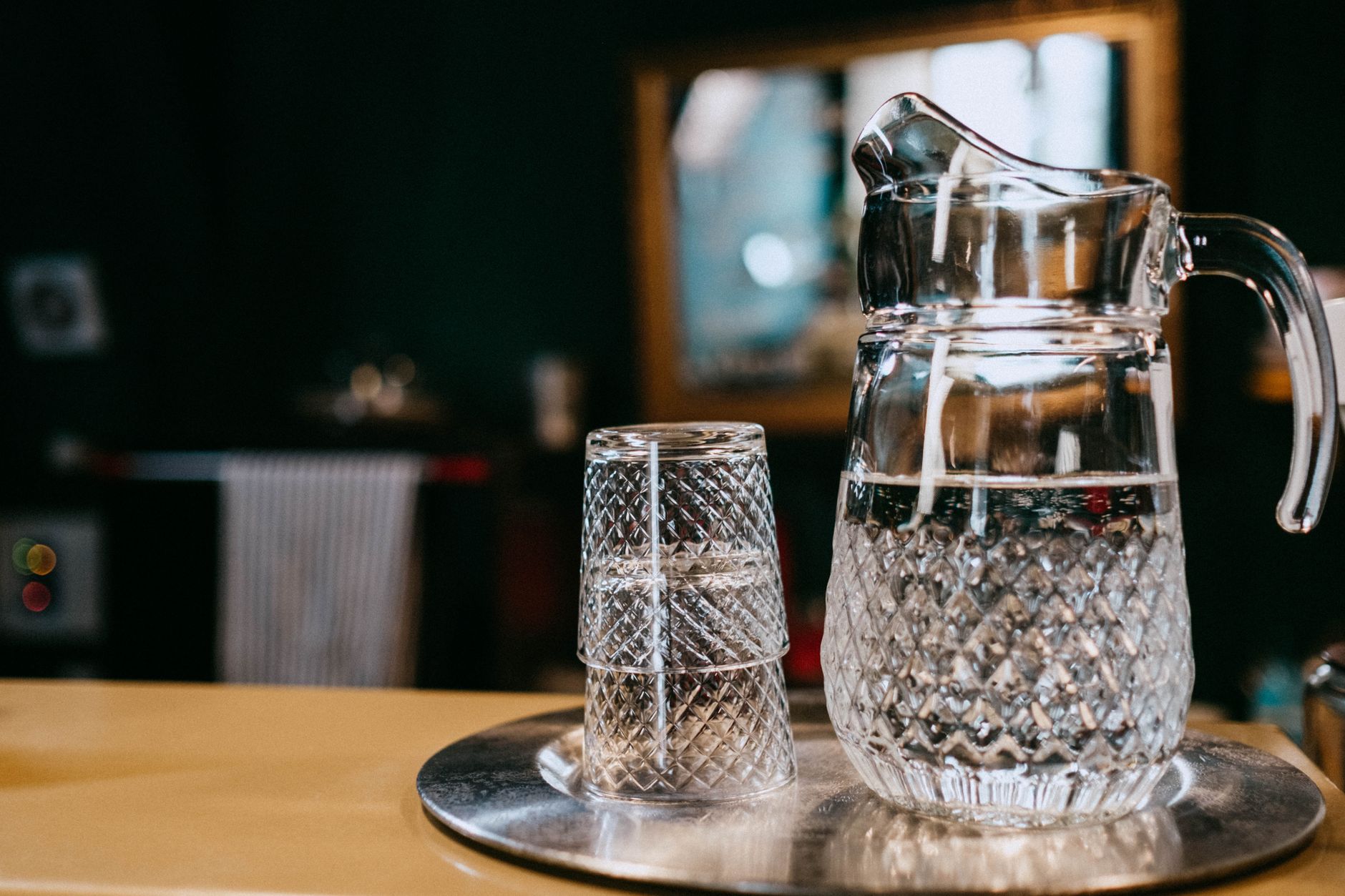
Understanding how much 3 liters of water looks like can be essential in various cooking and food preparation contexts. This guide will illustrate the visual representation of 3 liters of water, including measurements, practical applications in cooking, and its role in recipes.
Water is a fundamental cooking ingredient used for hydration, cooking, and enhancing flavors. Knowing how 3 liters translates into everyday measurements will help you better navigate your recipes and food projects.
What Does 3 Liters Of Water Look Like?
Three liters of water is equivalent to about 12.68 cups or approximately 3.17 quarts. Visually, this amount of water can fill a large mixing bowl or a standard-sized pitcher, which makes it a manageable volume for both cooking and entertaining.
Visual Representations of 3 Liters
To help visualize what 3 liters of water looks like, consider the following common containers and their capabilities:
- A standard 1-liter bottle: You would need three of these to make up 3 liters.
- A medium-sized pot (around 3-4 liters): This will give you a good idea of how 3 liters would fill the pot about three-quarters full.
- A standard pitcher: Most pitchers hold 1.5 to 2 liters, so two full pitchers would nearly give you 3 liters.
- A 3-liter soda container: If you’ve ever purchased soda, this is often the exact size offered in stores.
Practical Uses of 3 Liters of Water in Cooking
Water plays several critical roles in the kitchen, especially when it comes to cooking techniques, hydration in dough, and flavor enhancement. Here’s how you can apply 3 liters of water in cooking:
Cooking Techniques
Various cooking techniques require precise measurements of water. Here are a few examples:
- Boiling: When boiling pasta or vegetables, using about 3 liters of water ensures optimal cooking without overcrowding. The general rule is to use 1 liter of water per 100 grams of pasta.
- Soups and Stocks: A rich stock typically requires about 3 liters of water to extract flavors from bones and vegetables effectively, resulting in a well-balanced broth.
- Baking: Hydrating dry ingredients may require 3 liters of water, as many recipes call for warm water to activate yeast in bread-making.
Ingredient Preparation
When preparing ingredients, 3 liters of water can be extremely beneficial:
- Washing Vegetables: Rinsing leafy greens or root vegetables often requires a few liters of water to ensure cleanliness and remove any residual dirt.
- Soaking Grains: For many grains such as rice and quinoa, a soaking period with approximately 3 liters of water helps improve texture and nutrient absorption.
Flavor Enhancements
Water is often used as a medium to extract flavors. Consider the following:
- Beverages: When making lemonade or teas, starting with 3 liters of water is ideal for producing large batches, eliminating the need for constant refills.
- Soups: For hearty soups, using 3 liters of water allows for proper seasoning throughout, promoting balanced flavors by providing ample stock.
Recipes Utilizing 3 Liters of Water
Several recipes will illustrate how to incorporate 3 liters of water effectively. Here are a few examples.
Classic Vegetable Soup
This recipe utilizes 3 liters of water to create a comforting vegetable soup perfect for meal prep.
- Yield: 6 servings
- Preparation Time: 15 minutes
- Cooking Time: 45 minutes
- Total Time: 1 hour
Ingredients
- 3 liters of water
- 2 tablespoons olive oil
- 1 large onion, diced
- 3 cloves garlic, minced
- 2 medium carrots, diced
- 2 celery stalks, diced
- 1 medium zucchini, diced
- 2 potatoes, diced
- 2 cups green beans, chopped
- Salt and pepper, to taste
- 2 teaspoons dried thyme
- 2 bay leaves
Instructions
- In a large pot, heat the olive oil over medium heat.
- Add the onion and garlic, sautéing until they are fragrant and slightly translucent, about 5 minutes.
- Add the carrots and celery, cooking for an additional 5 minutes.
- Pour in the 3 liters of water and bring the mixture to a boil.
- Add the diced potatoes, zucchini, and green beans. Spice the soup with salt, pepper, thyme, and bay leaves.
- Reduce the heat to low and let it simmer for 30 minutes, or until the vegetables are tender.
- Remove the bay leaves before serving. Enjoy your hearty vegetable soup!
Simple Lemonade
This refreshing drink is perfect for using up that 3 liters of water.
- Yield: 12 servings
- Preparation Time: 10 minutes
- Total Time: 10 minutes
Ingredients
- 3 liters of water
- 1 to 1.5 cups of sugar (adjust based on sweetness preference)
- 1 cup of freshly squeezed lemon juice (about 4-6 lemons)
- Ice and fresh mint for serving (optional)
Instructions
- Combine the sugar with 1 liter of hot water until fully dissolved to create a simple syrup.
- In a large pitcher, combine the sweetened syrup, lemon juice, and remaining 2 liters of cold water.
- Stir well and adjust sweetness as needed.
- Serve over ice and garnish with mint if desired.
Common Mistakes and Troubleshooting
Maintaining the right quantities when using water is crucial. Here are some common pitfalls to avoid:
- Incorrect Ratios: Always remember the general rule of water measurement by considering your ingredient scale. Too much or too little water can result in undesired textures.
- Ignoring Water Temperature: Hot water directly impacts cooking techniques, particularly concerning yeast activation in bread-making.
- Overcrowding: When boiling pasta or vegetables, overcrowding the pot can lead to uneven cooking.
Storage and Reheating Guidelines
If you’re preparing large quantities involving water, understanding how to store and reheat can help ensure food safety:
- Cooling: Allow cooked soups and broths to cool before refrigerating; divide large portions into smaller containers to facilitate swift cooling.
- Refrigeration: Soups can typically be stored in the refrigerator for 3-4 days. Ensure they are sealed tightly.
- Reheating: Always reheat thoroughly until it reaches a temperature of at least 165°F (74°C). Use a thermometer for accuracy.
Exploring Alternatives to Water
In cooking, while water is versatile and essential, several alternatives may impart different flavors to your dishes:
- Broth/Stock: Substitute water with vegetable, chicken, or beef stock to add rich flavors to soups, stews, or risottos.
- Plant-Based Milks: For creamy textures in smoothies or baking, consider using almond, coconut, or oat milk instead of water.
- Juices: In some recipes, particularly in marinades and salad dressings, juices can replace water for added zest.
Water Filtration and Quality Considerations
While measuring water visually is straightforward, the quality plays a significant role in any dish:
- Filtered vs. Tap Water: Filtered water is often preferred for cooking and drinking due to its clean taste and free from impurities.
- Mineral Content: High mineral content waters can impact flavor—especially in baking—so consider what you’re using based on your dish.
Conclusion
Understanding how much 3 liters of water looks like, its practical applications, and its importance in cooking can significantly enhance your culinary experiences. With proper visualization and conversion, you can navigate your favorite recipes with confidence.
Incorporate 3 liters of water into your next beverage or soup preparation, and experience the difference it can make in flavor and hydration. For more excellent beverage ideas, check out our lemonade syrup recipe or try our refreshing lemonade punch recipe.