
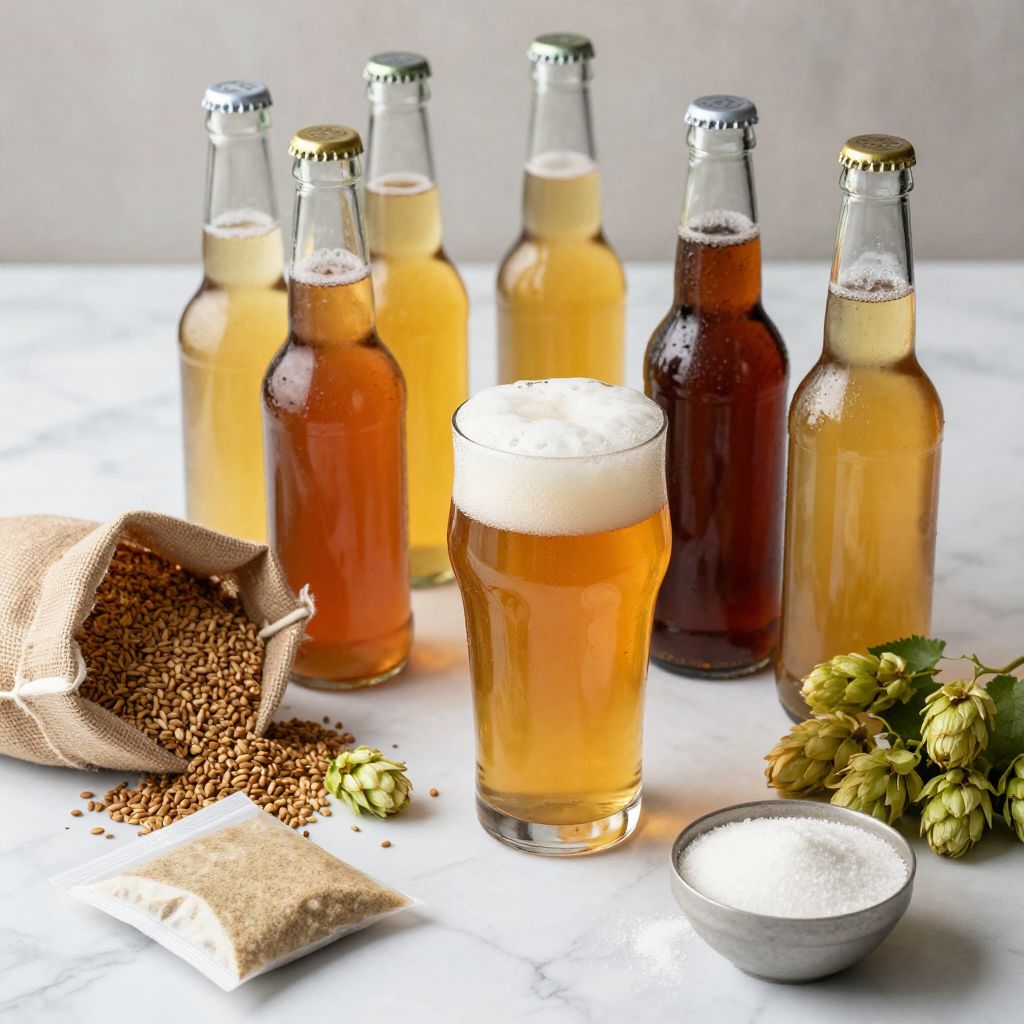
Imagine the aroma of hops and malt wafting through your home as you craft your very own brew. With a Home Brew Recipe Kit, you can transform simple ingredients into delicious, handcrafted beer right in your kitchen. This process is not just about making beer; it’s about creating something unique and sharing it with friends and family. The joy of experimentation, the satisfaction of a well-crafted brew, and the excitement of tasting your creation make this experience truly special.
Why You’ll Love This Recipe
This recipe is perfect for both beginners and seasoned brewers looking for a fun project.
- Easy to follow, step-by-step instructions.
- Customizable flavors to suit your taste.
- Creates a sense of accomplishment.
- Great for gatherings or gifts.
- Affordable compared to store-bought craft beers.
My Experience Making This Recipe
The first time I brewed a batch, I was amazed at how simple yet rewarding the process was. Watching the ingredients transform into a bubbling fermenter felt like a little miracle in my kitchen.
Friends gathered around to sample my creation, and their enthusiastic reactions made all the effort worthwhile. Nothing beats sharing a homemade brew with good company.
Recipe Overview
- Recipe Name: Home Brew Recipe Kit
- Servings: Approximately 48 oz
- Prep Time: 30 minutes
- Cook Time: 1 hour
- Total Time: 1 hour 30 minutes
- Course: Beverage
- Cuisine: American
- Calories per Serving: Approximately 150
Equipment You Will Need
- 5-gallon brew kettle
- Fermentation vessel with airlock
- Sanitizer
- Hydrometer
- Bottling bucket and bottles
- Siphon and tubing
Ingredients for Home Brew Recipe Kit
- 8 lbs malt extract (liquid or dry)
- 1 oz hops (bittering)
- 1 oz hops (flavor/aroma)
- 1 packet yeast (ale or lager)
- 5 oz priming sugar (for carbonation)
- 5 gallons water
Ingredient Notes and Substitutions
- Malt Extract: Provides the sugars for fermentation. You can substitute with all-grain if you have the equipment.
- Hops: Adds bitterness and aroma. Experiment with different varieties for unique flavors.
- Yeast: Ferments the sugars into alcohol. You can use dry or liquid yeast based on preference.
- Priming Sugar: Carbonates the beer when bottling. You can use corn sugar or table sugar.
How to Make Home Brew Recipe Kit
Step 1: Sanitize Your Equipment
Start by sanitizing all your equipment to prevent unwanted bacteria. A clean brew environment ensures your beer tastes great and lasts longer.
Step 2: Boil the Water
Pour 5 gallons of water into your brew kettle and bring it to a boil. This step is crucial for extracting flavors from the malt and hops.
Step 3: Add Malt Extract
Add the malt extract to the boiling water and stir until dissolved. This creates your wort, the sweet liquid that will ferment into beer.
Step 4: Add Bittering Hops
Once the malt is dissolved, add the bittering hops and boil for 60 minutes. This adds necessary bitterness and balances the sweetness of the malt.
Step 5: Add Flavor/Aroma Hops
In the last 5 minutes of the boil, add the flavor/aroma hops. This enhances the aromatic qualities of your brew.
Step 6: Cool the Wort
After boiling, cool the wort quickly using an immersion chiller or an ice bath. Rapid cooling prevents off-flavors and helps yeast fermentation.
Step 7: Ferment the Wort
Transfer the cooled wort into the fermentation vessel and add the yeast. Seal it with an airlock and let it ferment for about 1-2 weeks.
Step 8: Bottle the Beer
Once fermentation is complete, siphon the beer into a bottling bucket mixed with priming sugar. Bottle and cap your beer, then let it carbonate for another 1-2 weeks.
Pro Tip: Always use sanitized equipment to avoid contamination.
Tips for the Best Home Brew Recipe Kit
- Monitor fermentation temperature closely for best results.
- Experiment with different hops to find your favorite flavor profile.
- Keep a brewing journal to track your processes and results.
- Be patient; good things take time, especially when brewing.
- Join a local brewing group for shared tips and support.
Common Mistakes to Avoid
- Not sanitizing equipment: This can ruin your batch with off-flavors.
- Skipping the cooling phase: Slow cooling can lead to unwanted flavors.
- Using old ingredients: Fresh ingredients yield the best flavors.
- Rushing fermentation: Give your beer enough time to develop flavors.
Serving Suggestions
Once your brew is ready, it’s time to share it with friends. Pair your homemade beer with delicious snacks or meals.
- Burgers or grilled meats
- Pizza with various toppings
- Spicy wings
- Cheese platters
Variations to Try
- Add fruit during fermentation for a fruity twist.
- Experiment with different malt types for varied flavors.
- Use specialty grains for added depth.
- Try different yeast strains for unique profiles.
Dietary Adaptations
- Gluten-free: Use gluten-free malt extract or grains like sorghum.
- Dairy-free: All ingredients are naturally dairy-free.
- Vegan/Vegetarian: Confirm yeast is vegan-friendly.
- Low-carb/Keto: Use low-carb malt alternatives or adjust recipes.
Storage and Reheating
Refrigerator
Store your finished beer in a cool, dark place or refrigerator.
- Keep upright to prevent sediment disturbance.
- Consume within six months for best flavor.
Freezer
Freezing beer is not recommended as it can affect flavor and carbonation.
- If you must freeze, only freeze small amounts for quick use.
Reheating
Beer is best enjoyed cold, so no reheating is needed.
- Chill before serving for optimal taste.
Nutrition Information
| Nutrient | Amount |
|---|---|
| Calories | 150 |
| Total Fat | 0 g |
| Saturated Fat | 0 g |
| Carbohydrates | 12 g |
| Fiber | 0 g |
| Sugar | 1 g |
| Protein | 1 g |
| Sodium | 5 mg |
| Cholesterol | 0 mg |
Nutrition values may vary based on specific ingredients used.
Frequently Asked Questions
Can I use different hops?
Absolutely! Different hops will give your beer unique flavors and aromas.
How long can I store my homemade beer?
Store it in a cool, dark place for up to six months for the best flavor.
Can I make this recipe ahead of time?
Yes, you can make it a week in advance and let the flavors develop.
Why is my beer cloudy?
Cloudiness may be due to residual yeast or proteins; it’s safe to drink.
Can I carbonate my beer without priming sugar?
Yes, but it may not achieve the same level of carbonation without it.
Final Thoughts
Brewing your own beer is a rewarding experience that combines creativity and science. With each batch, you learn and improve, making the next one even better.
So gather your ingredients and equipment, and start brewing. You might just find a new favorite hobby!
For more exciting recipes, check out this best homemade root beer recipe or try your hand at this homemade wine recipe.
Home Brew Recipe Kit
Ingredients
Equipment
Method
- Sanitize all your equipment.
- Pour 5 gallons of water into your brew kettle and bring it to a boil.
- Add the malt extract to the boiling water and stir until dissolved.
- Once the malt is dissolved, add the bittering hops and boil for 60 minutes.
- In the last 5 minutes of the boil, add the flavor/aroma hops.
- Cool the wort quickly using an immersion chiller or an ice bath.
- Transfer the cooled wort into the fermentation vessel and add the yeast.
- Seal it with an airlock and let it ferment for about 1-2 weeks.
- Once fermentation is complete, siphon the beer into a bottling bucket mixed with priming sugar.
- Bottle and cap your beer, then let it carbonate for another 1-2 weeks.