
There’s something undeniably cozy about sipping a rich, creamy Imperial Milk Stout on a chilly evening. This brew is a delightful blend of sweetness and depth, making it a standout choice for those who appreciate a full-bodied beer with a velvety mouthfeel. Packed with flavors of chocolate and coffee, it’s perfect for a festive gathering or a quiet night in. If you’re ready to dive into the world of home brewing, this recipe will guide you through crafting your own delicious batch.
Why You’ll Love This Recipe
This Imperial Milk Stout is a true crowd-pleaser that combines rich flavors with a smooth finish.
- Intensely flavorful with notes of chocolate and coffee.
- Creamy texture that’s satisfying and indulgent.
- Perfect for pairing with desserts or enjoying on its own.
- Customizable to suit your taste preferences.
- Great for sharing with friends and family.
My Experience Making This Recipe
When I first attempted this recipe, the aroma of the malt filled my kitchen with a warm, inviting scent. As the brew bubbled away, I could hardly contain my excitement for the rich flavor that awaited me.
Once the fermentation was complete, I poured my first glass, and the creamy texture and complex flavors exceeded my expectations. It’s a brew that not only warms you up but also gives you a sense of accomplishment.
Recipe Overview
- Recipe Name: Imperial Milk Stout
- Servings: 5 gallons
- Prep Time: 30 minutes
- Cook Time: 60 minutes
- Total Time: 2-3 weeks (including fermentation)
- Course: Beverage
- Cuisine: American
- Calories per Serving: Approximately 250
Equipment You Will Need
- Brewing kettle (5 gallons or larger)
- Fermentation vessel (with airlock)
- Sanitizer
- Hydrometer
- Bottling bucket
- Bottles and caps
- Thermometer
- Stirring spoon
Ingredients for Imperial Milk Stout
- 12 lbs Pale Malt
- 1 lb Flaked Lactose (for sweetness and creaminess)
- 1 lb Crystal Malt (80L)
- 1 lb Roasted Barley
- 1 lb Chocolate Malt
- 1 oz East Kent Goldings Hops (bittering)
- 1 oz Fuggle Hops (flavor)
- 1 package English Ale Yeast (such as Wyeast 1098)
- Priming sugar (for bottling)
Ingredient Notes and Substitutions
- Pale Malt: This is the base malt providing the primary sugars. You can substitute with any pale malt of your choice.
- Flaked Lactose: Adds sweetness and creaminess. If you prefer a drier stout, you may omit it.
- Roasted Barley: Gives that characteristic dark color and flavor. Try using black malt for a different profile.
- East Kent Goldings Hops: A classic English hop for bittering. You can swap with another low-alpha hop variety.
How to Make Imperial Milk Stout
Step 1: Prepare Your Equipment
Start by sanitizing all your equipment. This is crucial to prevent any unwanted bacteria from ruining your brew.
Step 2: Heat the Water
Heat approximately 3 gallons of water in your brewing kettle to around 165°F. This temperature is ideal for mashing your grains.
Step 3: Mash the Grains
Add the crushed grains to the kettle, stirring to combine. Allow the mixture to steep for about 60 minutes to extract flavors and sugars.
Step 4: Sparging
After mashing, rinse the grains with hot water (around 170°F) to extract additional sugars. This process is known as sparging and increases your yield.
Step 5: Boil the Wort
Bring the wort to a boil and add the East Kent Goldings hops. This step adds bitterness, balancing out the sweetness from the lactose.
Step 6: Add Flavor Hops
After boiling for 45 minutes, add the Fuggle hops for flavor. Boil for an additional 15 minutes.
Step 7: Cool the Wort
Once boiling is complete, cool the wort quickly to around 70°F using a wort chiller or an ice bath. Rapid cooling prevents unwanted flavors.
Step 8: Ferment
Transfer the cooled wort to the fermentation vessel and pitch the yeast. Seal with an airlock and let it ferment for 1-2 weeks, until bubbling stops.
Pro Tip: Always sanitize everything that touches your beer after the boil to maintain cleanliness and avoid off-flavors.
Tips for the Best Imperial Milk Stout
- Use fresh ingredients for the best flavor.
- Monitor fermentation temperature to keep it steady.
- Be patient; good things come to those who wait.
- Experiment with different hops for unique flavors.
- Consider barrel-aging for added complexity.
Common Mistakes to Avoid
- Skipping sanitization can lead to spoilage.
- Overboiling can create burnt flavors.
- Not cooling the wort quickly enough can introduce off-flavors.
- Rushing fermentation will result in unrefined flavors.
Serving Suggestions
This Imperial Milk Stout shines when paired with complementary flavors.
- Rich chocolate desserts, like brownies.
- Cheesecake, especially chocolate or coffee varieties.
- Roasted meats for a savory contrast.
- Vanilla ice cream for a creamy float.
Variations to Try
- Add vanilla beans for a creamy vanilla flavor.
- Incorporate coffee beans for an espresso-infused stout.
- Experiment with spices like cinnamon or nutmeg for warmth.
- Try different malts, such as smoked malt, for a unique twist.
Dietary Adaptations
- Gluten-free: Use gluten-free grains like sorghum or rice malt.
- Dairy-free: Lactose is already dairy; leave it out.
- Vegan: Ensure yeast and other ingredients are vegan-friendly.
- Low-carb/keto: Reduce malted grains and focus on specialty malts.
Storage and Reheating
Refrigerator
Store your bottles upright in a cool, dark place. This helps maintain the quality of the beer.
- Best enjoyed within 6 months for optimal flavor.
- Avoid light exposure to prevent skunking.
Freezer
I don’t recommend freezing beer, as it can alter the flavor and carbonation. If you must, do so for short periods.
- Thaw in the refrigerator to preserve taste.
Reheating
While you typically don’t reheat beer, serving it at a warmer temperature can enhance flavors. Let it sit at room temperature before serving.
- Avoid microwaving, as it ruins the beer’s integrity.
Nutrition Information
| Nutrient | Amount |
|---|---|
| Calories | 250 |
| Total Fat | 0g |
| Saturated Fat | 0g |
| Carbohydrates | 20g |
| Fiber | 0g |
| Sugar | 5g |
| Protein | 3g |
| Sodium | 10mg |
| Cholesterol | 0mg |
This nutritional information is approximate and may vary based on specific ingredients used.
Frequently Asked Questions
Can I substitute lactose with something else?
Yes, you can use maltodextrin to retain some sweetness without using lactose.
How long can I store this beer?
It’s best enjoyed within 6 months for optimal flavor, but can be kept for up to a year.
What if my beer is too thick?
You may have used too much malt. Next time, reduce the base malt amount for a lighter body.
Can I make this recipe ahead of time?
Absolutely! Just ensure proper fermentation and storage conditions to maintain quality.
Is it possible to adjust the alcohol content?
Yes, by altering the amount of malt used, you can increase or decrease the alcohol level.
Final Thoughts
Brewing your own Imperial Milk Stout can be a rewarding experience. With rich flavors and a comforting texture, it’s sure to impress anyone lucky enough to share a glass with you.
If you’re curious about more delicious brews, check out my other recipes like a classic stout recipe or a delightful bourbon milk punch recipe. Happy brewing!
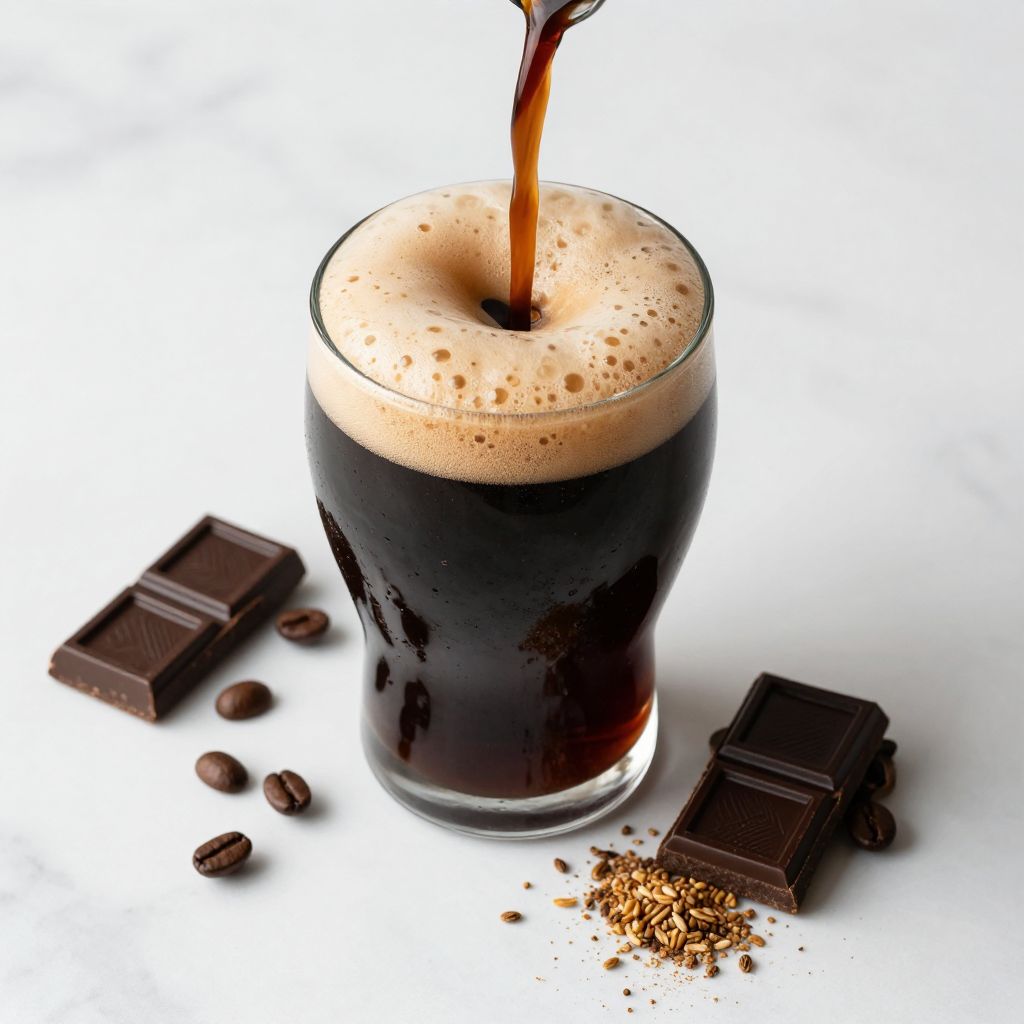
Imperial Milk Stout
Ingredients
Equipment
Method
- Start by sanitizing all your equipment.
- Heat approximately 3 gallons of water in your brewing kettle to around 165°F.
- Add the crushed grains to the kettle, stirring to combine. Allow to steep for 60 minutes.
- Rinse the grains with hot water (around 170°F) to extract additional sugars.
- Bring the wort to a boil and add the East Kent Goldings hops.
- After boiling for 45 minutes, add the Fuggle hops and boil for an additional 15 minutes.
- Cool the wort quickly to around 70°F.
- Transfer the cooled wort to the fermentation vessel and pitch the yeast. Seal with an airlock.
- Let it ferment for 1-2 weeks, until bubbling stops.