
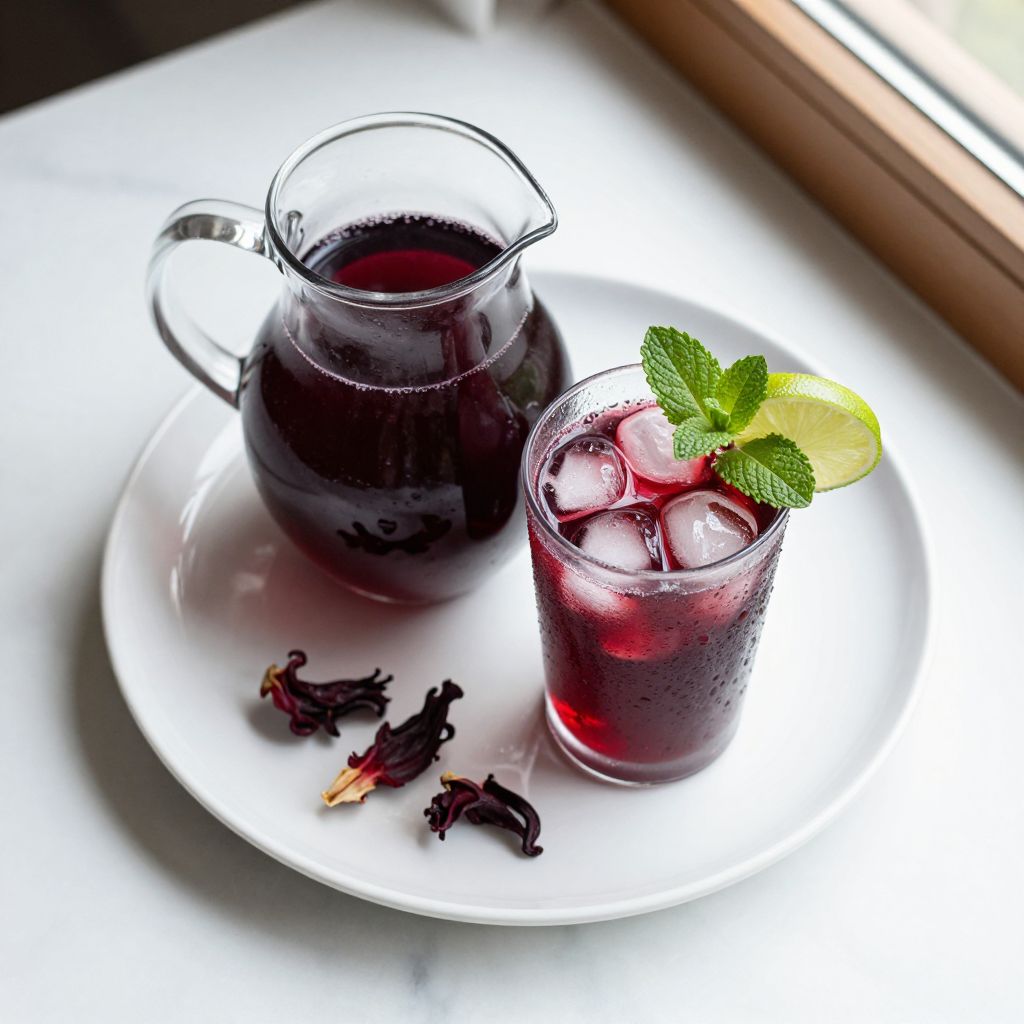
There’s something magical about that first sip of hibiscus juice, when the tart, floral notes hit your palate and instantly transport you somewhere tropical and unhurried. This vibrant crimson drink has been a staple in Caribbean, African, and Latin American households for generations, and once you taste homemade hibiscus juice, you’ll understand why it deserves a permanent spot in your kitchen rotation.
What makes this recipe special is how simple it truly is: just dried hibiscus flowers, water, sugar, and time do all the work for you. The result is a refreshing, naturally beautiful beverage that tastes infinitely better than anything you’ll find in a bottle, and it costs just pennies to make.
Why You’ll Love This Recipe
This recipe delivers bold, tangy flavor with minimal effort and maximum visual impact. It’s naturally caffeine-free, requires no special equipment, and stores beautifully for weeks.
- Stunning deep red color that looks impressive in any glass
- Tart, slightly floral taste that works hot or cold
- Ready in under 30 minutes of active time
- Budget-friendly using inexpensive dried flowers
- Naturally sweetened and customizable to your taste preference
My Experience Making This Recipe
The first time I made hibiscus juice from scratch, I was skeptical that dried flowers could produce something so vibrant and delicious. Within minutes of steeping, my kitchen filled with a tart, floral aroma that smelled like something special was happening.
My family gathered around as the juice cooled, and I watched their faces light up with that first taste. The bright acidity paired with subtle sweetness felt refreshing and exotic without being overly complicated, and suddenly I understood why this drink has stood the test of time across so many cultures.
Now I make batch after batch during warm months, serving it ice-cold to guests who always ask for the recipe. There’s genuine pride in pouring a beautiful homemade beverage that tastes infinitely superior to store-bought versions.
Recipe Overview
- Recipe Name: Hibiscus Juice
- Servings: 6 servings
- Prep Time: 5 minutes
- Cook Time: 15 minutes
- Total Time: 20 minutes plus cooling time
- Course: Beverage
- Cuisine: Caribbean/Latin American/African
- Calories per Serving: 48
Equipment You Will Need
- Large pot or kettle
- Fine mesh strainer or cheesecloth
- Wooden spoon for stirring
- Measuring cups and spoons
- Glass pitcher for serving
- Bottles or jars for storage
Ingredients for Hibiscus Juice
- Dried hibiscus flowers: 1 cup, loosely packed
- Water: 6 cups
- Sugar: 1/2 cup, adjust to taste
- Fresh lime juice: 2 tablespoons (optional but recommended)
- Ginger: 1 small piece, optional, about 1 inch
- Cinnamon stick: 1, optional for warmth and depth
- Whole cloves: 3 to 4, optional for spice
Ingredient Notes and Substitutions
- Dried hibiscus flowers: These provide the signature tart, floral flavor and stunning crimson color that define this juice. If you cannot find them, no good substitute exists, but they’re readily available online or in specialty grocery stores at very low cost.
- Sugar: Standard white sugar dissolves easily and lets the hibiscus flavor shine, but honey or agave nectar work beautifully for a different texture and subtle flavor shift. Both are sweeter than sugar, so use slightly less.
- Water: Filtered water produces the cleanest taste, though tap water works fine. Cold water will require longer steeping, while hot water speeds up flavor extraction dramatically.
- Lime juice: Fresh lime brightens the floral notes and adds complexity, but lemon juice works equally well if limes aren’t available. Bottled juice lacks the vibrant punch of fresh citrus.
- Spices: Ginger, cinnamon, and cloves are optional additions that add warming depth without overwhelming the hibiscus itself. Omit them entirely if you prefer pure hibiscus flavor.
How to Make Hibiscus Juice
Step 1: Measure Your Hibiscus Flowers
Pour one cup of dried hibiscus flowers into a measuring cup and inspect them quickly for any debris or stems. These flowers should look papery and deep crimson, and you’ll want to use them within a year of purchase for the best flavor and color intensity.
Step 2: Boil Your Water
Bring six cups of water to a rolling boil in a large pot or kettle over high heat. Hot water extracts the flavor, color, and beneficial compounds from the hibiscus flowers much faster than cold water, reducing your total steeping time.
Step 3: Add the Hibiscus Flowers
Pour the dried hibiscus flowers directly into the boiling water and stir gently with a wooden spoon to ensure they’re fully submerged. Watch as the water instantly transforms into a stunning deep red color, which signals that the flowers are releasing their compounds.
Step 4: Add Optional Spices
If using ginger, cinnamon, or cloves, add them now and stir to distribute evenly throughout the pot. These additions complement the hibiscus without competing with its signature tart, floral character.
Step 5: Steep the Mixture
Remove the pot from heat and let it sit for 8 to 15 minutes, depending on how strong you like your juice. The longer you steep, the deeper and more intense the flavor becomes, though over-steeping past 20 minutes can introduce unwanted bitterness.
Step 6: Strain the Juice
Place a fine mesh strainer over a large bowl or pitcher and carefully pour the hibiscus mixture through it, pressing gently on the flowers to extract every drop of liquid. Discard the spent flowers and spices, which have given all their flavor to your juice.
Step 7: Sweeten to Taste
Stir in one-half cup of sugar while the juice is still warm, which helps the sugar dissolve completely without leaving any grit. Taste the juice and adjust sweetness upward if you prefer it sweeter, keeping in mind that it will taste less sweet once chilled.
Step 8: Add Citrus and Cool
Squeeze fresh lime juice into the pot and stir to combine, which brightens the floral notes beautifully. Let the juice cool to room temperature, then refrigerate until completely cold before serving over ice.
Pro Tip: Make a large batch at the beginning of the week and store it in glass bottles in your refrigerator for grab-and-go refreshment that beats any store-bought juice every single time.
Tips for the Best Hibiscus Juice
- Use fresh, high-quality dried hibiscus flowers that smell fragrant and look vibrant deep red, not faded or brown. Old flowers produce weak, dull-colored juice that lacks the bright punch you’re after.
- Taste the juice while it’s still warm before adding all the sugar, since sweetness perception changes as beverages cool. This prevents you from making it too sweet for your actual preference.
- Chill your glasses in the freezer before serving to keep the juice cold longer and enhance the refreshing quality of each sip. This small touch makes a noticeable difference in hot weather.
- Don’t throw away the hibiscus flowers after straining; some people eat them as a tart snack or add them to salads for color and tang. They’re completely edible and taste tart like dried fruit.
- Make a concentrate by using less water (three cups instead of six), then dilute with water or sparkling water when serving. This saves storage space and lets guests customize their own drink strength.
Common Mistakes to Avoid
- Using old or stale dried hibiscus flowers produces weak, pale juice with minimal flavor impact. Buy from reputable sources and replace your supply once a year.
- Steeping for too long past 20 minutes introduces unpleasant bitterness that overpowers the floral sweetness. Set a timer and taste at the 10 and 15 minute marks to find your perfect window.
- Skipping the lime juice creates a flat, one-dimensional drink that lacks brightness and complexity. Even two tablespoons of fresh citrus transforms the juice dramatically.
- Adding sugar to cold juice leaves you with gritty, undissolved crystals that don’t integrate properly. Always sweeten while the juice is still warm so the sugar dissolves completely.
Serving Suggestions
Serve hibiscus juice ice-cold in tall glasses with plenty of ice for maximum refreshment, or enjoy it warm during cooler months for a soothing, caffeine-free alternative to tea. The bright, tart flavor pairs beautifully with spicy food, rich desserts, and light summer fare.
- Serve over crushed ice with fresh mint leaves and lime wheels for an elegant presentation
- Mix with sparkling water for a lighter, fizzy version that feels more festive
- Pour into popsicle molds and freeze for a refreshing summer treat for kids and adults
- Serve warm with honey and fresh ginger during cold months as a soothing beverage
- Use as a mixer in cocktails or mocktails for stunning color and natural tartness
Variations to Try
- Hibiscus Ginger Punch: Add a generous amount of fresh ginger during steeping and serve over ice with sparkling water for a zippy, warming beverage that pairs beautifully with spicy foods. The ginger adds heat that complements the floral tartness perfectly.
- Tropical Hibiscus Blend: Add one cup of pineapple juice and one-half cup of passion fruit puree to the finished juice for a sweeter, more exotic flavor profile. This variation works wonderfully for parties and special occasions.
- Hibiscus Iced Tea: Combine steeped hibiscus juice with brewed black tea or green tea in equal parts for a more complex beverage with additional antioxidants. This hybrid drink offers the best of both worlds.
- Spiced Hibiscus Syrup: Reduce the water to three cups and add cinnamon sticks, star anise, and whole cloves during steeping to create a concentrated syrup. Drizzle over desserts, mix into cocktails, or dilute with water for instant flavored juice.
- Hibiscus Cooler with Cucumber: Add thin cucumber slices and fresh mint to finished juice for a spa-like refreshment that feels elegant and hydrating. This variation is perfect for hot summer afternoons.
Dietary Adaptations
- Gluten-free: Hibiscus juice is naturally gluten-free in all forms, making it safe for anyone managing celiac disease or gluten sensitivity without any modifications needed.
- Dairy-free: This recipe contains no dairy products whatsoever, so it works perfectly for vegans, people with lactose intolerance, or anyone avoiding animal products.
- Vegan: Use agave nectar or maple syrup instead of honey if you’re using that sweetener option, and skip any animal-derived ingredients to keep this beverage completely plant-based.
- Low-carb/keto: Replace sugar with stevia, monk fruit sweetener, or erythritol in equal amounts to keep the juice keto-friendly while maintaining sweetness and drinkability.
- Low-sugar: Use half the sugar or replace it entirely with monk fruit sweetener, which has zero glycemic impact and tastes closest to regular sugar.
Storage and Reheating
Refrigerator
Store hibiscus juice in airtight glass bottles or containers in the refrigerator for up to two weeks without any loss of flavor or color quality. The juice will naturally thicken slightly as it cools, which is completely normal.
- Pour into glass bottles with tight-fitting lids for longest storage
- Keep away from direct light to preserve the vibrant red color
- Stir or shake before serving, as some separation may occur
Freezer
Freeze hibiscus juice in ice cube trays for convenient single servings, or pour into freezer-safe containers for up to three months. Frozen juice works beautifully in cocktails, smoothies, or diluted with water when thawed.
- Use ice cube trays for portion control and easy serving options
- Transfer frozen cubes to freezer bags once solid to save space
- Thaw in the refrigerator for best quality, or pour directly into a blender
Reheating
Warm chilled hibiscus juice gently in a saucepan over medium heat, stirring occasionally until it reaches your desired temperature without boiling. Never microwave, which can create uneven heating and damage the delicate flavors.
- Heat slowly over medium heat for 3 to 5 minutes until warm
- Add extra honey or sugar if warming, as sweetness perception changes with temperature
- Serve immediately in warm mugs with cinnamon sticks or fresh ginger
Nutrition Information
| Nutrient | Amount |
|---|---|
| Calories | 48 |
| Total Fat | 0g |
| Saturated Fat | 0g |
| Carbohydrates | 12g |
| Fiber | 0g |
| Sugar | 11g |
| Protein | 0g |
| Sodium | 2mg |
| Cholesterol | 0mg |
These values are approximate and based on the basic recipe with sugar as the sweetener. Using alternative sweeteners will change the carbohydrate and sugar content accordingly.
Frequently Asked Questions
Can I make hibiscus juice with cold water instead of hot?
Yes, you can steep dried hibiscus flowers in cold water overnight for a gentler extraction, though the color will be less vibrant and the flavor more muted. Hot water extraction takes just 15 minutes and produces superior results, so it’s worth the minimal effort.
Where do I buy dried hibiscus flowers?
Dried hibiscus flowers are available online through major retailers, at specialty grocery stores, Latin markets, and tea shops at very affordable prices. Make sure you’re buying culinary hibiscus, not ornamental varieties meant only for decoration.
Can I make hibiscus juice ahead of time for a party?
Absolutely, you can make hibiscus juice up to two weeks in advance and store it in the refrigerator in glass bottles. Make the concentrate and dilute just before serving if you want fresh flavor and vibrant color for your guests.
Why does my hibiscus juice taste bitter?
Over-steeping for longer than 20 minutes introduces tannins that create unwanted bitterness. Stick to 8 to 15 minutes of steeping time and taste along the way to find your perfect balance.
Can I use fresh hibiscus flowers instead of dried?
Fresh hibiscus flowers will work but require more quantity and produce a lighter, more delicate flavor compared to dried flowers. You’ll need approximately three times as many fresh flowers to match the flavor intensity of dried ones.
Is hibiscus juice healthy for me?
Hibiscus is rich in vitamin C, antioxidants, and compounds that may support heart health, making it a nutritious choice beyond just tasting refreshing. Homemade versions contain far less sugar than commercial drinks, giving you control over the health profile.
Final Thoughts
Making hibiscus juice from scratch transforms a simple ingredient list into something genuinely special that tastes exponentially better than anything you’ll find in a store. The vibrant color, bright flavor, and minimal effort required make this a recipe you’ll return to again and again.
Grab a bag of dried hibiscus flowers today and start making this beautiful beverage for yourself and the people you love. Trust me, once you taste homemade hibiscus juice, you’ll never go back to the bottled versions.
Explore More Refreshing Beverages
Now that you’ve mastered hibiscus juice, you might enjoy exploring other refreshing drink recipes that showcase similar tropical and tart flavors. Check out our collection of hibiscus-based beverages and creative ways to enjoy this beautiful flower year-round.
Try making cold hibiscus tea recipe for a lighter, more delicate version, or elevate your next celebration with a stunning hibiscus margarita recipe that brings this juice to life in cocktail form.
Hibiscus Juice
Ingredients
Equipment
Method
- Pour 1 cup dried hibiscus flowers into a measuring cup and remove any debris or stems.
- Bring 6 cups of water to a rolling boil in a large pot over high heat.
- Stir the dried hibiscus flowers into the boiling water until fully submerged.
- Add the ginger, cinnamon stick, and cloves if using, then stir to combine.
- Remove the pot from heat and let the mixture steep for 8 to 15 minutes, depending on desired strength.
- Strain the hibiscus mixture through a fine mesh strainer into a pitcher, pressing gently to extract all liquid; discard solids.
- While the juice is still warm, stir in 1/2 cup sugar until fully dissolved, tasting and adjusting sweetness as needed.
- Stir in 2 tablespoons fresh lime juice, let cool to room temperature, then refrigerate until cold before serving over ice.