
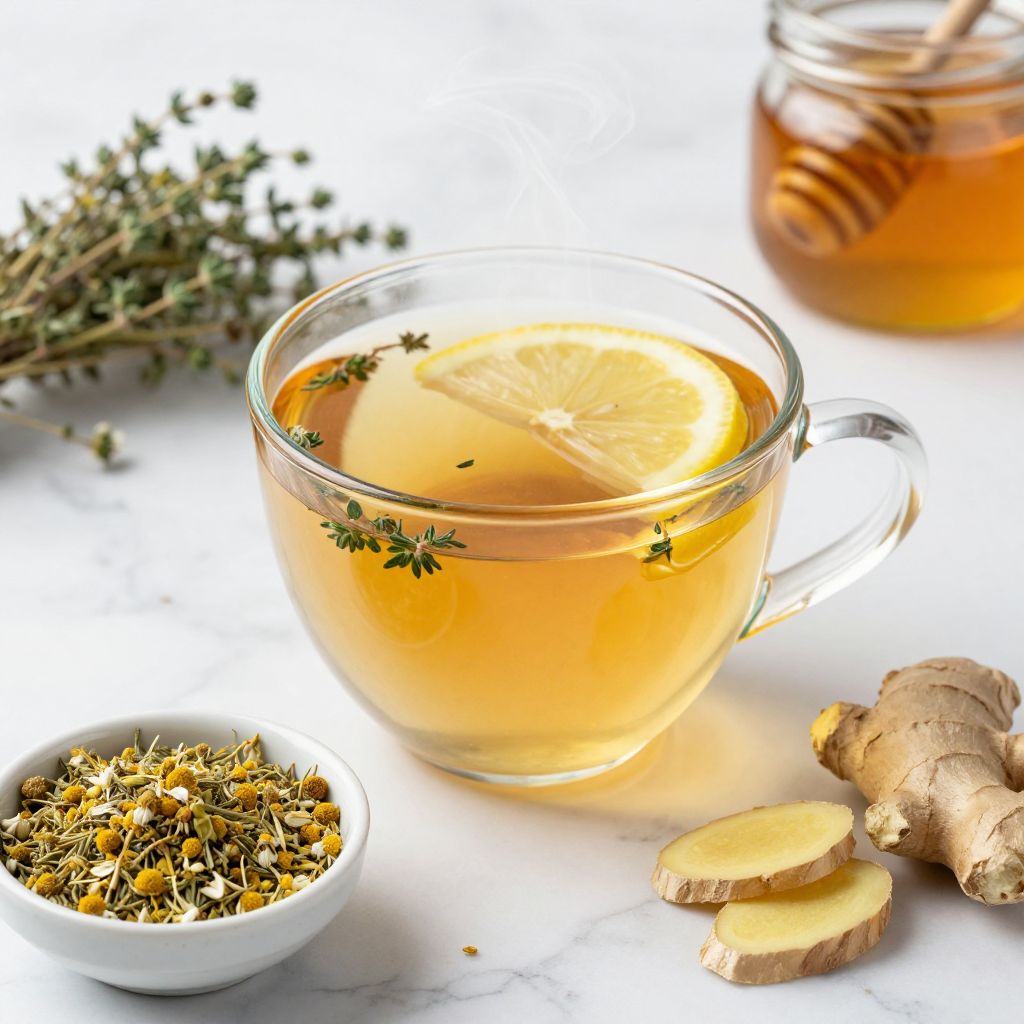
There’s nothing quite like the soothing warmth of a cup of herbal tea when you’re feeling under the weather. This Herbal Tea For Cough recipe not only warms your soul but also helps ease that nagging cough with its gentle, natural ingredients.
It’s a simple and comforting remedy that brings together the earthy flavors of herbs and spices, creating a cozy hug in a mug. With its soothing properties, this tea is perfect for those chilly evenings or when you’re feeling a bit sniffly.
Why You’ll Love This Recipe
This herbal tea is a must-try for anyone looking for natural relief from coughs and colds.
- Quick to make with minimal ingredients.
- Soothes throat irritation and promotes relaxation.
- Customizable to suit your taste preferences.
- All-natural ingredients without any preservatives.
- Great for all ages, from kids to adults.
My Experience Making This Recipe
The first time I made this tea, I was recovering from a nasty cold. As the steam rose from the pot, I could feel the warmth wrapping around me like a cozy blanket.
After just one sip, the gentle blend of herbs and spices soothed my throat, and I could feel the tension easing away. It became my go-to remedy for any cough or cold, and I love sharing it with friends and family.
Recipe Overview
- Recipe Name: Herbal Tea For Cough
- Servings: 2
- Prep Time: 5 minutes
- Cook Time: 10 minutes
- Total Time: 15 minutes
- Course: Beverage
- Cuisine: Herbal
- Calories per Serving: 30
Equipment You Will Need
- Small saucepan
- Measuring spoons
- Strainer or tea infuser
- Cup or mug
Ingredients for Herbal Tea For Cough
- 2 cups water
- 1 tablespoon dried thyme
- 1 tablespoon dried chamomile
- 1 teaspoon ginger, grated
- 1 tablespoon honey (to taste)
- 1 tablespoon lemon juice (optional)
Ingredient Notes and Substitutions
- Dried thyme: Provides soothing properties for coughs. You can substitute with fresh thyme, using three times the amount.
- Dried chamomile: Aids in relaxation and sleep. If unavailable, you can swap it with peppermint for a refreshing flavor.
- Ginger: Known for its anti-inflammatory properties. Ground ginger can be used, but fresh is preferred for better flavor.
- Honey: Acts as a natural sweetener and helps soothe the throat. Maple syrup can be a vegan alternative.
- Lemon juice: Adds brightness and vitamin C. You can skip it if you prefer a more herbal flavor.
How to Make Herbal Tea For Cough
Step 1: Boil the Water
Start by bringing 2 cups of water to a boil in a small saucepan. This is essential as boiling water extracts the flavors and benefits from the herbs effectively.
Step 2: Add the Herbs
Once the water is boiling, add 1 tablespoon each of dried thyme and chamomile, along with the grated ginger. This combination works synergistically to provide relief from coughs and throat irritation.
Step 3: Reduce Heat
Lower the heat to a simmer and let the mixture steep for about 10 minutes. Simmering allows the flavors to meld together and intensify, creating a more robust tea.
Step 4: Strain the Tea
After steeping, remove the saucepan from heat and strain the tea into a cup using a fine strainer or tea infuser. This step ensures you enjoy a smooth drink without any herb bits floating around.
Step 5: Sweeten the Tea
Add honey to taste, stirring gently until dissolved. Honey not only sweetens the tea but also adds soothing properties for your throat.
Step 6: Add Lemon (Optional)
If you choose to, add a tablespoon of lemon juice for an extra zing. The acidity and vitamin C can be beneficial for your immune system.
Step 7: Serve Hot
Pour the tea into your favorite mug and enjoy while it’s hot. Sipping hot tea is comforting and can help relieve congestion.
Step 8: Store Any Leftovers
If you have any leftover tea, let it cool and store it in the refrigerator for up to 2 days. Reheat gently when you’re ready for another cup.
Pro Tip: Always use fresh herbs whenever possible for the most potent flavor and benefits.
Tips for the Best Herbal Tea For Cough
- Use fresh herbs for a more vibrant flavor and better health benefits.
- Adjust the sweetness according to your taste, but avoid adding too much at once.
- Don’t rush the steeping process; let the herbs infuse fully for optimal flavor.
- Experiment with additional spices like cinnamon for extra warmth.
- Consider using a thermos to keep your tea hot for longer.
Common Mistakes to Avoid
- Not boiling the water fully can lead to weak tea; always bring it to a boil.
- Oversteeping the tea can make it bitter; stick to the recommended time.
- Using too much honey can overpower the herbal flavors; add gradually.
- Skipping the straining step can lead to a gritty texture; ensure you remove the herbs.
Serving Suggestions
This tea is delicious on its own but pairs well with light snacks or desserts.
- Try it with whole-grain toast and honey.
- Enjoy alongside a bowl of warm oatmeal.
- Pair it with fresh fruit for a refreshing contrast.
- Offer it with ginger cookies for added spice.
Variations to Try
- Add a pinch of cayenne pepper for an extra kick and to enhance circulation.
- Substitute chamomile with peppermint for a refreshing twist.
- Incorporate turmeric for its anti-inflammatory properties.
- Add a splash of apple cider vinegar for a tangy flavor.
Dietary Adaptations
- Gluten-free: This recipe is naturally gluten-free.
- Dairy-free: Contains no dairy products, making it suitable for all.
- Vegan: Use maple syrup instead of honey for a vegan option.
- Low-carb/keto: Skip the honey or use a low-carb sweetener.
Storage and Reheating
Refrigerator
Store leftover tea in an airtight container in the refrigerator for up to 2 days.
- Allow to cool before sealing.
- Reheat gently to avoid losing flavor.
Freezer
While not ideal, you can freeze this tea in ice cube trays.
- Once frozen, transfer to a freezer bag.
- Use within 2 months for the best quality.
Reheating
To reheat, place in a saucepan over low heat until warmed through.
- Avoid boiling again to preserve flavor.
- You can also use a microwave in short intervals.
Nutrition Information
| Nutrient | Amount |
|---|---|
| Calories | 30 |
| Total Fat | 0g |
| Saturated Fat | 0g |
| Carbohydrates | 8g |
| Fiber | 0g |
| Sugar | 7g |
| Protein | 0g |
| Sodium | 5mg |
| Cholesterol | 0mg |
This information is an estimate and may vary based on specific ingredients used.
Frequently Asked Questions
Can I use fresh herbs instead of dried?
Yes, you can use fresh herbs; just triple the amount for the same flavor intensity.
How far in advance can I make this tea?
You can make it up to 2 days in advance and store it in the refrigerator.
Can I freeze herbal tea?
Yes, freeze it in ice cube trays, and use within 2 months for best quality.
What can I do if the tea is too bitter?
If it turns out bitter, you can dilute it with a bit more hot water or add more honey.
Is this tea safe for kids?
Yes, this herbal tea is safe for kids, but adjust the honey amount based on their age.
Final Thoughts
Making your own Herbal Tea For Cough is not just rewarding; it’s a comforting ritual that can help you feel better. I encourage you to give this recipe a try the next time you or a loved one is under the weather.
For more herbal remedies, check out my recipes for Mullein Tea and Ginger Lemon Honey Tea. Enjoy your cozy cup!
Herbal Tea For Cough
Ingredients
Equipment
Method
- Bring 2 cups of water to a boil in a small saucepan.
- Add 1 tablespoon each of dried thyme and chamomile, along with 1 teaspoon of grated ginger.
- Reduce heat to simmer and steep for 10 minutes.
- Strain the tea into a cup using a fine strainer or tea infuser.
- Add honey to taste, stirring gently until dissolved.
- If desired, add 1 tablespoon of lemon juice and stir.
- Serve hot and enjoy.