
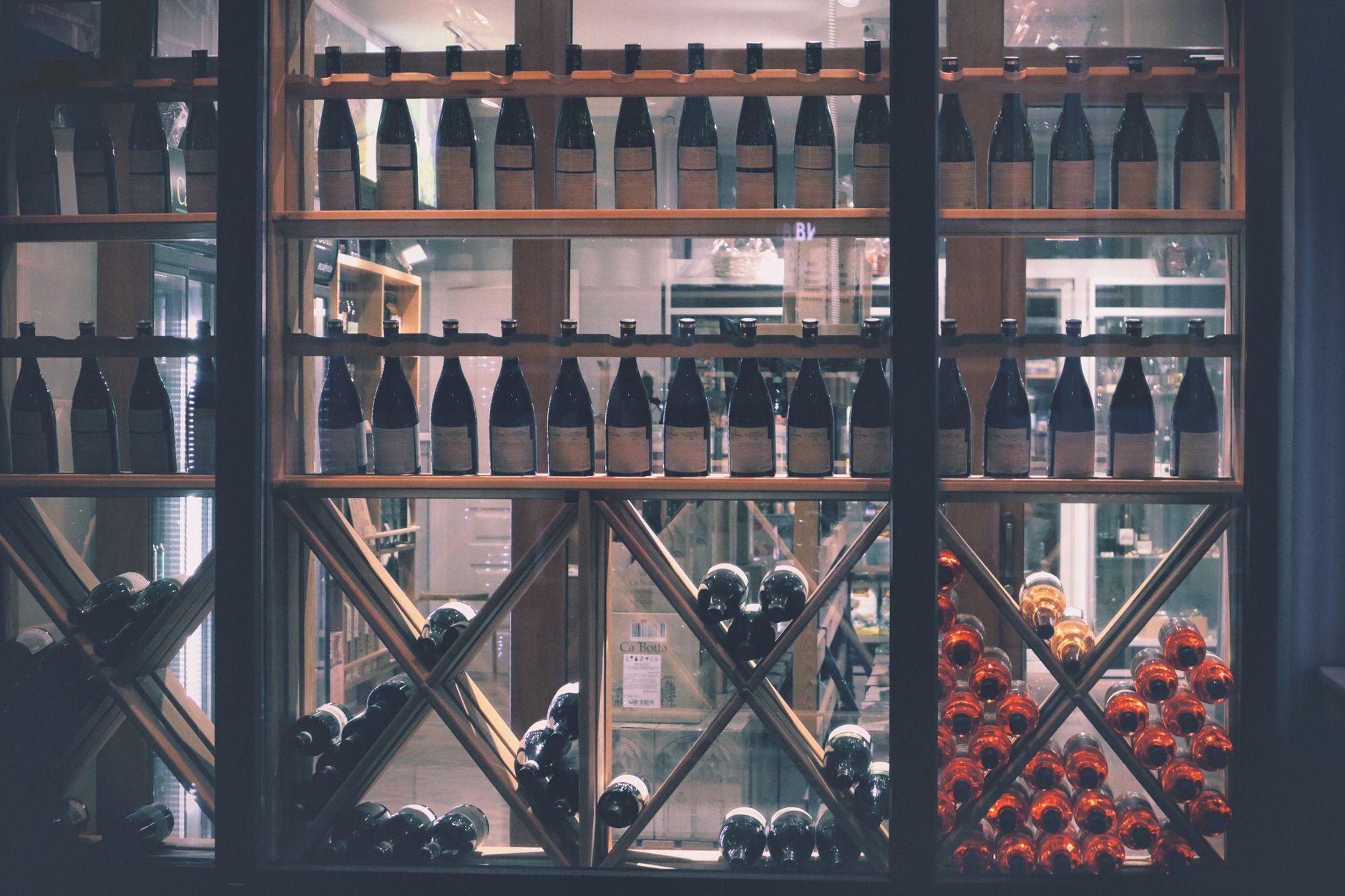
Natural wine is a term that captivates both casual drinkers and wine enthusiasts alike. It refers to a style of wine that is made with minimal intervention, both in the vineyard and the winery. The appeal of natural wine lies in its authenticity, complexity, and the way it reflects the terroir—essentially, the environment where the grapes are grown.
With its roots in organic and biodynamic farming practices, natural wine is often celebrated for its vibrant flavors and unique characteristics. This guide will delve into the intricacies of natural wine, including its definition, the processes involved, how to select and pair it, and why it has become a popular choice among modern wine drinkers.
What Is Natural Wine?
Natural wine is a loose term that generally refers to wines made from organically or biodynamically grown grapes with minimal intervention in the winemaking process. This means no added chemicals, industrial yeast, or excessive amounts of sulfites. The philosophy behind natural wine emphasizes the expression of the grapes and the land, allowing the wine to showcase its true character.
Key Characteristics of Natural Wine
Natural wine typically showcases several distinct characteristics that set it apart from conventional wines:
- Minimal intervention: Natural winemakers strive to interfere as little as possible, allowing the grapes’ natural flavors to shine through.
- Organic or biodynamic farming: Grapes are grown without synthetic pesticides, herbicides, or fertilizers. Biodynamic farming goes further by adhering to lunar cycles and using specific preparations to nourish the soil.
- Wild fermentation: Instead of cultured yeast, natural wines rely on the naturally occurring yeasts present on the grape’s skin and in the winery environment for fermentation, often resulting in unique and varying flavor profiles.
- Low or no sulfites: Many natural wines have low levels of added sulfites, which are commonly used to stabilize and preserve conventional wines. This can lead to a shorter shelf life but often results in fresher and more vibrant flavors.
- Unfiltered: Natural wines can be unfiltered or only lightly filtered, which can contribute to a cloudier appearance and allow for a more robust texture.
The Winemaking Process
Understanding the winemaking process is crucial to grasping the essence of natural wine. Here’s a step-by-step breakdown:
- Harvesting: Grapes are typically hand-harvested to ensure quality and minimize damage. Timing is crucial, as grapes must be picked at their peak ripeness.
- Crushing and destemming: The grapes are then crushed to release their juice. In some cases, the stems might be left in for added complexity.
- Fermentation: Natural fermentation begins using wild yeasts. This can create unpredictable results, contributing interesting flavors and aromas.
- Aging: The wine is aged in various vessels, including stainless steel, concrete, or old oak barrels, depending on the desired characteristics.
- Bottling: Once the winemaker is satisfied with the taste, the wine is bottled. Filters may be avoided, leading to a more rustic appearance.
Types of Natural Wine
Natural wine comes in various styles, each with its unique characteristics:
- Orange wine: Made from white grapes that are fermented with their skins, this wine has a deep color and tannic structure similar to red wines.
- Pet-Nat (Pétillant Naturel): This is a sparkling natural wine made using the méthode ancestrale, where fermentation is halted and resumed in the bottle to create natural bubbles.
- Red, white, and rosé: These follow the standard forms of wine production but with the natural approach to farming and fermentation.
How to Choose Natural Wine
When selecting a natural wine, consider the following factors:
1. Research the Producer
Look for wineries known for their commitment to natural winemaking practices. Checking reviews can provide insights into their approach and the quality of their wines.
2. Label Clarity
Since natural wine has a variety of definitions and practices, clear labeling helps. Look for terms like “organic,” “biodynamic,” and “no added sulfites” on the bottle.
3. Taste Preferences
Natural wines can vary dramatically in flavor. Some may be funky or sour, while others are fruity and light. Consider what flavor profiles you enjoy to guide your choice.
4. Visit Local Natural Wine Shops
These specialized shops often carry a curated selection of natural wines. Staff members can provide recommendations based on your taste preferences.
Serving and Pairing Natural Wine
The way natural wine is served can influence your tasting experience. Here are some tips:
1. Temperature
Serve natural white wines slightly chilled (45-55°F) and natural reds at a cool room temperature (55-65°F). This can enhance their flavors and characteristics.
2. Glassware
Use glasses that allow the wine to breathe. A wider bowl helps fuller-bodied wines express their aromas.
3. Pairing with Food
Natural wines are versatile and can pair well with a variety of dishes. Here are some guidelines:
- White wines: Great with seafood, salads, and light pasta dishes.
- Red wines: Ideal for pairing with roasted meats, stews, and harder cheeses.
- Orange wines: Pair well with Asian cuisine, rich dishes, and anything spicy.
Common Misconceptions About Natural Wine
As natural wine increases in popularity, several misconceptions have arisen:
1. All Natural Wines Taste the Same
Natural wines can vary significantly in flavor, aroma, and texture due to the differing techniques employed by various winemakers.
2. Natural Wine Is Always Cloudy
While many natural wines might be unfiltered, not all are cloudy. Clarity depends on the winemaking choices made.
3. Natural Wine Is “Better” Wine
Quality is subjective. Some prefer the traditional style of wines, while others enjoy the unique characteristics of natural wines.
Storage and Aging of Natural Wine
Natural wine often has a shorter lifespan than conventional wines, mainly due to lower or no sulfite content. Here’s how to store natural wine properly:
1. Cool, Dark Place
Like all wines, natural wines should be stored in a cool, dark place. Fluctuations in temperature can negatively affect the wine’s integrity.
2. Position
Store bottles horizontally to keep the cork moist and prevent it from drying out, which could allow air into the bottle.
3. Consumption Timeframe
Natural wines are generally best enjoyed within a couple of years after bottling, though some can age well. Always check with your wine shop or producer for specific recommendations.
Making Your Own Natural Wine
If you’re feeling adventurous, making your own natural wine can be a rewarding experience. Here’s a simplified guide:
- Choose Your Grapes: Select organic grapes from a local supplier.
- Crush and Destem: Remove stems and crush grapes to release juice.
- Wild Fermentation: Allow the natural yeasts on the grapes to ferment without interference.
- Monitor Fermentation: Keep an eye on the fermentation process, tasting periodically.
- Bottling: Bottle the wine without filtering, using minimal or no sulfites.
Starting with a small batch can make the learning process easier and more manageable!
Conclusion
Natural wine offers a vibrant, engaging way to experience the world of wine, allowing drinkers to appreciate the intricacies of nature in their glass. With its minimal intervention philosophy and focus on terroir, natural wine brings a distinct and authentic character to every bottle. Whether purchasing from a winery or making your own, there are myriad experiences to discover.
For further exploration, check out our guides on homemade wines or specific recipes for crafting delicious muscadine wine. Embrace the journey of discovering natural wines and enjoy the flavors of nature in every sip.