
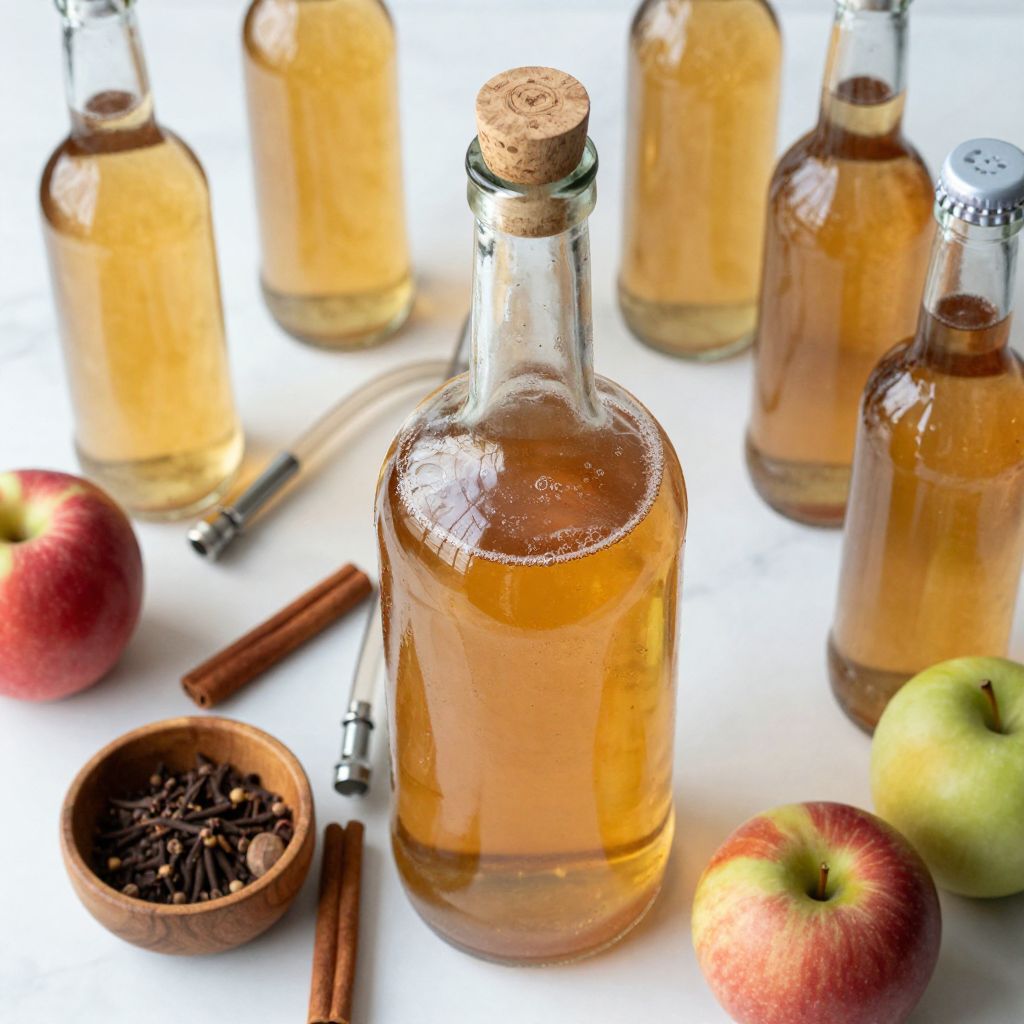
There’s something magical about the aroma of fresh apples mingling with spices, evoking memories of crisp autumn days and cozy gatherings. Making your own Hard Cider at home transforms this nostalgic experience into a fun and rewarding project, perfect for sharing with friends or enjoying solo. The balance of sweetness and tartness, combined with a bubbly finish, makes it a standout drink for any occasion. You won’t believe how simple it is to create this delightful beverage from scratch!
Why You’ll Love This Recipe
This recipe is perfect for anyone looking to dive into home brewing without too much fuss. You’ll get to enjoy a refreshing drink crafted right in your kitchen.
- Customizable flavor profiles to suit your palate.
- Budget-friendly compared to store-bought options.
- Great for gatherings or quiet evenings at home.
- A fun project to share with friends or family.
My Experience Making This Recipe
The first time I tried brewing my own hard cider, I was amazed by how easy it was. Watching the bubbles form during fermentation felt like a science experiment, and the anticipation of tasting the final product was thrilling.
When I finally took my first sip, the crisp apple flavor paired with a hint of spice was a game changer. Sharing it with friends made the experience even better, as we toasted to our newfound brewing skills!
Recipe Overview
- Recipe Name: Hard Cider
- Servings: 5 gallons
- Prep Time: 30 minutes
- Fermentation Time: 1-2 weeks
- Total Time: 2-3 weeks (including fermentation)
- Course: Beverage
- Cuisine: American
- Calories per Serving: Approximately 150
Equipment You Will Need
- Fermentation vessel (5-gallon glass carboy or food-grade plastic bucket)
- Airlock and stopper
- Sanitizer (like Star San)
- Hydrometer
- Siphon or racking cane
- Bottles and caps
- Bottle capper
Ingredients for Hard Cider
- 5 gallons apple juice (do not use juice with preservatives)
- 1 packet cider yeast (like Safcider or Nottingham)
- 1 cup sugar (for carbonation)
- Optional: Spices (cinnamon, cloves, or nutmeg)
Ingredient Notes and Substitutions
- Apple Juice: This is the main flavor base. Look for 100% juice without preservatives for the best results.
- Cider Yeast: This yeast is specially formulated for cider. You can substitute with champagne yeast for a drier finish.
- Sugar: This is used for carbonation. Honey or maple syrup can be used as natural alternatives.
- Spices: Cinnamon can add warmth. Feel free to skip or experiment with other spices based on your taste.
How to Make Hard Cider
Step 1: Sanitize Everything
Before you start, make sure to sanitize all your equipment. This prevents unwanted bacteria from ruining your cider.
Step 2: Prepare the Juice
Pour the apple juice into your fermentation vessel, leaving some headspace at the top. This allows room for fermentation activity.
Step 3: Add the Yeast
Sprinkle the cider yeast over the juice. No need to stir; it will activate on its own once fermentation starts.
Step 4: Seal and Store
Fit the airlock onto the fermentation vessel and seal it well. Store it in a dark, cool place, ideally around 60-75°F.
Step 5: Wait for Fermentation
Let the cider ferment for 1-2 weeks. You’ll notice bubbles in the airlock as the yeast works its magic.
Step 6: Check the Specific Gravity
Using a hydrometer, take a reading to see if fermentation is complete. The final gravity should be stable for 2 days.
Step 7: Siphon and Bottle
Siphon the cider into sanitized bottles, leaving some space at the top. Add sugar for carbonation before capping them.
Step 8: Carbonate and Chill
Store the bottles at room temperature for about a week to carbonate. Then, chill in the fridge before serving.
Pro Tip: Always taste your cider before bottling. If it needs more sweetness, consider adding additional sugar at this stage.
Tips for the Best Hard Cider
- Use fresh, high-quality juice for the best flavor.
- Keep your fermentation area dark to avoid light exposure.
- Experiment with different apple varieties for unique flavors.
- Monitor the fermentation temperature closely for optimal yeast activity.
- Be patient; good cider takes time to develop its flavors.
Common Mistakes to Avoid
- Not sanitizing equipment: This can lead to off-flavors and spoilage.
- Using juice with preservatives: This can inhibit fermentation.
- Bottling too early: This can cause over-carbonation and potential bottle bombs.
- Ignoring the fermentation temperature: Too high or too low can affect the yeast’s performance.
Serving Suggestions
Hard cider can be enjoyed on its own or paired with food. It complements a variety of dishes beautifully.
- Grilled meats and sausages
- Cheese platters with sharp cheddar and blue cheese
- Autumn-inspired salads
- Spicy dishes like curry or barbecue
Variations to Try
- Add berries for a fruity twist — think raspberries or blackberries.
- Incorporate ginger for an extra kick.
- Use cinnamon sticks during fermentation for a warm spice note.
- Experiment with different apple varieties for unique flavor profiles.
Dietary Adaptations
- Gluten-free: Naturally gluten-free, perfect for those with gluten sensitivities.
- Dairy-free: This recipe contains no dairy products.
- Vegan: Suitable for vegans, as it uses only plant-based ingredients.
- Low-carb/keto: Use less sugar for a lower carb option.
Storage and Reheating
Refrigerator
Store your hard cider in a cool, dark place or the refrigerator.
- Best consumed within 3-6 months for optimal flavor.
- Keep bottles upright to avoid sediment disturbance.
Freezer
Avoid freezing hard cider as it can alter the flavor and texture.
- Instead, keep it chilled in the fridge or a cool cellar.
Reheating
Reheating is not recommended as this can affect the carbonation.
- Serve chilled or at room temperature for the best experience.
Nutrition Information
| Nutrient | Amount |
|---|---|
| Calories | 150 |
| Total Fat | 0g |
| Saturated Fat | 0g |
| Carbohydrates | 13g |
| Fiber | 0g |
| Sugar | 12g |
| Protein | 0g |
| Sodium | 0mg |
| Cholesterol | 0mg |
This nutrition information is an estimate and may vary based on specific ingredients used.
Frequently Asked Questions
Can I use store-bought juice?
Yes, just make sure it is 100% juice without preservatives.
How long can I store my hard cider?
Hard cider can be stored for 3-6 months, but best consumed fresh.
What if my cider tastes flat?
This could mean it did not carbonate properly; try adding more sugar before bottling.
Can I make hard cider without a hydrometer?
While not essential, a hydrometer helps you track fermentation progress and sweetness levels.
Is it possible to make a sweet cider?
Absolutely! You can add sugar or honey before bottling to increase sweetness.
Final Thoughts
Brewing your own Hard Cider is an exciting adventure that can yield delightful results. Once you master the basics, feel free to get creative with flavors and ingredients.
So roll up your sleeves and give it a try. You might just find a new favorite beverage to share with friends!
For more delightful recipes, check out this hard apple cider recipe and explore the unique flavors in this cyser recipe.
Hard Cider
Ingredients
Equipment
Method
- Sanitize all equipment to prevent unwanted bacteria.
- Pour the apple juice into your fermentation vessel, leaving some headspace.
- Sprinkle the cider yeast over the juice without stirring.
- Fit the airlock onto the fermentation vessel and seal it well.
- Store in a dark, cool place (ideal temperature 60-75°F).
- Allow the cider to ferment for 1-2 weeks.
- Check specific gravity using a hydrometer.
- Siphon the cider into sanitized bottles, adding sugar for carbonation.
- Store bottles at room temperature for about a week to carbonate.
- Chill in the fridge before serving.