
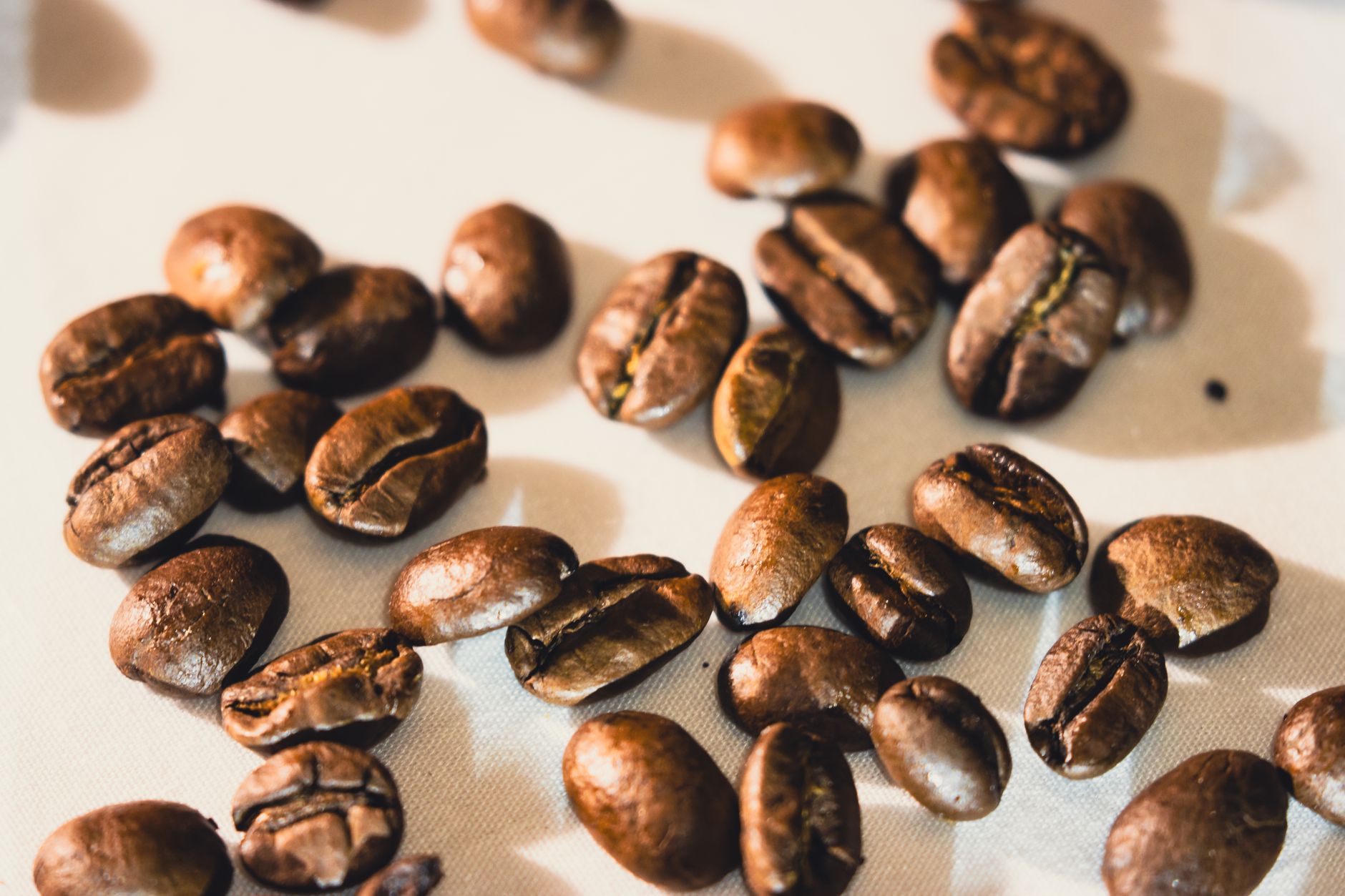
When you order your favorite beverage at Starbucks, have you ever wondered where the coffee beans come from? Understanding the origins of Starbucks’ coffee can elevate your appreciation for this beloved brand. The journey of Starbucks coffee beans is not just about the taste; it reflects unique stories, practices of sustainability, and the cultures of the regions where they are sourced.
This article will explore the sources of Starbucks coffee, highlighting the regions, partnerships, and sustainable practices that impact the quality and flavor of your coffee cup. By the end, you will have a deeper connection to the coffee you enjoy.
Where Does Starbucks Get Their Coffee?
Starbucks sources its coffee from various regions worldwide, focusing on high-quality beans that elevate its beverages. They prioritize beans grown in Latin America, Asia-Pacific, and Africa, mainly cultivating Arabica beans known for their rich flavor profiles. Starbucks partners with farmers through ethical sourcing practices, ensuring sustainability and fair trade standards.
The Bean Basics: Types of Coffee Beans
Before diving into where Starbucks sources its coffee, it is essential to understand the types of coffee beans Starbucks predominantly uses. The two main varieties are Arabica and Robusta, though Starbucks specializes in Arabica beans for their beverages.
- Arabica: Known for its smooth and mild flavor, Arabica beans comprise approximately 60% to 70% of the world’s coffee production. They thrive in high altitudes and have a delicate taste, making them a favorite for specialty coffee. Starbucks uses high-quality Arabica beans, providing a pleasant and aromatic coffee experience.
- Robusta: With a stronger, more bitter flavor, Robusta beans are often used in espresso blends. They typically contain higher caffeine levels than Arabica beans and are easier to grow. However, Starbucks primarily focuses on Arabica for its main offerings.
Regional Sources of Starbucks Coffee
By sourcing from various regions, Starbucks can offer a diverse range of flavors in its beverages. Each region contributes unique characteristics affected by the local climate, soil, and cultivation practices. Here are the main regions from which Starbucks sources its coffee:
Latin America
Latin America is one of the primary sources of Starbucks coffee. Countries such as Colombia, Costa Rica, and Mexico offer beans known for their smooth, balanced flavors with bright acidity.
- Colombia: Famous for its high-quality Arabica beans, Colombian coffee often has a mild flavor with fruity and nutty notes.
- Costa Rica: The beans from this region are known for their crisp acidity and robust flavors, often with hints of citrus.
- Mexico: Mexican coffee typically has a light body and a sweet, delicate flavor profile.
Asia-Pacific
Starbucks also sources a significant portion of its coffee beans from the Asia-Pacific region. Countries like Indonesia and Papua New Guinea are renowned for their unique flavors.
- Indonesia: Coffee from Indonesia often has low acidity and earthy flavors, making it robust and full-bodied.
- Papua New Guinea: Beans from this region are known for their complex flavors, often featuring fruity undertones.
Africa
African coffee, particularly from Ethiopia and Kenya, is celebrated for its vibrant flavors and floral aromas. The beans from this region are often characterized by:
- Ethiopia: Known as the birthplace of coffee, Ethiopian beans often have distinct fruity and floral notes, adding a unique brightness to blends.
- Kenya: Kenyan coffee is known for its juicy acidity and bold flavor, usually with berry and citrus undertones.
Fair Trade and Ethical Sourcing
Starbucks is committed to ethical sourcing, aiming to support coffee-growing communities and promote sustainability. The company adheres to several guidelines, ensuring that its coffee procurement practices align with ethical and environmentally friendly standards.
Ethical Sourcing Practices
Starbucks’ Coffee and Farmer Equity (C.A.F.E.) Practices are critical in ensuring that the company sources its coffee responsibly. This program establishes socio-economic and environmental standards for coffee suppliers, focusing on the following principles:
- Quality: Ensuring that suppliers provide high-quality coffee beans that meet Starbucks’ specific standards.
- Economic Transparency: Guaranteeing fair pay for farmers, enabling them to maintain sustainable livelihoods.
- Environmental Leadership: Promoting environmentally sustainable farming practices to conserve resources and protect ecosystems.
Direct Trade Relationships
Starbucks also engages in direct trade relationships with coffee farmers, allowing the company to foster long-term partnerships. By connecting with farmers directly, Starbucks can ensure fair payments while providing support for agricultural practices.
The Journey from Farm to Cup
The sourcing and procurement of Starbucks coffee beans is a meticulous process that begins at the farm and culminates in your cup. Understanding this journey can enhance your appreciation for each sip of your favorite beverage.
Harvesting and Processing
Farmers hand-pick coffee cherries when they are ripe, ensuring high-quality beans. Once harvested, the cherries undergo processing, which can be done using various methods:
- Washed Process: The beans are separated from the cherry flesh and fermented, often resulting in cleaner flavors.
- Natural Process: The cherry is dried before the beans are extracted, leading to fruity and complex flavor profiles.
Exporting and Importing
After processing, the beans are hulled and graded before being exported. Shipping involves careful handling to maintain quality, ensuring that Starbucks receives the beans at their best. Once the beans reach Starbucks distribution centers, they undergo further quality checks.
Roasting and Blending
Roasting is a critical part of the coffee preparation process. Starbucks devotes significant resources to roasting its beans to enhance flavors. The roasting process typically involves:
- Small Batches: Starbucks roasts coffee in small batches to ensure consistency and control over the roasting process.
- Expert Roast Masters: Skilled roast masters determine the ideal roasting profiles, balancing flavors and aromas.
Starbucks’ Signature Coffee Blends
Starbucks offers several signature blends that showcase the distinct characteristics of its sourced beans. Each blend tells a story through its taste and aroma, enticing coffee lovers to explore difference.
Pike Place Roast
Pike Place Roast is Starbucks’ flagship blend, known for its well-balanced flavor with hints of chocolate and toasted nuts. This medium-roasted coffee embodies a classic Starbucks experience and is often served as a drip coffee.
Espresso Roast
This blend delivers a rich, caramel sweetness, perfect for espresso-based beverages like lattes and cappuccinos. The dark roast adds depth while maintaining smoothness, creating a satisfying experience.
Seasonal Blends
Starbucks also produces several seasonal blends, drawing on flavors and inspirations from different regions to create unique offerings, such as the Pumpkin Spice Latte and the Smoked Butterscotch Latte. These blends reflect creativity and seasonal flavors, making them popular among customers.
Starbucks’ Commitment to Sustainability
Starbucks places a significant emphasis on sustainability, and their approach to coffee sourcing embodies this commitment. As consumers increasingly seek environmentally friendly products, Starbucks adapts its practices to align with consumer expectations.
Environmental Initiatives
Starbucks engages in several initiatives aimed at fostering environmental sustainability, including:
- Planting Trees: Collaborating with non-profit organizations to plant trees and restore coffee-growing landscapes.
- Reducing Water Consumption: Implementing practices that minimize water usage in coffee processing and farming.
- Improving Soil Health: Promoting sustainable agricultural techniques that enhance soil nutrients and health.
Community Support
Understanding the importance of supporting coffee-growing communities, Starbucks invests in educational programs for farmers, providing resources for economic growth. These initiatives include offering scholarships, training programs, and healthcare resources.
How You Can Support Ethical Coffee Practices
As a consumer, you have the power to support ethical coffee practices. Here are some ways to do so:
- Choose brands that emphasize ethical sourcing and environmental sustainability.
- Educate yourself about different sourcing practices and their impact on coffee production.
- Consider buying coffee from local roasters who share similar values.
Conclusion
Understanding where Starbucks gets its coffee enhances your appreciation for each cup you enjoy. From the farm to your cup, the journey of coffee involves careful sourcing, ethical practices, and a commitment to sustainability. As you sip your favorite drink, you’re not just enjoying coffee; you’re connecting with farmers and regions around the world.
Explore more about tasty beverage options and recipes such as the Starbucks Pumpkin Cream Chai Recipe or the delightful Starbucks Gingerbread Latte Recipe to create your own coffee experiences.