
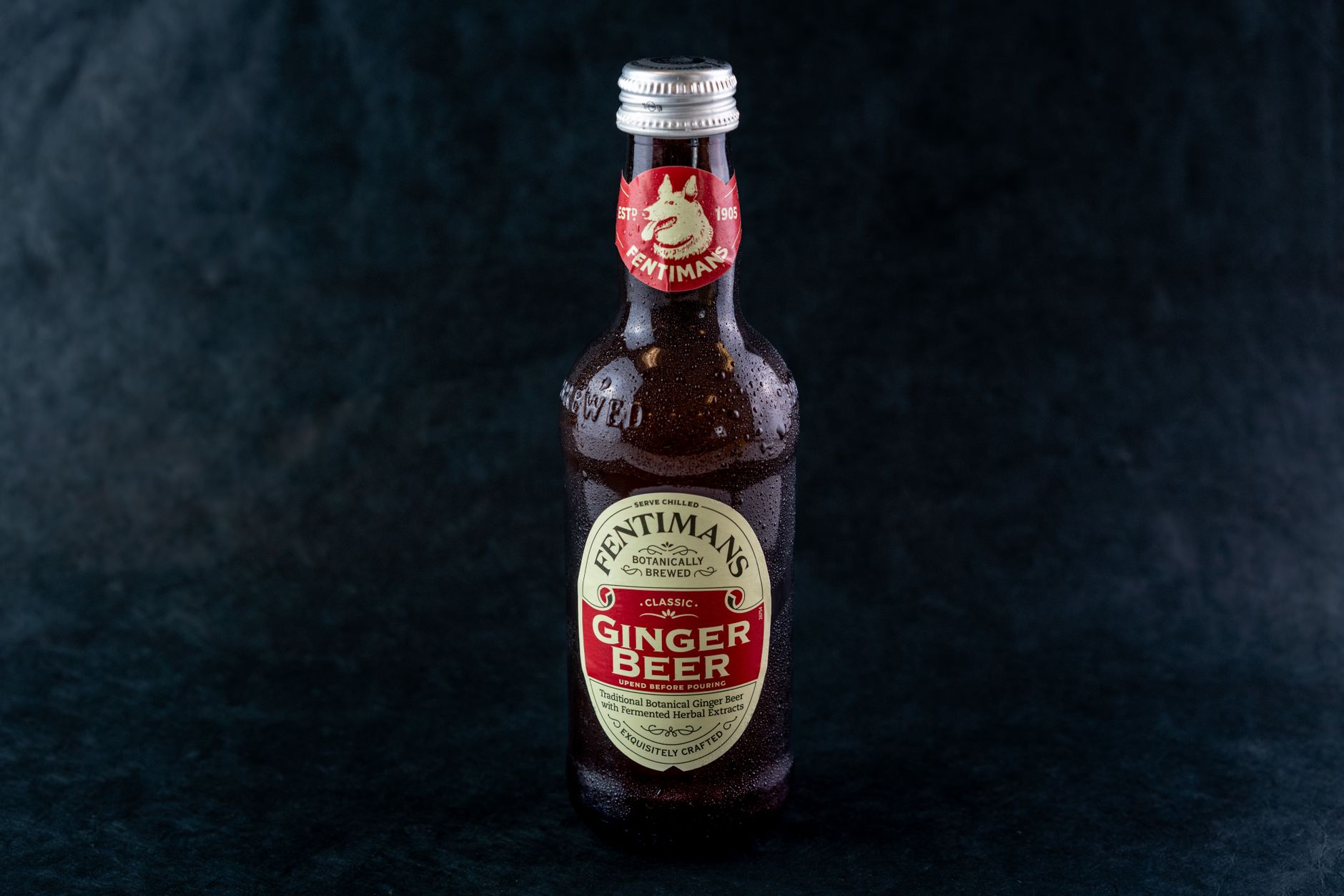
Ginger ale is a popular soft drink, often associated with stomach relief and a refreshing taste. However, for those who suffer from acid reflux, the question arises: does ginger ale really help with this condition? In this article, we will explore the relationship between ginger ale and acid reflux, including its ingredients, potential benefits, and whether it’s a suitable remedy for those experiencing this discomfort.
Understanding acid reflux itself is crucial in determining the role ginger ale may play in alleviating symptoms. Acid reflux occurs when stomach acid flows back into the esophagus, causing discomfort and a burning sensation known as heartburn. Knowing this provides the groundwork for evaluating whether ginger ale can be beneficial or if it might aggravate the situation.
Does Ginger Ale Help With Acid Reflux?
Ginger ale may offer some temporary relief for acid reflux due to the presence of ginger, which is known for its medicinal properties. However, many commercial ginger ales also contain high levels of sugar and carbonation, which can exacerbate acid reflux symptoms for some individuals. Overall, while ginger ale may help in small amounts, it is not a guaranteed remedy for acid reflux.
Understanding Ginger and Its Properties
Ginger, derived from the Zingiber officinale plant, has been used for centuries in various cultures for its health benefits. It is particularly noted for anti-inflammatory properties and its effectiveness in alleviating nausea. Here are some key points regarding ginger:
- Anti-inflammatory: Ginger contains compounds called gingerols that help reduce inflammation.
- Nausea Relief: Ginger is widely recognized for its ability to soothe stomach-related issues, including nausea and motion sickness.
- Digestive Aid: It promotes digestion by speeding up gastric emptying, which can sometimes provide relief from indigestion.
Ingredients of Ginger Ale
Although ginger ale is named after ginger, the actual ginger content in many commercial varieties is low. Instead, ginger ale often contains:
- Carbonated Water: The primary ingredient in ginger ale that gives it its fizzy texture.
- Sugar or Sweeteners: High fructose corn syrup or other sweeteners are common, contributing to the drink’s sweetness.
- Flavorings: Besides ginger flavor, other botanical flavorings may be included, sometimes leading to variations in taste.
The Impact of Sugar and Carbonation
While ginger may have properties that help with nausea and digestive health, the sugar content and carbonation associated with many ginger ales may have the opposite effect for individuals suffering from acid reflux:
1. Sugar Content
High sugar levels can increase insulin resistance and body weight, leading to further acid reflux complications. It is essential to monitor sugar intake, especially if you are prone to reflux symptoms.
2. Carbonation
Carbonation can cause bloating and increase gastric pressure, potentially aggravating reflux symptoms. Some individuals may find that carbonated beverages, including ginger ale, exacerbate their heartburn and discomfort.
Homemade Ginger Ale as an Alternative
For those seeking the potential benefits of ginger without the drawbacks of commercial ginger ale, making homemade ginger ale can be an excellent alternative. This way, you can control the ingredients and avoid excess sugar and carbonation. Here’s a simple recipe:
Ingredients:
- 1 cup fresh ginger, peeled and sliced
- 1 cup sugar (or a natural sweetener of your choice)
- 2 tablespoons lemon juice
- 6 cups water
- Additional carbonated water to serve
Instructions:
- In a saucepan, combine the fresh ginger slices, sugar, lemon juice, and water.
- Bring the mixture to a boil, then reduce heat and let it simmer for about 30 minutes.
- Remove from heat, allow it to cool, then strain the liquid into a pitcher.
- To serve, mix ginger syrup with carbonated water to your desired taste.
- Garnish with fresh mint or lemon slices if desired.
Potential Benefits of Ginger Ale for Acid Reflux
For those who still wish to enjoy ginger ale, some potential benefits include:
- Comfort for Mild Nausea: Ginger can help soothe nausea, offering temporary relief if nausea accompanies heartburn.
- Soothing Effect: Ginger ale might provide a soothing effect on the stomach lining, particularly in small amounts.
- Cultural and Emotional Connection: Some may find comfort in drinking ginger ale due to childhood memories or cultural significance, aiding in emotional well-being.
When to Avoid Ginger Ale
Despite the potential benefits, there are situations when ginger ale should be avoided altogether:
- Severe Acid Reflux: If you experience frequent or severe acid reflux symptoms, it’s best to limit carbonated drinks entirely.
- Diabetes or Insulin Sensitivity: High sugar content can cause blood sugar spikes, so those managing these conditions should consult with a healthcare provider before consumption.
- Personal Sensitivities: Individual responses to ginger ale varies; if you notice an uptick in reflux after consumption, it’s prudent to avoid it.
Other Natural Remedies for Acid Reflux
Besides ginger ale, here are some alternative natural remedies to consider for managing acid reflux symptoms:
1. Herbal Teas
Caffeine-free herbal teas can help soothe the digestive system. Teas such as chamomile, licorice root, and slippery elm have soothing properties.
2. Aloe Vera Juice
Sipping on aloe vera juice may help reduce inflammation and soothe the esophagus, providing relief from heartburn.
3. Apple Cider Vinegar
Despite its acidic nature, diluted apple cider vinegar can help some individuals with acid reflux by promoting gastric emptying. Always mix with water before ingestion.
4. Bananas
Bananas are naturally antacid foods and may help provide relief and buffer excess acidity.
Common Mistakes When Managing Acid Reflux
When it comes to managing acid reflux, understanding common mistakes can help mitigate symptoms:
- Ignoring Triggers: Certain foods, beverages, and behaviors can trigger symptoms. Keep a food diary to track what exacerbates your reflux.
- Overlooking Portion Sizes: Large meals put pressure on the stomach, leading to increased risk of acid reflux. Eating smaller, more frequent meals can help.
- Rushing Meals: Eating quickly can lead to ingested air, bloating, and discomfort. Take your time during meals.
Conclusion
Ginger ale may provide a temporary remedy for nausea and mild discomfort related to acid reflux, particularly if it contains real ginger. However, the sugar content and carbonation can also pose problems for many individuals. If you choose to consume ginger ale, consider opting for homemade variations to control the ingredients. Overall, always consult with a healthcare professional to determine the best course of action for managing acid reflux symptoms effectively.
If you’re interested in related recipes and tips, explore how to make your own ginger bug or a comforting medicine ball drink. These could provide additional relief and flavor while keeping your health in check.