
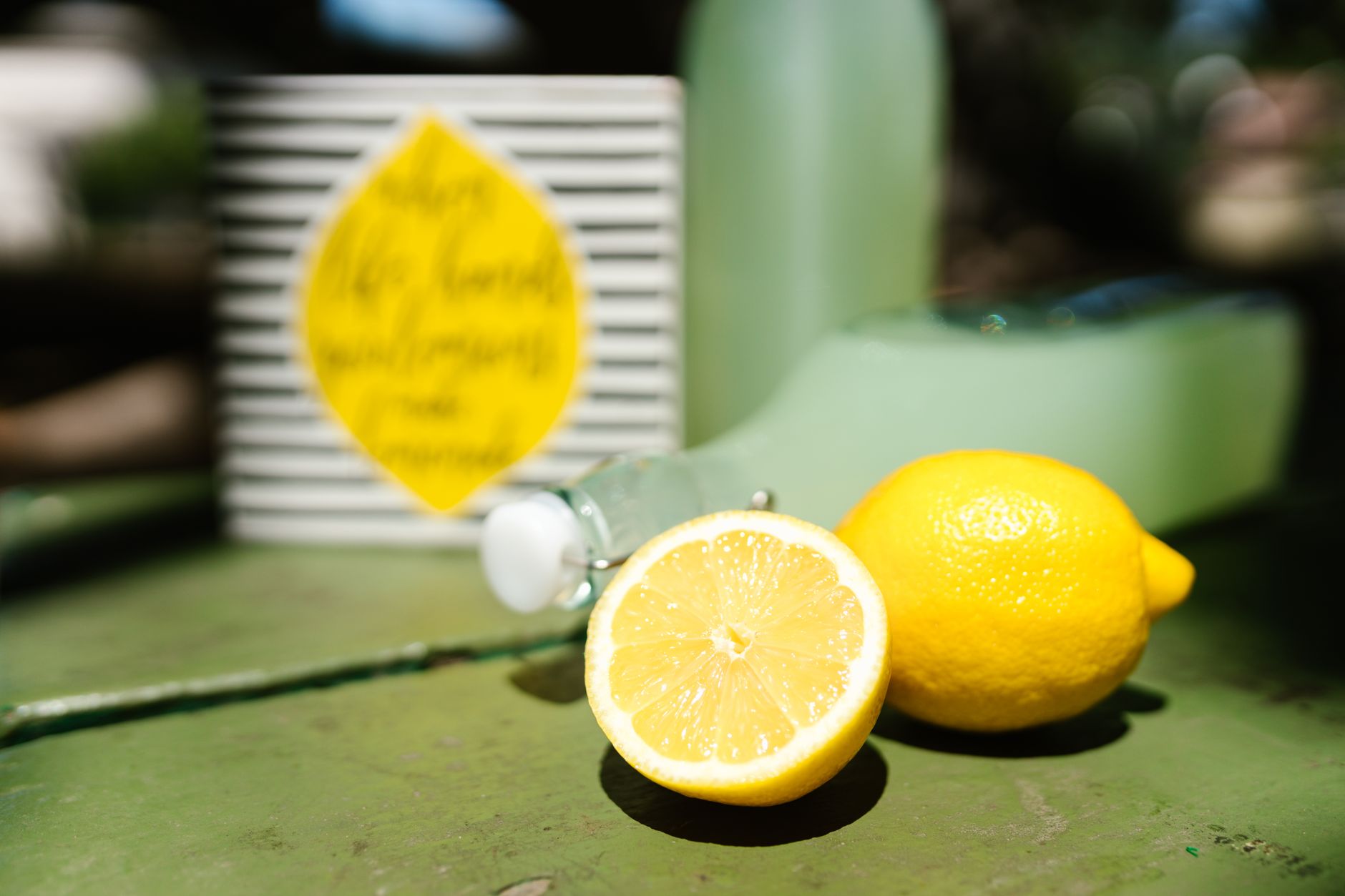
Lemonade is a refreshing, tangy beverage that perfectly quenches thirst, especially on a hot summer day. Whether it’s for a backyard barbecue, a picnic, or just a delightful treat at home, homemade lemonade can elevate any occasion. One of the primary questions many have when making lemonade is: How many lemons do you need to make a gallon?
In this article, we will break down the steps to create a delicious gallon of lemonade, including how many lemons you’ll need, different ingredient variations, tips for optimal flavor, and even some fun variations to try. Understanding these details ensures your lemonade is refreshing and perfectly balanced.
How Many Lemons To Make A Gallon Of Lemonade?
To make one gallon of lemonade, you typically need about 16 to 20 lemons. This amount will yield approximately 1 to 1.5 cups of lemon juice, which is the perfect base for your lemonade’s tart flavor. The exact number of lemons can depend on their size and juiciness.
Ingredients Needed for One Gallon of Lemonade
Here’s a complete ingredient list with clear quantities to create a refreshing gallon of lemonade:
- 16 to 20 fresh lemons (for 1 to 1.5 cups of lemon juice)
- 1 cup granulated sugar (adjust to taste)
- 1 gallon of cold water (about 3.8 liters)
- Ice cubes (for serving)
- Optional: Lemon slices and mint leaves for garnish
Essential Equipment
Gather the following equipment before you start making lemonade:
- Measuring cups
- Juicer or citrus press
- Pitcher (at least 1-gallon capacity)
- Stirring spoon
- Cutting board and knife (for slicing lemons)
Step-by-Step Method to Make Lemonade
- Start by washing the lemons thoroughly under cold water to remove any wax or residues.
- Slice the lemons in half using a sharp knife. This will make juicing easier.
- Using a juicer or citrus press, extract the juice from the lemon halves. Collect the juice in a measuring cup.
- Continue juicing the remaining lemons until you have about 1 to 1.5 cups of lemon juice.
- In your pitcher, combine the freshly squeezed lemon juice and the cup of granulated sugar. Stir until the sugar is fully dissolved.
- Pour in the gallon of cold water gradually, stirring continuously to mix well.
- Taste the lemonade. If it’s too tart, add additional sugar to taste and stir until dissolved.
- Chill the lemonade in the refrigerator for at least an hour before serving.
- Serve the lemonade over ice and garnish with lemon slices and mint leaves, if desired.
Understanding Lemon Varieties
The flavor and acidity of your lemonade can vary based on the type of lemons you use. Here are a few common varieties:
- Lisbon Lemons: Known for their bright, tangy flavor, they are versatile and widely used in lemonade.
- Eureka Lemons: Similar to Lisbon in taste, these are commonly found in grocery stores and work great for lemonade.
- Meyer Lemons: A cross between a lemon and a mandarin orange, they are sweeter and less acidic, resulting in a milder lemonade.
Choosing the right lemon can affect the taste of your lemonade, so consider the level of tartness you desire when selecting your lemons.
Adjusting Sweetness and Tartness
The classic lemonade recipe achieves a perfect balance of sweetness and tartness. However, preferences vary. Here are a few tips:
- For less tartness, increase the sugar gradually until the desired sweetness is reached.
- If you want a more tart lemonade, reduce the amount of water slightly or add more lemon juice.
- Consider using alternatives like honey, agave syrup, or simple syrup for different flavor profiles.
Practical Substitutions and Variations
For those who want to experiment with their lemonade, several substitutions and variations can enhance the flavor:
- Fruit Variations: Add any muddled berries, peach puree, or citrus combinations like tangerines or limes for different flavors.
- Herbal Infusions: Steep fresh herbs such as basil or rosemary in hot water before adding it to your drink for a unique herbal lemonade.
- Carbonated Lemonade: Swap some of the water with sparkling water for a fizzy version of your lemonade.
- Spicy Lemonade: Add a pinch of cayenne pepper or ginger for a zesty kick.
Common Mistakes to Avoid
The process of making lemonade is straightforward, but some common pitfalls can affect the final product:
- Not juicing enough lemons: Ensure you have the right amount of juice for a balanced flavor.
- Over-sweetening or under-sweetening: Always taste as you go and adjust sweetness gradually.
- Using bottled lemon juice: Freshly squeezed lemon juice has a superior flavor compared to bottled varieties.
Paying attention to these details will lead to a more satisfying lemonade experience.
Make-Ahead Tips
Lemonade can be made ahead of time, making it convenient for events and gatherings. Here are some tips for preparing your lemonade in advance:
- Prepare the lemonade and store it in the refrigerator without ice. Add ice only when serving to prevent dilution.
- Lemonade can be stored for up to 5 days in the refrigerator but should be stirred before serving, as the ingredients may settle.
- For longer storage, you may freeze lemonade in ice cube trays and add frozen cubes to drinks for quick chilling.
Serving Suggestions
When it comes to serving, there are several appealing ways to present your homemade lemonade:
- Serve in mason jars for a rustic feel with colorful straws.
- Add a slice of lemon or a sprig of mint to each glass for decoration.
- Consider creative serving options, such as integrating lemonade into cocktails or mocktails.
Storing Leftover Lemonade
If you happen to have any leftover lemonade, it’s essential to store it correctly:
- Transfer leftover lemonade to a sealed container or pitcher in the refrigerator for up to 5 days.
- Label the container with the date when it was made to keep track of freshness.
- Refrigerate lemonade as soon as possible to maintain its flavor and prevent spoilage.
Conclusion
Making homemade lemonade is not just about mixing lemon juice, sugar, and water; it’s about finding the perfect balance for your taste. With about 16 to 20 lemons, you can create a delicious gallon of lemonade that can be customized to your liking. This guide to making lemonade equips you with the necessary knowledge to enjoy this timeless refreshing drink.
For more refreshing drink ideas, check out our recipe for lemonade with lemon juice for 1 glass and try our unique lychee lemonade recipe for a delightful twist!