
There’s something magical about watching a pile of bright orange carrots transform into liquid gold in seconds, filling your kitchen with that sweet, earthy aroma that makes you feel like you’re doing something genuinely good for your body.
Homemade carrot juice is one of the quickest wins in the wellness kitchen, delivering natural sweetness and beta-carotene in a single glass without any added sugars or preservatives. This recipe takes just minutes to make and tastes infinitely fresher than anything bottled, making it perfect for busy mornings or when you’re craving something that feels indulgent and healthy at the same time.
Why You’ll Love This Recipe
Fresh carrot juice is a no-fuss way to boost your daily nutrition while enjoying a naturally sweet, satisfying drink that actually tastes like real food. Here’s what makes this recipe a kitchen staple worth mastering:
- Ready in under 5 minutes from carrot to glass
- Just a few simple ingredients with zero waste when using a quality juicer
- Packed with beta-carotene and antioxidants your body absorbs more easily in juice form
- Naturally sweet with no added sugars, making it guilt-free for any time of day
- Versatile base for blending with other fruits, ginger, or turmeric for endless variations
My Experience Making This Recipe
The first time I made fresh carrot juice at home, I was skeptical it would taste noticeably different from store-bought versions. Within the first sip, I understood the difference completely: real juice tastes alive.
I’ve made this juice countless times now, often doubling the batch because my partner and I drain a glass before we even sit down. The smell alone is worth the effort, and knowing exactly what goes into our bodies feels like a small act of self-care before a hectic day begins.
What surprised me most was how much pulp a proper juicer removes, leaving you with that silky, restaurant-quality texture that bottled juice simply cannot match. I started experimenting with adding ginger, apple, and a pinch of turmeric, and suddenly this simple recipe became the foundation for my entire morning routine.
Recipe Overview
- Recipe Name: Homemade Carrot Juice
- Servings: 2 servings
- Prep Time: 5 minutes
- Cook Time: 0 minutes
- Total Time: 5 minutes
- Course: Beverage
- Cuisine: International
- Calories per Serving: 94
Equipment You Will Need
- Cold-press or centrifugal juicer
- Cutting board
- Sharp chef’s knife
- Two 12-ounce serving glasses
- Small spoon for stirring (optional)
- Vegetable brush for cleaning carrots
Ingredients for Homemade Carrot Juice
- 2 pounds fresh carrots (about 8 to 10 medium carrots)
- 1/2 inch fresh ginger root (optional, for a subtle kick)
- 1 small apple (optional, adds brightness and sweetness)
- Filtered water (only if your juicer requires it)
- Sea salt (optional pinch at the end)
Ingredient Notes and Substitutions
- Fresh carrots: The star of this juice, carrots provide natural sweetness, vibrant color, and powerful beta-carotene that converts to vitamin A in your body. You can substitute with parsnips if you want a slightly earthier, less sweet juice, though the flavor profile shifts noticeably.
- Ginger root: Fresh ginger adds warmth and a gentle spice that cuts through the carrot’s natural sweetness and aids digestion. If you prefer a milder juice, skip it entirely or replace it with a small piece of turmeric root for an anti-inflammatory twist.
- Apple: A small tart apple brightens the juice and balances the carrot’s earthiness with a touch of sweetness. You can swap this with a small wedge of lemon for tang instead, though the juice will taste noticeably more tart and less sweet.
- Filtered water: Some centrifugal juicers work better with a splash of water to help the juice flow smoothly. If your juicer manual doesn’t mention water, skip it; cold-press juicers typically don’t need it.
How to Make Homemade Carrot Juice
Step 1: Wash and Prepare Your Carrots
Rinse your carrots under cool running water and use a vegetable brush to remove any dirt clinging to the skin. You don’t need to peel them because most of the nutrients live right in the skin, and a quality juicer separates the pulp anyway.
Step 2: Trim the Carrot Ends
Cut off the stem end and the thin root tip from each carrot using a sharp chef’s knife, then cut each carrot into chunks roughly 2 to 3 inches long. Smaller pieces feed more smoothly into your juicer and prevent jamming, which saves time and frustration.
Step 3: Prepare Optional Add-ins
If using ginger, cut a 1/2-inch piece from fresh ginger root and peel away the thin skin with a spoon or knife. If using apple, wash it and cut it into chunks, removing the seeds if you prefer (though they can stay in).
Step 4: Set Up Your Juicer
Place your juicer on a stable, flat counter surface with a large glass or pitcher underneath the juice spout to catch the liquid. Most juicers come with a pulp container attachment; make sure it’s properly seated before you begin to prevent messy spillage.
Step 5: Start Juicing the Carrots
Feed the carrot chunks slowly into your juicer’s feed chute, pressing down gently with the plunger if your juicer has one. Never force pieces through; a quality juicer does the work for you, and forcing can damage the machine or create less juice due to clogging.
Step 6: Add Ginger and Apple
After you’ve processed most of the carrots, feed in your ginger piece and apple chunks through the top of the juicer. These additions anchor the carrot juice together and ensure their flavors distribute evenly throughout the batch rather than concentrating at the end.
Step 7: Process Any Remaining Carrot Pieces
Feed the last few carrot pieces through to push the ginger and apple completely through the machine, maximizing extraction. This technique ensures none of your add-ins get stuck at the bottom of the juicer where they can’t contribute to the juice.
Step 8: Pour and Serve Immediately
Divide your fresh juice between two serving glasses and drink it right away for the best flavor, texture, and nutrient retention. Fresh juice oxidizes quickly once exposed to air, so enjoying it within a few minutes means you get the full nutritional benefit and the brightest, most vibrant taste.
Pro Tip: Cold-press juicers extract more juice and preserve more nutrients than centrifugal models, so if you’re making this regularly, they’re worth the investment despite the higher upfront cost.
Tips for the Best Homemade Carrot Juice
- Use room-temperature carrots rather than ones straight from the refrigerator, as they juice more smoothly and yield slightly more liquid. Cold carrots are firmer and put extra strain on your juicer.
- Vary your carrot types when possible; purple, red, and yellow carrots each offer different flavor notes and unique phytonutrients alongside the standard orange ones. A mix tastes more complex and interesting than juice from a single carrot color.
- Drink your juice straight up for maximum nutrition, but if you find the flavor too intense or earthy, add a splash of coconut water or filtered water to dilute it slightly. This extends your juice and makes it feel more refreshing.
- Clean your juicer immediately after use by running water through it while it’s still on to flush out pulp residue. Dried pulp hardens quickly and becomes a nightmare to scrub away later.
- Save your carrot pulp in a freezer bag for vegetable stock, baking, or composting rather than throwing it away. The pulp still contains fiber and flavor you can extract in other ways.
- Make juice in the morning right before you drink it rather than preparing it the night before, as fresh juice oxidizes and loses nutrients within hours of juicing. If you must prep ahead, store it in an airtight container in the coldest part of your fridge for no more than 24 hours.
Common Mistakes to Avoid
- Peeling carrots before juicing wastes the most nutrient-dense part of the vegetable and removes fiber your digestive system benefits from. The skin is safe and adds nutritional value, so leave it on.
- Using a blender instead of a proper juicer creates a thick carrot smoothie with all the pulp still mixed in rather than the silky juice you’re expecting. If you don’t own a juicer, strain blended carrot through cheesecloth, though this takes extra time and effort.
- Juicing old, soft, or sprouting carrots produces bland, weak juice and can sometimes create off-flavors or watery results. Always use fresh, firm carrots that are free of soft spots and sprouting tops.
- Adding too much ginger or other spicy add-ins overpowers the delicate carrot flavor and makes the juice taste sharp rather than sweet and balanced. Start small and adjust to your taste preference on your second batch.
- Storing juice in clear glass on a bright counter exposes it to light, which breaks down nutrients and causes discoloration within hours. Keep juice in the coldest part of your refrigerator in an opaque or tinted container.
Serving Suggestions
Fresh carrot juice shines on its own as a morning wellness drink, but you can also serve it as part of a larger breakfast spread or use it as a mixer for smoothie bowls and savory dishes. Here are some delicious ways to enjoy your homemade juice:
- Pair it with a fiber-rich breakfast like oatmeal or chia seed pudding to balance the juice’s natural sugars with sustained energy
- Serve it alongside scrambled eggs and whole-grain toast for a complete, nutrient-balanced breakfast
- Use it as the liquid base in smoothie bowls topped with granola, coconut flakes, and fresh fruit
- Mix it into salad dressings for a subtle sweetness and vibrant color that makes vinaigrettes more visually interesting
- Blend it into soups like butternut squash or sweet potato for added nutrition and a natural sweetness that reduces the need for added sugar
Variations to Try
- Carrot-Turmeric Wellness Juice: Replace the ginger with a 1/2-inch piece of fresh turmeric root and add a pinch of black pepper, which helps your body absorb turmeric’s active compounds more effectively. This creates a deeply anti-inflammatory juice with a warm, slightly bitter finish.
- Carrot-Beet Juice: Add one small beetroot to your carrot batch to create a juice that’s earthier, deeper in color, and packed with even more antioxidants. Beet also adds natural sweetness and a beautiful ruby hue that makes the juice feel special.
- Carrot-Orange Juice: Replace the apple with two small oranges, cutting them into quarters and feeding them through the juicer alongside your carrots. This creates a brighter, more citrusy juice that feels refreshing and tropical.
- Carrot-Celery Detox Juice: Add three stalks of fresh celery to your carrot batch for a more savory, hydrating juice that’s popular in juice cleanses. Celery adds minerals and creates a juice that feels less sweet and more like a vegetable tonic.
- Carrot-Pineapple Juice: Add about 1 cup of fresh pineapple chunks to create a tropical, enzyme-rich juice with a subtle tartness from pineapple’s natural acids. This version works beautifully as a post-workout hydration drink.
Dietary Adaptations
- Gluten-Free: This recipe is naturally gluten-free since carrots contain no gluten, so no adaptation needed for those with celiac disease or gluten sensitivity.
- Dairy-Free: This recipe contains no dairy products whatsoever, making it automatically suitable for anyone avoiding dairy or following a vegan lifestyle.
- Vegan and Vegetarian: Carrot juice is completely plant-based and works perfectly for vegans, vegetarians, and anyone eating a meat-free diet.
- Low-Carb and Keto: This recipe is higher in natural sugars from the carrots themselves, so those strictly limiting carbs should consume smaller portions or limit juice to occasional use rather than daily drinking. If needed, replace carrots with celery as your juicing base, though the flavor changes significantly.
- Nut-Free and Seed-Free: This recipe contains no nuts or seeds in its basic form, making it safe for those with nut or seed allergies or sensitivities.
Storage and Reheating
Refrigerator
Fresh carrot juice keeps in an airtight glass container in the coldest part of your refrigerator for up to 24 hours, though taste and nutrient quality begin declining after about 12 hours. Oxidation causes the juice to separate, darken, and lose its bright flavor more quickly than you might expect.
- Use an opaque or tinted glass container to protect the juice from light exposure
- Fill the container as full as possible to minimize air space, which speeds oxidation
- Store it at the back of the fridge where it stays coldest, not on the door where temperature fluctuates
Freezer
You can freeze fresh carrot juice in ice cube trays or freezer-safe containers for up to three months, though freezing slightly alters the texture and flavor. Frozen juice works best in smoothies, soups, or sauces rather than as a standalone drink when thawed.
- Pour juice into ice cube trays and freeze solid, then transfer cubes to freezer bags for compact storage
- Label your containers with the date so you know when you made the juice
- Expect the juice to separate into layers when thawed; stir well to recombine
Reheating
Carrot juice is best served cold and doesn’t require reheating, but you can gently warm it over low heat if you prefer it warm or if you’re adding it to a hot recipe. Never boil juice, as high heat destroys delicate nutrients and vitamins.
- Warm juice gently in a small saucepan over low heat, stirring occasionally
- Remove from heat as soon as steam begins rising, before the juice comes to a simmer
- Warm juice separates more easily and tastes less vibrant than cold juice, so reserve heating only for recipes where temperature doesn’t matter
Nutrition Information
| Nutrient | Amount |
|---|---|
| Calories | 94 |
| Total Fat | 0.3g |
| Saturated Fat | 0.1g |
| Carbohydrates | 22g |
| Fiber | 1g |
| Sugar | 16g |
| Protein | 1g |
| Sodium | 65mg |
| Cholesterol | 0mg |
This nutritional data is calculated based on the basic recipe with carrots, ginger, and apple, assuming you juice roughly 2 pounds of carrots per 2 servings. Your actual nutrition will vary depending on carrot size, juicer efficiency, and whether you include optional add-ins.
Frequently Asked Questions
Can I use a blender to make carrot juice instead of a juicer?
A blender creates a thick carrot smoothie with all the pulp mixed in rather than separated juice, producing a very different texture and mouthfeel. If you only have a blender, blend the carrots with a small amount of water, then strain through cheesecloth for several minutes to remove pulp, though this is time-consuming and yields less juice than a proper juicer would.
How long does fresh carrot juice really last in the fridge?
Fresh carrot juice begins oxidizing immediately and tastes best consumed within a few hours of juicing, though it remains safe for up to 24 hours when stored properly in an airtight container. After 12 hours, you’ll notice the juice separates, darkens, and tastes noticeably less vibrant and sweet.
Is it better to use organic or conventional carrots for juicing?
Organic carrots eliminate pesticide residue concerns since you’re not peeling them, making them the safer choice if your budget allows. Conventional carrots work fine; just wash them thoroughly with a vegetable brush to remove any surface debris.
Why is my carrot juice darker or separated after a few hours?
Oxidation causes fresh juice to darken and separate into layers as enzymes break down nutrients and flavors over time. This is completely normal and doesn’t mean the juice has gone bad, though the flavor and nutritional quality decline noticeably.
Can I make carrot juice ahead of time for the whole week?
Making juice days ahead sacrifices quality significantly; you’re better off making fresh juice daily or every other day to maximize nutrition and taste. If you need convenience, freeze juice in ice cube trays and thaw only what you need each morning.
What’s the difference between a cold-press and centrifugal juicer for carrot juice?
Cold-press juicers use slow pressure to extract juice and retain more nutrients and enzymes, while centrifugal juicers use high-speed spinning that generates heat and oxidizes juice faster. Cold-press produces juice that lasts longer and tastes fresher, though it costs more upfront.
Final Thoughts
Making your own carrot juice transforms a simple vegetable into something that feels luxurious and nourishing, all within the time it takes to brew a cup of coffee. The payoff is immediate: brighter energy, clear skin, and the satisfaction of knowing exactly what goes into your body.
Give this recipe a try this week and notice how different real, fresh juice tastes compared to anything you’ve bought bottled. Once you taste the difference, you’ll understand why fresh carrot juice deserves a permanent spot on your breakfast table.
More Juice Recipes to Explore
If you’re enjoying the simplicity and health benefits of fresh homemade juice, expand your juicing repertoire with other refreshing options that work beautifully in your juicer.
Try making fresh cantaloupe juice for a naturally sweet, hydrating drink packed with vitamins and minerals. You can also explore guava juice recipe for a tropical twist that brings exotic flavor to your wellness routine.
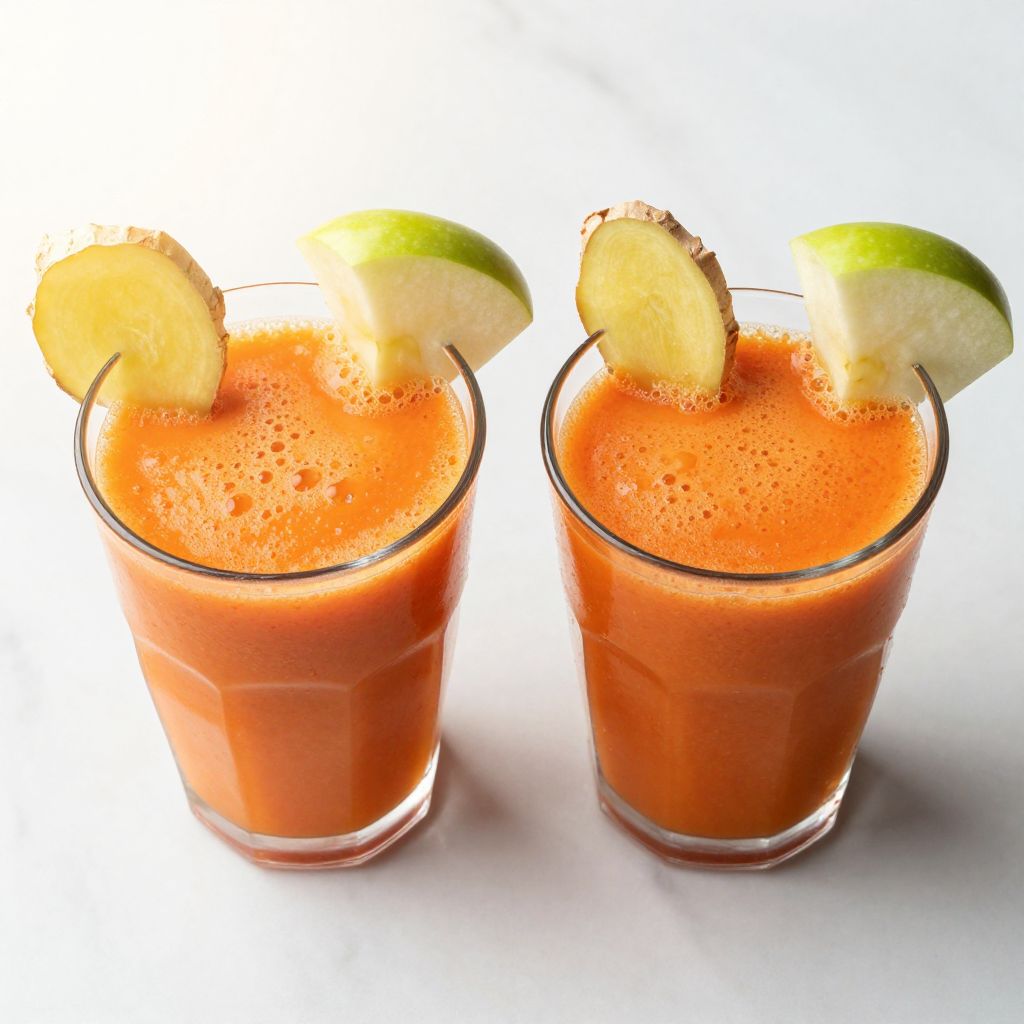
Homemade Carrot Juice
Ingredients
Equipment
Method
- Wash and prepare your carrots by rinsing under cool running water and scrubbing with a vegetable brush.
- Trim the stem ends and root tips off each carrot and cut into 2- to 3-inch chunks.
- If using ginger, peel a 1/2-inch piece; if using apple, core and cut into chunks.
- Assemble your juicer on a stable counter with a glass or pitcher under the spout and the pulp container in place.
- Feed the carrot chunks slowly into the juicer, using the plunger if provided, until most carrots are processed.
- Process the ginger piece and apple chunks through the juicer to mix their flavors evenly.
- Feed any remaining carrot chunks through to push the ginger and apple fully through the machine.
- Pour the fresh juice into two glasses and serve immediately for best flavor and nutrient retention.