
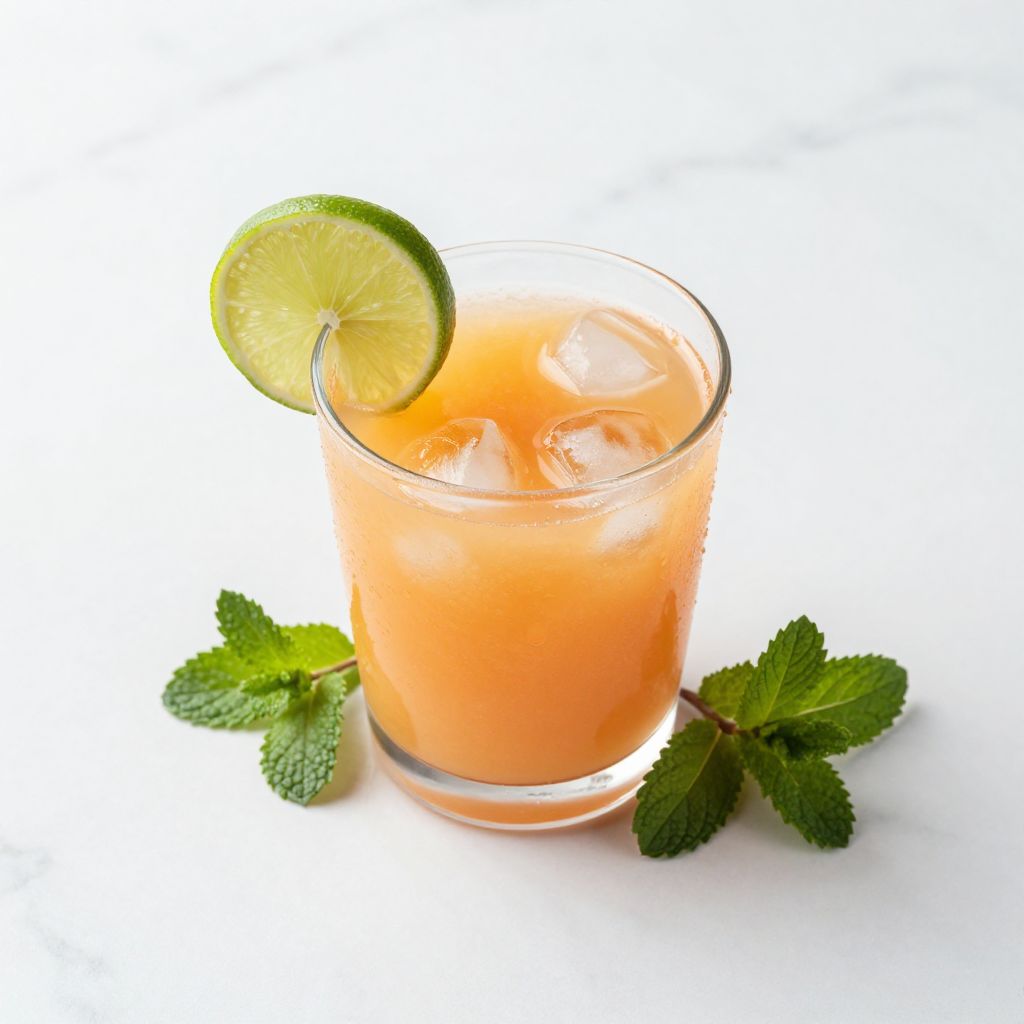
There’s something magical about biting into a perfectly ripe cantaloupe on a summer morning, but have you ever considered squeezing all that sweet, refreshing goodness into a glass? Cantaloupe juice transforms the fruit’s delicate flavor into a silky drink that tastes like sunshine in a cup.
This recipe is special because it requires just a few minutes and minimal ingredients, yet delivers a juice so naturally sweet and hydrating that you’ll wonder why you haven’t made it sooner. The result is pure, unadulterated melon flavor with a gorgeous peachy-orange color that practically glows.
Why You’ll Love This Recipe
Cantaloupe juice stands out for its simplicity and nutritional payoff. You get a naturally sweet beverage without added sugar, and the prep work is genuinely minimal.
- Ready in under 10 minutes from whole fruit to glass
- Requires only a juicer or blender, no fancy equipment needed
- Packed with vitamin A, vitamin C, and hydrating water content
- Perfect base for smoothie bowls, cocktails, or standalone sipping
- Naturally sweet with no added sugars or artificial ingredients
My Experience Making This Recipe
The first time I made cantaloupe juice, I was skeptical that something so simple could taste restaurant-quality. I selected a ripe cantaloupe from the farmer’s market, halved it, scooped out the seeds, and ran it through my juicer while my kitchen filled with the most intoxicating aroma.
The juice that came out was pure silk, noticeably thicker and more flavorful than any bottled version I’d ever purchased. My kids actually asked for seconds, which rarely happens with anything that isn’t chocolate.
What surprised me most was how the juice’s flavor changed with temperature and time. Freshly made and chilled, it tasted bright and honeyed. Left in the fridge overnight, it developed deeper, more complex notes that reminded me of stone fruit.
Recipe Overview
- Recipe Name: Homemade Cantaloupe Juice
- Servings: 4 servings
- Prep Time: 10 minutes
- Cook Time: 0 minutes
- Total Time: 10 minutes
- Course: Beverage
- Cuisine: American
- Calories per Serving: 60
Equipment You Will Need
- Sharp chef’s knife
- Cutting board
- Juicer (cold-press, centrifugal, or masticating)
- Blender (optional alternative to juicer)
- Fine-mesh strainer
- Large pitcher or serving glasses
- Spoon for stirring
- Measuring cups
Ingredients for Cantaloupe Juice
- 2 ripe cantaloupes (approximately 4 to 5 pounds total), halved and seeded
- Ice (optional, for serving)
- Fresh lime juice (1 to 2 tablespoons, optional garnish)
- Fresh mint leaves (optional garnish)
Ingredient Notes and Substitutions
- Ripe cantaloupes are essential because underripe fruit yields thin, flavorless juice and overripe fruit tastes mealy. If your cantaloupe feels slightly soft at the stem end and smells fragrant, you’ve found the sweet spot. You can substitute honeydew melon for a slightly more delicate flavor, though the juice will be paler and less naturally sweet.
- Fresh lime juice adds brightness and complexity without overpowering the melon. Lemon juice works as a substitute, though it brings sharper acidity that some people prefer to skip entirely for pure cantaloupe flavor.
- Fresh mint is purely optional but transforms the drink into something spa-like and sophisticated. Basil offers an unexpected herbal twist if you want to experiment with different flavor profiles.
How to Make Cantaloupe Juice
Step 1: Select and Inspect Your Cantaloupes
Choose cantaloupes that yield slightly to gentle pressure at the stem end and smell sweet and musky. A cantaloupe that’s too hard will produce watery, flavorless juice, while an overripe one tastes grainy and fermented.
Step 2: Rinse the Cantaloupes Thoroughly
Run your cantaloupes under cool water and gently scrub the netted exterior with a soft brush or cloth to remove dirt and bacteria. This step prevents contamination when you cut into the fruit, which is particularly important since you’re consuming the juice raw.
Step 3: Cut the Cantaloupe in Half
Using a sharp chef’s knife, carefully cut each cantaloupe in half from stem end to bottom. Work slowly and let the knife do the work to avoid slipping on the smooth rind.
Step 4: Remove and Discard the Seeds
Use a sturdy spoon to scoop out all the seeds and stringy bits from the center of each cantaloupe half. Removing seeds prevents bitterness and unpleasant texture in your finished juice, and you want the final product to be silky smooth.
Step 5: Cut the Cantaloupe Into Chunks
Slice the melon away from the rind in large sections, then cut those sections into chunks roughly 3 to 4 inches in size. Smaller chunks feed more easily into your juicer and create less waste as you juice.
Step 6: Feed the Cantaloupe Into Your Juicer
Working in batches if necessary, feed cantaloupe chunks slowly and steadily into your juicer, following the manufacturer’s instructions for your specific machine. Cold-press juicers yield the most juice and preserve more nutrients, though centrifugal juicers work just fine and save time.
Step 7: Strain the Juice If Desired
If you used a blender instead of a juicer, pour the mixture through a fine-mesh strainer into a large pitcher, pressing gently on the solids to extract all liquid. This step is optional if you prefer a thicker juice with pulp, but straining creates the silkiest texture.
Step 8: Taste and Adjust
Pour a small amount of juice into a glass and taste it straight up. If you want brightness, add a squeeze of fresh lime juice and stir well, tasting as you go to find your preferred balance.
Step 9: Chill and Serve
Transfer your juice to glasses filled with ice if serving immediately, or store in a covered pitcher in the refrigerator for up to 24 hours. Cantaloupe juice is best consumed within a day of juicing because the flavor begins to flatten and oxidation dulls the bright color over time.
Pro Tip: For the silkiest texture and maximum juice yield, chill your cantaloupes for at least 2 hours before juicing, and use a masticating juicer if available rather than a centrifugal model.
Tips for the Best Cantaloupe Juice
- Buy cantaloupes that feel heavy for their size, which indicates more water content and sweeter juice. A light cantaloupe suggests dry, mealy flesh underneath that will produce thin, disappointing juice.
- Juice immediately after cutting and chilling your cantaloupe, as the enzymes in raw melon juice begin breaking down vitamins and flavor within hours. Drinking within an hour of juicing gives you maximum nutritional benefit and the brightest flavor.
- If your juice tastes watery, you either selected an underripe cantaloupe or used too much of the pale flesh near the rind. Next time, focus on feeding the deeper orange-colored flesh into your juicer and avoid the pale outer portions.
- Freeze leftover juice in ice cube trays for use in smoothies or blended drinks later. These frozen cubes last up to 3 months and add natural sweetness without diluting other beverages.
- Taste your cantaloupes before committing to a large batch. Every melon is different depending on growing conditions, so a quick sample ensures you’ve selected sweet fruit before investing time in juicing.
- Clean your juicer immediately after use, as cantaloupe pulp dries and becomes difficult to remove if left sitting.
Common Mistakes to Avoid
- Selecting underripe cantaloupes because they feel safer to work with is a trap. Underripe fruit yields watery juice with weak flavor, and there’s no way to improve it once juiced, so start with perfectly ripe melons every time.
- Including the pale flesh closest to the rind dilutes your juice and introduces a slightly bitter, watery taste. Feed only the deeper orange-colored flesh into your juicer for maximum sweetness and flavor intensity.
- Storing juice longer than 24 hours causes significant flavor degradation and color fading. Cantaloupe juice is best consumed the day you make it, so juice only what you’ll realistically drink within a few hours.
- Forgetting to remove all the stringy bits around the seeds leaves fibers in your juice that create an unpleasant chalky texture. Take time to scoop thoroughly before cutting the melon into chunks.
Serving Suggestions
Cantaloupe juice shines on its own over ice on a hot afternoon, but it also plays beautifully with other ingredients and preparations. The naturally sweet, refreshing flavor pairs well with both savory and sweet applications.
- Serve chilled in tall glasses with fresh mint leaves and a lime wheel for an elegant brunch drink
- Blend with plain yogurt and a handful of ice for a creamy cantaloupe smoothie
- Mix with sparkling water in a 1:1 ratio for a naturally sweetened cantaloupe spritzer
- Pour into popsicle molds and freeze for refreshing homemade frozen treats on hot days
- Use as the base for a summer cocktail by adding vodka, rum, or prosecco for a boozy version
Variations to Try
- Cantaloupe and Ginger Juice combines 2 ripe cantaloupes with a 1-inch piece of fresh ginger. The spicy warmth of ginger cuts through the melon’s sweetness and adds a sophisticated kick that pairs beautifully with a pinch of sea salt.
- Cantaloupe and Coconut Juice blends fresh cantaloupe juice with 1/2 cup of coconut water. This version tastes more tropical and adds electrolytes, making it ideal for post-workout hydration.
- Honeydew and Cantaloupe Blend uses equal parts cantaloupe and honeydew melon for a milder, more delicate flavor. The pale juice tastes slightly more floral and less intensely sweet than cantaloupe alone.
- Cantaloupe, Peach, and Basil Juice combines 1 ripe cantaloupe with 2 fresh peaches and 5 basil leaves. The result is a complex, herbaceous juice that tastes like concentrated summer fruit in a glass.
- Cantaloupe Juice with Turmeric adds 1/4 teaspoon of ground turmeric and a crack of black pepper for anti-inflammatory properties. The earthy spice mingles with the melon’s sweetness, creating a wellness drink with depth.
Dietary Adaptations
- Gluten-Free: Cantaloupe juice is naturally gluten-free with no modifications needed, making it safe for anyone avoiding gluten.
- Dairy-Free: This recipe contains no dairy products and requires no changes for a dairy-free diet.
- Vegan: Cantaloupe juice is completely plant-based and vegan-friendly without any substitutions.
- Low-Carb/Keto: A single serving of cantaloupe juice contains about 14 grams of natural sugars, which may exceed keto carb limits depending on your daily allowance. Consider enjoying a smaller portion or choosing lower-sugar options like watermelon juice instead.
Storage and Reheating
Refrigerator
Store freshly made cantaloupe juice in an airtight glass pitcher or bottle on the coldest shelf of your refrigerator. The juice keeps for up to 24 hours, though flavor and color begin noticeably deteriorating after about 12 hours as enzymes continue breaking down the fruit’s compounds.
- Use within 24 hours for best flavor and nutritional content
- Cover tightly to prevent absorption of refrigerator odors
- Shake gently before serving if any separation has occurred
Freezer
Freeze cantaloupe juice in ice cube trays for long-term storage up to 3 months. Once frozen solid, transfer the cubes to a freezer-safe bag or container for convenient portioning in smoothies and blended drinks.
- Freeze in ice cube trays for easy portioning
- Transfer to freezer bags after freezing for space efficiency
- Thawed juice is best used in recipes rather than consumed straight, as texture and separation may occur
Reheating
Cantaloupe juice is meant to be served cold and does not require reheating. If frozen juice cubes are thawed, serve over ice or blend directly into smoothies without additional heating.
- Serve chilled straight from the refrigerator or over ice
- Add to smoothies directly from the freezer for a thick, frosty texture
- Never heat cantaloupe juice, as temperature destroys delicate flavor compounds and heat-sensitive vitamins
Nutrition Information
| Nutrient | Amount |
|---|---|
| Calories | 60 |
| Total Fat | 0.3g |
| Saturated Fat | 0.1g |
| Carbohydrates | 14g |
| Fiber | 1.2g |
| Sugar | 12g |
| Protein | 1.2g |
| Sodium | 25mg |
| Cholesterol | 0mg |
These values represent cantaloupe juice with no added sweeteners or additional ingredients. Individual nutrition varies based on the specific ripeness and variety of cantaloupe used.
Frequently Asked Questions
Can I make cantaloupe juice without a juicer?
Yes, blend cantaloupe chunks with a splash of water and strain through a fine-mesh sieve for juice without a dedicated juicer. The texture will be thicker and contain more pulp than machine-juiced versions, but the flavor remains excellent.
How do I know if my cantaloupe is ripe enough for juicing?
A ripe cantaloupe should feel slightly soft at the stem end when you press gently, smell distinctly sweet and musky, and sound hollow when tapped lightly. Avoid rock-hard melons and those with soft mushy spots, as both produce inferior juice.
Can I mix cantaloupe juice with other juices?
Absolutely, cantaloupe juice blends beautifully with citrus, coconut, and stone fruit juices. Try combining it with fresh orange juice for brightness or mango juice for tropical richness.
Why is my juice separated or foamy?
Separation and foam occur naturally when fresh juice sits because fruit enzymes break down cell walls and release air bubbles. Simply stir gently to recombine the layers, or blend the separated juice in a blender for a smoother consistency.
Is store-bought juice the same as homemade?
Homemade juice tastes noticeably fresher, brighter, and more flavorful because commercial processing involves pasteurization and long storage that degrade delicate flavor compounds. Making it yourself takes 10 minutes and delivers superior taste and nutrition.
Can I juice frozen cantaloupe?
Frozen cantaloupe yields less juice and produces a thicker consistency than fresh because ice crystals damage cell walls. Fresh cantaloupe always produces better-quality juice, though frozen melon works fine for smoothies or blended drinks where texture matters less.
Final Thoughts
Making cantaloupe juice at home transforms a simple fruit into something special that tastes like summer concentrated in a glass. The process takes barely 10 minutes, costs far less than bottled alternatives, and delivers flavors no commercial product can match.
Grab a ripe cantaloupe, fire up your juicer, and experience the difference between homemade and store-bought. Once you taste fresh cantaloupe juice chilled and served over ice, you’ll wonder why you ever bought the bottled stuff.
Homemade Cantaloupe Juice
Ingredients
Equipment
Method
- Choose cantaloupes that yield slightly to gentle pressure at the stem end and smell sweet and musky.
- Run your cantaloupes under cool water and gently scrub the netted exterior with a soft brush or cloth to remove dirt and bacteria.
- Using a sharp chef's knife, carefully cut each cantaloupe in half from stem end to bottom.
- Use a sturdy spoon to scoop out all the seeds and stringy bits from the center of each cantaloupe half.
- Slice the melon away from the rind in large sections, then cut those sections into chunks roughly 3 to 4 inches in size.
- Working in batches if necessary, feed cantaloupe chunks slowly and steadily into your juicer, following the manufacturer's instructions for your specific machine.
- If you used a blender instead of a juicer, pour the mixture through a fine-mesh strainer into a large pitcher, pressing gently on the solids to extract all liquid.
- Pour a small amount of juice into a glass and taste it. If you want brightness, add a squeeze of fresh lime juice and stir well, tasting as you go.
- Transfer your juice to glasses filled with ice if serving immediately, or store in a covered pitcher in the refrigerator for up to 24 hours.