
There’s something magical about biting into a ripe guava and discovering that perfect balance of sweet and tart, all those tiny seeds crunching between your teeth. Fresh guava juice captures that same joy in a glass, transforming whole fruit into something refreshing and naturally sweet without any processed sugar.
This recipe gives you a vibrant, nutrient-packed drink that takes less than 10 minutes from fruit to glass. Whether you’re looking for a tropical breakfast sipper, a way to use up a guava haul from the farmers market, or a homemade alternative to bottled juice, you’ll find this approach simple, flexible, and genuinely delicious.
Why You’ll Love This Recipe
You get a perfectly balanced juice that tastes nothing like the canned versions gathering dust on supermarket shelves. It’s quick, requires minimal equipment, and adapts beautifully to your taste preferences.
- Ready in under 10 minutes with just a blender and a strainer
- No added sugar or artificial anything, just pure fruit goodness
- Works with ripe or slightly underripe guavas, so you’re not wasting fruit
- Naturally high in vitamin C, fiber, and antioxidants
- Tastes tropical and complex without tasting overly sweet
My Experience Making This Recipe
I first made this juice on a humid summer afternoon when my neighbor dropped off a bag of guavas from her backyard tree. I had no idea what I was doing, honestly, and my first attempt was way too pulpy and oddly bitter.
After a few tries, I figured out that picking guavas at the right ripeness level and balancing the liquid ratios made all the difference. Now I make this whenever I see good guavas, and it’s become one of those drinks my family actually requests instead of me pushing it on them.
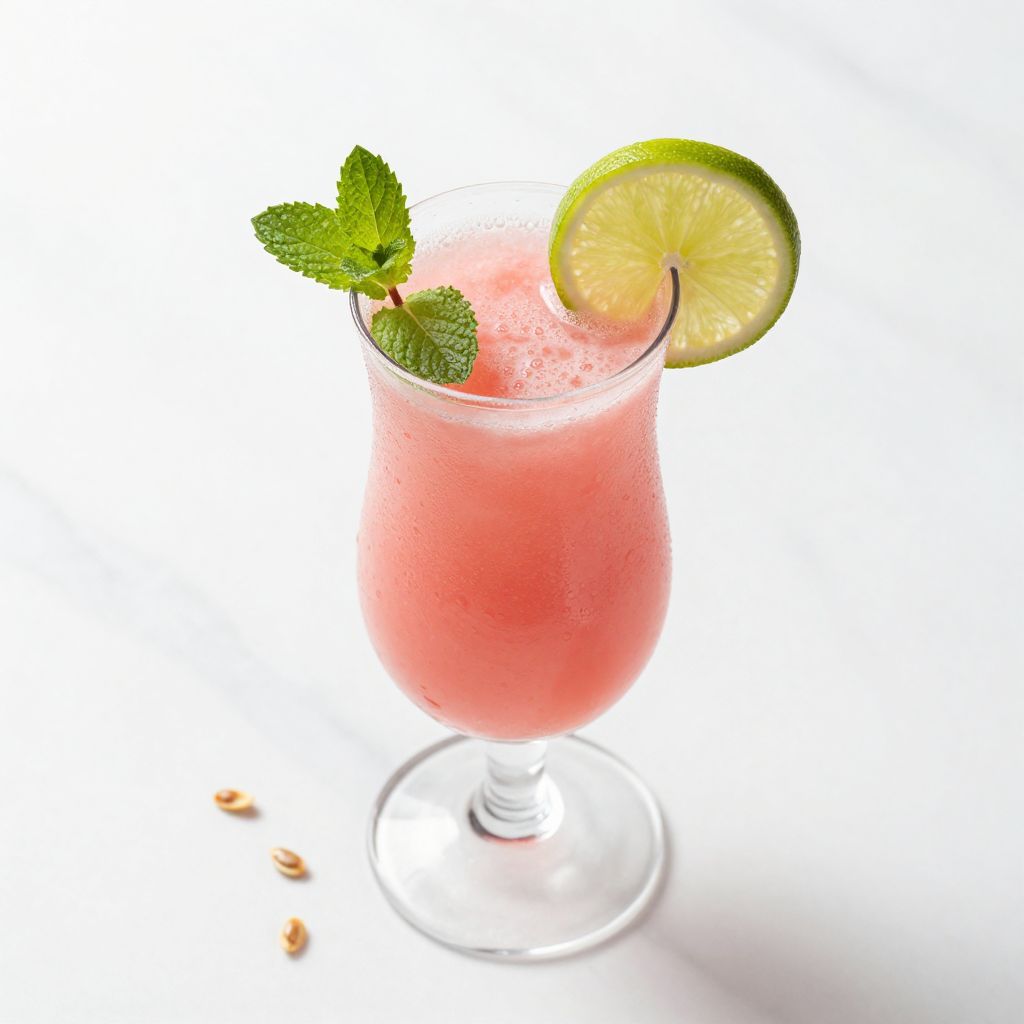
The juice comes out this gorgeous pale pink color, and it tastes bright and complex in a way that feels almost sophisticated for something so simple. People genuinely assume I bought it fresh from some juice bar.
Recipe Overview
- Recipe Name: Fresh Guava Juice
- Servings: 4 servings
- Prep Time: 10 minutes
- Cook Time: 0 minutes
- Total Time: 10 minutes
- Course: Beverage
- Cuisine: Tropical
- Calories per Serving: 65
Equipment You Will Need
- Blender or food processor
- Fine-mesh strainer or cheesecloth
- Cutting board and sharp knife
- Measuring cups and spoons
- Large bowl for straining
- Wooden spoon or spatula for pressing
- Pitcher for serving
Ingredients for Fresh Guava Juice
- 6 medium guavas, ripe but still firm
- 1 cup water, cold or room temperature
- 2 tablespoons fresh lime juice
- 1 tablespoon honey or agave nectar, optional
- Pinch of salt
Ingredient Notes and Substitutions
- Guavas: The fruit’s ripeness determines juice quality and sweetness. Look for guavas that yield slightly to pressure and smell fragrant. If you only find very firm guavas, they’ll work but deliver less natural sweetness and may taste slightly astringent.
- Water: Cold water keeps the juice refreshing and prevents oxidation. Room temperature water works fine if that’s what you have, though chilling the finished juice afterward is recommended.
- Lime juice: Fresh lime adds brightness and prevents the juice from tasting flat or one-dimensional. Bottled lime juice works in a pinch but lacks the complexity of fresh.
- Honey: This optional sweetener balances tartness if your guavas lean more tart than sweet. Agave nectar or maple syrup swap in equally well and dissolve smoothly in cold liquid.
- Salt: A small pinch amplifies the fruit’s natural sweetness without making the juice taste salty. You can skip it if you prefer a purely tart profile.
How to Make Fresh Guava Juice
Step 1: Prepare Your Guavas
Rinse your guavas under cool running water and pat them dry with a clean towel. Cut each guava in half lengthwise, then scoop out the flesh into your blender, discarding the skin and leaving behind the harder seed pods if desired (though soft seeds blend in fine).
Step 2: Add Water to the Blender
Pour the cold water into the blender with the guava flesh. Using cold water helps preserve the juice’s bright color and keeps oxidation to a minimum, which matters more than you’d think with tropical fruits.
Step 3: Blend Until Smooth
Blend on high speed for 60 to 90 seconds until the mixture becomes completely smooth and uniform. Stop and scrape down the sides if you need to, then blend again briefly to catch any chunks hiding near the blade.
Step 4: Strain the Juice
Pour the blended mixture through a fine-mesh strainer set over a large bowl, pressing gently with the back of a spoon to extract all the liquid. This step removes the hard seed centers and any remaining pulp, giving you that silky juice texture instead of a thick smoothie.
Step 5: Add Lime Juice
Squeeze fresh lime juice directly into the strained juice and stir well. The acidity of lime prevents browning and adds a subtle complexity that makes the guava flavor sing rather than fall flat.
Step 6: Taste and Adjust Sweetness
Take a sip and decide if you want added sweetness. Stir in honey or agave if your guavas tasted more tart than sweet, adding it a half tablespoon at a time and stirring until dissolved.
Step 7: Add Salt and Final Stir
Add a tiny pinch of salt and stir thoroughly, letting it dissolve completely into the juice. Salt sounds odd in juice, but it genuinely rounds out the fruit’s flavor by suppressing any lingering bitterness.
Step 8: Chill and Serve
Pour the juice into a pitcher and refrigerate for at least 30 minutes before serving, or serve immediately over ice if you’re impatient (no judgment here). The juice tastes best cold, and the flavors actually meld together nicely as it sits briefly in the refrigerator.
Pro Tip: Don’t skip the straining step, even though it takes an extra minute or two. It’s the difference between juice and pulpy smoothie, and the silky texture genuinely changes how the drink tastes on your palate.
Tips for the Best Fresh Guava Juice
- Pick guavas that smell fragrant and yield slightly to a gentle squeeze. The aroma tells you far more about ripeness than color, which varies wildly depending on guava variety.
- Make juice right before serving or within a few hours of blending. Freshly made juice tastes brighter and more vibrant than juice that’s been sitting around oxidizing.
- If your guavas are very seedy, press them through a fine strainer or use cheesecloth instead of a regular mesh strainer. Some guava varieties have stubborn seeds that need extra encouragement.
- Taste your guavas before blending if possible. One fruit might be very sweet while another is quite tart, helping you decide whether to add the optional honey.
- Add a splash of sparkling water or club soda to turn this into a refreshing guava spritzer if you want something less concentrated.
Common Mistakes to Avoid
- Using unripe guavas delivers a bitter, astringent juice that tastes more medicinal than tropical. Wait until they smell sweet and give slightly to pressure.
- Adding too much water dilutes the flavor into something thin and uninteresting. Stick to the ratio in the recipe and adjust water only if you prefer a more diluted texture.
- Skipping the lime juice makes the juice taste one-dimensional and flat. The acidity of lime bridges flavors and adds complexity.
- Blending too long or too vigorously oxidizes the juice and causes browning. Blend just until smooth and stop, resisting the urge to over-process.
- Storing juice for more than a day or two causes separation and flavor loss. Make small batches and drink within 24 hours for the best taste.
Serving Suggestions
Serve this juice chilled in tall glasses over ice, optionally garnished with a lime wheel or fresh mint sprig. It pairs beautifully with light breakfast foods and tastes refreshing on hot afternoons.
- As a tropical breakfast drink alongside buttered toast or croissants
- Mixed with sparkling water for a lighter, fizzy mocktail
- Poured over vanilla ice cream for a quick tropical float
- Blended with yogurt and a touch of honey for a smoothie
- Chilled and served at summer gatherings alongside grilled fish or chicken
Variations to Try
- Strawberry Guava Juice: Blend in 1 cup of fresh strawberries with the guava flesh for a berry twist that softens the tartness. The result tastes more classically fruity and less tropical.
- Spiced Guava Juice: Add a pinch of ground ginger or a small dash of cayenne pepper to the finished juice. These spices complement guava’s tropical notes and add subtle warmth.
- Guava Mint Cooler: Blend in a small handful of fresh mint leaves with the guava for a refreshing, herbal take. The mint keeps the juice tasting bright and prevents it from feeling too sweet.
- Tropical Guava Blend: Mix the finished guava juice with fresh orange juice and a splash of coconut milk. This creates a creamier, more complex beverage that feels almost like a smoothie.
- Guava Ginger Shot: Use less water (around half a cup) and add a tablespoon of fresh grated ginger. Serve in small shot glasses as an immune-boosting wellness drink.
Dietary Adaptations
- Gluten-free: This recipe is naturally gluten-free, so no adaptations needed.
- Dairy-free: Already dairy-free as written, making it perfect for anyone avoiding milk products.
- Vegan: Swap honey for agave nectar or maple syrup if you prefer to avoid all animal products. The juice tastes equally delicious without any honey at all.
- Low-carb or keto: Guavas contain natural sugars, so this juice isn’t ideal for strict keto diets. Consider enjoying it in small portions or as an occasional treat rather than a daily drink.
Storage and Reheating
Refrigerator
Store freshly made guava juice in an airtight container in the refrigerator for up to 24 hours. The juice tastes best consumed within the first few hours, as flavors fade and separation occurs over time.
- Keep the container sealed to prevent oxidation
- Stir or shake before serving, as some settling is normal
- Discard any juice that develops an off smell or taste
Freezer
You can freeze guava juice in ice cube trays or freezer bags for up to 3 months. Frozen juice works wonderfully in smoothies or blended drinks but tastes less fresh when thawed and served as straight juice.
- Freeze in ice cube trays for easy portioning
- Transfer cubes to freezer bags once solid to save space
- Label with the date so you remember when you made it
Reheating
This juice is meant to be served cold, so no reheating necessary. Simply thaw frozen juice in the refrigerator and serve chilled or over ice.
- Thaw overnight in the refrigerator for best texture
- Stir well before serving if any separation occurred
Nutrition Information
| Nutrient | Amount |
|---|---|
| Calories | 65 |
| Total Fat | 0.5g |
| Saturated Fat | 0.1g |
| Carbohydrates | 15g |
| Fiber | 2g |
| Sugar | 9g |
| Protein | 1g |
| Sodium | 2mg |
| Cholesterol | 0mg |
These values are approximate and based on standard guava and ingredient sizes. Nutritional content varies depending on the specific guavas you use and the ratio of ingredients.
Frequently Asked Questions
Can I use frozen guavas to make this juice?
Absolutely, frozen guavas work well and actually blend more smoothly than fresh ones. Thaw them first or add an extra tablespoon of water to account for less initial moisture in the fruit.
What if I don’t have a fine-mesh strainer?
You can use cheesecloth, a nut milk bag, or even a clean kitchen towel draped over a bowl. The goal is filtering out seeds and pulp without losing too much liquid.
How do I know when a guava is ripe enough?
A ripe guava smells fragrant and sweet, yielding slightly to gentle finger pressure. The skin should feel soft but not mushy, and the color depends on the variety so don’t rely on that alone.
Why does my juice taste bitter?
Bitterness typically comes from underripe guavas or too many seed centers in the juice. Make sure your guavas smell fragrant and sweet, and press your juice through a fine strainer to remove harsh seed particles.
Can I make this juice without a blender?
You’d need a food processor or, in a pinch, a potato masher and lots of elbow grease. A blender really does make the job easier and delivers a smoother final texture.
Final Thoughts
Making fresh guava juice at home transforms a simple fruit into something genuinely special, proving you don’t need fancy equipment or complicated techniques to create restaurant-quality results. The whole process takes less time than waiting in a coffee shop line, and the taste reward is infinitely better than anything from a bottle.
Go find some ripe guavas, give this recipe a try, and discover why fresh juice tastes so different from anything you’ve had before. Once you make it once, you’ll be making it again and again whenever guavas come into season.
Fresh Guava Juice
Ingredients
Equipment
Method
- Rinse your guavas under cool running water and pat them dry with a clean towel. Cut each guava in half lengthwise, then scoop out the flesh into your blender, discarding the skin and leaving behind the harder seed pods if desired (though soft seeds blend in fine).
- Pour the cold water into the blender with the guava flesh. Using cold water helps preserve the juice's bright color and keeps oxidation to a minimum.
- Blend on high speed for 60 to 90 seconds until the mixture becomes completely smooth and uniform. Stop and scrape down the sides if you need to, then blend again briefly to catch any chunks hiding near the blade.
- Pour the blended mixture through a fine-mesh strainer set over a large bowl, pressing gently with the back of a spoon to extract all the liquid. This step removes the hard seed centers and any remaining pulp, giving you that silky juice texture instead of a thick smoothie.
- Squeeze fresh lime juice directly into the strained juice and stir well. The acidity of lime prevents browning and adds a subtle complexity that makes the guava flavor sing rather than fall flat.
- Take a sip and decide if you want added sweetness. Stir in honey or agave if your guavas tasted more tart than sweet, adding it a half tablespoon at a time and stirring until dissolved.
- Add a tiny pinch of salt and stir thoroughly, letting it dissolve completely into the juice. Salt sounds odd in juice, but it genuinely rounds out the fruit's flavor by suppressing any lingering bitterness.
- Pour the juice into a pitcher and refrigerate for at least 30 minutes before serving, or serve immediately over ice if you're impatient. The juice tastes best cold, and the flavors actually meld together nicely as it sits briefly in the refrigerator.