
Champagne is a sparkling wine that holds a special place in celebrations, from weddings to holidays. But what happens when you’re in a hurry and want to chill your bubbly quickly? Can you put champagne in the freezer? The answer is a bit nuanced, and understanding the effects of freezing on champagne will help you enjoy it at its best.
This article will explore the best practices for chilling champagne, the risks associated with putting it in the freezer, and alternative methods for achieving that perfectly chilled bottle in time for your next toast.
Can I Put Champagne In The Freezer?
While you technically can put champagne in the freezer, it’s generally not recommended. The pressure built up in the bottle can lead to unwanted consequences, including a shattered bottle or an explosion when you open it. Additionally, freezing can alter the taste and texture of your champagne.
Understanding Champagne: What Makes It Different?
Champagne is a type of sparkling wine produced exclusively in the Champagne region of France using specific methods. Here are some key points about champagne:
- Carbonation: Champagne contains carbon dioxide, making it bubbly. This carbonation gives the wine its unique mouthfeel and vitality.
- Serving Temperature: Ideally, champagne should be served chilled but not at freezing temperatures. The perfect serving temperature ranges between 45°F and 50°F (7°C to 10°C).
- Flavor and Aroma: Champagne has nuanced flavors that can be affected by temperature. Serving it too cold can mute these flavors.
The Science Behind Freezing Champagne
When champagne is frozen, several scientific factors come into play:
- Freezing Point: The freezing point of champagne is lower than that of water due to its alcohol content, typically around 10% to 12%. However, this doesn’t mean it can’t freeze; it just takes a lower temperature.
- Expansion: As champagne freezes, the liquid expands, which can lead to increased pressure in the bottle. This is particularly dangerous in sealed glass bottles.
- Texture and Flavor Changes: Freezing can change the mouthfeel of champagne, making it less enjoyable. The nuances in flavor are often lost when the wine is too cold.
Risks of Freezing Champagne
What exactly can happen if you place champagne in the freezer?
- Explosion: The worst-case scenario is that the glass bottle can explode due to built-up pressure, creating a safety hazard.
- Altered Taste: The freezing process can deaden the flavors and aromas that are typically vibrant in champagne. It’s unlikely to taste as intended once it thaws.
- Cloudiness: When champagne freezes, it can create undesirable cloudiness, which can affect its visual appeal.
How to Chill Champagne Properly
If freezing is a risk, what are the best methods for chilling champagne quickly and effectively? Here are several tried-and-true techniques:
1. Ice Water Bath
The ice water bath is one of the most effective and fastest methods for chilling champagne.
- Fill a bucket or large bowl with equal parts ice and cold water.
- Submerge the bottle into the ice water, making sure the water is at least halfway up the bottle.
- Let it chill for about 15 to 20 minutes. This method can chill champagne more quickly than ice alone.
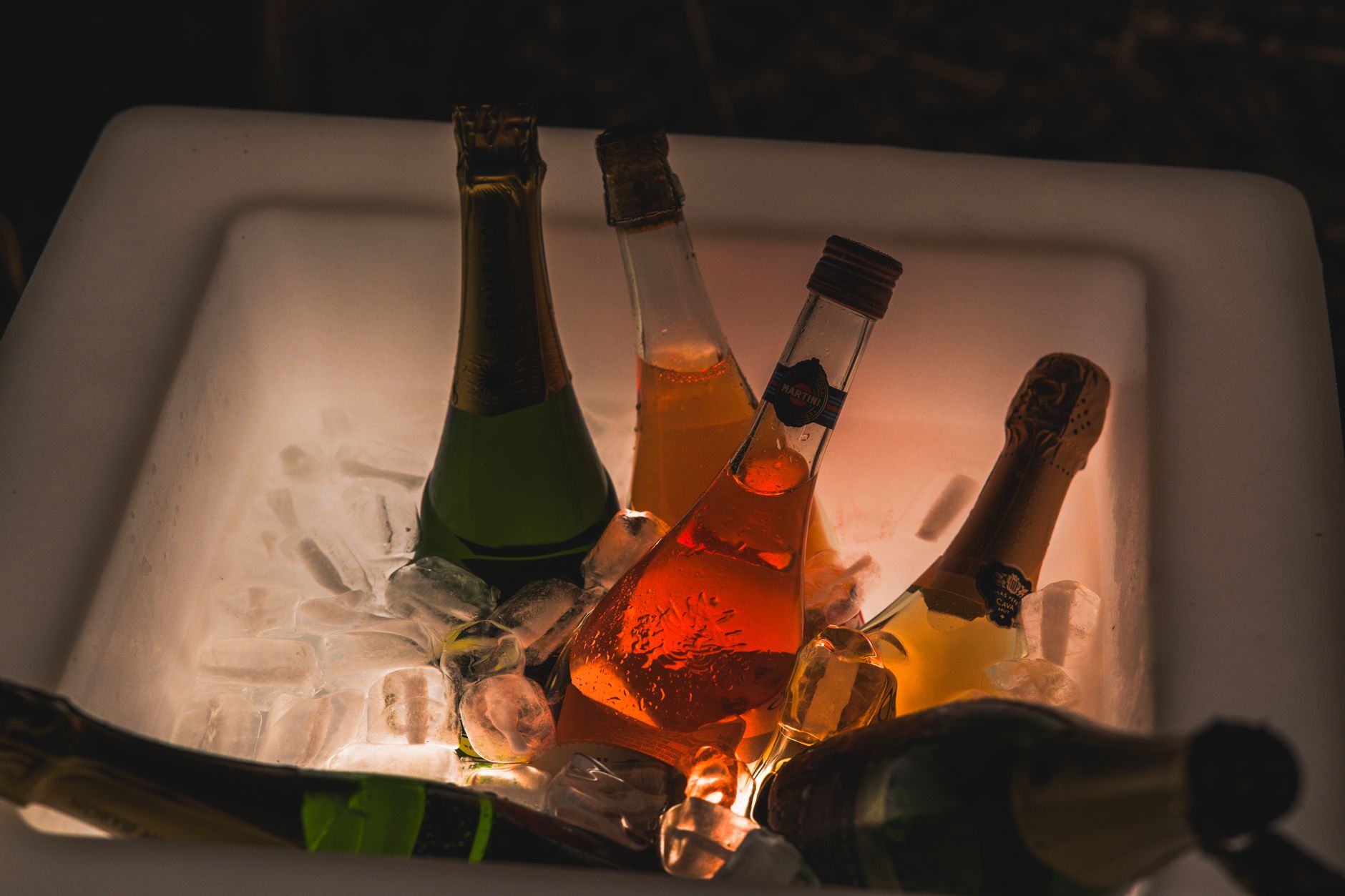
2. Traditional Ice Bucket Method
The classic ice bucket method can also be effective, though it may take a bit longer than the ice water bath.
- Fill a bucket with ice and cover the bottle with it.
- Add some water to ensure the entire bottle gets cold.
- Let it sit for around 20 to 30 minutes.
3. Refrigerator Chilling
If you have more time, placing the champagne in the refrigerator is a reliable and safe method.
- Just place the bottle in the fridge for at least three to four hours.
- This gradual chill maintains flavor integrity and avoids any risks associated with freezing.
4. Quick Chill in Less Than 10 Minutes
If you’re in a bind and need a quick chill, an alternative method involves salt.
- Create an ice water bath as mentioned previously but add salt to the mix (about half a cup).
- The salt lowers the freezing point of the water, allowing it to become colder without freezing. This method can chill champagne in as little as 8 minutes.
Tips for Serving Champagne
Proper serving ensures that every sip of champagne is delightful. Here are some essential tips:
- Correct Glassware: Use tulip-shaped flutes or coupe glasses to enhance the flavor and aroma of champagne.
- Pouring Technique: To preserve carbonation, pour slowly and at an angle. Fill the glass to about two-thirds full.
- Enjoy Freshness: Champagne is best consumed right after opening. If you have leftovers, use a champagne stopper to maintain bubbles and store it in the fridge.
Common Mistakes With Champagne
Even seasoned enthusiasts can make mistakes with champagne. Here are some common pitfalls:
- Chilling Champagne Too Long: Leaving champagne in the freezer too long can have disastrous results. Always set a timer if you must use this method.
- Not Checking Label Details: Some sparkling wines labeled as champagne might not adhere to its traditional methods and characteristics. Always check the label for details on provenance.
- Serving at Wrong Temperature: As noted earlier, serving champagne too cold can inhibit the tasting experience. Aim for the sweet spot of 45°F to 50°F (7°C to 10°C).
Conclusion
While you may be tempted to put champagne in the freezer for a quick chill, the risks usually outweigh the benefits. Instead, opt for the safer methods like an ice water bath or traditional ice bucket to preserve the flavor, aroma, and texture of your sparkling wine. Enjoy every sip of this exquisite beverage as intended!
For more tips on food and beverages, check out our guides on meal planning and budget-friendly cooking techniques. You can find useful information in our postings that cover a range of culinary topics to help enhance your cooking experience.