
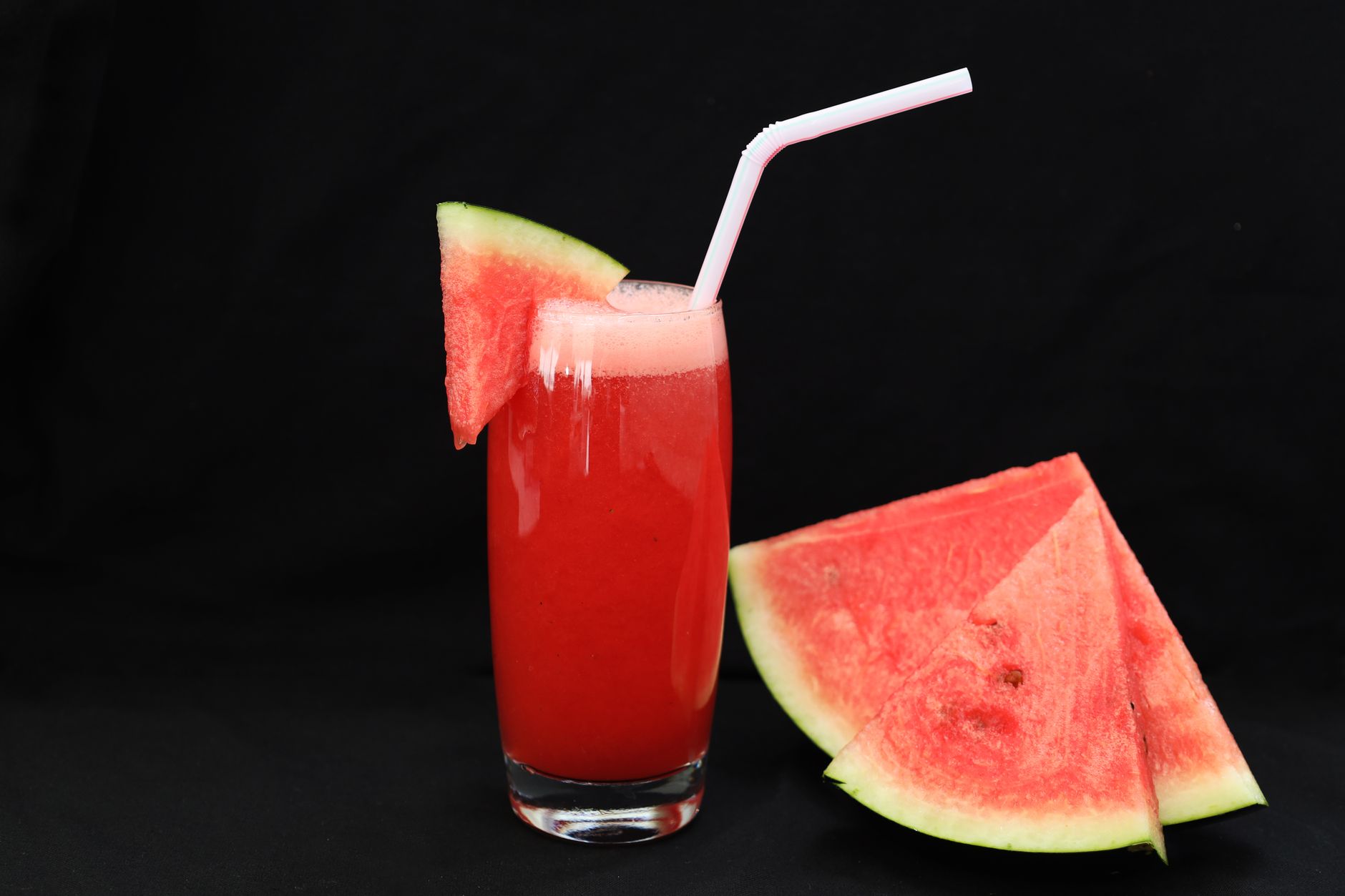
Watermelon juice is a refreshing and hydrating drink for humans, especially during hot summer months. But if you’re a dog owner, you may wonder, can dogs drink watermelon juice? Understanding what is safe and beneficial for your furry friends is essential. This article delves into the intricacies of watermelon juice for dogs, including its benefits, potential risks, and how to safely serve it.
Watermelon is a popular fruit known for its high water content and refreshing taste. Before introducing any new food or beverage to your dog’s diet, it’s crucial to know its effects on their health. This guide will equip you with everything you need to decide whether or not to share watermelon juice with your canine companion.
Can Dogs Drink Watermelon Juice?
Yes, dogs can drink watermelon juice, but moderation is key. Watermelon itself is safe for dogs and offers several health benefits, such as hydration and vitamins. However, some precautions must be taken regarding how the juice is prepared and served.
Benefits of Watermelon Juice for Dogs
Watermelon juice can be a healthy treat when given in moderation. Here are some notable benefits:
- Hydration: Watermelon is composed of over 90% water, making it an excellent source of hydration. This is particularly beneficial in hot weather or after exercise.
- Nutrients: Watermelon contains vitamins A, B6, and C, which support your dog’s immune system, skin health, and overall wellbeing.
- Low-Calorie Snack: Watermelon juice is low in calories and can be a guilt-free drink or snack for overweight dogs.
- Digestive Aid: The fruit contains fiber, which can assist with digestion if consumed properly.
Potential Risks of Watermelon Juice for Dogs
While watermelon juice can be beneficial, there are also risks to consider:
- Added Ingredients: Many commercial juices contain added sugar, preservatives, or ingredients harmful to dogs. Always ensure that any juice given does not contain these additives.
- Gastrointestinal Issues: Too much watermelon juice can lead to diarrhea or an upset stomach due to its fiber and sugar content. Start with small amounts and monitor your dog’s reaction.
- Seeds and Rind: Watermelon seeds and the rind can be harmful. Seeds can cause blockages, while the rind can lead to digestive upset. Always remove these parts before serving watermelon juice.
How to Prepare Watermelon Juice for Dogs
Preparing watermelon juice for dogs can be straightforward. Here’s a simple method to make it healthy and safe:
Ingredients
- 1 ripe watermelon
- Optional: small amounts of dog-safe flavorings like mint or basil
Essential Equipment
- Blender or juicer
- Knife
- Cutting board
- Strainer (optional)
- Storage container
Step-by-Step Preparation Method
- Start by selecting a ripe watermelon. Look for one that feels heavy for its size and has a consistent color.
- Wash the outside of the watermelon with water to remove any dirt or pesticides.
- Cut the watermelon in half, then into quarters, and remove the seeds. It’s crucial to eliminate all seeds and the rind.
- Cut the watermelon flesh into smaller pieces and place them in a blender or juicer.
- Blend until smooth. If a smoother consistency is desired, strain the juice through a fine-mesh strainer to remove pulp.
- Serve fresh, and store any leftovers in a sealed container in the refrigerator for up to three days.
How Much Watermelon Juice Can Dogs Have?
Moderation is essential when introducing watermelon juice to your dog’s diet. As a general guideline, a small dog should receive no more than 1/4 cup of juice a few times a week, while larger dogs may be fine with up to 1/2 cup. It’s wise to start with smaller amounts to see how your dog’s digestive system reacts.
Common Mistakes and Troubleshooting
While preparing watermelon juice for your dog, there are common pitfalls to avoid:
- Using Ingredients Not Safe for Dogs: Never add sugar, artificial sweeteners, or other flavor additives that could be harmful.
- Serving Too Much: Over-serving watermelon juice can lead to digestive issues, so always stick to recommended amounts.
- Not Removing Seeds or Rind: Ensure all seeds and the rind are removed before offering to your dog, as they can pose health risks.
Serving Suggestions for Watermelon Juice
Serving watermelon juice can be fun and creative. Consider these options:
- Frozen Treats: Pour watermelon juice into ice cube trays and freeze to make refreshing summer treats.
- Mix with Other Juices: Combine with safe juices like cucumber or carrot for a flavor boost.
- Hydration During Play: Serve it as a special drink during outdoor play or on hot days.
Alternatives to Watermelon Juice
If you’re concerned about offering watermelon juice or want to explore other options, consider these alternatives:
- Cucumber Juice: Another hydrating option that’s safe for dogs and low in calories.
- Carrot Juice: High in vitamins and a great non-sweet option for dogs who might need a vitamin boost.
- Plain Coconut Water: A natural source of hydration, rich in electrolytes but low in sugar.
Conclusion
Watermelon juice can be a refreshing and nutritious treat for dogs when prepared thoughtfully and given in moderation. Always ensure the juice is free of seeds and additives and monitor your dog’s reaction. As with any treat, it’s essential to use common sense and consult with your veterinarian about introducing new foods to your dog’s diet.
If you’re looking for related recipes or guides, explore our informative articles on agua de melon and melon juice for more refreshing ideas!