
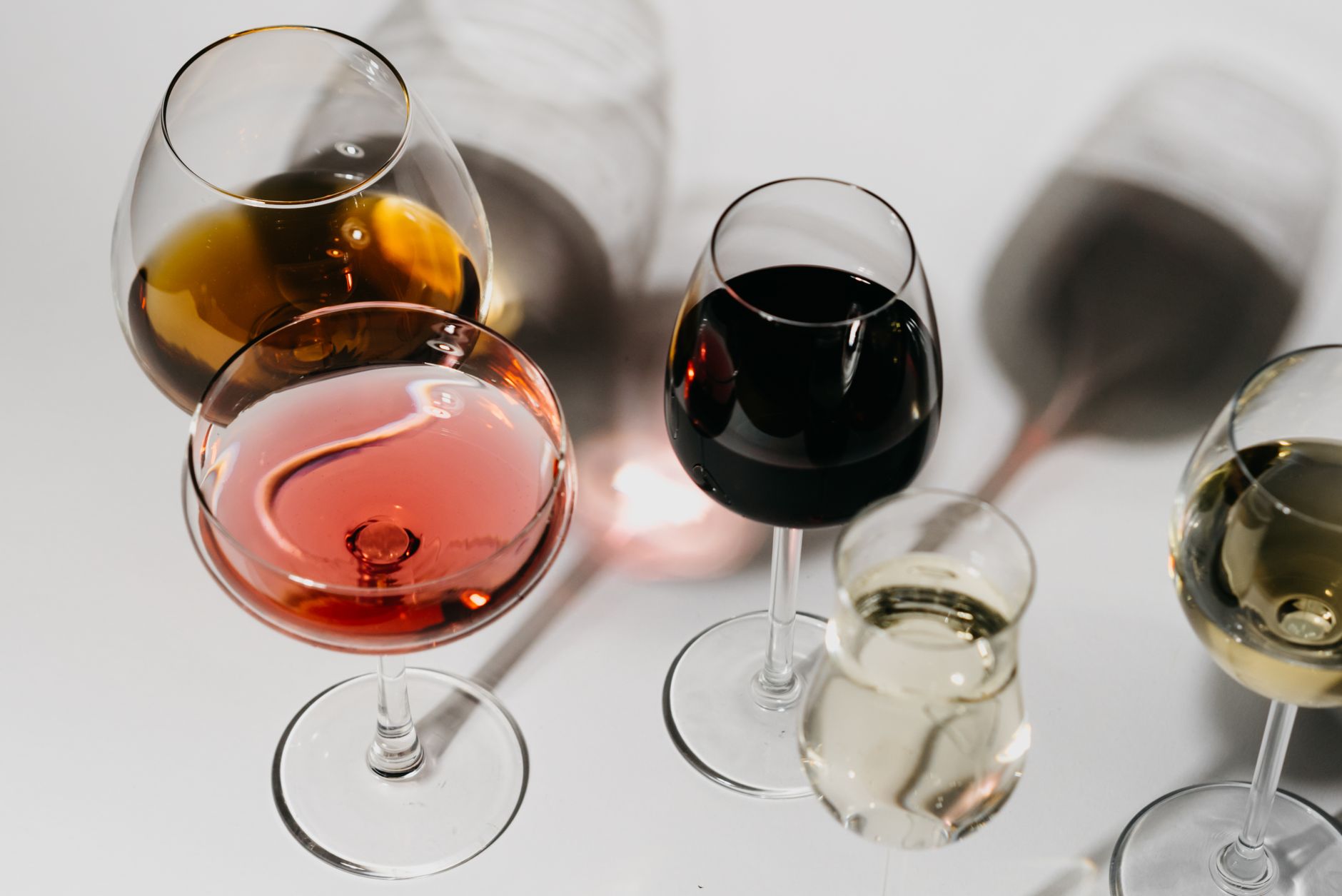
Red wine offers a diverse spectrum of flavors and styles, but when it comes to finding the lightest option, many consumers are left wondering where to start. The lightest red wines are typically characterized by their lower tannin levels, bright acidity, and refreshing taste. In this guide, we will explore what makes a red wine light, the best varietals to consider, serving suggestions, and tips for pairing them with food.
Whether you are looking to enjoy a casual glass on a warm afternoon or pair a bottle with a delicate meal, understanding the nuances of light red wines can enhance your experience immensely. This article will serve as your comprehensive resource to navigate this delightful realm of red wines.
What Is The Lightest Red Wine?
The lightest red wines are those that have lower alcohol content, softer tannins, and higher acidity, creating a refreshing palette. Varietals like Pinot Noir, Gamay, and Grenache are often celebrated for their light bodies and fruity flavors. These wines can usually be enjoyed slightly chilled, making them perfect for casual, leisurely sipping.
Key Characteristics of Light Red Wines
Identifying light red wines involves understanding their distinctive attributes. Here are the key characteristics to look for:
- Low Tannins: Light red wines typically have softer tannins, which contribute to a smoother mouthfeel.
- High Acidity: A higher acidity level makes the wine feel fresher and more vibrant, providing a refreshing finish.
- Lower Alcohol Content: Light red wines usually have an alcohol content ranging from 11% to 13.5%, making them easy to drink.
- Fruity Flavors: Expect bright fruit notes, such as cherry, raspberry, strawberry, or cranberry, often accompanied by floral or spice elements.
Popular Light Red Wine Varietals
Several grape varietals are renowned for producing light red wines. Here are some of the most popular options:
1. Pinot Noir
Pinot Noir is perhaps the quintessential light red wine. Originating from Burgundy, France, it boasts a translucent ruby-red color. Its flavors range from red berries to earthy notes, making it incredibly versatile for pairing with different dishes.
2. Gamay
Gamay is best known as the grape used in Beaujolais wines. It is known for its light body and bright fruit flavors, such as strawberry and cherry. Beaujolais Nouveau, released shortly after harvest, is the lightest expression of this grape and is often enjoyed chilled.
3. Grenache
Grenache offers a bit more body than the other options but remains a great light red. Highlighting berry flavors with subtle spice notes, it pairs well with Mediterranean cuisine and can be found in both varietal wines and blends.
4. Lambrusco
Lambrusco is a sparkling red wine from Italy that varies from dry to sweet. It is light-bodied and often features fruity and floral notes, making it a refreshing choice for picnics and casual gatherings.
5. Zweigelt
A lesser-known varietal, Zweigelt comes from Austria and is recognized for its juicy, berry flavors and soft tannins, making it an excellent option for those who enjoy lighter wines.
How to Choose a Light Red Wine
When shopping for light red wine, consider these tips to ensure you select the perfect bottle:
- Look for Alcohol Content: Check the label for alcohol percentages; wines below 13.5% are generally lighter.
- Ask for Recommendations: Wine shop staff can provide excellent suggestions based on the varietal you are interested in.
- Explore Regions: Regions known for producing lighter wines include Burgundy, Loire Valley, and parts of Italy and Spain.
- Try Before You Buy: If possible, taste the wine before purchasing to ensure it fits your preferences. Many wine shops offer tastings.
Serving Suggestions for Light Red Wines
Light red wines shine in various contexts, whether you are enjoying them by themselves or with food. Here are some serving suggestions to keep in mind:
Ideal Serving Temperature
Light red wines are best served slightly chilled, typically between 55 to 60 degrees Fahrenheit. This enhances their crispness and fruit-forward characteristics.
Glassware
Use a standard red wine glass that allows the wine to breathe. The shape helps to enhance the aromatic profile, enriching your tasting experience.
Food Pairing
Finding the right food pairings can elevate your enjoyment of light red wines. Here are some excellent choices:
- Salads: Light vinaigrettes paired with fresh greens complement the acidity of a light red.
- Chicken or Fish: Light meat dishes, especially those with citrus or wine-based sauces, harmonize beautifully with lighter wines.
- Pasta Dishes: Creamy or tomato-based pasta sauces work well with the acidity of these wines.
- Cheese: Choose mild cheeses such as Brie, Edam, or fresh goats’ cheese for a delightful pairing.
Tips for Enjoying Light Red Wines
To maximize your experience with light red wines, consider these practical tips:
- Experiment: Different varietals and regions will yield unique flavors and experiences. Don’t hesitate to try something new!
- Rotate Your Selection: Keep a diverse stock of wines on hand to suit various moods and meals.
- Watch for Vintage: Different vintages can significantly influence taste. Some years may be better for specific varietals than others.
- Hold Wine Tastings: Gather friends for a tasting session to explore and compare different light red wines.
Common Mistakes to Avoid
Even seasoned wine drinkers can make mistakes. Here are common pitfalls to avoid when selecting and enjoying light red wines:
- Ignoring Temperature: Serving light red wines too warm can overpower their delicate flavors. Always chill before serving.
- Overly Complex Pairings: Simple dishes work best with light reds; overly heavy or spiced cuisine can clash with their gentle profiles.
- Buying Without Tasting: Whenever possible, taste before purchasing. Each wine is distinct, and personal preference plays a critical role in enjoyment.
Storage Tips for Light Red Wines
Proper storage helps maintain the quality of light red wines. Use these suggestions to ensure your wine stays fresh:
- Keep It Cool: Store in a cool, dark place at a stable temperature of about 50-55 degrees Fahrenheit.
- Store Bottles Horizontally: This keeps the cork moist and prevents air from getting into the bottle.
- Limit Light Exposure: Keep bottles away from direct sunlight which can degrade the wine over time.
Best Light Red Wines to Try
If you are looking for specific bottles to add to your collection, here are a few recommendations:
- Meiomi Pinot Noir: A popular choice with a balance of fruitiness and acidity, perfect for multiple occasions.
- Chateau de Pizay Beaujolais: This Gamay wine showcases the grape’s bright fruit notes with a lovely finish.
- Alamos Malbec: A light-bodied Malbec with a hint of raspberry, an approachable red that pairs well with various dishes.
- Ravage Pinot Noir: A California Pinot that offers bright cherry flavors and soft tannins, making it an easy sipper.
Conclusion
Light red wines offer a delightful way to enjoy the complexities of red wine without overwhelming the palate. With a rich tapestry of flavors and an approachable nature, they are perfect for a broad range of occasions. Keep exploring different varietals, serving styles, and food pairings to enhance your appreciation for these elegant wines.
For more delicious beverage options, consider checking out our recipes for strawberry wine and blueberry wine to expand your fruity wine repertoire.