
There’s something magical about biting into a perfectly ripe melon on a hot afternoon, and bottling that same refreshing sweetness into a glass of juice takes that moment to another level entirely. Melon juice is a simple yet luxurious drink that transforms fresh fruit into liquid gold in just minutes, no fancy equipment needed.
This recipe shines because it captures the natural sweetness and hydrating properties of melon without any added sugar, making it ideal for hot days, post-workout refreshment, or impressing guests with something homemade and genuine. The juice is naturally sweet, incredibly refreshing, and packed with vitamins that store-bought versions simply cannot match.
Why You’ll Love This Recipe
Melon juice delivers refreshment and nutrition in one glass, and the process is so straightforward that anyone can master it. Here’s what makes this drink a keeper:
- Takes just 10 minutes from melon to glass
- No added sugar needed, naturally sweet from ripe fruit
- Works with any melon variety, so you can experiment freely
- Perfect for meal prep, kids’ lunches, or impromptu entertaining
- Costs far less than store-bought fresh juices
My Experience Making This Recipe
I first made this juice on a scorching summer day when my farmer’s market haul included three beautiful cantaloupes that needed using. I honestly wasn’t expecting much, thinking homemade melon juice would taste watery or one-dimensional compared to what I remembered from juice bars.
The moment I pressed that first glass to my lips, I realized how wrong I was. The flavor was concentrated, bright, and genuinely better than anything I’d bought before, with a natural sweetness that didn’t make my teeth ache. My kids fought over the leftovers, and my neighbors started requesting it at barbecues.
What surprised me most was how forgiving the recipe proved to be. Whether I used cantaloupe, honeydew, or even watermelon, the technique remained identical and the results consistently delicious. Now I make a batch every weekend during melon season and freeze it in popsicle molds for grab-and-go refreshment.
Recipe Overview
- Recipe Name: Fresh Melon Juice
- Servings: 4 servings (about 1 cup each)
- Prep Time: 10 minutes
- Cook Time: 0 minutes
- Total Time: 10 minutes
- Course: Beverage
- Cuisine: International
- Calories per Serving: 58 calories
Equipment You Will Need
- Sharp chef’s knife
- Cutting board
- Blender or food processor
- Fine mesh strainer or cheesecloth
- Large bowl
- Wooden spoon or spatula for pressing
- Measuring cups
- Glasses or pitcher for serving
Ingredients for Melon Juice
- 4 pounds fresh melon (cantaloupe, honeydew, or watermelon, rind and seeds removed)
- 2 tablespoons fresh lime juice (optional, for brightness)
- Ice cubes (for serving)
- Fresh mint leaves (optional, for garnish)
Ingredient Notes and Substitutions
- Fresh Melon: Ripe melon provides natural sweetness and proper juice yield; a ripe melon yields more liquid and tastes better than underripe fruit. You can substitute any melon variety, though each brings different flavor profiles (cantaloupe is sweeter, honeydew is milder, watermelon is more refreshing).
- Fresh Lime Juice: Lime brightens the juice and prevents oxidation, keeping the color vibrant. You can swap this for lemon juice or skip it entirely if you prefer pure melon flavor.
- Ice Cubes: Ice chills the juice and makes it more refreshing on hot days. You can freeze the finished juice instead, or serve it at room temperature if you prefer.
- Fresh Mint: Mint adds an herbal note that complements melon perfectly. Substitute with basil for a different flavor twist, or omit if you don’t have it on hand.
How to Make Melon Juice
Step 1: Select and Inspect Your Melon
Start by choosing a ripe melon that feels heavy for its size and smells sweet at the stem end. A ripe melon will yield more juice and taste naturally sweet without needing any added sugar.
Step 2: Wash the Melon Thoroughly
Rinse the outside of the melon under cool running water and scrub gently with a clean brush to remove any dirt or bacteria. This step matters because you’ll be cutting through the skin, and you don’t want to drag contaminants into the flesh.
Step 3: Cut the Melon in Half
Place the melon on a stable cutting board and use a sharp chef’s knife to cut it in half with a steady, downward motion. Take your time here rather than forcing the knife, as this keeps you safe and prevents bruising the fruit.
Step 4: Remove Seeds and Scoop the Flesh
Use a sturdy spoon to scrape out all the seeds from each melon half, then scoop the orange or green flesh away from the rind into chunks. You want pieces roughly 2 to 3 inches in size so they blend easily and fit well in your blender.
Step 5: Add Melon to Your Blender
Pour the melon chunks into your blender until it’s about three-quarters full, working in batches if needed. Don’t overstuff the blender, as you need space for the blades to move freely and process the fruit evenly.
Step 6: Blend Until Completely Smooth
Secure the blender lid and blend on high speed for 60 to 90 seconds until the melon becomes a completely smooth liquid with no visible chunks. You may need to pause and shake the blender halfway through to ensure all pieces get processed.
Step 7: Strain the Juice
Pour the blended melon through a fine mesh strainer set over a large bowl, using the back of a wooden spoon to press gently and extract as much liquid as possible. This step removes pulp and fiber, leaving you with pure, silky juice that feels luxurious to drink.
Step 8: Add Lime Juice and Chill
Stir in the fresh lime juice if using, which brightens the flavor and helps prevent the juice from browning. Pour the finished juice into glasses filled with ice, garnish with fresh mint if desired, and serve immediately for the best taste and texture.
Pro Tip: Drink your melon juice within 24 hours of making it for the brightest flavor and maximum nutritional benefit, as fresh juice oxidizes quickly and loses color and nutrients over time.
Tips for the Best Melon Juice
- Choose melons with a slight give when you press them gently, indicating ripeness and maximum juice content. Avoid melons that feel rock-hard or have soft spots.
- Keep your melon in the refrigerator for several hours before juicing so the finished drink is naturally cold and more refreshing. Cold fruit also blends more smoothly.
- If your juice tastes too thick, thin it with a splash of water or coconut water rather than adding sugar. This keeps the drink naturally sweet while improving the texture.
- Save the pulp left in the strainer for smoothie bowls, baked goods, or even popsicles rather than throwing it away. The pulp still contains valuable fiber and flavor.
- Blend just before serving rather than making a large batch in advance, since fresh juice oxidizes and loses nutrients quickly. If you must store it, use an airtight container and drink within 24 hours.
- Experiment with melon combinations like half cantaloupe and half honeydew to create unique flavor profiles that suit your taste. Blending varieties often produces more complex and interesting results.
Common Mistakes to Avoid
- Using underripe melons produces thin, watery juice with little flavor because the fruit hasn’t developed its full sweetness or juice content. Always choose melons that smell sweet and feel heavy.
- Skipping the straining step leaves pulp and fiber in the juice, creating a thick smoothie-like texture rather than true juice. If you prefer smoothie texture, that works fine, but straining creates a different and more refined drinking experience.
- Blending the juice too far in advance causes oxidation, which turns the juice brown and reduces its vitamin content and fresh flavor. Make juice just before you plan to drink it for optimal results.
- Adding sugar sweetens juice that’s already naturally sweet and can overpower the delicate melon flavor you worked to extract. Trust the fruit’s natural sweetness instead.
- Blending with water right from the start dilutes the flavor before you’ve extracted all the juice from the fruit. Add water only after straining if the juice needs thinning.
Serving Suggestions
Melon juice works beautifully as a standalone sipper, but it also pairs wonderfully with light meals and summery gatherings. Try these serving ideas to make your juice shine:
- Serve alongside a summer brunch with pastries, fresh fruit, and yogurt for a complete refreshing meal
- Mix into sparkling water for a naturally sweetened melon spritzer that impresses at parties without any added sugar
- Pour over vanilla ice cream to create a simple yet elegant dessert that tastes like summer in a bowl
- Combine with coconut milk and ice to make a creamy melon smoothie for breakfast or post-workout recovery
- Freeze in popsicle molds for homemade melon pops that kids and adults love equally
Variations to Try
- Melon and Ginger Juice: Add a 1-inch piece of fresh ginger root to the blender for warmth and digestive benefits that cut through the juice’s sweetness. The ginger creates a sophisticated complexity that feels more adult and refined.
- Melon and Cucumber Juice: Blend one cup of peeled cucumber chunks with your melon for extra hydration and a subtly herbaceous flavor. This variation tastes incredibly refreshing on the hottest days and feels lighter on the stomach.
- Melon Agua Fresca: Blend your melon juice with a squeeze of lime, a pinch of salt, and sparkling water for a traditional Mexican-style drink that’s both sweet and bright. This version works beautifully at large gatherings and tastes authentic.
- Melon and Berry Juice: Mix your strained melon juice with fresh strawberry or raspberry juice for a more complex fruit flavor and beautiful pink color. The berries add tartness that balances the melon’s sweetness perfectly.
- Melon and Coconut Juice: Combine melon juice with fresh coconut water for tropical notes and added electrolytes that boost hydration. This version tastes like a vacation in a glass and works wonderfully post-workout.
Dietary Adaptations
- Gluten-Free: This recipe is naturally gluten-free as written, containing only fruit and optional lime juice with no grains or processed ingredients involved.
- Dairy-Free: Melon juice is completely dairy-free by nature, making it perfect for anyone avoiding lactose or animal products without any substitutions needed.
- Vegan: This recipe is fully vegan as all ingredients are plant-based, though you can add vegan protein powder to the blender if you want more nutritional substance.
- Low-Carb and Keto: Melon contains natural sugars that make it higher in carbs, so this juice isn’t ideal for strict keto diets; however, watermelon juice is lower in carbs than cantaloupe or honeydew if you’re watching carbs.
- Paleo: Fresh melon juice fits perfectly into a paleo framework as it contains only whole fruit with no processed ingredients or added sugar.
Storage and Reheating
Refrigerator
Store finished melon juice in an airtight container on the coldest shelf of your refrigerator for up to 24 hours. The juice will darken slightly and lose some nutritional value over time as oxidation occurs, so drinking it fresh tastes best.
- Pour juice into glass jars with tight-fitting lids to minimize air exposure
- Label the container with the date made so you know when to use it
- Keep juice away from strong-smelling foods like onions or fish that could affect the flavor
Freezer
Freeze melon juice in ice cube trays or popsicle molds for long-term storage up to three months. Frozen juice cubes work beautifully in smoothies, and popsicles make refreshing treats on hot days.
- Leave a tiny bit of headspace in containers since liquid expands when freezing
- Transfer frozen cubes to freezer bags once solid to save space and prevent freezer burn
- Thaw juice in the refrigerator rather than at room temperature to preserve flavor and quality
Reheating
Melon juice is served cold and doesn’t need reheating, though you can warm it gently if desired. Simply thaw frozen juice in the refrigerator overnight and serve over ice, or drink straight from the freezer as a slushy treat.
- Never boil or microwave melon juice, as heat destroys the delicate flavor and nutritional content
- If you thaw frozen juice, drink it within 24 hours for best quality
Nutrition Information
| Nutrient | Amount |
|---|---|
| Calories | 58 |
| Total Fat | 0.3g |
| Saturated Fat | 0.1g |
| Carbohydrates | 13g |
| Fiber | 0.5g |
| Sugar | 12g |
| Protein | 1g |
| Sodium | 25mg |
| Cholesterol | 0mg |
These values are approximate and based on straining pulp from the juice. If you drink melon juice with pulp intact, fiber and nutrient amounts will increase slightly.
Frequently Asked Questions
Can I make melon juice without a blender?
You can use a food processor or even a sturdy immersion blender, though results may be slightly less smooth. For the finest juice texture, a high-powered blender works best since it creates a completely smooth puree before straining.
What’s the best melon variety for juice?
Cantaloupe produces the sweetest, most flavorful juice, while honeydew offers a milder, more delicate taste and watermelon provides pure refreshment with less sweetness. Choose based on your flavor preference, or blend varieties for complexity.
How do I know if a melon is ripe enough for juicing?
Smell the melon near the stem end, which should have a sweet fragrance when ripe. The melon should feel heavy for its size and give just slightly when pressed gently with your thumb.
Can I add sweetener to this juice?
You can add honey, agave, or a few dates blended in if you prefer extra sweetness, though ripe melon juice is naturally sweet enough for most palates. Remember that added sweeteners increase calories and sugar content, so taste the juice plain first before deciding if sweetening is needed.
Does melon juice contain all the nutrients of whole melon?
Straining removes most of the fiber, though the juice retains vitamins, minerals, and antioxidants from the fruit. If you want maximum nutrition, blend without straining to keep the pulp, which significantly increases fiber content.
Is it safe to make melon juice for babies or young children?
Yes, plain melon juice is safe for babies over six months old when introduced in small amounts and diluted with water. Always consult your pediatrician before introducing new foods to infants.
Final Thoughts
Making fresh melon juice at home transforms a simple fruit into something special that tastes dramatically better than anything you’ll find in a bottle or carton. The process takes just ten minutes and requires no special skills, making this one of those recipes that feels almost too easy to be true.
Try this recipe this week and taste the difference that fresh, homemade juice makes in your life. Your taste buds will thank you, and you’ll wonder why you ever bought commercial juice again.
Explore More Refreshing Recipes
If you loved this melon juice recipe, you’ll want to explore other fresh fruit drinks and beverages that celebrate seasonal produce. Check out these related recipes to expand your juice-making repertoire and discover new flavor combinations that work beautifully all year long.
Try making agua de melon recipe for a traditional Mexican twist on this classic drink. You can also experiment with cantaloupe juice recipe to discover how different melon varieties create unique flavor profiles that surprise and delight.
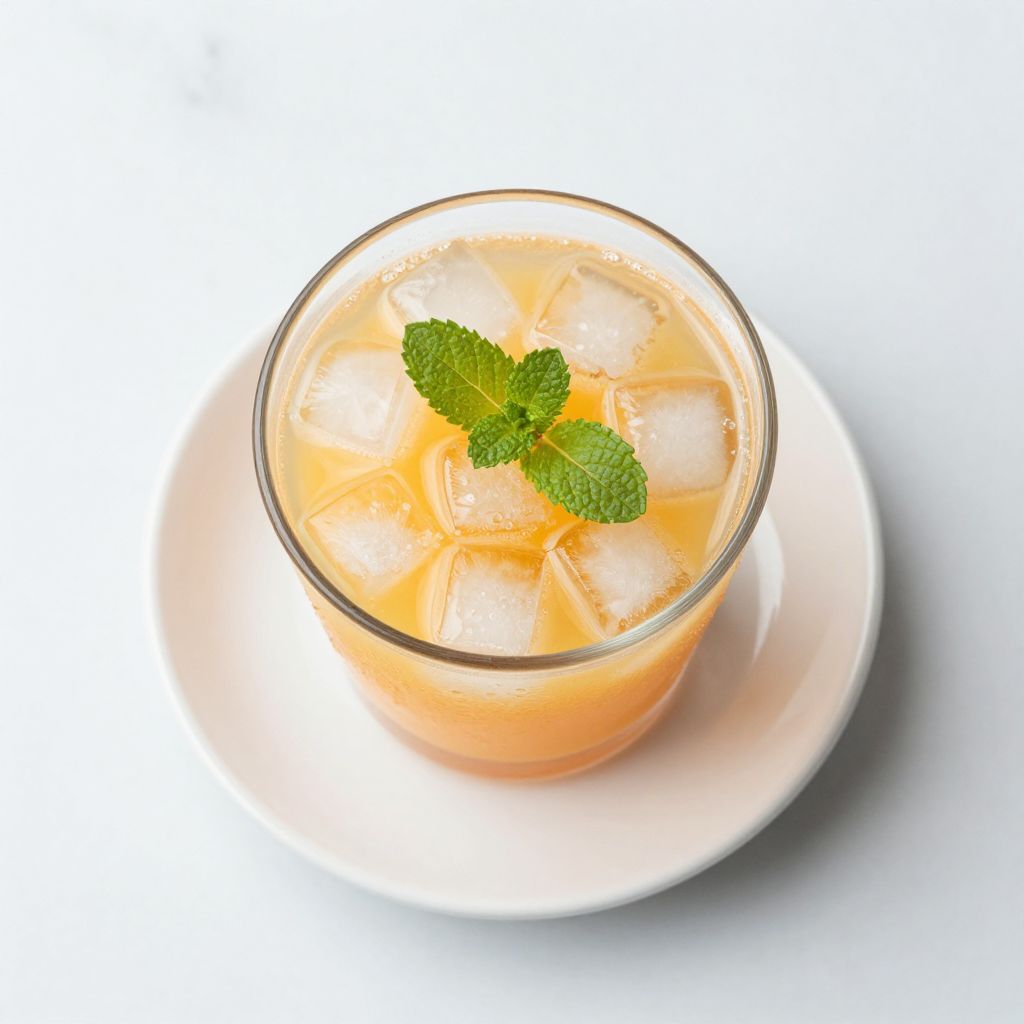
Fresh Melon Juice
Ingredients
Equipment
Method
- Select a ripe melon that feels heavy and smells sweet, then wash the outside under cool running water using a clean brush.
- Place the melon on a cutting board and cut it in half using a sharp chef's knife with a steady, downward motion.
- Use a spoon to remove all seeds, then scoop the flesh into roughly 2- to 3-inch chunks.
- Place melon chunks into the blender until three-quarters full and blend on high speed for 60 to 90 seconds until completely smooth.
- Strain the blended melon through a fine mesh strainer set over a large bowl, using the back of a wooden spoon to press out as much liquid as possible.
- Stir in fresh lime juice if using, then chill the juice or pour into glasses over ice.
- Garnish with fresh mint leaves if desired and serve immediately for best flavor and texture.