
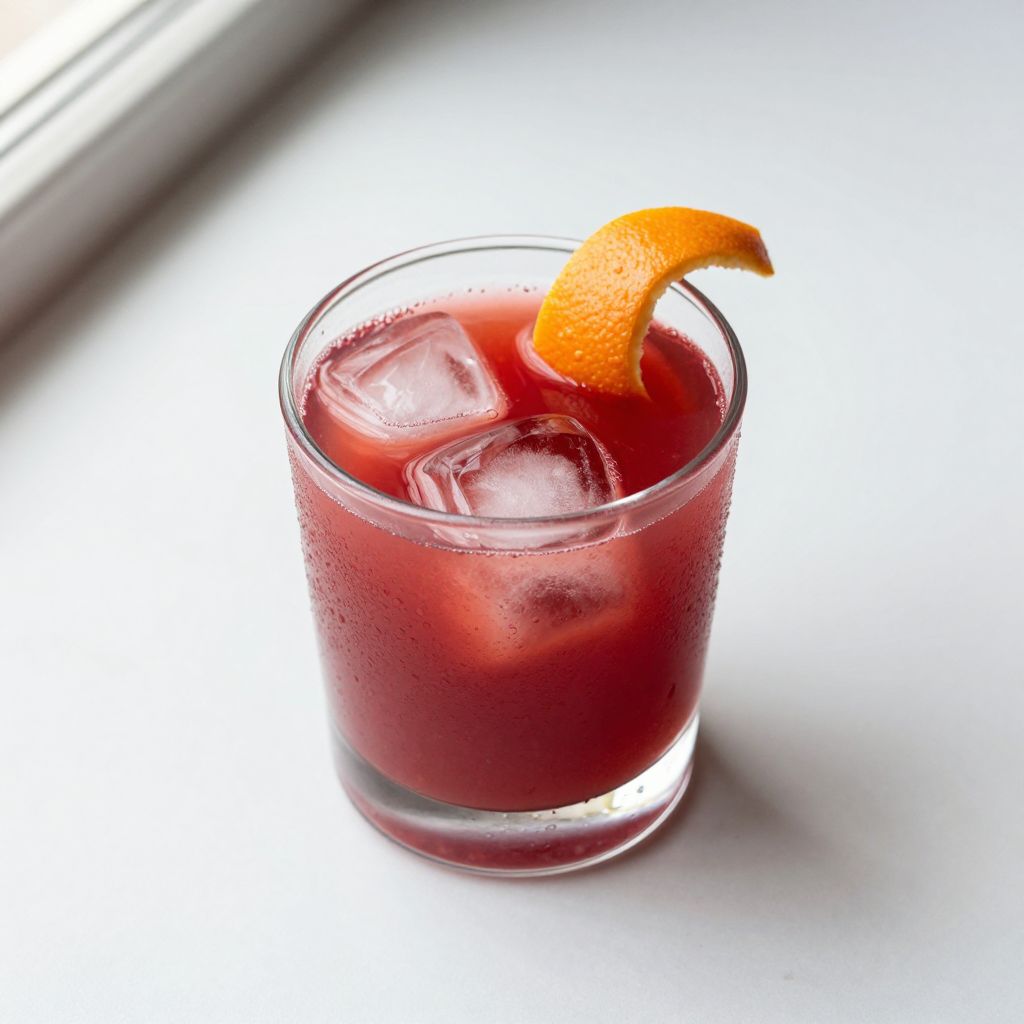
There’s something magical about slicing into a blood orange and watching that deep crimson juice run across your cutting board like liquid rubies. Blood orange juice captures that gorgeous color and tart-sweet flavor in a glass, and it’s one of the easiest ways to transform a handful of citrus into something that tastes like winter luxury.
This recipe takes just minutes to make, but the results feel fancy enough for brunch guests or a quiet morning treat. The natural tartness balances beautifully with subtle sweetness, and you’ll get a juice that’s vibrant, refreshing, and packed with vitamin C. Best of all, you need nothing more than fresh blood oranges and a juicer (or your hands and determination).
Why You’ll Love This Recipe
Blood orange juice is one of those recipes that rewards you instantly without asking much in return. You’ll appreciate how simple the ingredient list is and how quickly you can enjoy fresh juice.
- Takes less than 10 minutes from fruit to glass
- Requires only one ingredient: blood oranges
- No added sugar or preservatives needed
- Packed with natural antioxidants and vitamin C
- Looks stunning and tastes restaurant-quality
My Experience Making This Recipe
I first fell in love with blood orange juice at a small cafe in Italy, where they squeezed fresh juice every morning. The color alone made me stop and stare, and one sip confirmed what my eyes already knew: this wasn’t ordinary orange juice.
When I started making it at home, I realized how straightforward the process actually is. The hardest part is finding good blood oranges during their season (roughly December through April), but the payoff makes hunting for them worthwhile.
My kids actually ask for this juice before coffee or smoothies, which tells you everything about its appeal. The bright tartness wakes up your taste buds in a way that feels natural and energizing, not aggressive.
Recipe Overview
- Recipe Name: Blood Orange Juice
- Servings: 2 servings
- Prep Time: 5 minutes
- Cook Time: 0 minutes
- Total Time: 5 minutes
- Course: Beverage
- Cuisine: Italian-Inspired
- Calories per Serving: 85
Equipment You Will Need
- Citrus juicer or electric juicer
- Cutting board
- Sharp knife
- Measuring cup
- Fine mesh strainer (optional, for pulp-free juice)
- Glasses for serving
Ingredients for Blood Orange Juice
- Blood oranges: 4 to 5 medium fruits (about 2 pounds)
- Ice (optional, for serving)
- Water (optional, for adjusting sweetness)
Ingredient Notes and Substitutions
- Blood oranges give this juice its signature deep red color and tart flavor. If blood oranges are out of season, regular oranges work fine, though you’ll lose the dramatic color and get a milder taste.
- Ice keeps the juice refreshing and cold. Skip it if you prefer room temperature juice or if you’ll chill the juice after making it.
- Water can dilute overly concentrated juice to your preference. Add it only if your blood oranges are particularly small or if you want a lighter drink.
How to Make Blood Orange Juice
Step 1: Select and Rinse Your Blood Oranges
Choose blood oranges that feel heavy for their size, which indicates they’re juicy and ripe. Rinse them thoroughly under cool running water and pat them dry with a clean towel.
Step 2: Cut the Oranges in Half
Place each blood orange on your cutting board and slice it in half from top to bottom using a sharp knife. Use a gentle rocking motion to let the blade do the work, rather than forcing it through the fruit.
Step 3: Set Up Your Juicer
If you’re using a manual citrus juicer, place it over a bowl or measuring cup to catch the juice. For an electric juicer, follow the manufacturer’s instructions for setup and placement of your collection vessel.
Step 4: Juice the First Half
Place a blood orange half cut-side down into your citrus juicer and press down firmly while twisting slightly. This motion helps extract maximum juice from the fruit without requiring excessive force that strains your hand.
Step 5: Repeat with Remaining Halves
Continue juicing each blood orange half until you’ve processed all of them. You should have approximately 1 to 1.5 cups of fresh juice depending on the size and ripeness of your fruit.
Step 6: Strain if Desired
Pour your fresh juice through a fine mesh strainer into a clean glass if you prefer pulp-free juice. Some people enjoy leaving the pulp in for texture and extra fiber, so this step is entirely optional based on your preference.
Step 7: Add Ice and Chill
Pour the juice into serving glasses and add ice cubes if you’d like an immediately cold drink. Alternatively, refrigerate the juice for 30 minutes before serving for a naturally chilled beverage.
Step 8: Taste and Adjust
Take a sip and assess the flavor, which should be bright, tart, and naturally sweet. Add a splash of water if the juice tastes too concentrated, or add ice if you want it more diluted and refreshing.
Pro Tip: Use a channel knife or vegetable peeler to cut a thin twist of blood orange skin and drop it into each glass for an elegant, aromatic garnish that adds visual appeal without changing the flavor.
Tips for the Best Blood Orange Juice
- Choose blood oranges that feel dense and slightly soft to the touch, which signals maximum juice content. Avoid very firm oranges, as they haven’t ripened fully and will yield less juice.
- Warm your blood oranges slightly by rolling them on the counter with gentle pressure before juicing. This breaks down the internal membranes and releases more juice without damaging the fruit.
- Juice your blood oranges immediately before drinking to preserve the vitamin C content and vibrant color. Fresh juice oxidizes and loses its nutritional punch and beautiful hue within a few hours.
- If you’re making juice for multiple people, prepare the oranges in advance but juice them right before serving. This way everyone gets the freshest, most flavorful drink possible.
- Taste your juice straight from the fruit before adding ice, water, or other ingredients. This lets you appreciate the true flavor profile and decide if any adjustments are needed.
- Save the leftover peels and pith for making homemade blood orange marmalade or infusing spirits later.
Common Mistakes to Avoid
- Using unripe blood oranges yields juice that tastes too bitter and sour without enough natural sweetness. Always select oranges that feel heavy and have a slight give when gently squeezed.
- Storing juice for too long before drinking causes it to lose flavor, color, and nutritional value. Fresh is best, so juice just before serving whenever possible.
- Over-juicing by crushing the fruit aggressively extracts bitter compounds from the pith and skin. Apply steady, gentle pressure instead for cleaner, sweeter juice.
- Forgetting to strain pulp if you prefer a smooth juice results in a thicker drink that doesn’t feel as elegant or refreshing.
Serving Suggestions
Blood orange juice shines as a standalone beverage, but it also works beautifully in brunch spreads and paired with light meals. Serve it chilled in champagne flutes or simple glasses depending on the occasion.
- Serve alongside fresh pastries and creamy cheese for a European-style brunch
- Pair with roasted fish or seafood for an elegant dinner accompaniment
- Pour into a cocktail with sparkling water and a touch of honey for a refreshing mocktail
- Mix with champagne for a classic Mimosa variation that looks stunning
- Serve as a palate cleanser between courses at a formal meal
Variations to Try
- Blood Orange and Pomegranate Juice: Mix equal parts blood orange juice with fresh pomegranate juice for deeper color and a more complex tart flavor.
- Blood Orange and Ginger Juice: Add a tablespoon of fresh ginger juice to your blood orange juice for a spicy kick that wakes up your taste buds.
- Blood Orange and Sparkling Water: Combine blood orange juice with sparkling water in a 1:1 ratio for a lighter, more refreshing drink.
- Blood Orange Smoothie Bowl Base: Use blood orange juice as the liquid base for a smoothie bowl with yogurt, berries, and granola for a complete breakfast.
- Blood Orange and Mint Juice: Muddle fresh mint leaves gently and mix with blood orange juice for a cooling, herbal twist.
Dietary Adaptations
- Gluten-Free: Blood orange juice is naturally gluten-free with no modifications needed.
- Dairy-Free: This recipe is completely dairy-free and suitable for all dairy-free diets.
- Vegan: Blood orange juice is fully vegan since it contains only fruit.
- Low-Carb: While blood orange juice contains natural sugars, it fits moderate low-carb diets in small quantities of 4 to 6 ounces per serving.
Storage and Reheating
Refrigerator
Store fresh blood orange juice in an airtight glass container in the coldest part of your refrigerator. It stays fresh for up to 3 days, though the flavor and color begin declining after 24 hours.
- Use an airtight glass container to minimize oxidation
- Keep it away from strong-smelling foods that might affect the taste
- Store in the back of the refrigerator where it’s coldest
Freezer
You can freeze blood orange juice for up to 3 months in freezer-safe containers, though texture and some flavor complexity may change slightly. Leave a little headspace in the container since juice expands when frozen.
- Pour into ice cube trays for easy single-serving portions
- Use frozen juice within 3 months for best quality
- Thaw in the refrigerator overnight before serving
Reheating
Fresh juice doesn’t require reheating, but if you’ve frozen it, simply thaw it in the refrigerator and serve cold. Never heat blood orange juice, as this destroys the delicate vitamin C content and damages the fresh flavor.
Nutrition Information
| Nutrient | Amount |
|---|---|
| Calories | 85 |
| Total Fat | 0g |
| Saturated Fat | 0g |
| Carbohydrates | 20g |
| Fiber | 0g |
| Sugar | 16g |
| Protein | 1g |
| Sodium | 2mg |
| Cholesterol | 0mg |
These values are approximate and based on medium blood oranges yielding about 2.5 ounces of juice per fruit. Actual nutrition varies based on the specific variety and ripeness of your fruit.
Frequently Asked Questions
Can I use regular oranges instead of blood oranges?
Yes, regular oranges work in a pinch, though you’ll lose the dramatic deep red color and get a milder, sweeter flavor. Blood oranges have a distinctly tart quality and that stunning crimson hue that makes them special.
How do I know if a blood orange is ripe?
Choose blood oranges that feel heavy for their size and have a slight give when gently squeezed. Avoid very hard fruits or those that feel light, as they haven’t ripened fully and will yield less juice.
Can I make this juice ahead of time?
Fresh juice tastes best within a few hours of making it, though you can store it refrigerated for up to 3 days. The color fades and oxidation affects the flavor over time, so juice just before serving when possible.
What’s the best way to extract maximum juice from blood oranges?
Roll the oranges gently on your counter with light pressure before juicing to warm them and break down internal membranes. Then apply steady, gentle pressure in your juicer rather than crushing forcefully.
Is blood orange juice good for you?
Blood orange juice is rich in vitamin C, antioxidants, and other beneficial compounds that support immune health. However, it still contains natural sugars, so enjoy it as part of a balanced diet rather than a frequent replacement for whole fruit.
Can I add sweetener to blood orange juice?
The natural sweetness of ripe blood oranges makes added sugar unnecessary, but you can add honey or simple syrup if your particular batch tastes too tart. Start with a teaspoon and taste before adding more.
Final Thoughts
Blood orange juice is proof that the simplest recipes often deliver the biggest impact. You need nothing more than quality fruit and a few minutes to create something that tastes like you ordered it at an upscale cafe.
Make this juice during blood orange season (late winter and early spring) and experience the full potential of this beautiful fruit. Your mornings will feel a little more special, and your body will thank you for the fresh vitamin C boost.
Explore More Citrus Recipes
If you enjoyed making blood orange juice, discover how citrus fruits can transform your kitchen in unexpected ways. Try making homemade orangecello to capture the essence of blood oranges in a bottle, or blend blood orange with other produce in a carrot orange juice recipe for added nutrition and depth.
Blood Orange Juice
Ingredients
Equipment
Method
- Rinse the blood oranges under cool running water and pat dry.
- Cut each blood orange in half from top to bottom using a sharp knife.
- Place the juicer over a bowl or measuring cup according to manufacturer instructions.
- For each orange half, press and twist it on the juicer to extract the juice.
- Continue juicing all halves until you have about 1 to 1.5 cups of juice.
- Strain the juice through a fine mesh strainer into a serving container if you prefer pulp-free juice.
- Divide the juice into glasses, add ice if desired, and stir gently.
- Taste the juice and adjust by adding water for a lighter flavor if needed.