
Imagine biting into a candied orange peel and tasting bright citrus wrapped in silky sweetness, then capturing that exact magic in a liqueur you made yourself. Orangecello is an Italian-inspired digestif that transforms humble oranges and vodka into liquid sunshine, ready to sip after dinner or splash into cocktails whenever the mood strikes.
This recipe shines because it requires zero cooking skills, minimal equipment, and patience that genuinely pays off. The result tastes like you spent hours in a professional kitchen, but you really just sat back and let time do the heavy lifting.
Why You’ll Love This Recipe
Homemade liqueurs beat store-bought versions every single time because you control the intensity and sweetness. This particular recipe delivers a bright, balanced orange flavor that feels elegant without tasting medicinal.
- Requires only four ingredients and no cooking whatsoever
- Makes an impressive homemade gift that feels thoughtful and luxe
- Naturally infuses in about two weeks, perfect for planning ahead
- Works as a digestif, cocktail base, or poured over desserts
- Costs a fraction of what fancy brands charge in stores
My Experience Making This Recipe
The first time I made orangecello, I was skeptical that something so simple could actually taste refined. Within two weeks, my kitchen smelled like an Italian citrus grove, and I couldn’t wait to crack open that first bottle.
I served it ice-cold to friends after a heavy dinner, and watching their eyes light up when they tasted it was absolutely worth the wait. One friend asked if I’d bought it from an Italian import shop, which felt like the highest possible compliment.
Now I make a batch every fall when oranges hit their peak season. The flavor intensity varies slightly depending on the orange variety, but that’s part of the charm of making something by hand.
Recipe Overview
- Recipe Name: Homemade Orangecello
- Servings: Approximately 16 servings (2-ounce pours)
- Prep Time: 20 minutes
- Infusion Time: 14 days
- Total Planning Time: at least 21 days, plus 20 minutes active preparation, syrup cooling and 2 hours chilling
- Course: Digestif or Cocktail Ingredient
- Cuisine: Italian-inspired
Equipment You Will Need
- Sharp vegetable peeler or channel knife
- Clean glass jars with tight-fitting lids (1 quart or larger)
- Fine mesh strainer or cheesecloth
- Measuring cups and spoons
- Small saucepan
- Wooden spoon for stirring
- Funnel (optional but helpful)
- Bottles for storing the finished liqueur
Ingredients for Orangecello
- 6 large oranges (preferably organic or untreated)
- 1 bottle vodka (750 ml, around 40% ABV)
- 2 cups granulated sugar
- 2 cups water
Ingredient Notes and Substitutions
- Organic oranges work best because you’re using the peel directly and want to avoid pesticide residue. You can use conventional oranges if you wash them thoroughly under hot water and scrub gently with a soft brush.
- Vodka serves as a neutral spirit that won’t compete with the orange flavor. You can substitute with grain alcohol (like Everclear) for a stronger infusion, though it will be much more potent and require dilution.
- Granulated white sugar dissolves cleanly and creates a clear syrup. Brown sugar or honey will work but will darken the liqueur and add different flavor notes.
- Water hydrates the sugar syrup and helps balance the alcohol intensity. Use filtered water if your tap water is heavily chlorinated.
How to Make Orangecello
Step 1: Prepare Your Oranges
Wash your oranges under warm running water and dry them completely with a clean towel. Wet peels stick to your hands and make the process messy, so take the extra minute to dry them thoroughly.
Step 2: Zest the Oranges
Using a vegetable peeler, carefully remove only the bright orange outer layer from each orange, leaving behind the bitter white pith. Work slowly and use gentle pressure; the pith tastes harsh and will ruin your final flavor, so avoiding it is worth the extra care.
Step 3: Fill Your Jar with Peels
Place all the orange zest strips into your clean glass jar. Pack them loosely so the vodka can circulate freely around every piece.
Step 4: Pour the Vodka
Pour the entire 750 ml bottle of vodka over the orange peels until they’re fully submerged. The vodka will immediately start pulling color and flavor from the peels, turning pale yellow.
Step 5: Seal and Infuse
Cap the jar tightly and place it in a cool, dark cabinet away from direct sunlight. Shake the jar gently every few days to redistribute the peels and ensure even infusion.
Step 6: Wait Two Weeks
Let the mixture infuse for exactly 14 days. After two weeks, the liquid will be a golden orange color and smell intensely aromatic.
Step 7: Make the Simple Syrup
While the infusion finishes, prepare your syrup by combining 2 cups sugar and 2 cups water in a small saucepan. Heat over medium heat, stirring occasionally, until the sugar dissolves completely (about 5 minutes), then remove from heat and let it cool to room temperature.
Step 8: Strain the Infusion
Line a fine mesh strainer with cheesecloth and carefully pour the vodka mixture through it into a clean container. Let gravity do the work; don’t squeeze the cheesecloth because that pushes bitter compounds into your liqueur.
Step 9: Combine and Bottle
Pour the strained vodka infusion into a large measuring cup, then add the cooled simple syrup and stir well. The sugar will mellow the alcohol heat and round out the flavor beautifully.
Step 10: Final Storage
Using a funnel, pour the finished orangecello into clean bottles and seal them tightly. Let the bottles rest in a cool, dark place for at least one week before serving, which allows the flavors to marry and mellow.
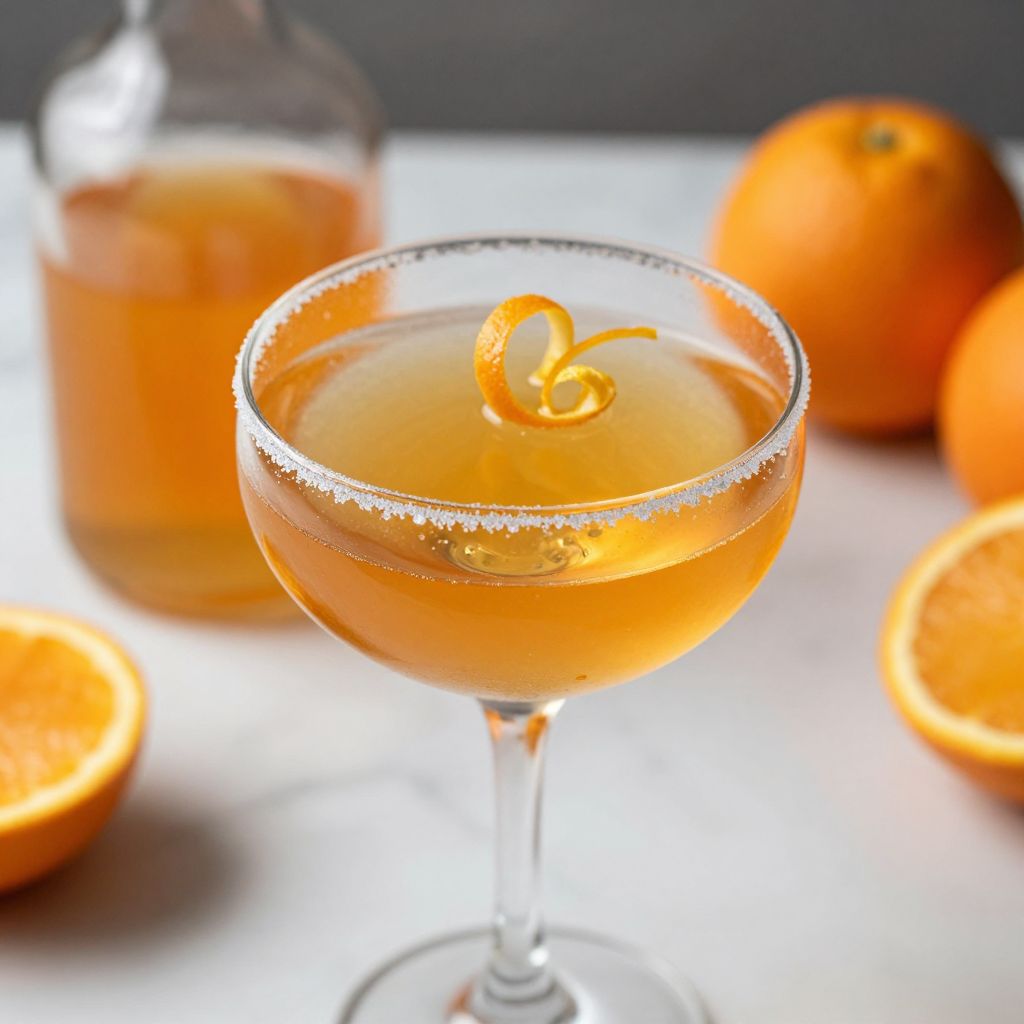
Pro Tip: Chill your glasses and the bottle in the freezer for at least two hours before serving, then pour small amounts straight into the chilled glass for the smoothest, most elegant experience.
Tips for the Best Orangecello
- Choose oranges that feel heavy for their size because they contain more juice and flavor. Lightweight oranges are often older and have less aromatic compounds in their peel.
- Keep your jar away from sunlight throughout the infusion period because UV light can break down the bright color and some delicate flavor compounds. A kitchen cabinet or pantry works perfectly.
- Don’t skip the cooling step for your simple syrup before mixing it with the vodka. Hot syrup can evaporate some of the subtle flavors you’ve worked so hard to extract.
- Shake your jar regularly during infusion to agitate the peels and speed up flavor extraction. Every three days is ideal, but even once a week makes a noticeable difference.
- Taste your infusion on day 14 before straining to decide if you want it stronger or milder. If you prefer more intensity, let it infuse for a few extra days.
- Save your leftover orange peels after straining to candy them or add them to baked goods. They’ve absorbed enough alcohol and flavor to be useful in other recipes.
Common Mistakes to Avoid
- Using non-organic oranges with waxy coating will give your liqueur a plastic-like taste that’s hard to shake. Always verify your oranges are untreated before buying.
- Including white pith in your zest creates a bitter, medicinal flavor that overpowers the bright citrus notes. The pith ruins the entire batch, so spend extra time peeling carefully.
- Straining through cheesecloth without patience and squeezing the solids pushes tannins into the final product, making it taste harsh and unpleasant. Let gravity do the work and be patient.
- Mixing hot simple syrup with cold vodka can cause unwanted chemical reactions that dull the flavor. Always cool your syrup completely before combining.
- Storing your finished orangecello in clear glass bottles on a sunny shelf will fade both the color and flavor within weeks. Keep it in dark glass in a cool cabinet.
Serving Suggestions
Orangecello shines brightest when served ice-cold as a digestif after a heavy meal, but it works beautifully in countless other ways. Think of it as a versatile ingredient rather than a one-trick spirit.
- Pour a small glass straight from the freezer as a palate cleanser after dinner
- Mix with prosecco or sparkling wine for an elegant aperitif cocktail
- Drizzle over vanilla ice cream or panna cotta for instant sophistication
- Shake with gin and fresh lemon juice for a citrus-forward martini variation
- Add a splash to whipped cream for a boozy topping on desserts
Variations to Try
- Limoncello Version: Substitute fresh lemons for oranges and reduce infusion time to 10 days because lemon peel releases flavor faster. The result tastes brighter and more acidic, perfect for summer cocktails.
- Grapefruit Cello: Use pink or red grapefruit instead of oranges for a deeper, slightly bitter citrus profile. Infuse for 14 days but taste on day 10 to prevent over-extraction of bitter compounds.
- Spiced Orangecello: Add 2 cinnamon sticks, 4 whole cloves, and 1 star anise to the jar during infusion for warm, complex flavor. Remove spices after 7 days to prevent them from overpowering the citrus.
- Blood Orange Version: Use blood oranges when in season for a deeper color and slightly more complex flavor profile. Infuse and process identically to regular orangecello.
- Lower Alcohol Version: Reduce vodka to 500 ml and increase water in the simple syrup to 3 cups for a gentler spirit that’s easier to drink casually. The flavor will be slightly lighter but still delicious.
Dietary and Alcohol Considerations
This recipe contains vodka and added sugar. Check the labels of your particular products for dietary requirements rather than treating all brands as allergen-free or vegan. Removing or reducing sugar changes the flavor and does not establish a calculated keto serving.
The infusion remains alcoholic after syrup is added. An alcohol-free orange drink needs a separate formulation; omitting vodka does not reproduce this extraction process or its storage conditions.
Storage and Serving Temperature
Keep the finished bottles tightly sealed, clearly labeled and refrigerated. This homemade recipe does not establish a two-year refrigerator life or a five-year freezer life. Storage behavior depends on the final alcohol concentration, sugar and preparation conditions. Do not rely on alcohol alone as an unlimited preservation guarantee.
The syrup dilutes the vodka, so the finished liqueur may freeze differently from the original spirit. Do not assume it will remain liquid or that a glass bottle can safely tolerate freezing. Refrigerate before serving and use small pours; this is an alcoholic liqueur.
Nutrition and Serving Notes
I have not provided a calculated nutrition panel for this recipe. Actual calories and carbohydrate content depend on the ingredient brands, measured quantities and serving size. Alcohol contributes calories as well as juices, syrups and liqueurs. A sugar-free substitution for one mixer does not make the whole drink sugar-free or establish that it fits a particular carbohydrate target.
Frequently Asked Questions
Can I Use Regular Store-bought Oranges with the Waxy Coating?
You technically can, but the wax coating will make your orangecello taste slightly off and may create a cloudy appearance. If store-bought oranges are your only option, wash them under hot water while scrubbing gently with a soft brush to remove as much coating as possible.
How Long Does the Infusion Actually Take, and Can I Speed It Up?
The infusion takes exactly 14 days for ideal flavor balance, and trying to speed it up typically backfires by either extracting too much bitterness or leaving the flavor underdeveloped. Patience is the only real shortcut here.
What Should I Do If My Orangecello Turns Cloudy or Develops Sediment?
Light cloudiness is normal and results from tiny suspended particles that don’t affect the taste. If you dislike the appearance, strain it again through fresh cheesecloth, but this extra step isn’t necessary for flavor.
Can I Make Orangecello with Frozen Oranges or Store-bought Juice?
Frozen whole oranges work but produce less flavorful results because the freezing process breaks down some aromatic compounds in the peel. Store-bought juice won’t work at all because you need the peel’s essential oils, not the juice itself.
Is Homemade Orangecello Safe to Drink, or Should I Be Concerned About Contamination?
Homemade orangecello is completely safe because the high alcohol content preserves everything and prevents bacterial growth. The vodka acts as a natural preservative from day one.
What’s the Difference Between Orangecello and Triple Sec?
Triple sec is a commercially produced liqueur with added flavoring, while orangecello is homemade with real orange peel that you’ve infused yourself. Homemade orangecello typically tastes fresher and more vibrant because nothing’s been added except sugar and water.
Can I Reuse the Orange Peels for a Second Batch?
You could technically strain out the peels and infuse them again, but they’ve already released most of their flavor and oils into the first batch. The second infusion will taste noticeably weaker and isn’t worth the effort.
Final Thoughts
Making orangecello at home proves that elegance doesn’t require complicated techniques or hard-to-find ingredients. You’re essentially letting fruit and time do all the work while you go about your life.
Try this recipe this season and watch how quickly people ask where you bought such a refined, impressive liqueur. There’s no feeling quite like saying you made it yourself from scratch.
Homemade Orangecello
Ingredients
Equipment
Method
- Wash your oranges under warm running water and dry them completely with a clean towel.
- Using a vegetable peeler, carefully remove only the bright orange outer layer from each orange, leaving behind the bitter white pith.
- Place all the orange zest strips into your clean glass jar. Pack them loosely so the vodka can circulate freely around every piece.
- Pour the entire 750 ml bottle of vodka over the orange peels until they're fully submerged.
- Cap the jar tightly and place it in a cool, dark cabinet away from direct sunlight. Shake the jar gently every few days to redistribute the peels and ensure even infusion.
- Let the mixture infuse for exactly 14 days. After two weeks, the liquid will be a golden orange color and smell intensely aromatic.
- Prepare your syrup by combining 2 cups sugar and 2 cups water in a small saucepan. Heat over medium heat, stirring occasionally, until the sugar dissolves completely (about 5 minutes), then remove from heat and let it cool to room temperature.
- Line a fine mesh strainer with cheesecloth and carefully pour the vodka mixture through it into a clean container. Let gravity do the work; don't squeeze the cheesecloth.
- Pour the strained vodka infusion into a large measuring cup, then add the cooled simple syrup and stir well.
- Using a funnel, pour the finished orangecello into clean bottles and seal them tightly. Let the bottles rest in a cool, dark place for at least one week before serving.
- Chill your glasses and the bottle in the freezer for at least two hours before serving, then pour small amounts straight into the chilled glass.