
There’s something deeply comforting about sipping a warm cup of tea when you’re navigating life after bariatric surgery, especially when that tea actually tastes good and doesn’t derail your nutritional goals.
The bariatric tea recipe I’m sharing today is specifically designed for post-surgery success, combining gentle, soothing ingredients that are easy on a healing stomach while delivering real flavor and hydration.
What makes this recipe special is that it respects your new nutritional needs without tasting medicinal or boring.
Let’s walk you through creating a tea that you’ll actually look forward to drinking every day.
Why You’ll Love This Recipe
This bariatric-friendly tea checks all the boxes for post-surgery wellness and taste satisfaction. You get genuine flavor, easy preparation, and ingredients that work with your body’s new reality.
- Packed with hydration and minimal calories to support healing without adding strain
- Naturally caffeine-free options reduce stress on your digestive system
- Anti-inflammatory ingredients like ginger help reduce post-surgery discomfort
- Gentle on your stomach while still delivering satisfying flavor
- Takes five minutes or less to prepare, perfect for busy recovery days
My Experience Making This Recipe
When I first started experimenting with bariatric-friendly teas, I was surprised how quickly bland herbal blends became depressing. I wanted something that felt like a real treat, not another medical necessity.
The first time I tried this specific combination, the warmth paired with subtle ginger heat and lemon brightness actually made me feel cared for. My nutritionist nodded approvingly when I showed her the ingredient list, which meant I could enjoy it without guilt.
Over the past six months of recovery, this tea became my go-to during those challenging afternoons when cravings hit hard. It satisfied the need for flavor and ritual without compromising my surgical goals.
Recipe Overview
- Recipe Name: Bariatric Tea Recipe
- Servings: 1
- Prep Time: 2 minutes
- Cook Time: 5 minutes
- Total Time: 7 minutes
- Course: Beverage
- Cuisine: Wellness
- Calories per Serving: 8
Equipment You Will Need
- Electric kettle or stovetop pot
- Mug or tea cup
- Tea infuser ball or fine-mesh strainer
- Small knife for slicing ginger and lemon
- Cutting board
- Measuring spoons
Ingredients for Bariatric Tea Recipe
- Water, 8 ounces
- Fresh ginger root, 1/4 inch slice
- Chamomile tea bag, 1
- Fresh lemon juice, 1/2 teaspoon
- Raw honey, 1/2 teaspoon
- Turmeric powder, pinch (about 1/8 teaspoon)
- Black pepper, 1 tiny pinch
Ingredient Notes and Substitutions
- Chamomile: This gentle herb calms your digestive system and promotes restful sleep without caffeine. If you dislike chamomile, substitute with peppermint or rooibos tea for different digestive benefits.
- Fresh ginger: Ginger reduces nausea and inflammation, making it essential for post-bariatric recovery. Dried ginger powder works but use half the amount, starting with 1/8 teaspoon, since it concentrates more intensely.
- Lemon juice: Citrus aids digestion and adds brightness without acid stress when properly diluted. If you lack fresh lemons, use 1/4 teaspoon of bottled lemon juice.
- Honey: A touch of honey provides satisfying sweetness while supporting digestive health. Stevia or monk fruit sweetener works as a zero-calorie swap if you’re managing sugar intake strictly.
- Turmeric: This anti-inflammatory powerhouse supports healing and reduces post-surgery swelling. Omit entirely if you’re sensitive, or use ginger exclusively instead.
How to Make Bariatric Tea Recipe
Step 1: Fill Your Kettle with Fresh Water
Measure exactly 8 ounces of filtered water and pour it into your electric kettle. Using filtered water removes chlorine and other impurities that can irritate a newly sensitive digestive system.
Step 2: Heat Water to 160-170 Degrees Fahrenheit
Heat your water to this specific temperature instead of a rolling boil. Boiling water can destroy some of chamomile’s gentle healing properties and may feel too harsh on your recovering stomach.
Step 3: Prepare Your Ginger
While water heats, slice a quarter-inch piece of fresh ginger root into thin rounds. Fresh ginger releases its compounds more effectively when sliced, allowing maximum absorption of its anti-inflammatory benefits.
Step 4: Place Ginger in Your Mug
Drop your ginger slices into a tea infuser ball or directly into your empty mug. The ginger will steep alongside your tea, infusing the water with its warming, digestive-supporting properties.
Step 5: Add Chamomile Tea Bag
Place your chamomile tea bag in the mug with the ginger. Chamomile and ginger are a classic pairing that work synergistically to soothe your digestive tract.
Step 6: Pour Heated Water Over Ingredients
Carefully pour the heated water over your ginger and chamomile. Watch the color deepen as the herbs begin releasing their beneficial compounds into the water.
Step 7: Steep for Exactly 4-5 Minutes
Let your tea steep undisturbed for this timeframe to extract maximum flavor and nutrients. Steeping longer than 5 minutes can make chamomile taste slightly bitter, which isn’t pleasant for sensitive post-bariatric taste buds.
Step 8: Remove Tea Bag and Strain Ginger
Remove the chamomile tea bag and pour the tea through a fine-mesh strainer to catch ginger pieces. This prevents any ginger particles from reaching your cup, which could feel uncomfortable in your smaller pouch.
Step 9: Add Lemon Juice and Honey
Stir in the lemon juice and honey while the tea is still warm. The warmth helps honey dissolve smoothly and allows its digestive properties to activate immediately.
Step 10: Add Turmeric and Black Pepper
Sprinkle in a tiny pinch of turmeric followed by an even smaller pinch of black pepper. Black pepper activates turmeric’s bioavailability, meaning your body absorbs and uses its anti-inflammatory power much more effectively.
Pro Tip: Always slice fresh ginger instead of grating it, as slices steep more evenly and are easier to remove completely from your tea, preventing any ginger fiber from irritating your newly sensitive stomach.
Tips for the Best Bariatric Tea Recipe
- Use fresh ginger root purchased within the past two weeks for maximum potency and flavor. Old ginger loses its sharp bite and anti-inflammatory punch.
- Always use filtered or distilled water if possible, as tap water minerals can muddy the delicate flavors. This is especially important post-bariatric since your stomach is extra sensitive.
- Squeeze fresh lemon juice immediately before drinking rather than preparing it ahead. Fresh juice contains more vitamin C and enzymes than juice sitting in a bottle.
- Drink this tea slowly, sipping over 10-15 minutes rather than gulping it down. Your smaller pouch needs time to adjust to warm liquids.
- Prepare this tea in the afternoon or early evening, as chamomile promotes sleep and you want this benefit working for you at night. Avoid it in the morning if you’re sensitive to its calming effects.
- Keep fresh ginger and chamomile tea bags stocked so you can make this whenever cravings hit. Having the ingredients immediately available increases your chances of reaching for tea instead of problematic foods.
Common Mistakes to Avoid
- Boiling the water too aggressively destroys chamomile’s delicate compounds and creates a harsh taste that irritates sensitive post-bariatric stomachs. Stick to 160-170 degrees.
- Using pre-sliced or powdered ginger instead of fresh root loses the vibrant flavor and reduces anti-inflammatory effectiveness. Fresh ginger is worth the extra minute of prep.
- Steeping longer than 5 minutes turns chamomile bitter and can make turmeric taste metallic. Your taste buds are already hypersensitive, so precision matters here.
- Rushing to drink the tea while too hot can shock your healing digestive system. Let it cool to about 120 degrees before sipping.
- Skipping the black pepper with turmeric wastes turmeric’s benefits, as your body absorbs very little without black pepper’s bioactive compounds present.
Serving Suggestions
This tea works beautifully as a standalone recovery ritual or paired with other post-bariatric approved foods. The warm, soothing nature makes it perfect for morning comfort or evening wind-down.
- Sip alongside a small protein smoothie for a complete, gentle breakfast
- Pair with a few almonds for added satisfaction during afternoon hunger
- Enjoy after dinner as a digestive aid that feels like a treat rather than medicine
- Serve to guests recovering from bariatric surgery to show thoughtful support
- Make it part of your nighttime wind-down routine to improve sleep quality
Variations to Try
- Apple Cinnamon Blend: Replace chamomile with apple cinnamon herbal tea and reduce ginger to a pinch. This variation tastes warmer and spice-forward, perfect for cooler months when you crave comfort without heaviness.
- Mint Lemon Detox: Swap chamomile for peppermint and add a small mint leaf to the infuser. This creates a more invigorating tea that still soothes digestion but feels lighter and more refreshing.
- Golden Milk Style: Increase turmeric to 1/4 teaspoon, add a tiny pinch of cinnamon, and reduce lemon juice to 1/4 teaspoon. This transforms your tea into a creamy-tasting golden milk that feels more luxurious and indulgent.
- Citrus Sunrise: Add a few drops of fresh orange juice alongside the lemon juice and swap honey for a pinch of stevia. The extra citrus creates a brighter profile that energizes mornings without caffeine jitters.
Dietary Adaptations
- Gluten-Free: All ingredients are naturally gluten-free, including most commercial chamomile and herbal teas, but verify your specific brands state “certified gluten-free” on packaging.
- Dairy-Free: This recipe contains zero dairy from start to finish, making it perfect for anyone with lactose sensitivity post-bariatric surgery.
- Vegan: Replace honey with maple syrup or agave nectar at the same ratio to maintain sweetness while keeping the recipe completely plant-based.
- Low-Carb/Keto: Omit honey entirely or use liquid stevia instead, keeping carbs under 1 gram per serving while maintaining full flavor.
- Sugar-Free: Swap honey for monk fruit sweetener or erythritol at a 1-to-1 ratio for sweetness without any impact on blood sugar.
Storage and Reheating
Refrigerator
You can store leftover cooled tea in a sealed glass container for up to 48 hours. The flavors remain stable and ginger actually intensifies slightly as it sits.
- Store in glass rather than plastic to preserve flavor integrity
- Keep away from strong-smelling foods, as tea absorbs odors easily
- Label with the date to avoid confusion with other beverages
Freezer
Freezing bariatric tea isn’t recommended, as the delicate herbal flavors and ginger’s potency degrade when frozen. The texture also becomes unpleasant when thawed.
- Cold tea works better than frozen if you want to prep ahead
- Make fresh batches every two days instead for optimal flavor
Reheating
Gently reheat refrigerated tea in a mug using your electric kettle, being careful not to boil it again. Pour your cold tea into a mug and heat just until steaming, about 2-3 minutes.
- Never microwave, as uneven heating can create hot spots that burn your sensitive mouth
- Reheat to around 120 degrees rather than piping hot for comfort and safety
Nutrition Information
| Nutrient | Amount |
|---|---|
| Calories | 8 |
| Total Fat | 0 g |
| Saturated Fat | 0 g |
| Carbohydrates | 2 g |
| Fiber | 0 g |
| Sugar | 2 g |
| Protein | 0 g |
| Sodium | 5 mg |
| Cholesterol | 0 mg |
These nutritional values are estimated and based on USDA data for raw ingredients. Individual values may vary slightly depending on your specific brands and exact ingredient amounts.
Frequently Asked Questions
Can I Make This Tea Without Fresh Ginger?
Dried ginger powder works, but use only 1/8 teaspoon instead of fresh slices, as dried ginger concentrates more intensely. You’ll lose some of the fresh ginger’s delicate flavor, but the anti-inflammatory benefits remain strong.
Is This Tea Safe to Drink Immediately After Surgery?
Wait until you reach the full liquid phase of post-bariatric recovery before introducing this tea, typically one to two weeks post-surgery. Consult your surgeon or nutritionist before adding any new beverages, as recovery timelines vary.
Can I Prepare the Ingredients Ahead for Quick Mornings?
Yes, you can pre-slice ginger and store it in a sealed container in the refrigerator for up to one week. However, prepare this tea fresh each time for maximum flavor and nutrient retention.
What If the Tea Tastes Too Bitter?
Bitterness means you steeped too long or used water that was too hot. Reduce steeping time to 3 minutes or lower water temperature to 160 degrees, and add an extra 1/4 teaspoon of honey for sweetness.
Does This Tea Help With Constipation After Bariatric Surgery?
The ginger and chamomile support gentle digestion, but this tea isn’t a cure for post-bariatric constipation. Increase water intake overall and consult your surgeon if constipation persists, as you may need additional fiber or stool softeners.
Can I Add Milk or Cream to This Recipe?
Adding dairy isn’t recommended in early recovery, but you can eventually use a small splash of almond milk if you tolerate it well. Start with a single teaspoon and watch for any digestive discomfort.
Is Caffeine-Free Important for Post-Bariatric Recovery?
Caffeine can increase acid production and irritate your healing stomach lining, so avoiding it during recovery is wise. After you’re further along in recovery and cleared by your surgeon, you can experiment with mild caffeinated teas if desired.
Final Thoughts
The bariatric tea recipe becomes something you’ll reach for not out of obligation, but out of genuine desire to soothe yourself through recovery. It proves that eating and drinking well after surgery doesn’t mean sacrificing flavor or ritual.
Start making this tea today and watch it become part of your new normal, a small daily victory that reminds you that healing can taste absolutely delicious. Your post-bariatric journey deserves this kind of gentle, flavorful support every single day.
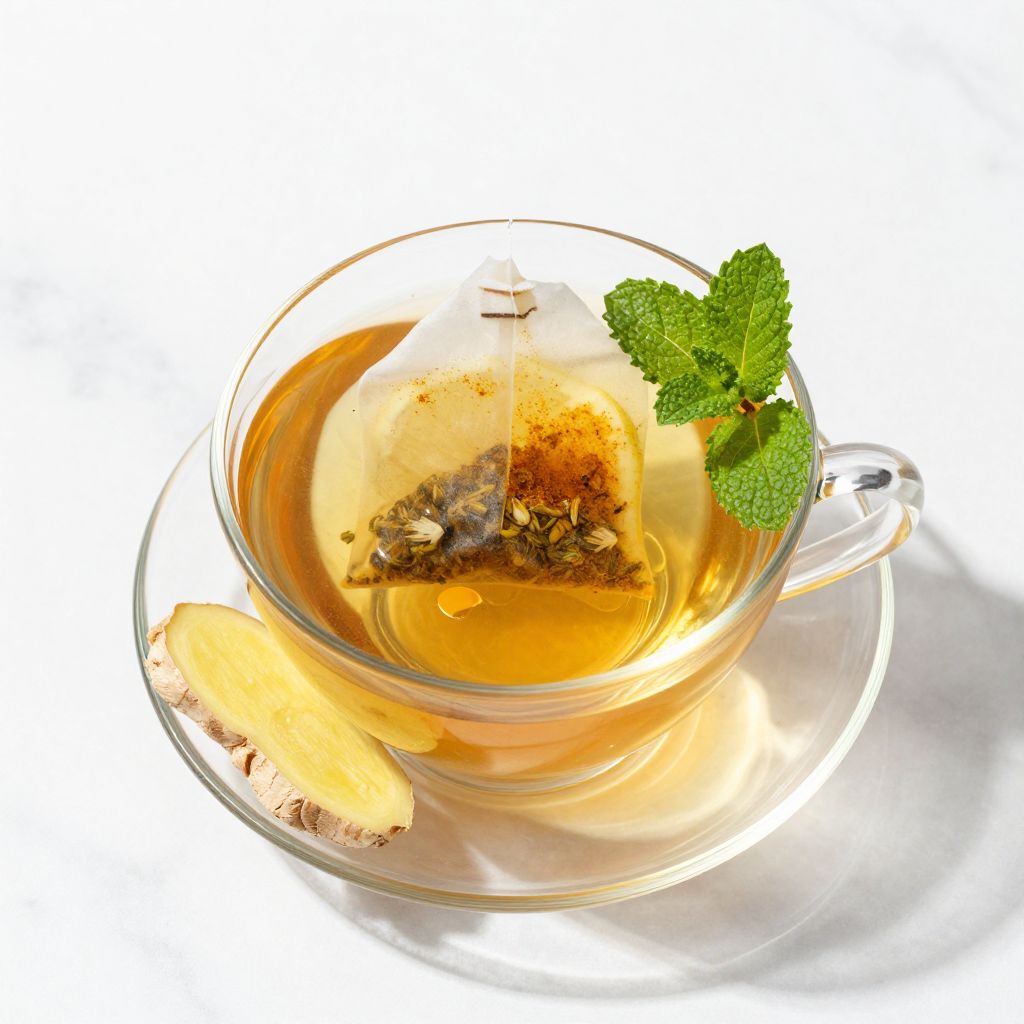
Bariatric Tea Recipe
Ingredients
Equipment
Method
- Measure exactly 8 ounces of filtered water and pour it into your electric kettle.
- Heat your water to 160-170 degrees Fahrenheit instead of a rolling boil.
- While water heats, slice a quarter-inch piece of fresh ginger root into thin rounds.
- Drop your ginger slices into a tea infuser ball or directly into your empty mug.
- Place your chamomile tea bag in the mug with the ginger.
- Carefully pour the heated water over your ginger and chamomile.
- Let your tea steep undisturbed for exactly 4-5 minutes.
- Remove the chamomile tea bag and pour the tea through a fine-mesh strainer to catch ginger pieces.
- Stir in the lemon juice and honey while the tea is still warm.
- Sprinkle in a tiny pinch of turmeric followed by an even smaller pinch of black pepper. Drink slowly over 10-15 minutes.