
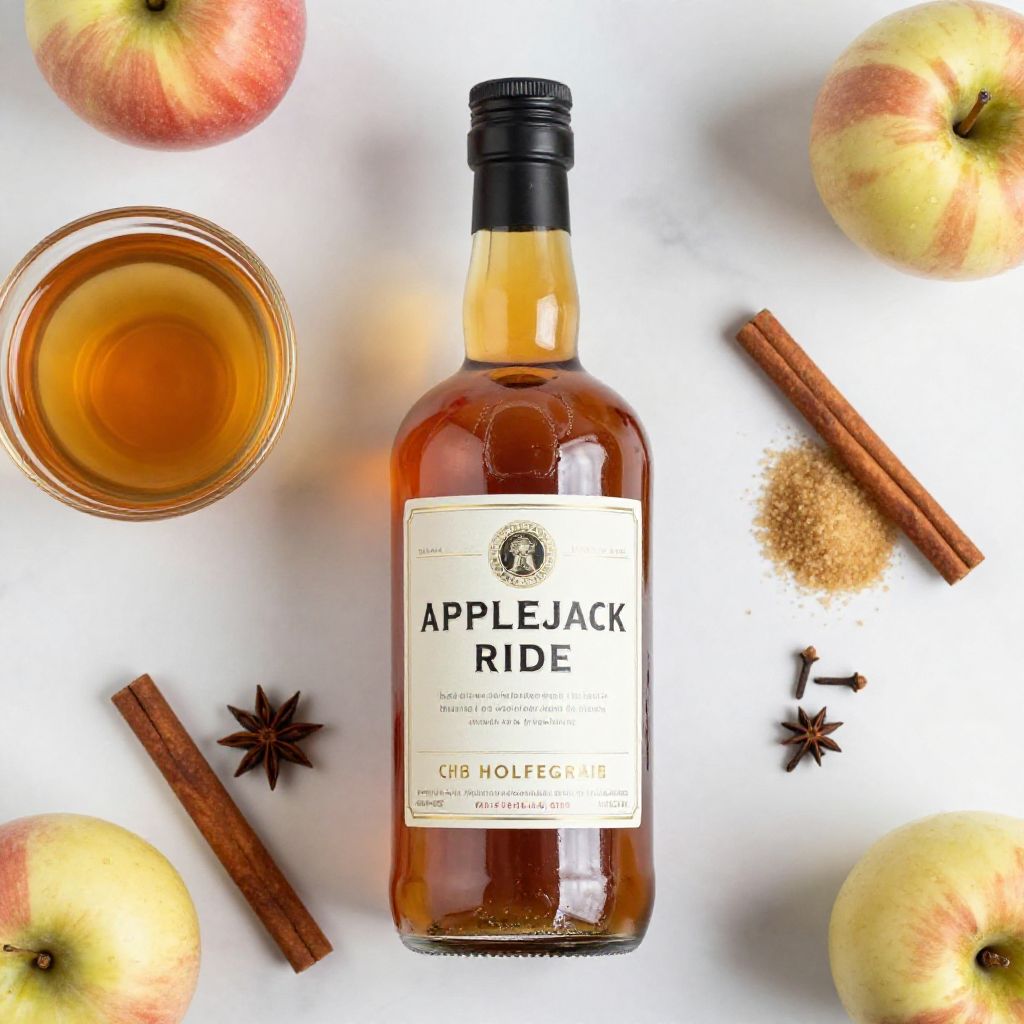
Picture this: a crisp autumn evening, leaves crunching underfoot, and the smell of spiced apples wafting through the air. Making your own Applejack at home is not just a process; it’s an experience that brings warmth and nostalgia with every sip. This delightful apple brandy is known for its smooth, rich flavor and versatility, making it perfect for cocktails or sipping straight. Plus, it’s easier than you might think to craft this delicious spirit right in your own kitchen.
Why You’ll Love This Recipe
This recipe is a fantastic way to embrace the flavors of fall and impress your friends with your homemade skills.
- Rich, complex flavor from natural ingredients.
- Customizable with different apples and spices.
- Perfect for both sipping and mixing in cocktails.
- Great for gifting during the holidays.
- Easy to make with minimal equipment.
My Experience Making This Recipe
The first time I made Applejack, the whole kitchen smelled like an apple orchard. I couldn’t wait to share it with friends, and their reactions were priceless.
As they sipped and savored the smoothness, I realized I had struck gold with this recipe. Everyone wanted to know how I made it, and I felt like a home distiller with a secret.
Recipe Overview
- Recipe Name: Applejack
- Servings: 10
- Prep Time: 30 minutes
- Cook Time: 2 hours
- Total Time: 2 hours 30 minutes
- Course: Beverage
- Cuisine: American
- Calories per Serving: 150
Equipment You Will Need
- Large pot
- Fermentation vessel
- Airlock
- Strainer or cheesecloth
- Bottles for storage
Ingredients for Applejack
- Apple cider – 1 gallon
- Granulated sugar – 2 cups
- Yeast – 1 packet (champagne or cider yeast)
- Spices (optional) – 1 cinnamon stick, 3 cloves, 1 star anise
Ingredient Notes and Substitutions
- Apple cider: Provides the base flavor; look for fresh, unfiltered cider. You can substitute with store-bought apple juice, but the flavor may be less robust.
- Granulated sugar: Helps in fermentation; brown sugar can add a deeper flavor.
- Yeast: Essential for fermentation; any high-alcohol tolerant yeast can work.
- Spices: These add warmth and complexity; feel free to experiment with nutmeg or ginger.
How to Make Applejack
Step 1: Prepare the Cider
Start with the apple cider, pouring it into a large pot. This will be the foundation for your Applejack.
Step 2: Heat the Cider
Gently heat the cider over medium heat until it reaches a simmer. Heating will help dissolve the sugar and activate the yeast.
Step 3: Add Sugar and Spices
Stir in the granulated sugar until fully dissolved. If using spices, add them now to infuse the flavor into the cider.
Step 4: Cool the Mixture
Remove the pot from heat and let it cool to room temperature. Cooling is crucial to prevent killing the yeast.
Step 5: Transfer to Fermentation Vessel
Once cooled, pour the mixture into your fermentation vessel, leaving some space at the top. This space is essential for carbon dioxide buildup during fermentation.
Step 6: Add Yeast
Sprinkle the yeast on top of the mixture without stirring. The yeast will hydrate and start fermenting the sugars into alcohol.
Step 7: Seal and Ferment
Seal the fermentation vessel with an airlock. Place it in a dark, cool location for about 1-2 weeks to allow fermentation.
Step 8: Strain and Bottle
After fermentation, strain the liquid using a strainer or cheesecloth to remove any solids. Transfer the clear liquid into sterilized bottles for storage.
Pro Tip: For a smoother flavor, age your Applejack in a dark place for a few months before enjoying.
Tips for the Best Applejack
- Use fresh apple cider for the best flavor.
- Monitor fermentation temperature; it should be cool but not cold.
- Experiment with different apple varieties for unique flavors.
- Consider aging your Applejack in oak barrels for added depth.
- Always sanitize equipment to prevent unwanted bacteria.
Common Mistakes to Avoid
- Not cooling the mixture before adding yeast, which can kill the yeast.
- Using pasteurized cider, which may not ferment properly.
- Not leaving enough headspace in the fermentation vessel can cause overflow.
- Rushing the fermentation process; patience is key for flavor.
Serving Suggestions
Applejack is delightful on its own, but pairing it with food enhances the experience.
- Perfect with cheese platters.
- Great in cocktails like an Applejack Sour.
- Serve alongside spiced desserts.
- Mix with ginger ale for a refreshing drink.
Variations to Try
- Try using different apple varieties for distinct flavors, such as Granny Smith or Honeycrisp.
- Add additional spices like nutmeg or cardamom for a unique twist.
- Experiment with aging in different types of barrels for varied flavor profiles.
- Infuse with other fruits like pears for a fruity blend.
Dietary Adaptations
- Gluten-free: All recommended ingredients are naturally gluten-free.
- Dairy-free: This recipe contains no dairy.
- Vegan: All ingredients used are suitable for a vegan diet.
- Low-carb: Reduce sugar for a lower-carb option, but this may affect fermentation.
Storage and Reheating
Refrigerator
Store in a cool, dark place or the refrigerator for up to a year.
- Keep bottles sealed to maintain flavor.
- Check for sediment; it’s normal but can be decanted if necessary.
Freezer
Applejack can be frozen, but it may change the texture slightly.
- Use freezer-safe bottles to avoid breakage.
- Thaw in the refrigerator before serving.
Reheating
Reheat gently on the stove if desired, but avoid boiling.
- Serve warm with spices for a cozy drink option.
Nutrition Information
| Nutrient | Amount |
|---|---|
| Calories | 150 |
| Total Fat | 0g |
| Saturated Fat | 0g |
| Carbohydrates | 20g |
| Fiber | 0g |
| Sugar | 20g |
| Protein | 0g |
| Sodium | 5mg |
| Cholesterol | 0mg |
This nutrition information is approximate and may vary based on specific ingredients used.
Frequently Asked Questions
Can I use store-bought apple juice instead of cider?
Yes, but fresh apple cider provides a richer flavor and better fermentation results.
How long can I store homemade Applejack?
It can last up to a year when stored properly in a cool, dark place.
What if my Applejack is too sweet?
You can dilute it with water or mix it with soda to balance the sweetness.
What if the fermentation doesn’t start?
Ensure the mixture cooled before adding yeast, and make sure your yeast is fresh and active.
Can I make a smaller batch?
Absolutely, just adjust the ingredients proportionally to your desired batch size.
Final Thoughts
Making your own Applejack is a rewarding experience that brings the flavors of fall right to your glass. So, gather your ingredients and give this recipe a try; you might just find a new favorite drink.
If you enjoyed this recipe, explore more delicious creations like this raspberry mead recipe or try a refreshing peach mead recipe for a fruity twist!
Applejack
Ingredients
Equipment
Method
- Pour the apple cider into a large pot.
- Gently heat the cider over medium heat until it simmers.
- Stir in the granulated sugar until fully dissolved.
- If using spices, add them now to infuse the flavor.
- Remove from heat and let cool to room temperature.
- Transfer the mixture into a fermentation vessel, leaving space at the top.
- Sprinkle the yeast on top of the mixture without stirring.
- Seal the vessel with an airlock and place in a dark, cool location for 1-2 weeks.
- After fermentation, strain the liquid using a strainer or cheesecloth.
- Transfer the clear liquid into sterilized bottles for storage.