
Picture this: a crisp fall day, the scent of apples wafting through the air, and the perfect blend of sweet and tart dancing on your palate. This Angry Orchard Cider Recipe brings that experience right to your kitchen, celebrating the essence of hard cider without the need for fancy equipment. It’s a delightful beverage that captures the spirit of autumn and is perfect for gatherings or a cozy night in. With its bubbly, refreshing nature and a hint of sweetness, this recipe is sure to impress your friends and family. Ready to make your own cider magic? Let’s gather our ingredients and get started!
Why You’ll Love This Recipe
This recipe is a fantastic way to enjoy homemade cider without the fuss of traditional brewing methods.
- Deliciously refreshing, perfect for any occasion.
- Simple ingredients make it accessible for everyone.
- Customizable flavors allow for personal touches.
- Great for gatherings or cozy nights at home.
- Easy to make in just a few steps.
My Experience Making This Recipe
When I first tried making this cider, I was pleasantly surprised by how straightforward it was. The aroma of apples blended with spices filled my kitchen, creating a warm and inviting atmosphere.
As I took my first sip, I couldn’t help but smile. The balance of flavors was just right, and my friends were raving about it all evening. It felt rewarding to serve something homemade that everyone loved.
Recipe Overview
- Recipe Name: Angry Orchard Cider
- Servings: 4-6
- Prep Time: 10 minutes
- Cook Time: 5-10 minutes
- Total Time: 15-20 minutes
- Course: Beverage
- Cuisine: American
- Calories per Serving: 150
Equipment You Will Need
- Large pot
- Strainer or cheesecloth
- Fermentation jug (optional)
- Bottle for storage
- Measuring cups and spoons
Ingredients for Angry Orchard Cider
- 8 cups of fresh apple juice (not from concentrate)
- 1 cup of brown sugar
- 1 teaspoon of cinnamon
- 1/2 teaspoon of nutmeg
- 1/4 teaspoon of allspice
- 1/4 teaspoon of yeast (specific for cider or champagne)
- Optional: Additional spices for flavor
Ingredient Notes and Substitutions
- Fresh apple juice: This gives the cider its authentic flavor. You can use store-bought juice, just avoid sweetened ones.
- Brown sugar: It adds depth and richness to the cider. White sugar can work in a pinch.
- Cinnamon, nutmeg, and allspice: These spices enhance the flavor profile. Feel free to adjust amounts or use your favorites.
- Yeast: This is essential for fermentation. If you can’t find cider yeast, champagne yeast will work well too.
How to Make Angry Orchard Cider
Step 1: Prepare the Apple Juice
Start with fresh apple juice to ensure the best flavor. Pour the juice into a large pot and heat over medium heat until warm.
Step 2: Add the Sugars and Spices
Once the juice is warm, stir in the brown sugar, cinnamon, nutmeg, and allspice. This will help the sugar dissolve and infuse the spices into the cider.
Step 3: Allow to Cool
Remove the pot from heat and let the mixture cool to room temperature. Cooling is crucial; adding yeast to hot liquid can kill it.
Step 4: Add the Yeast
Once cooled, sprinkle the yeast over the mixture and stir gently. This activates the fermentation process, transforming the juice into cider.
Step 5: Ferment the Cider
Transfer the mixture into a fermentation jug or a clean bottle. Seal it loosely to allow gases to escape during fermentation.
Step 6: Wait for Fermentation
Let the cider sit at room temperature for 3-7 days. Check daily; when bubbles slow down, fermentation is nearly complete.
Step 7: Strain and Bottle
After fermentation, strain the cider through a strainer or cheesecloth to remove any sediment. This gives you a clear beverage.
Step 8: Chill and Enjoy
Transfer the strained cider into bottles and refrigerate. Serve chilled and enjoy the fruits of your labor!
Pro Tip: For a sparkling cider, bottle it with a small amount of sugar before sealing. This creates natural carbonation!
Tips for the Best Angry Orchard Cider
- Use high-quality apple juice for the best flavor.
- Experiment with different spice combinations to find your perfect blend.
- Keep the fermentation area at a consistent temperature for best results.
- Always taste your cider during fermentation to monitor flavor development.
- Store in a cool, dark place to prolong freshness.
Common Mistakes to Avoid
- Using concentrate instead of fresh juice can lead to a flat flavor.
- Adding yeast to hot liquid can kill it, disrupting fermentation.
- Not allowing enough time for fermentation can result in underdeveloped flavors.
- Failing to strain the cider can leave unwanted sediment in the final product.
Serving Suggestions
This cider is versatile and pairs well with a variety of dishes. Here are some great pairing ideas:
- Charcuterie boards with cheeses and meats.
- Spicy dishes that benefit from sweetness.
- Warm pastries or apple desserts.
- Grilled meats for a refreshing contrast.
Variations to Try
- Add a splash of ginger for a spicy kick.
- Incorporate berries for a fruity twist.
- Try different spices like cloves or cardamom for unique flavor notes.
- Add a splash of bourbon or rum for an adult twist.
Dietary Adaptations
- Gluten-free: This recipe is naturally gluten-free.
- Dairy-free: It contains no dairy products.
- Vegan: All ingredients are plant-based.
- Low-carb/keto: Substitute sugar with a low-carb sweetener.
Storage and Reheating
Refrigerator
Store your cider in the fridge in sealed bottles for up to 2 weeks.
- Ensure bottles are tightly sealed to prevent spoiling.
- Keep in the main compartment, not the door.
Freezer
You can freeze cider in ice cube trays for later use in cocktails.
- Leave some space in the tray as liquids expand when frozen.
- Consume within 3 months for the best flavor quality.
Reheating
If you prefer warm cider, gently heat it on the stove.
- Do not boil, as this can change the flavor.
- Serve warm with a cinnamon stick for extra flavor.
Nutrition Information
| Nutrient | Amount |
|---|---|
| Calories | 150 |
| Total Fat | 0g |
| Saturated Fat | 0g |
| Carbohydrates | 38g |
| Fiber | 0g |
| Sugar | 30g |
| Protein | 0g |
| Sodium | 5mg |
| Cholesterol | 0mg |
This information is approximate and may vary based on specific ingredients used.
Frequently Asked Questions
Can I use store-bought juice for this recipe?
Yes, just make sure it is 100% apple juice without added sugars.
How long does the fermentation process take?
Fermentation typically takes 3-7 days, depending on the temperature and yeast.
Can I make this cider ahead of time?
Absolutely! It can be made a week or two in advance and stored in the refrigerator.
What if my cider tastes too sweet?
You can dilute it with some water or add a touch of lemon juice to balance the sweetness.
Can I carbonate this cider?
Yes, you can bottle it with a little sugar to create natural carbonation.
Final Thoughts
Making your own Angry Orchard Cider is a delightful experience that fills your home with warmth and fantastic aromas. Every sip is a reminder of the joy of crafting something delicious from scratch.
So, gather your ingredients and get brewing! You will be amazed at how easy it is to create this refreshing drink. For more fun recipes, check out this hard apple cider recipe or if you’re looking for a non-alcoholic option, try this apple cider mocktail recipe.
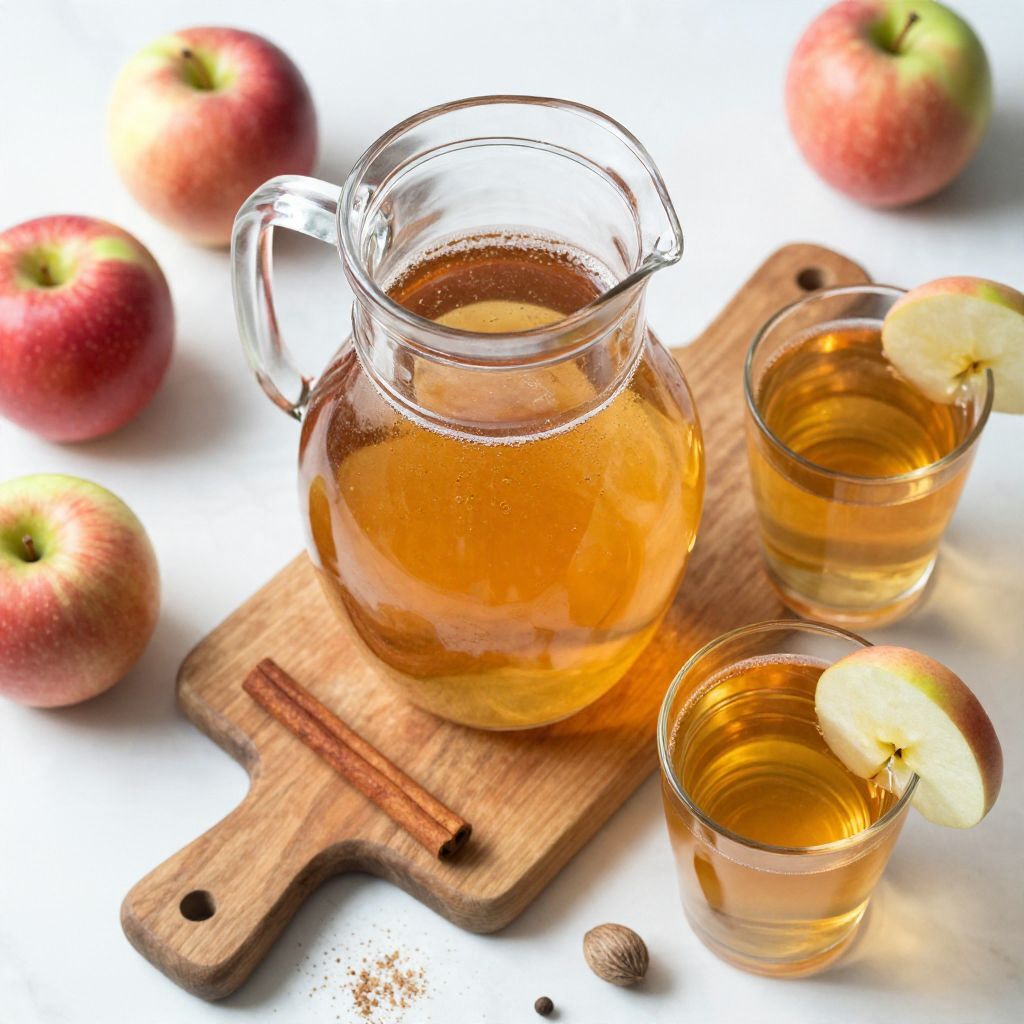
Angry Orchard Cider
Ingredients
Equipment
Method
- Pour the fresh apple juice into a large pot and heat over medium heat until warm.
- Stir in the brown sugar, cinnamon, nutmeg, and allspice until dissolved.
- Remove the pot from heat and let the mixture cool to room temperature.
- Once cooled, sprinkle the yeast over the mixture and stir gently.
- Transfer the mixture into a fermentation jug or a clean bottle and seal loosely.
- Let the cider sit at room temperature for 3-7 days, checking daily for bubble activity.
- After fermentation, strain the cider through a strainer or cheesecloth to remove sediment.
- Transfer the strained cider into bottles and refrigerate before serving.