
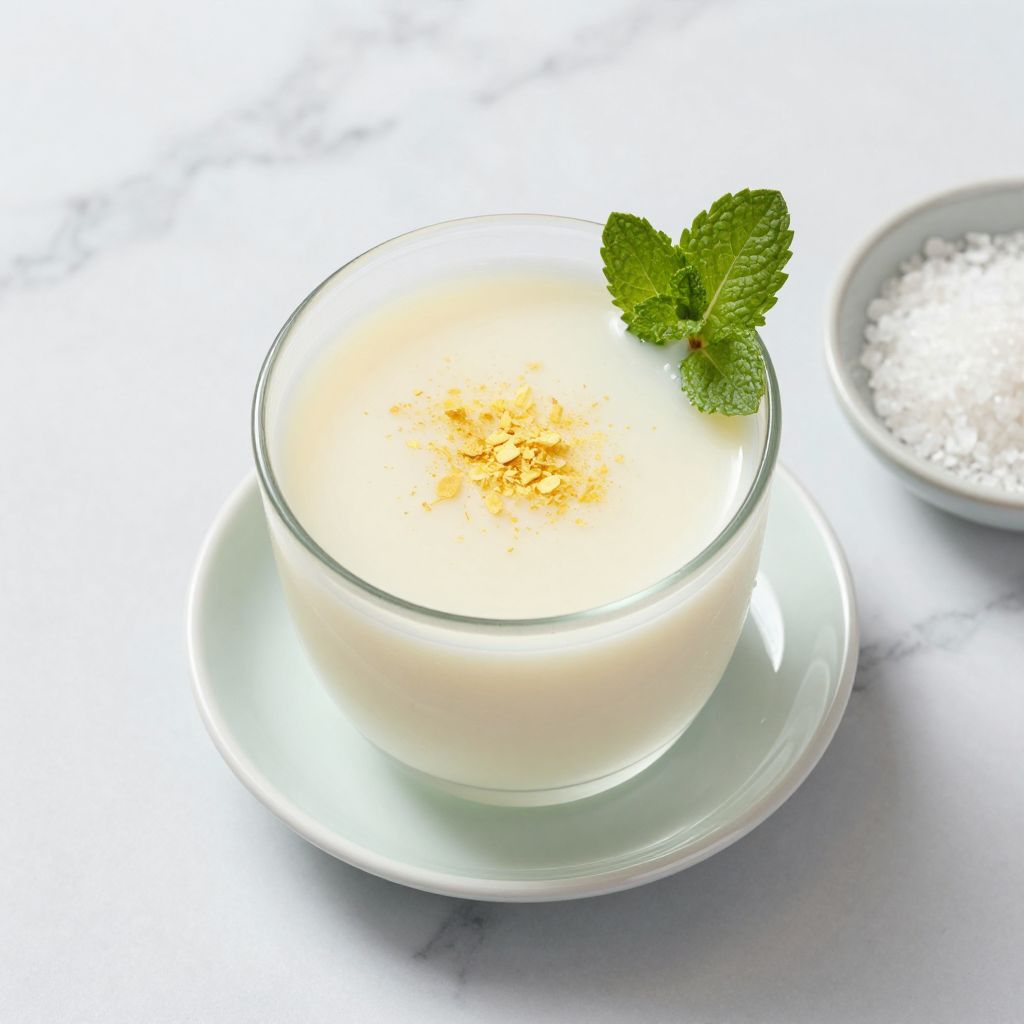
Picture yourself sipping a naturally sweet, creamy drink on a cold morning, one that tastes like rice pudding in a glass but contains zero added sugar. That’s amazake, a centuries-old Japanese fermented rice drink that’s finally having its moment with health-conscious home cooks and curious food lovers everywhere. This recipe is special because it requires just two ingredients, minimal hands-on time, and a bit of patience to let fermentation work its magic for you.
What makes amazake so appealing is its silky texture, subtle sweetness, and impressive nutrition profile that includes natural probiotics and amino acids. Once you master the basic method, you’ll find yourself reaching for this drink to start your day, blend into smoothies, or enjoy warm as a dessert beverage.
Why You’ll Love This Recipe
Amazake delivers real results with almost no effort on your part. The fermentation does the heavy lifting while you go about your day.
- Only two main ingredients: cooked rice and koji (rice mold spores).
- No added sugar needed; natural enzymes create sweetness during fermentation.
- Packed with amino acids, vitamins, and live probiotics for gut health.
- Naturally dairy-free, gluten-free, and vegan without any substitutions needed.
- Ready to drink in 8 to 12 hours, perfect for meal prep.
My Experience Making This Recipe
The first time I made amazake, I was honestly skeptical that plain rice and mold spores could transform into something actually delicious. But after 10 hours in a warm spot in my kitchen, I opened the container to find a subtly sweet, fragrant liquid that tasted nothing like I expected it to.
My partner took one sip and asked if I’d added honey without telling him, which made me laugh because that’s exactly the point. The natural sweetness from the koji breaking down the rice starches is genuinely impressive and tastes clean, not artificial.
What surprised me most was how versatile it turned out to be. I’ve blended it into smoothies, heated it with a pinch of salt and ginger for a warming drink, and even poured it over granola like milk. Every version worked beautifully, and friends who tried it kept asking for the “secret ingredient” in my smoothie.
Recipe Overview
- Recipe Name: Amazake
- Servings: 4 to 6 servings
- Prep Time: 15 minutes
- Cook Time: 45 minutes
- Total Time: 10 to 12 hours (includes fermentation)
- Course: Beverage
- Cuisine: Japanese
- Calories per Serving: 95
Equipment You Will Need
- Medium saucepan
- Measuring cups and spoons
- Thermometer (ideally one that reads 55 to 75 degrees Celsius or 130 to 170 degrees Fahrenheit)
- Insulated container or cooler
- Cheesecloth or clean kitchen towel
- Fine mesh strainer
- Blender or food processor
- Glass jars for storage
Ingredients for Amazake
- Short-grain white rice: 1 cup, uncooked
- Water: 2 cups for cooking rice, plus 1 cup for fermentation mixture
- Koji: 1/2 cup dry koji spores (also called koji powder or malted rice powder)
- Sea salt: 1/4 teaspoon (optional, for flavor balance)
Ingredient Notes and Substitutions
- Short-grain white rice: This rice variety has higher starch content, which koji enzymes break down into natural sugars more efficiently than long-grain varieties. You can substitute brown rice, but fermentation takes 2 to 3 hours longer and the flavor becomes slightly earthier.
- Koji: This is the magic ingredient containing aspergillus oryzae mold spores that create the fermentation magic. Koji powder is increasingly available online and in specialty Asian markets. No direct substitute exists, but some people use malted barley powder with significantly different results and flavor profile.
- Water: Filtered or bottled water prevents chlorine from interfering with fermentation. Tap water works in most cases, but filtered water produces more reliable and consistent results.
- Sea salt: A tiny pinch balances the sweetness and brings out subtle rice flavors. Table salt works but can taste slightly metallic in comparison.
How to Make Amazake
Step 1: Rinse and Cook the Rice
Place the uncooked rice in a fine mesh strainer and rinse under cold running water until the water runs mostly clear. This removes excess starch that would otherwise make your amazake cloudy rather than silky.
Add 2 cups of water to a medium saucepan and bring to a boil over high heat. Stir in the rinsed rice, reduce heat to low, cover, and simmer for about 15 minutes until all water is absorbed and rice is completely tender.
Step 2: Cool the Rice to the Right Temperature
Spread the cooked rice on a clean plate or shallow pan and let it cool to about 50 to 60 degrees Celsius (120 to 140 degrees Fahrenheit). This temperature is crucial because it’s warm enough for koji enzymes to activate but not so hot that they become inactive.
Use your thermometer to check the temperature before moving forward. If it’s too hot, you’ll kill the beneficial mold cultures. If it’s too cool, fermentation will be extremely slow.
Step 3: Prepare Your Fermentation Container
While the rice cools, prepare an insulated container or cooler that will maintain a steady warm temperature during fermentation. You can use a small cooler, an insulated lunch bag, or even a yogurt maker if you have one available.
Line the bottom with a towel or heating pad set to low if your home is particularly cold. The goal is to keep the mixture between 50 to 65 degrees Celsius (122 to 150 degrees Fahrenheit) for 10 to 12 hours.
Step 4: Mix Rice with Koji
Transfer the cooled rice to your fermentation container and add the koji powder along with 1 cup of warm water. Stir thoroughly until the koji is completely incorporated and no clumps remain throughout the mixture.
The koji powder should distribute evenly so every grain of rice comes into contact with the enzyme-rich mold spores. This ensures consistent and complete fermentation across the entire batch.
Step 5: Create a Warm Fermentation Environment
Cover the container loosely with a clean kitchen towel or cheesecloth rather than sealing it completely. Koji enzymes need some air circulation to do their best work, and a loose cover prevents contamination while allowing gentle airflow.
Place the container in your insulated cooler or warm spot, wrapping additional towels around it if needed. If using a cooler, you can add warm water bottles or a heating pad set to low to maintain temperature stability.
Step 6: Ferment for 10 to 12 Hours
Let the mixture sit undisturbed in its warm spot for 10 to 12 hours. During this time, koji enzymes break down rice starches into simple sugars, creating that characteristic subtle sweetness without any added sweetener.
You’ll notice the mixture becoming slightly sweeter and more fragrant as fermentation progresses. After about 8 hours, you can taste a tiny sample to see how the sweetness is developing and decide if you need more fermentation time.
Step 7: Check for Doneness and Strain
The amazake is ready when it smells sweet and fragrant, tastes noticeably sweet, and the rice grains have softened significantly. A quick taste test should reveal a naturally sweet, slightly creamy liquid with cooked rice pieces throughout.
Line a fine mesh strainer with cheesecloth and carefully pour the mixture through to separate the liquid from the solids. Save both the strained liquid and the rice solids, as you’ll blend them together in the next step.
Step 8: Blend for Silky Texture
Combine the strained amazake liquid with the softened rice solids in a blender and blend on high speed for 2 to 3 minutes until completely smooth and creamy. This breaks down remaining rice particles and incorporates them into the drink, creating that signature silky mouthfeel.
If the mixture is too thick, add a bit more water and blend again briefly. The texture should resemble rice milk or thin melted ice cream rather than a thick paste.
Step 9: Final Seasoning and Storage
Taste your amazake and add a tiny pinch of sea salt if desired, which enhances sweetness and adds subtle depth. Stir well and transfer to clean glass jars for storage in the refrigerator.
Your homemade amazake will keep for up to 7 days in the refrigerator. You can drink it cold straight from the fridge, or gently warm it in a saucepan over low heat if you prefer a warm beverage.
Pro Tip: The most common mistake is letting the fermentation temperature drop below 50 degrees Celsius (122 degrees Fahrenheit), which halts enzyme activity and leaves your amazake bland and not properly fermented. Invest in a reliable thermometer and check your fermentation spot twice during the process to ensure consistent warmth.
Tips for the Best Amazake
- Use fresh koji powder that hasn’t been sitting open for months, as the live cultures lose potency over time and may produce less flavorful results.
- Don’t skip the cooling step after cooking rice; adding koji to rice that’s still steaming will kill the beneficial mold spores and prevent fermentation entirely.
- Keep your fermentation area around 55 to 60 degrees Celsius (130 to 140 degrees Fahrenheit) for the most consistent and efficient results with timing.
- Taste the amazake at the 8-hour mark so you can judge doneness yourself, as variations in temperature and koji freshness slightly affect fermentation speed.
- Blend thoroughly to incorporate the softened rice, which contributes body and creaminess that makes amazake feel indulgent rather than watery.
- Add a splash of water when blending if you prefer a thinner consistency for drinking straight, or keep it thick to blend into smoothies.
Common Mistakes to Avoid
- Adding koji to rice that’s too hot will destroy the active enzymes before fermentation can begin, resulting in a sweet-tasting but improperly fermented drink that lacks beneficial properties.
- Sealing the container completely prevents necessary air circulation and can trap excess moisture, leading to unwanted mold growth or off-flavors.
- Fermentation at too cool a temperature will extend the process to 24+ hours or result in incomplete fermentation with minimal sweetness development.
- Using old koji powder with dead cultures will produce little to no sweetness and a flat, unpleasant flavor that tastes more like plain rice water.
- Skipping the blending step leaves your amazake grainy and thin rather than the luxurious, silky texture that makes it special.
Serving Suggestions
Amazake is incredibly versatile and works beautifully in many different ways throughout your day. Serve it cold for refreshment or warm for comfort and digestive benefits.
- Pour cold amazake over granola and fresh fruit for a naturally sweet breakfast bowl that tastes indulgent but contains no added sugar.
- Blend amazake into smoothies with frozen banana, berries, and spinach for a creamy base that eliminates the need for yogurt or milk.
- Warm amazake gently in a saucepan and add a pinch of ground ginger and cinnamon for a cozy afternoon or evening drink that soothes the digestive system.
- Mix amazake with sparkling water and a squeeze of lemon juice for a naturally sweet, probiotic-rich soda alternative.
- Use amazake as a natural sweetener in baking recipes, replacing some or all of the added sugar while adding subtle rice flavor and moisture.
Variations to Try
- Ginger Amazake: Add 1 tablespoon of fresh grated ginger to the koji and rice mixture before fermentation for a warming spice note that complements the natural sweetness beautifully.
- Brown Rice Amazake: Substitute brown rice for white rice and extend fermentation time by 2 to 3 hours, resulting in a slightly earthier, nuttier flavor with added fiber content.
- Vanilla Amazake: Blend in 1/2 teaspoon of vanilla extract after fermentation for a dessert-like quality that pairs wonderfully with breakfast or smoothie bowls.
- Malt Amazake: Replace half of the white rice with barley malt after cooking for a richer, more complex grain flavor that appeals to those who like deeper, maltier beverages.
- Nut Milk Amazake: Blend the finished amazake with almond or oat milk in a 1:1 ratio for a creamier consistency and added protein that makes it more filling as a standalone drink.
Dietary Adaptations
- Gluten-Free: Amazake is naturally gluten-free as long as you use pure koji made from rice rather than barley or wheat varieties. Always check your koji packaging to confirm the source.
- Dairy-Free: This recipe contains zero dairy and is completely plant-based without any modifications or substitutions required.
- Vegan: Amazake is fully vegan since it contains only rice, water, and koji with no animal products at any stage of production.
- Low-Carb/Keto: Amazake is higher in natural carbohydrates due to the fermentation process and isn’t suitable for strict keto diets, though the natural sugars are metabolized differently than refined sugar.
Storage and Reheating
Refrigerator
Transfer cooled amazake to clean glass jars and store in the coldest part of your refrigerator for up to 7 days. The cool temperature slows enzyme activity and prevents further fermentation while keeping the drink fresh and safe to consume.
- Cover jars tightly with lids to prevent absorption of refrigerator odors.
- Shake or stir before serving, as natural settling may occur during storage.
Freezer
Amazake can be frozen for up to 3 months in freezer-safe containers, though some separation may occur after thawing. Leave about 1 inch of headspace in containers since the liquid expands slightly when frozen.
- Thaw overnight in the refrigerator before drinking.
- Blend briefly after thawing to recombine any separated ingredients.
Reheating
Warm amazake gently in a saucepan over low heat, stirring occasionally, until it reaches your desired temperature. Never boil amazake, as high heat destroys the beneficial probiotics and can change the flavor profile.
- Heat just until steaming but not boiling, about 3 to 5 minutes.
- Add a splash of water if the drink thickens too much during reheating.
Nutrition Information
| Nutrient | Amount |
|---|---|
| Calories | 95 |
| Total Fat | 0.3g |
| Saturated Fat | 0.1g |
| Carbohydrates | 21g |
| Fiber | 0.2g |
| Sugar | 18g (natural from fermentation) |
| Protein | 1.5g |
| Sodium | 35mg |
| Cholesterol | 0mg |
These values are approximate and calculated per 1-cup serving. The natural sugars come entirely from koji enzyme fermentation breaking down rice starches, not added sweeteners. Nutritional content may vary slightly based on rice variety and fermentation time.
Frequently Asked Questions
Can I Use Brown Rice Instead of White Rice?
Yes, brown rice works well and adds more fiber and nutty flavor, but fermentation takes an extra 2 to 3 hours due to the tougher bran layer. The koji enzymes need more time to penetrate and break down brown rice starches compared to softer white rice.
What Should My Amazake Smell Like During Fermentation?
A properly fermenting amazake develops a sweet, slightly fruity aroma that smells vaguely like overripe fruit or sweet bread. If you detect any sour, vinegary, or off-putting smells, something went wrong and you should discard the batch.
Can I Make Amazake Without a Thermometer?
A thermometer makes the process much more reliable, but you can estimate by touching the outside of the container. The outside should feel warmish but not uncomfortably hot to the touch (around 50 to 65 degrees Celsius or 122 to 150 degrees Fahrenheit).
Why Is My Amazake Too Thick or Grainy?
This happens when you don’t blend it thoroughly enough or when you use old koji with weak enzyme activity. Blend for a full 2 to 3 minutes until completely smooth, and verify your koji powder is fresh.
How Do I Know If My Koji Powder Is Fresh?
Fresh koji powder is cream or pale yellow colored and smells sweet and slightly fruity. If it looks brown, smells musty, or was purchased more than a year ago, replace it with a fresh batch.
Can I Add Sweetener to Amazake If It’s Not Sweet Enough
Amazake
Ingredients
Equipment
Method
- Place the uncooked rice in a fine mesh strainer and rinse under cold running water until the water runs mostly clear. This removes excess starch that would otherwise make your amazake cloudy rather than silky.
- Add 2 cups of water to a medium saucepan and bring to a boil over high heat. Stir in the rinsed rice, reduce heat to low, cover, and simmer for about 15 minutes until all water is absorbed and rice is completely tender.
- Spread the cooked rice on a clean plate or shallow pan and let it cool to about 50 to 60 degrees Celsius (120 to 140 degrees Fahrenheit). Use your thermometer to check the temperature before moving forward. If it's too hot, you'll kill the beneficial mold cultures. If it's too cool, fermentation will be extremely slow.
- While the rice cools, prepare an insulated container or cooler that will maintain a steady warm temperature during fermentation. Line the bottom with a towel or heating pad set to low if your home is particularly cold. The goal is to keep the mixture between 50 to 65 degrees Celsius (122 to 150 degrees Fahrenheit) for 10 to 12 hours.
- Transfer the cooled rice to your fermentation container and add the koji powder along with 1 cup of warm water. Stir thoroughly until the koji is completely incorporated and no clumps remain throughout the mixture.
- Cover the container loosely with a clean kitchen towel or cheesecloth rather than sealing it completely. Place the container in your insulated cooler or warm spot, wrapping additional towels around it if needed.
- Let the mixture sit undisturbed in its warm spot for 10 to 12 hours. During this time, koji enzymes break down rice starches into simple sugars, creating that characteristic subtle sweetness. After about 8 hours, you can taste a tiny sample to see how the sweetness is developing.
- The amazake is ready when it smells sweet and fragrant, tastes noticeably sweet, and the rice grains have softened significantly. Line a fine mesh strainer with cheesecloth and carefully pour the mixture through to separate the liquid from the solids. Save both the strained liquid and the rice solids.
- Combine the strained amazake liquid with the softened rice solids in a blender and blend on high speed for 2 to 3 minutes until completely smooth and creamy. If the mixture is too thick, add a bit more water and blend again briefly.
- Taste your amazake and add a tiny pinch of sea salt if desired, which enhances sweetness and adds subtle depth. Stir well and transfer to clean glass jars for storage in the refrigerator. Your homemade amazake will keep for up to 7 days in the refrigerator.