Ingredients
Equipment
Method
- Place the uncooked rice in a fine mesh strainer and rinse under cold running water until the water runs mostly clear. This removes excess starch that would otherwise make your amazake cloudy rather than silky.
- Add 2 cups of water to a medium saucepan and bring to a boil over high heat. Stir in the rinsed rice, reduce heat to low, cover, and simmer for about 15 minutes until all water is absorbed and rice is completely tender.
- Spread the cooked rice on a clean plate or shallow pan and let it cool to about 50 to 60 degrees Celsius (120 to 140 degrees Fahrenheit). Use your thermometer to check the temperature before moving forward. If it's too hot, you'll kill the beneficial mold cultures. If it's too cool, fermentation will be extremely slow.
- While the rice cools, prepare an insulated container or cooler that will maintain a steady warm temperature during fermentation. Line the bottom with a towel or heating pad set to low if your home is particularly cold. The goal is to keep the mixture between 50 to 65 degrees Celsius (122 to 150 degrees Fahrenheit) for 10 to 12 hours.
- Transfer the cooled rice to your fermentation container and add the koji powder along with 1 cup of warm water. Stir thoroughly until the koji is completely incorporated and no clumps remain throughout the mixture.
- Cover the container loosely with a clean kitchen towel or cheesecloth rather than sealing it completely. Place the container in your insulated cooler or warm spot, wrapping additional towels around it if needed.
- Let the mixture sit undisturbed in its warm spot for 10 to 12 hours. During this time, koji enzymes break down rice starches into simple sugars, creating that characteristic subtle sweetness. After about 8 hours, you can taste a tiny sample to see how the sweetness is developing.
- The amazake is ready when it smells sweet and fragrant, tastes noticeably sweet, and the rice grains have softened significantly. Line a fine mesh strainer with cheesecloth and carefully pour the mixture through to separate the liquid from the solids. Save both the strained liquid and the rice solids.
- Combine the strained amazake liquid with the softened rice solids in a blender and blend on high speed for 2 to 3 minutes until completely smooth and creamy. If the mixture is too thick, add a bit more water and blend again briefly.
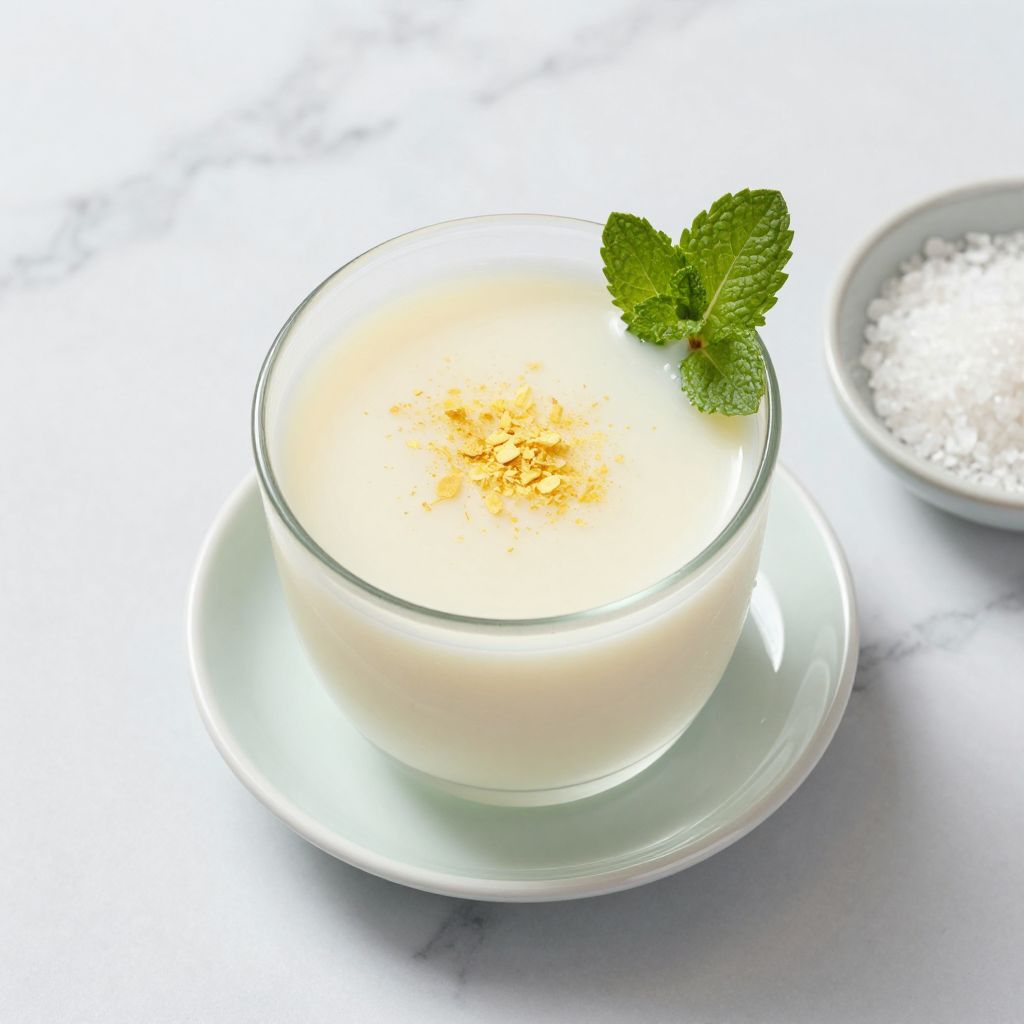
- Taste your amazake and add a tiny pinch of sea salt if desired, which enhances sweetness and adds subtle depth. Stir well and transfer to clean glass jars for storage in the refrigerator. Your homemade amazake will keep for up to 7 days in the refrigerator.
Notes
The most common mistake is letting the fermentation temperature drop below 50 degrees Celsius (122 degrees Fahrenheit), which halts enzyme activity and leaves your amazake bland. Use fresh koji powder and check your fermentation spot twice during the process to ensure consistent warmth. You can drink amazake cold straight from the fridge, or gently warm it in a saucepan over low heat. For variations, try adding grated ginger, vanilla extract, or substitute brown rice for a nuttier flavor.