
There’s something magical about opening your fridge to find creamy, tangy yogurt that you made yourself, especially when it’s made from wholesome almond milk. Almond milk yogurt delivers the same silky texture and probiotic benefits as dairy yogurt, but it’s naturally vegan, lactose-free, and packed with nutty flavor.
This recipe is special because it proves you don’t need fancy equipment or hard-to-find ingredients to create something restaurant-quality at home. With just a few simple components and a bit of patience, you’ll have yogurt that tastes fresher and costs less than store-bought versions.
What makes this recipe shine is how adaptable it is: you can sweeten it, flavor it, or keep it plain, and the texture is consistently creamy thanks to the right balance of probiotics and time. By the end, you’ll understand exactly why making yogurt at home is worth the minimal effort.
Why You’ll Love This Recipe
This recipe rewards you with creamy, tangy yogurt that rivals any brand on the shelf, and you control every single ingredient that goes into it.
- Completely vegan and dairy-free, perfect for anyone with lactose intolerance or plant-based preferences.
- Costs a fraction of what you’d pay for premium yogurt at the grocery store.
- Packed with live cultures that support healthy digestion and gut health.
- Infinitely customizable: add fruit, granola, sweeteners, or keep it plain.
- Ready in 24 hours with mostly hands-off fermentation time.
My Experience Making This Recipe
The first time I made almond milk yogurt, I was skeptical that it would set properly without dairy. I followed this recipe carefully, maintained the temperature, and waited patiently through the fermentation period.
When I opened the yogurt maker the next morning, I was genuinely stunned by how thick and creamy it turned out. The flavor was subtly nutty with that perfect tang, and my family went through a full batch in two days.
Now I make a batch every week, and I’ve experimented with adding vanilla, honey, and fresh berries. What started as curiosity has become a kitchen ritual I genuinely look forward to.
Recipe Overview
- Recipe Name: Homemade Almond Milk Yogurt
- Servings: 4 to 5 servings
- Prep Time: 10 minutes
- Fermentation Time: 24 hours
- Total Time: 24 hours and 10 minutes
- Course: Breakfast or Dessert
- Cuisine: Modern Plant-Based
- Calories per Serving: 85 calories
Equipment You Will Need
- Yogurt maker (or instant pot with yogurt setting)
- Large mixing bowl
- Whisk
- Thermometer (optional but helpful)
- Glass jars or yogurt maker containers
- Measuring cups and spoons
- Spoon for stirring
Ingredients for Almond Milk Yogurt
- 4 cups unsweetened almond milk
- 2 tablespoons tapioca starch or cornstarch
- 1 tablespoon coconut sugar or maple syrup
- 1/4 teaspoon vanilla extract (optional)
- 1/2 teaspoon probiotic powder or 1/2 cup plain dairy yogurt with live cultures
- Pinch of sea salt
Ingredient Notes and Substitutions
- Unsweetened almond milk forms the base and provides a neutral canvas for fermentation. You can substitute oat milk or cashew milk, though they ferment slightly differently and may affect texture.
- Tapioca starch acts as a thickener because almond milk lacks the natural protein of dairy. Arrowroot powder works as a substitute and creates similar creaminess, though cornstarch is less ideal because it can make the yogurt grainy.
- The sweetener feeds the probiotics during fermentation. You can skip it, but the fermentation may take slightly longer; honey or agave nectar work equally well.
- Probiotic powder ensures reliable fermentation without relying on dairy yogurt. If using dairy yogurt as your starter, make sure it contains live active cultures, which you can confirm by reading the label.
How to Make Almond Milk Yogurt
Step 1: Warm Your Almond Milk
Pour your unsweetened almond milk into a large mixing bowl and heat it gently to 110 to 115 degrees Fahrenheit. This temperature is warm enough to activate the probiotics without killing them, which is why precision matters here.
Step 2: Mix in the Thickener
Whisk the tapioca starch into a small amount of warm almond milk until completely smooth, then pour this mixture back into the main bowl and whisk thoroughly. Lumps will prevent your yogurt from setting evenly, so take a moment to ensure everything is dissolved.
Step 3: Add Your Sweetener and Vanilla
Stir in the coconut sugar and vanilla extract, whisking until fully incorporated. These ingredients dissolve more easily in warm milk, so don’t skip this step or your yogurt may taste grainy.
Step 4: Cool Slightly and Check Temperature
Let the mixture cool to exactly 110 degrees Fahrenheit before adding your probiotic starter. If the milk is too hot, you’ll kill the beneficial cultures and your yogurt won’t ferment; if it’s too cool, fermentation will take much longer.
Step 5: Add Your Probiotic Starter
Pour a small amount of the warm almond milk into a separate bowl, then whisk in your probiotic powder or dairy yogurt starter until completely smooth. This prevents clumping when you combine it with the rest of the milk.
Step 6: Combine Everything
Pour your probiotic mixture back into the large bowl with the remaining almond milk and whisk gently but thoroughly. You want the cultures distributed evenly throughout, so spend a full minute stirring.
Step 7: Pour Into Containers and Set Up the Yogurt Maker
Divide your mixture into glass jars or your yogurt maker’s containers and place them in your yogurt maker set to 110 degrees. If you’re using an instant pot, select the yogurt setting and adjust the time to 24 hours.
Step 8: Ferment for 24 Hours Without Disturbance
Let your yogurt ferment undisturbed for exactly 24 hours, resisting the urge to check on it halfway through. The longer fermentation time creates more tang and better texture, and every time you open the lid, you release heat and slow the process.
Step 9: Cool and Refrigerate
Once fermentation is complete, remove the jars from the yogurt maker and transfer them to the refrigerator for at least 4 hours before serving. The yogurt will continue to thicken as it cools, so don’t worry if it seems slightly loose when warm.
Pro Tip: Save about 1/2 cup of your finished yogurt as a starter culture for your next batch, which will eliminate the need for probiotic powder and give you consistent results every time.
Tips for the Best Almond Milk Yogurt
- Use a thermometer to nail the temperature every single time, because fermentation success depends almost entirely on maintaining the right warmth.
- Don’t skip the tapioca starch: almond milk naturally lacks the protein that gives dairy yogurt its thick texture, so the starch makes a real difference.
- Keep your yogurt maker clean and sanitized before each batch by rinsing containers with hot water and letting them air dry.
- Experiment with the fermentation time: shorter fermentation (18 hours) gives you milder yogurt, while 24 to 30 hours creates more tang and sourness.
- Store your finished yogurt in glass containers rather than plastic, as this keeps the flavor fresher and prevents any plastic odors from transferring to your yogurt.
- If your first batch seems too thin, add an extra tablespoon of tapioca starch to your next attempt.
Common Mistakes to Avoid
- Overheating the milk before adding probiotics kills the cultures and wastes your starter, leaving you with sweetened almond milk instead of yogurt.
- Using sweetened almond milk instead of unsweetened throws off the balance of sugars and can create overly sweet, unstable yogurt.
- Skipping the starch results in thin, watery yogurt that never sets properly no matter how long you ferment.
- Opening the yogurt maker repeatedly during fermentation disrupts the temperature and extends the fermentation time unpredictably.
- Refrigerating immediately after fermentation without the cooling period traps steam inside and can make your yogurt grainy or separated.
Serving Suggestions
Your homemade almond milk yogurt shines on its own, but it’s also incredibly versatile and works beautifully in both sweet and savory applications. Here are some ways to enjoy it that go beyond the basic bowl.
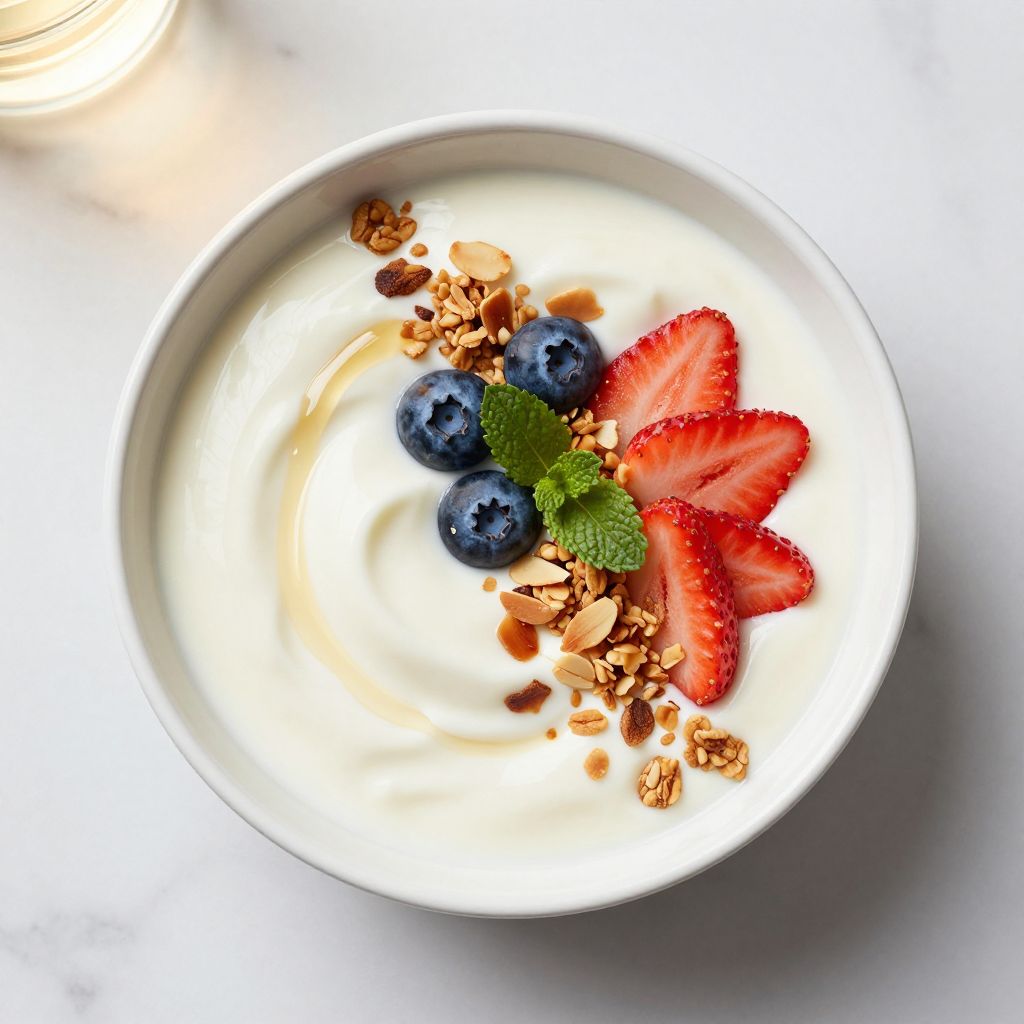
- Layer it with granola and fresh berries for a classic breakfast parfait.
- Swirl in a spoonful of almond butter and drizzle with honey for a satisfying snack.
- Use it as a creamy base for smoothie bowls topped with coconut flakes and sliced fruit.
- Mix it with fresh herbs and garlic to create a vegan yogurt sauce for grain bowls or roasted vegetables.
- Blend it with frozen bananas and vanilla for a soft-serve dessert that tastes indulgent.
Variations to Try
- Vanilla yogurt: Add 1 teaspoon vanilla extract and an extra tablespoon of maple syrup for a dessert-like yogurt that works beautifully with fruit.
- Cardamom and rose: Stir in 1/4 teaspoon ground cardamom and a pinch of rose water for a fragrant, slightly floral yogurt that feels special.
- Chai spiced: Add 1/2 teaspoon chai spice blend during the initial mixing for a warm, cozy yogurt that pairs perfectly with granola.
- Coconut yogurt: Replace half the almond milk with full-fat coconut milk for richer texture and tropical flavor.
- Fruit swirl: After fermentation, fold in fresh or frozen berries and a touch of honey for a naturally sweet, colorful yogurt.
Dietary Adaptations
- Gluten-free: This recipe is naturally gluten-free, but verify that your probiotic powder or starter yogurt is labeled gluten-free if you have sensitivity.
- Dairy-free: The entire recipe is dairy-free when you use probiotic powder instead of dairy yogurt as your starter culture.
- Vegan: Use only probiotic powder, not dairy yogurt, and this recipe is completely vegan with no animal products whatsoever.
- Low-carb or keto: Substitute the coconut sugar with erythritol or monk fruit sweetener, though you’ll need slightly more because these have less bulk than sugar.
- Sugar-free: Omit the sweetener entirely; fermentation may take 2 to 3 hours longer since probiotics work with minimal food source.
Storage and Reheating
Refrigerator
Homemade almond milk yogurt keeps in the refrigerator for up to 10 days in airtight glass containers. The yogurt continues to thicken slightly and become more tangy as it sits, which many people prefer.
- Store in glass jars with tight-fitting lids to prevent contamination.
- Keep away from strong-smelling foods that might transfer flavor.
- Check that the yogurt hasn’t separated or developed mold before eating.
Freezer
You can freeze almond milk yogurt for up to 3 months, though the texture becomes slightly grainy when thawed. Use frozen yogurt for smoothies or baking rather than eating straight.
- Pour into ice cube trays for convenient single-serving portions.
- Label containers with the date so you use them in order.
- Thaw in the refrigerator overnight before using.
Reheating
Yogurt doesn’t need reheating and shouldn’t be heated after fermentation, as high heat destroys the beneficial probiotics. Simply remove from the refrigerator and enjoy cold.
- For smoothies, blend frozen yogurt directly into your drink.
- For baking applications, thaw in the refrigerator first.
Nutrition Information
| Nutrient | Amount |
|---|---|
| Calories | 85 |
| Total Fat | 2.5g |
| Saturated Fat | 0.2g |
| Carbohydrates | 12g |
| Fiber | 0.5g |
| Sugar | 3g |
| Protein | 1g |
| Sodium | 170mg |
| Cholesterol | 0mg |
These values are estimates based on standard almond milk and probiotic powder, and may vary slightly depending on your specific ingredients and brands used.
Frequently Asked Questions
Can I use sweetened almond milk instead of unsweetened?
You technically can, but the results will be overly sweet and the fermentation balance gets thrown off. Unsweetened almond milk gives you control over the final sweetness and ensures proper fermentation.
What if my yogurt doesn’t set?
The most common cause is incorrect temperature or dead probiotic cultures. Check that your probiotic powder is fresh and your yogurt maker maintained 110 degrees consistently throughout fermentation.
Can I make this without a yogurt maker?
Yes, you can use an instant pot with the yogurt setting, wrap jars in towels and place them in a turned-off oven with the light on, or use any method that maintains 110 degrees for 24 hours. The key is consistent warmth.
Why is my yogurt too thin or watery?
You likely need more tapioca starch or fermented for too long, which can cause separation. Try adding an extra tablespoon of starch to your next batch, or reduce fermentation time to 20 hours.
Can I use the same starter culture indefinitely?
Yes, if you reserve about 1/2 cup of finished yogurt with active cultures before eating. After about 5 to 7 batches, the cultures weaken slightly, so it’s smart to start fresh with new probiotic powder occasionally.
Is homemade almond milk yogurt safe to eat?
Absolutely, as long as you maintain proper fermentation temperature and store it correctly. The acidic environment created by fermentation prevents harmful bacteria from growing.
Final Thoughts
Making your own almond milk yogurt is genuinely one of the easiest ways to eat better and save money at the same time. Once you taste how creamy and fresh homemade yogurt is, you’ll understand why this simple recipe deserves a permanent spot in your rotation.
Your next batch is just 24 hours away, and with each one you’ll get better at reading the signs of perfect fermentation and customizing the flavors to match your taste. Give this recipe a try, and join countless others who’ve discovered that the best yogurt is the one you make yourself at home.
If you’re interested in exploring more plant-based dairy alternatives, check out our goat milk yogurt recipe for another delicious option. You might also enjoy browsing our collection of almond-focused recipes, including a refreshing almond joy martini recipe for when you want to get creative with your almonds in different ways.
Homemade Almond Milk Yogurt
Ingredients
Equipment
Method
- Pour the unsweetened almond milk into a large mixing bowl and gently heat to 110–115°F using a thermometer.
- Whisk the tapioca starch into a small amount of warm almond milk until completely smooth, then pour back into the main bowl and whisk thoroughly to remove any lumps.
- Stir in the coconut sugar and vanilla extract, whisking until fully dissolved and incorporated.
- Allow the mixture to cool to exactly 110°F before adding your probiotic starter to avoid killing the cultures.
- Pour a small amount of the warm almond milk into a separate bowl, whisk in the probiotic powder or dairy yogurt until smooth to prevent clumping.
- Pour the probiotic mixture back into the large bowl with the remaining almond milk and whisk gently but thoroughly for one minute to distribute the cultures evenly.
- Divide the mixture into glass jars or your yogurt maker containers and set in the yogurt maker at 110°F or use the Instant Pot yogurt setting for 24 hours.
- Ferment undisturbed for exactly 24 hours without opening the lid to maintain consistent temperature and develop tang.
- After fermentation, transfer the jars to the refrigerator and chill for at least 4 hours before serving, allowing the yogurt to thicken.