
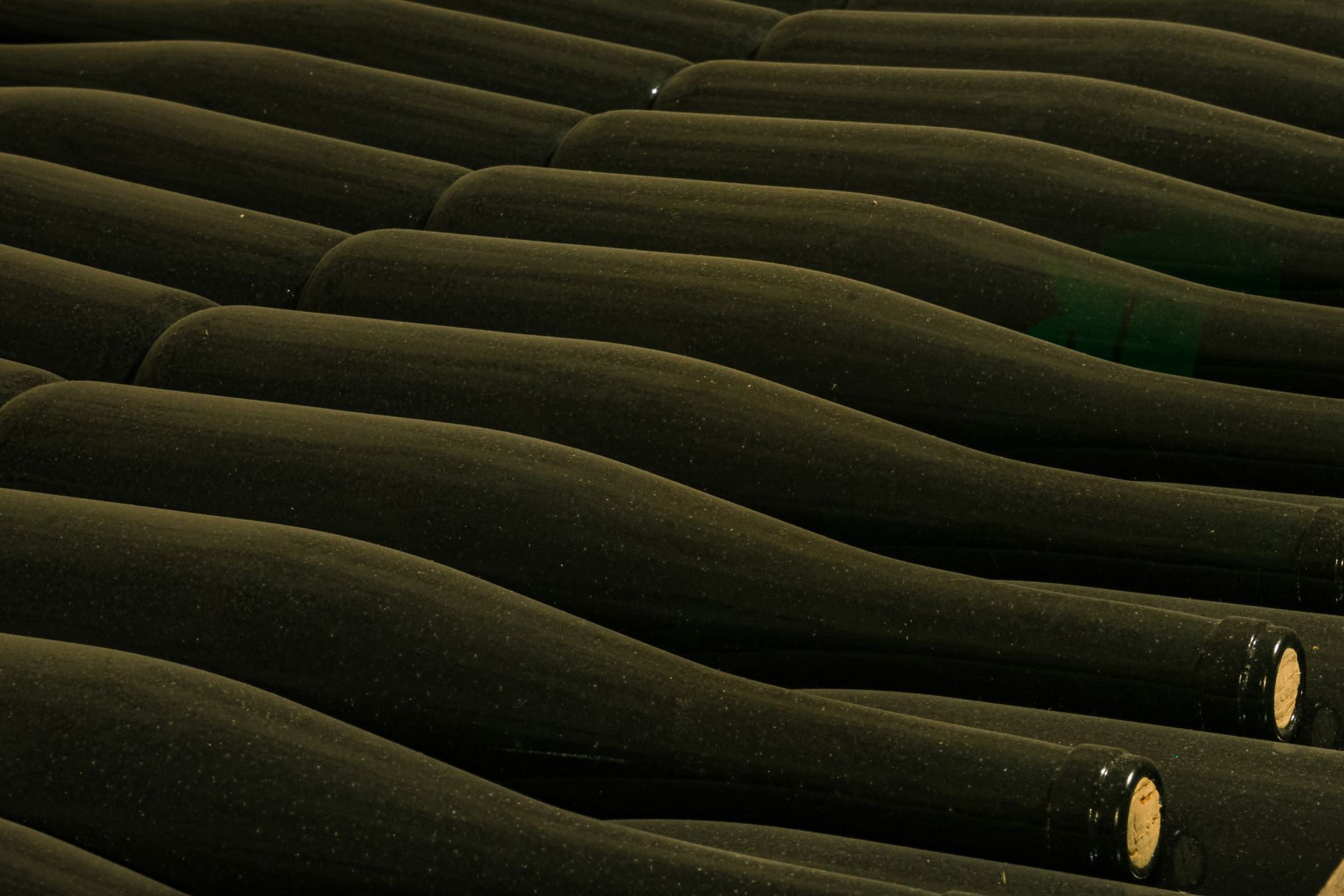
Pet Nat wine, short for Pétillant Naturel, is a sparkling wine that is crafted using an ancient method of natural fermentation. Unlike traditional sparkling wines, which undergo a second fermentation in the bottle, Pet Nat is bottled before fermentation is complete, allowing it to create natural carbonation. This unique process results in a wine that is often cloudy, full of character, and rich in flavor.
As the popularity of natural wines grows, Pet Nat has emerged as a favorite among those looking for something different. It offers a playful, effervescent experience that can vary widely in taste, making it an exciting choice for wine enthusiasts and casual drinkers alike.
What Is a Pet Nat Wine?
Pétillant Naturel is a type of sparkling wine made through a process known as méthode ancestrale, which dates back centuries. This traditional method allows the wine to undergo its primary fermentation in the bottle, capturing natural bubbles. The result is an effervescent, often unfiltered wine that reflects its natural origins and the terroir in which it is grown.
Characteristics of Pet Nat Wine
Pet Nat wines are known for their distinct characteristics, which can vary based on several factors including the grape varietals used, the region where they are produced, and the techniques employed by the winemakers.
Flavor Profile
The flavor profile of Pet Nat wines can be vibrant and diverse. Depending on the grape variety and the winemaking process, you might experience:
- Fruity notes like apple, pear, and stone fruits
- Floral aromatics such as elderflower or jasmine
- Earthy flavors that reflect the vineyard’s soil
- Hints of spices or herbs, depending on the winemaking techniques
Texture and Appearance
Visually, Pet Nat wines are often cloudy due to the natural sediment that results from the sedimentation process carried out with minimal filtration. This cloudiness does not indicate poor quality; rather, it is a badge of authenticity, showcasing the wine’s natural fermentation process.
The texture can range from light and refreshing to rich and creamy, depending on how the wine was made, making each bottle a surprise waiting to be uncorked.
How Is Pet Nat Wine Made?
The process of making Pet Nat is relatively straightforward but requires a knowledgeable hand. Here’s a step-by-step breakdown of how Pet Nat wines are typically produced:
- Harvesting: Grapes are harvested early in the season to retain natural acidity. This is crucial for balancing the sweetness that develops during fermentation.
- Pressing: Grapes are gently pressed to extract the juice, which then begins fermentation.
- Fermentation: The grape juice ferments in a tank to create a base wine. During this stage, winemakers monitor the fermentation closely.
- Bottling: Once the primary fermentation reaches a certain point, the wine is bottled with some residual sugars and yeast still in the liquid. This is what creates the natural carbonation.
- Secondary Fermentation: While in the bottle, the residual sugars and yeast continue to ferment, producing carbon dioxide and thus making the wine sparkling.
- Riddling and Disgorgement (optional): Some winemakers may choose to perform riddling (gradually tilting the bottles to collect sediment) before disgorging the sediment, while others prefer to leave it in the bottle for a more rustic style.
- Corking: Finally, the wine is corked and labeled. Many Pet Nats are unfiltered and unfined, making them “natural” wines that are favored by natural wine enthusiasts.
Types of Grapes Used in Pet Nat Wine
Pet Nat wines can be made from a variety of grape types, both red and white. The choice of grape significantly influences the wine’s flavor and aroma. Here are some popular grape varietals:
- Chenin Blanc: This versatile grape can produce both dry and off-dry styles, with bright acidity and notes of apple and honey.
- Pinot Noir: A red varietal often used for Pet Nat, Pinot Noir adds depth and complexity, contributing berry flavors and a silky texture.
- Riesling: Known for its aromatic qualities, Riesling can give Pet Nat a floral profile with vibrant acidity and sweetness.
- Grolleau: This lesser-known varietal from the Loire Valley lends its fruity and juicy character, perfect for a fresh, light Pet Nat.
Where Is Pet Nat Wine Made?
While the concept of Pet Nat wine has historic roots in various regions, it has garnered significant attention in several modern winemaking areas. Some notable regions where you can find exceptional Pet Nat wines include:
- Loire Valley, France: Regarded as the birthplace of Pet Nat, this region has a rich history of ancient winemaking techniques.
- Provence, France: Known for its sunny climate, Provence produces delightful, fruity Pet Nat wines that showcase local grape varieties.
- California, USA: Emerging winemakers are experimenting with Pet Nat wines, offering a fresh take on this classic method.
- Australia: Various regions in Australia, particularly cool climate areas, are producing innovative Pet Nat wines that reflect their unique terroir.
Food Pairing with Pet Nat Wine
The effervescence and natural acidity of Pet Nat wines make them incredibly food-friendly. Here are some pairing suggestions to enhance your dining experience:
- Cheese: Soft cheeses like goat cheese or creamy brie complement the vibrant acidity well.
- Seafood: Fresh oysters, ceviche, or grilled fish balance beautifully with the wine’s effervescence.
- Spicy Dishes: Pet Nat’s refreshing nature makes it an excellent match for spicy Asian dishes or curries.
- Charcuterie: Meats and cured sausages pair well with the wine’s flavors and carbonation, enhancing the overall palate experience.
Tips for Choosing Pet Nat Wine
Choosing the right Pet Nat wine can be an enjoyable and exciting experience. Here are some tips to help guide your selection:
- Start Local: Look for Pet Nat wines from local or nearby regions. This practice supports local agriculture and ensures freshness.
- Check for Labels: If you’re interested in a specific flavor profile, take note of the grape varietals mentioned on the label.
- Ask for Recommendations: Wine shop staff can provide valuable insights and suggestions based on your flavor preferences.
- Be Open-Minded: Pet Nat wines can be quite diverse. Don’t hesitate to experiment with different producers and styles to find what you enjoy.
Storing and Serving Pet Nat Wine
Proper storage and serving of Pet Nat wine can enhance your experience.
Storage
Store Pet Nat wine in a cool, dark place away from direct sunlight. Ideally, keep it at a stable temperature of around 50-55°F (10-13°C). If the bottle is not yet opened, lay it flat to keep the cork moist, which helps maintain a good seal.
Serving
When it’s time to enjoy your Pet Nat, follow these serving tips:
- Chill: Make sure to chill your Pet Nat to about 45-50°F (7-10°C) before serving. This temperature helps preserve its effervescence and enhances flavors.
- Glassware: Use white wine glasses or flutes to showcase the bubbles and the wine’s aromas effectively.
- Pour Carefully: Since Pet Nat is often naturally bubbly, pour it slowly to minimize spillover and preserve carbonation.
Common Misconceptions About Pet Nat Wine
Despite its growing popularity, a few misconceptions about Pet Nat wine can lead to confusion:
- All Pet Nat Wines Are Sweet: While many Pet Nat wines can have residual sweetness, this is not universally true. Dry styles are also available, catering to diverse preferences.
- Cloudy Equals Bad: The cloudiness found in Pet Nat wines is a result of natural fermentation and does not indicate flaws. It simply reflects the artisan nature of the winemaking process.
- Pet Nat Is a New Trend: Though it has recently gained notoriety, the method of making Pet Nat has been practiced for centuries and is not just a passing fad.
Conclusion
Pétillant Naturel is a captivating sparkling wine that has earned its place in the hearts of wine lovers worldwide. With its unique production method, varied flavor profiles, and natural charm, exploring Pet Nat wines offers an exciting experience for beginners and connoisseurs alike. Whether you’re enjoying it with food or as a standalone sip, Pet Nat can add a delightful touch to any occasion.
If you’re interested in making your own wine at home, check out our guides on a strawberry wine recipe or a general homemade wine recipe for a fun project. Enjoy the journey of discovering new wines and flavors!